
Best Compost for Raised Vegetable Beds 2026: A Clear Buying Guide
Disclosure: We may earn a commission when you buy through links on this page, at no extra cost to you. As an Amazon Associate I earn from qualifying purchases. Learn more

Learn how to choose compost for raised vegetable beds: food safe sourcing, nutrient needs by crop, drainage, and mix ratios for strong harvests.
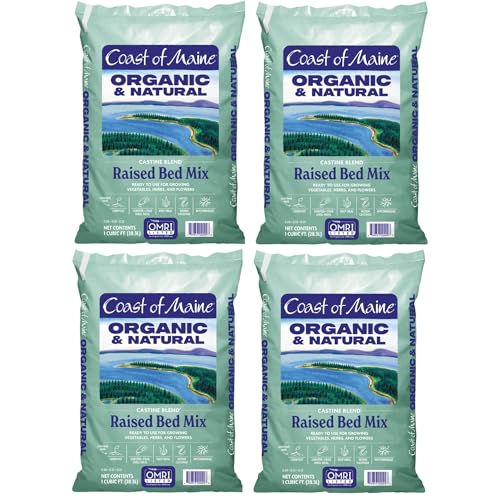
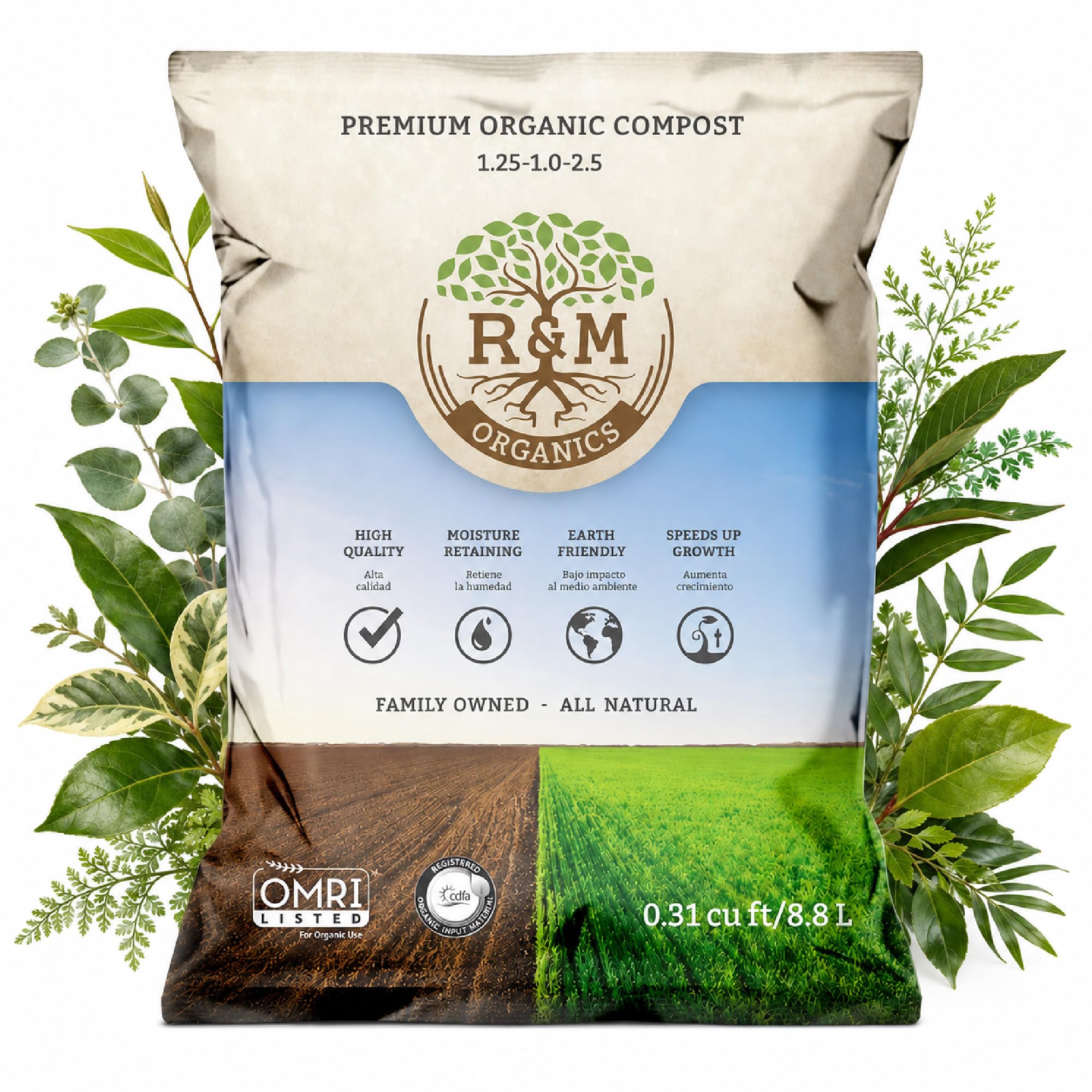
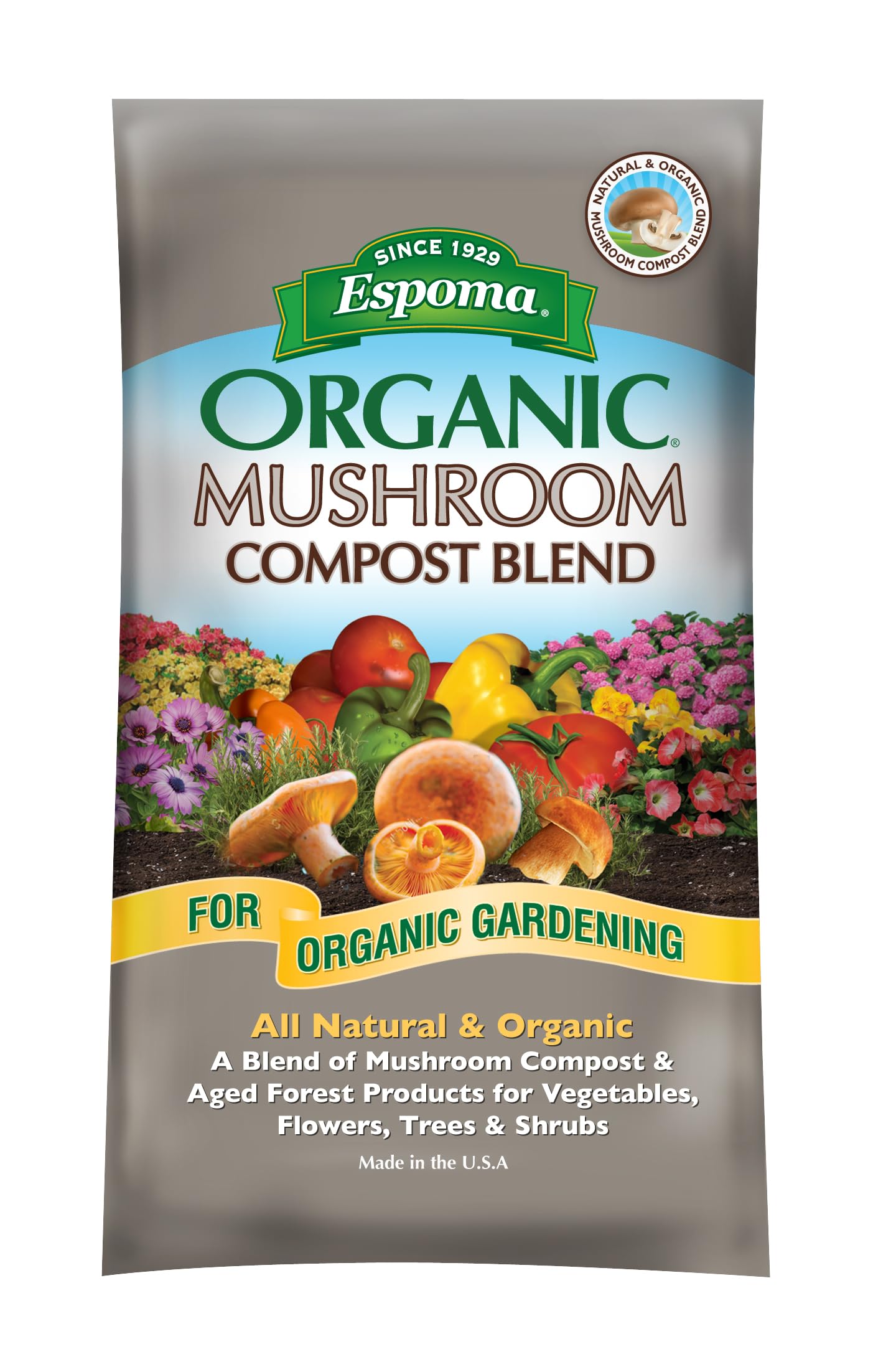
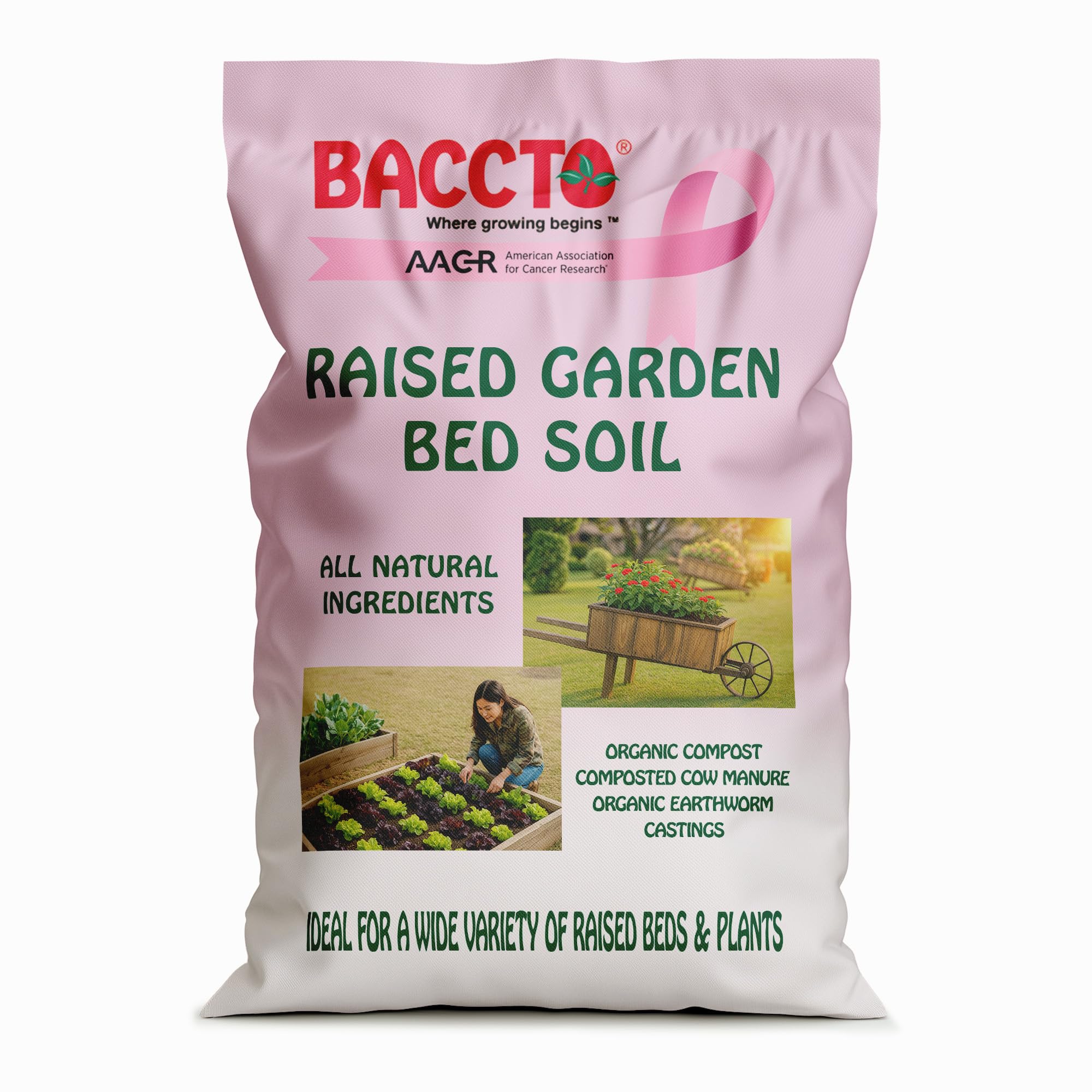
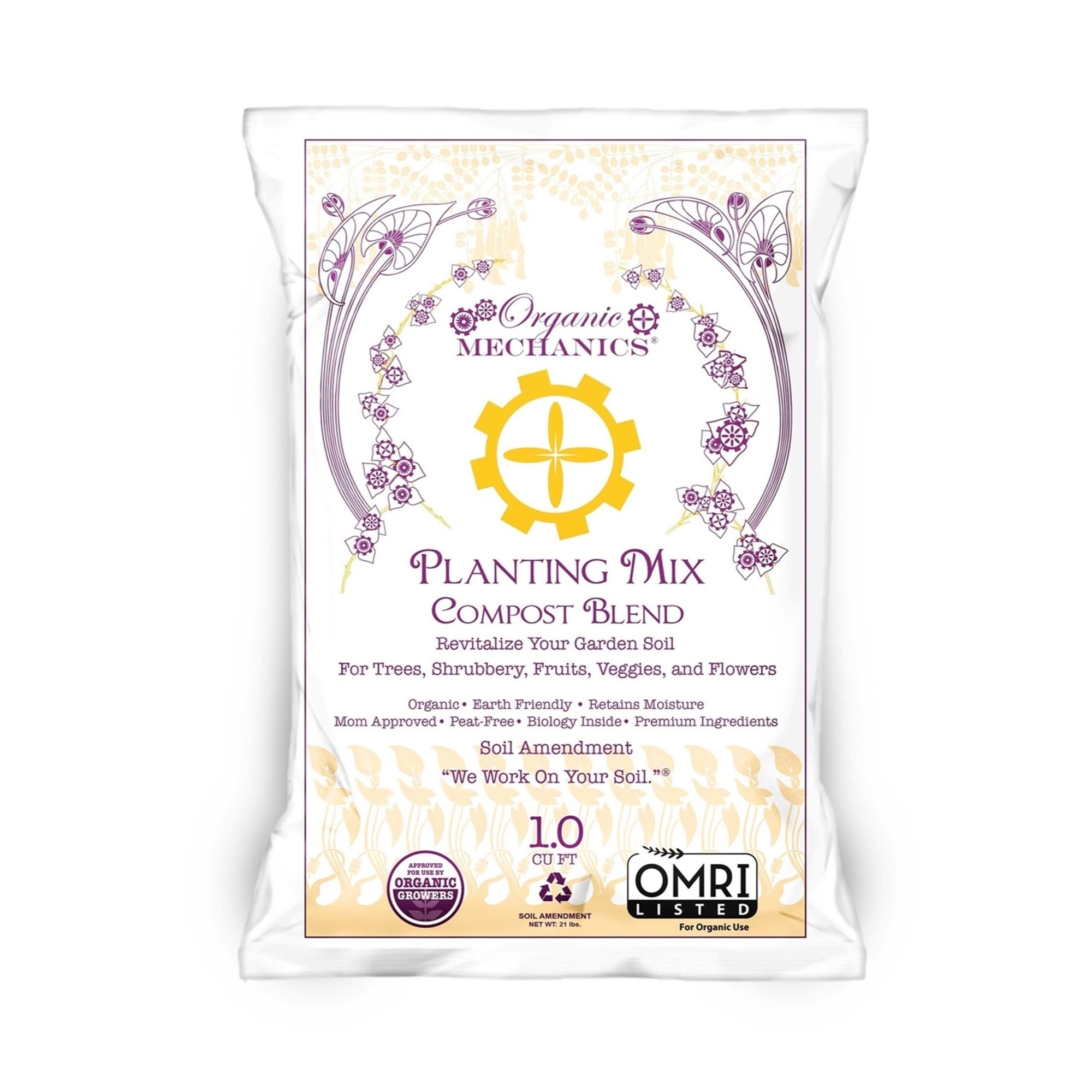
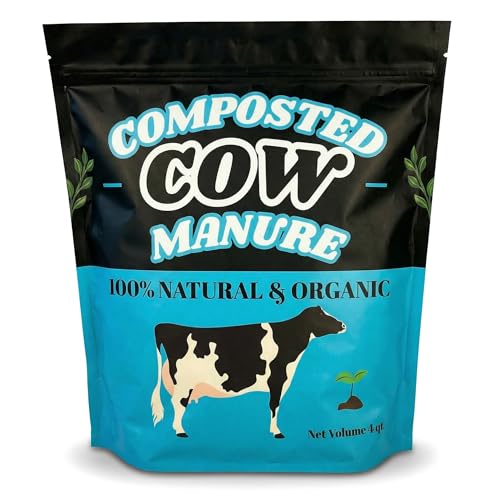
Vegetable beds ask more from compost than flower beds do, and the best compost for raised vegetable beds must be food safe, nutrient steady, and well drained. Vegetables grow fast and feed heavily, so compost quality shows up quickly in leaf color and yield. The comparison table below gives an overview, and this guide explains vegetable specific choices.
This guide focuses on edible crops. It covers sourcing safety, crop groups with different appetites, and mix ratios that keep roots healthy through a full season of picking.




Compost Basics for Vegetable Growing
Vegetable compost should be fully finished, earthy smelling, and free of recognizable waste. Unfinished compost can tie up nitrogen just when seedlings need it most, causing yellow leaves and slow growth. Food beds deserve extra care in sourcing, since what goes into soil can reach the table.
Ask suppliers about manure sourcing and treatment when you grow food. Avoid compost made with sewage sludge or pet waste, and favor plant based or well composted animal manure from trusted sources. When unsure, choose a certified or clearly labeled product for food gardens.
Key Specs Explained in Plain English
Vegetable specs center on feeding, drainage, and safety. Learn how each one affects the crops you actually grow.
Features That Matter for Vegetable Beds
Hungry crops such as tomatoes, squash, and brassicas need richer compost and more frequent top dressing than herbs and root crops. Leafy greens need steady nitrogen for lush leaves, while root crops prefer looser, less rich mixes that let roots expand without forking.
Match compost richness to crop groups within the same bed by top dressing hungry plants individually rather than enriching the whole bed to the highest level. This targeted approach avoids overfeeding delicate crops.
Drainage and Root Health
Vegetables suffer quickly in waterlogged soil. Good compost keeps beds draining freely while holding enough moisture between waterings. If beds stay soggy after rain, add coarse organic matter and check that bed bases drain rather than sitting in puddles.
Root crops need special attention. Carrots and parsnips fork in stony or overly rich soil, so use a finer, well mixed compost for those beds and remove stones before sowing. Loose soil gives straighter, cleaner roots.
Mix Ratios and Feeding Through the Season
Start new vegetable beds with about one part compost to two parts topsoil, then top dress with compost during the season for hungry crops. A midseason feed of a thin compost layer, watered in well, sustains growth without shocking plants.
Rotate crops yearly where possible, since different families draw different nutrients. Rotation plus yearly compost keeps beds balanced and reduces pest and disease buildup that follows growing the same crop in the same spot.
Common Vegetable Bed Mistakes
Overfeeding is a common error. Too much rich compost causes lush leaves with few fruits in tomatoes and peppers, and forked roots in carrots. Feed to crop need, not to a calendar, and watch plant response before adding more.
Another mistake is planting into cold, wet compost in early spring. Let beds warm and drain before sowing tender crops, and use cloches or covers to warm soil when spring runs late. Warm soil gives faster germination and stronger seedlings.
For general bed mixes, see best compost for raised beds, and for mixed garden beds, best compost for raised garden beds.
Planning Crop Rotations
Rotate vegetable families yearly to prevent nutrient depletion and pest buildup. Follow heavy feeders with light feeders or legumes that restore nitrogen, and avoid planting the same family in the same bed two years running. Simple rotation charts help plan beds without complexity.
Keep a garden notebook with bed maps, compost amounts, and crop results. Notes from one season guide smarter compost choices the next, turning guesswork into experience. Even brief notes beat memory for multi bed gardens.
Interplant compatible crops to use bed space and compost efficiently. Fast radishes between slow brassicas, or herbs among vegetables, make full use of fed soil while adding diversity that discourages pests.
Harvest Time Soil Care
After harvest, remove spent plants and add compost rather than leaving beds bare. Bare soil loses moisture and structure quickly, while a compost layer protects it and feeds soil life through the off season. Cover crops add further benefit where seasons allow.
Avoid working wet soil, which compacts easily and damages structure that compost built. Wait for soil to dry to a crumbly state before digging or top dressing, especially in clay heavy beds that compact worst when wet.
Food Safety in Vegetable Beds
Wash all produce thoroughly, especially leafy greens and root crops that contact soil. Peeling root crops adds safety for vulnerable eaters, and keeping compost off edible leaves during top dressing reduces contamination risk.
Keep pets and pet waste away from vegetable beds, and fence beds where animals roam freely. Animal waste introduces pathogens that composting may not fully eliminate, so prevention beats treatment for food safety.
If compost sourcing is ever doubtful, use it for flower beds instead and buy certified food garden compost for vegetables. This cautious split protects food beds without wasting questionable compost entirely.
Frequently Asked Questions
Is manure compost safe for vegetable beds?
Well composted manure from trusted sources is widely used for vegetables, provided it is fully finished and aged. Avoid fresh manure near food crops, wash produce well, and keep compost off leaf surfaces at harvest time for extra safety.
How much compost do tomatoes need?
Tomatoes are hungry feeders that benefit from rich compost at planting plus midseason top dressing. Start with a good compost mix, then feed again when fruits set. Watch leaves: pale growth signals need, while excessive leafiness signals overfeeding.
Can I use the same compost for all vegetables?
A balanced compost works for most vegetables, but adjust richness by crop. Use richer mixes for tomatoes and squash, and looser, leaner mixes for carrots and parsnips. Targeted top dressing lets one base mix serve varied crops.
Should vegetable bed compost be tested?
Testing helps when beds underperform despite good compost and watering. A basic soil test reveals pH and major nutrients, which guides lime or feeding choices. Test every few years rather than every season unless problems appear.
How do I keep vegetable beds fertile year after year?
Top dress with compost each season, rotate crop families, and add green manures or cover crops in empty beds over winter. This cycle rebuilds organic matter and keeps soil life active without relying on a single heavy feed.
Final Thoughts
Food safe sourcing, crop matched richness, and steady drainage define good vegetable compost. Feed hungry crops a little extra, keep root beds loose, and refresh beds each season. The product table above compares the main compost approaches.
Grow with observation: leaf color, root shape, and yield tell you whether the mix works. The best compost for raised vegetable beds for your garden is the one that turns steady composting into steady harvests.


