
Best Composite Toe Waterproof Work Boots: How to Stay Dry and Protected in 2026
Disclosure: We may earn a commission when you buy through links on this page, at no extra cost to you. As an Amazon Associate I earn from qualifying purchases. Learn more

Crews working on wet ground can learn how membranes, seams, and fit decide the best composite toe waterproof work boots for a full shift.
A wet boot is more than a comfort problem on a work site. Cold, soaked feet tire faster, blister sooner, and lose grip on ladders and slick ground, so the best composite toe waterproof work boots need to keep water out and still protect your toes without the weight of steel. This guide explains how waterproofing actually works in a work boot, what to check beyond the label, and how to pick a pair for your climate and your job. The comparison table below gives you a quick view of the options before you read the details.
You will also learn where waterproof boots disappoint, because a sealed boot can feel hot, dry slowly once water gets in over the top, and wear out in places a basic boot would not.


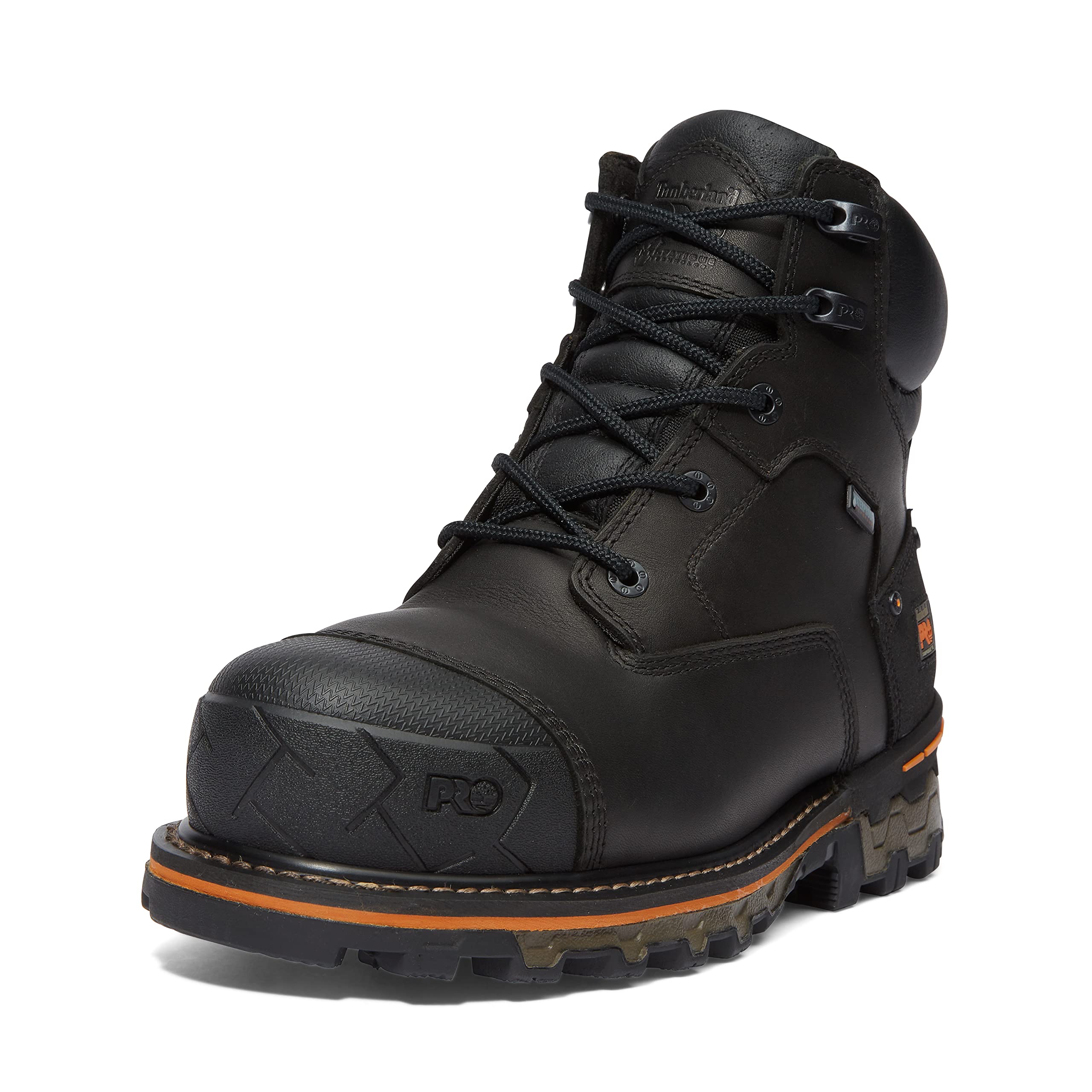

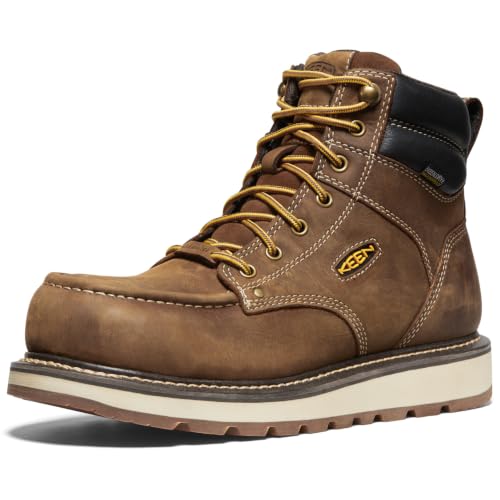


How Waterproofing Works in a Composite Toe Work Boot
Most waterproof work boots use a membrane bonded inside the upper, a thin layer that blocks liquid water while letting some sweat vapor escape. Gore Tex is the best known name, and several makers use their own membranes with similar goals. The membrane sits between the outer leather or fabric and the lining, so the boot stays dry from rain, puddles, and wet grass as long as water enters only through the material.
Other parts of the boot matter as much as the membrane. Taped or sealed seams stop water at the stitching, a gusseted tongue blocks water at the lace area, and a rubber rand or bumper around the foot protects the lower upper from standing water. A boot with a good membrane and a poor tongue still leaks at the laces, so read the description for all three points.
The cap is a separate question. A composite toe is rated for impact and compression, it does not conduct cold the way metal does, and it adds no metal for scanners. That makes composite a sensible partner for a waterproof build in cold, wet work, because the front of the foot stays closer to the temperature of the rest.
Who Needs Composite Toe Waterproof Work Boots
Groundworkers, Landscapers, and Utility Crews
If your shift crosses wet grass, mud, or puddles every day, waterproofing pays for itself. Look for a taller shaft, a deep lug outsole that clears mud, and a sturdy bumper at the toe and heel. Leather uppers with sealed seams hold up better to abrasion than light fabric blends.
Farm, Yard, and Wash Down Work
Washdowns and hose work soak boots from the top as much as from the ground. A waterproof upper helps, but a pull on rubber boot may suit constant standing water better. If you move between wet and dry areas all shift, a waterproof leather boot gives you protection that does not need changing.
Cold Weather and Winter Sites
Wet feet get cold much faster than dry ones. Waterproof boots with insulation add warmth, and a composite cap helps because it does not pull heat from your toes. Check whether the insulation rating suits your coldest day, and keep spare dry socks in your truck.
Indoor Workers Who Only Face Rain on the Commute
If your work is on dry floors, a full waterproof build may be more boot than you need. The membrane traps heat, and a hot warehouse can leave your socks damp from sweat, which defeats the purpose. A water resistant pair with good breathability often suits indoor work better.
Key Features to Compare
Membrane, Seams, and Tongue Design
Check that the product page names a membrane or a waterproof construction, and look for sealed seams and a gusseted tongue. A boot described only as water resistant is not built for standing in puddles. If the description is vague, read buyer questions for reports of leaks after a few weeks.
Fit, Sizing, and Toe Box
The cap does not stretch, so measure late in the day and try boots on with the socks you wear at work, including thicker winter socks. Waterproof boots are often a little stiffer, so leave a thumb width in front of the longest toe and check that your heel stays seated. Wide widths exist in some lines and make more sense than sizing up.
Outsole Traction and Terrain
Deep, widely spaced lugs shed mud and bite into soft ground but can feel clunky on smooth concrete. A flatter siped tread suits concrete, tile, and oily floors. Pick the tread for your most common surface and check for a slip resistance rating on the page.
Weight and Flexibility
Waterproof builds add weight through the membrane, lining, and extra stitching. A composite cap saves some of it back, but compare the weight of the pair, not the cap alone. A boot that bends at the ball of the foot and stays firm through the arch feels better over a long shift.
Breathability and Drying
The trade off for waterproofing is slower drying. If water gets in over the collar, the membrane that kept the rain out now keeps the water in. Dry wet boots at room temperature, pull the insoles out overnight, and never place them next to a heater, which cracks leather and weakens glue. Having two pairs to alternate is the simplest fix.
Durability and Lifespan
Waterproofing wears out before the boot does. Flex points, seams, and the membrane itself fade with use, and leather needs conditioning to stay supple. Most daily use gives roughly one to two years, and you can extend that by cleaning mud off before it dries and conditioning leather when it looks thirsty.
Common Mistakes to Avoid
- Trusting the word waterproof without checking seams, tongue, and bumper.
- Buying a full waterproof pair for dry indoor work, where it only adds heat.
- Ordering a sneaker size, then discovering the cap presses on your toes when you crouch.
- Drying wet boots on a heater, which cracks leather and weakens glues.
- Ignoring your employer rating rule, such as electrical hazard or puncture protection.
For broader comparisons, see our guide to best waterproof composite toe boots, the wider category of best waterproof safety toe work boots, and the general overview of best composite toe work boots. If you prefer a metal cap, best work boots waterproof steel toe covers that style, and best lightweight composite toe work boots helps if weight is your main worry.
Care Tips for Waterproof Work Boots
Brush mud off before it dries, rinse salt and chemicals from the leather, and condition leather uppers after washing. Dry boots slowly at room temperature, and pull out the insoles so moisture can escape from the footbed. Treat the outer leather with a water repellent product as the maker advises, since the membrane needs a clean, dry surface to work properly.
Check the sole bond and the toe bumper each month, because small separations let water in at the edge. Replace laces that fray, and keep a spare pair of dry socks within reach. Retire the boot after a heavy impact to the toe, a cracked sole, or tread worn smooth.
Composite Toe Waterproof Work Boots: Your Questions Answered
Are composite toe waterproof work boots fully waterproof?
They keep water out through the material and seams, but they are not made for deep submersion. Water entering over the collar will soak the inside, so choose a taller shaft if your work involves standing water.
Will waterproof work boots make my feet sweat?
Membranes allow some vapor to escape, but they breathe less than a mesh boot. Moisture wicking socks and a day of drying between shifts help, and indoor workers may prefer a more breathable pair.
How should they fit?
Snug at the heel and midfoot, with a thumb width of space ahead of the toes and no contact with the cap. Try them with your thick work socks and walk on a slope to check for toe pressure.
How long is the break in period?
Most pairs settle within one to two weeks. Waterproof leather boots can feel stiff at first, so wear them for short stretches while the leather softens.
How often should I replace them?
Replace them when the tread wears smooth, the boot starts to leak at the seams, the midsole feels flat, or after a heavy toe impact. For daily use that usually means one to two years.
The Bottom Line
Choose the level of waterproofing your work actually needs: sealed leather boots for wet ground and cold sites, lighter water resistant pairs for mostly dry indoor work. Then check the seams, tongue, cap rating, and fit with your work socks. Compare your shortlist against the product table above, and the best composite toe waterproof work boots will be the pair that keeps you dry and comfortable through the whole shift.


