
Best Breathable Waterproof Work Boots for 2026: Which Type Fits the Way You Work?
Disclosure: We may earn a commission when you buy through links on this page, at no extra cost to you. As an Amazon Associate I earn from qualifying purchases. Learn more

A practical guide to the best breathable waterproof work boots for warm, wet jobs: membranes, fit, safety toes, and care.
No single boot stays dry and cool for every job, because standing water, hot concrete and wet grass stress a boot in different ways. The best breathable waterproof work boots for you balance a sealed membrane against airflow, so your feet stay dry from rain and spills without stewing in sweat. Name your main risk first, deep water, light rain, indoor spills or heat.
Use the comparison table below to compare shaft height, safety toe type and membrane style. Then read the sections that match your work, since a boot for a farm crew at dawn can feel far too warm for a warehouse team by noon.


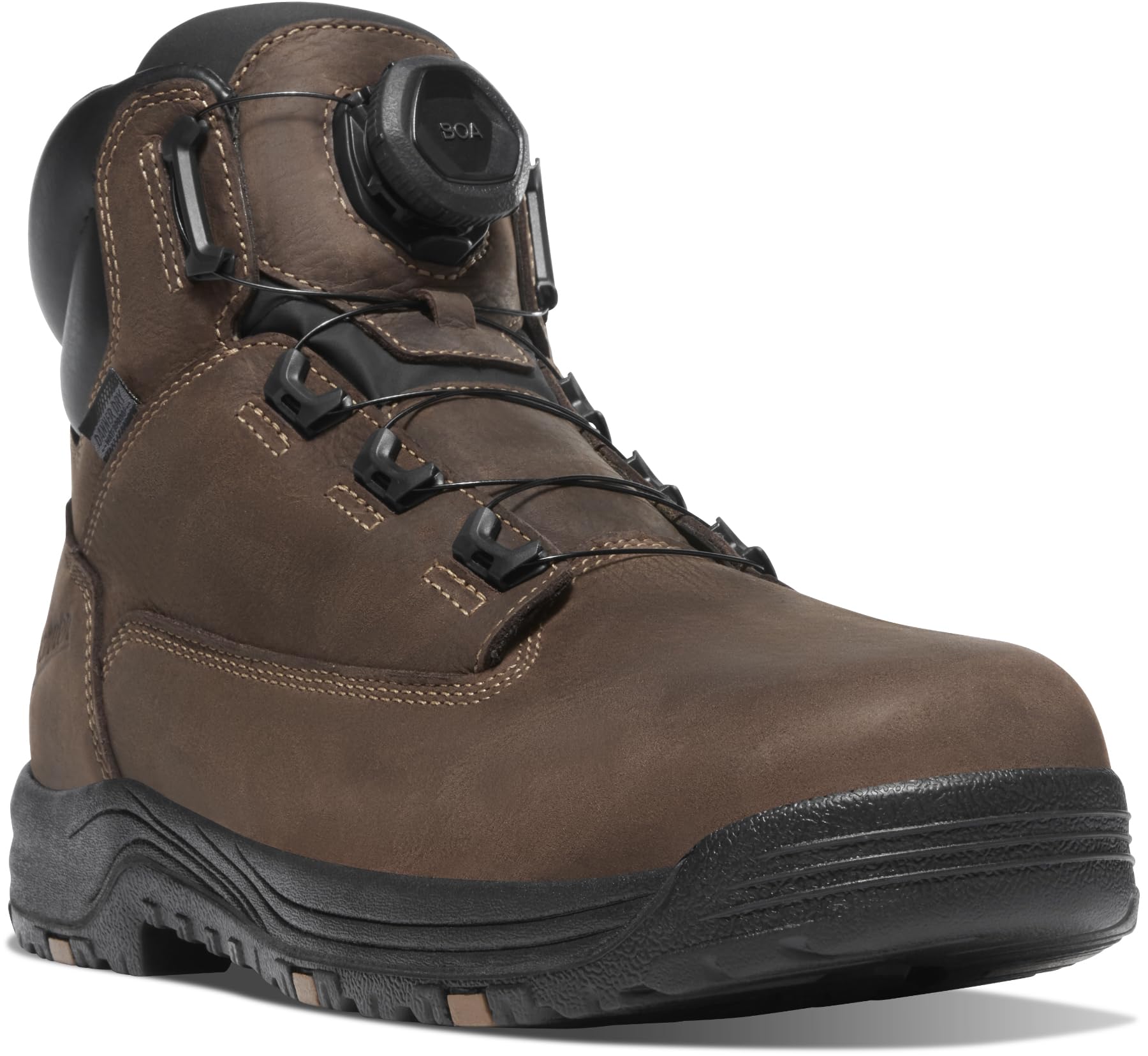


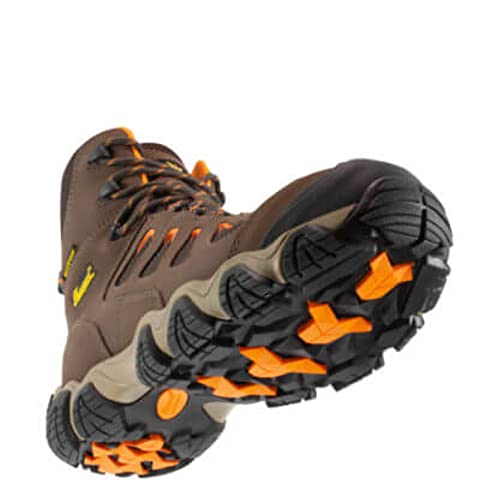
Who Should Buy Which Breathable Waterproof Work Boots?
Your daily surface and water depth matter more than a brand name.
For Outdoor Crews Working in Rain, Mud and Standing Water
You need the strongest sealing in this guide, with a taller shaft, a gusseted tongue and sealed seams that keep muddy water out in puddles and soft ground. Look for a lugged outsole that sheds mud and grips wet grass and gravel. A sturdy leather or coated upper resists brush and repeated soaking better than thin mesh. For deeper muck, see our guide to the best waterproof boots for farm work for boots built around that routine.
For Warm Indoor Jobs With Spills, Washdowns and Wet Floors
Your water risk is shallow and brief, but your heat risk lasts all shift, so airflow should rank almost as high as sealing. Choose a lower or mid height boot with a lighter membrane and a moisture wicking lining that lets heat escape at the ankle. Traction on wet tile and sealed concrete matters more than deep lugs. If your site rarely sees outdoor rain, see our guide to the best breathable work boots for lighter dry indoor options.
For Long Shifts on Concrete With Mixed Indoor and Outdoor Tasks
You stand and walk for eight to twelve hours between dry floors, wet yards and delivery points, so cushioning and support decide how your feet feel late in the day. Pick a boot with a firm heel counter, a stable cushioned midsole and toe room for feet that spread under load. Weight matters too, since heavy boots tire your legs over thousands of steps. A balanced mid height design usually serves this routine best.
Key Features to Compare
Read each feature through your own job, because the same membrane can help one worker and hinder another.
Waterproof Membranes and the Breathability Tradeoff in Breathable Waterproof Work Boots
A waterproof membrane is a thin barrier inside the boot that blocks liquid water while letting some water vapor from sweat escape. Membrane families such as Gore Tex aim for that balance, but no sealed boot vents as freely as an unlined boot, so warmer feet are the price of staying dry. Crews in steady rain should choose stronger sealing, while workers facing only spills can choose a lighter membrane and gain airflow.
Fit, Sizing and Toe Box Room for Breathable Waterproof Work Boots
Try boots late in the day in your normal work socks, when your feet are at their largest. Your toes should move freely without hitting the front when you kneel, and your heel should stay seated on stairs. A roomy toe box matters with a safety toe, since the cap does not stretch and can pinch a wide forefoot. If you fall between sizes, choose toe room and fix heel slip with lacing or an insole rather than sizing down.
Safety Toe Type and Workplace Protection for Breathable Waterproof Work Boots
Start with the protection your employer and site rules require, since a comfortable boot that fails a site check cannot be worn at all. Steel toes give strong impact protection in a slim profile but feel cold outdoors and add weight. Composite toes use non metal materials and suit sites with metal detectors, while alloy toes sit between the two on weight. Some jobs also need electrical hazard protection or puncture resistance, so confirm each required rating on the label.
Cushioning, Support and Stability for Long Shifts in Breathable Waterproof Work Boots
Cushioning softens impact on concrete, while support controls how your foot rolls and how tired your arches feel by late afternoon. A midsole that feels plush in the store can feel unstable under a heavy load, so look for cushioning on a stable base with a firm heel. Workers who stand in one place need shock absorption under the heel, while walkers need a smooth roll from heel to toe.
Outsole Traction, Upper Materials and Durability of Breathable Waterproof Work Boots
Match the outsole to your surface, with deeper lugs for mud and gravel and a flatter, closely spaced pattern for wet indoor floors, where grip comes from contact area. Full grain leather and coated fabrics shrug off abrasion and repeated soaking, while lighter synthetic panels vent heat but wear faster on sharp edges. Taller shafts protect more but trap heat and add weight. Expect a hard used pair to serve about one to two years, less if soaked daily without drying time.
Breathable Waterproof Work Boot Types Compared
Most options fall into three broad types. Membrane lined leather boots give the strongest mix of durability and sealing for outdoor crews, but they run warmest and need the most care. Membrane lined synthetic boots feel lighter and vent better, which suits warm sites, though panels scuff sooner. Short waterproof work boots trade ankle coverage for airflow and work only where water stays shallow. If low weight is your top need, see our guide to the best lightweight waterproof work boots for lighter sealed designs.
When you shop for the best breathable waterproof work boots for your own routine, score each type against water depth first and heat level second. That order prevents a common error, buying for store comfort and then finding the boot floods at the ankle in real rain. If rain protection matters more than airflow, see our guide to the best waterproof work boots for maximum sealing.
Common Mistakes to Avoid When Buying Breathable Waterproof Work Boots
Most poor choices come from judging a boot in a dry store instead of picturing it soaked and warm at hour nine.
- Choosing airflow alone and ignoring sealing, so the boot wets through in the first steady rain.
- Buying a safety toe boot that is too narrow, so the rigid cap rubs your toes all shift.
- Wearing thin dress socks for the fitting, so the boot feels roomy in the store and loose at work.
- Picking a tall, heavy boot for a hot indoor job, so heat and fatigue build with no benefit.
- Assuming waterproof means maintenance free, so the membrane fails early from poor drying.
- Ignoring employer safety requirements, so a boot you like cannot be worn on your site.
Care and Maintenance for Breathable Waterproof Work Boots
After a wet shift, pull out the insoles, loosen the laces and air dry your boots at room temperature away from direct heat, since strong heat can crack leather and damage membrane bonds. Brush off dried mud before it works into seams, and wash with mild soap and water only when dirt builds up.
Condition leather only with products the maker allows for membrane lined boots, since heavy waxes and oils can block pores and cut breathability. Check laces, eyelets and lugs each month, and watch for damp socks on a dry day, a sign that sealing has worn. Rotating two pairs gives each pair a full day to dry and extends life.
Frequently Asked Questions
Can I wear breathable waterproof work boots all day?
Yes, you can wear breathable waterproof work boots all day if the fit, cushioning and heat level suit your job. One point many buyers miss is sock choice, since a moisture wicking work sock in the right thickness changes warmth and blister risk more than a small change in boot model. Loosen your laces on a long break if your feet swell, and swap pairs the next day so the lining dries.
How long is the break in period for breathable waterproof work boots?
The break in period for breathable waterproof work boots usually lasts about one to two weeks of regular shifts. Leather designs soften more slowly than synthetic designs, so start with shorter shifts before a full week. Watch the crease over your toes, which should bend without pressing hard on your foot. Sharp pain or a blister that returns in the same spot signals a fit problem, not a break in problem.
How should breathable waterproof work boots fit?
Breathable waterproof work boots should fit snugly at the heel and midfoot with clear space ahead of your longest toe. You should be able to wiggle your toes inside the safety cap, and your foot should not slide forward on stairs. Try a field test in the store, kneel and lunge as you would at work, since boots that feel right only while standing often pinch during real tasks.
How often should I replace my breathable waterproof work boots?
You should replace breathable waterproof work boots when sealing, support or traction fails, even if the upper still looks sound. Signs include wet socks after light rain, a midsole that feels flat on concrete, smooth lugs that slip on wet floors or cracks near the toe. Hours of use predict wear better than calendar age.
Are expensive breathable waterproof work boots worth it?
Expensive breathable waterproof work boots are worth it when the added cost buys a better membrane, a stronger upper and a fit that lasts under your workload. Prices about $180 to $280 often reflect those materials, while pairs under $100 tend to vent less well or wear sooner in daily soaking.
Final Thoughts
Start with water depth, then weigh heat, safety requirements and hours on concrete, in that order. A boot that seals well, fits your forefoot and grips your main surface will serve you better than a longer feature list. Look back at the product table above and narrow your choice to the type that matches your group. Chosen that way, the best breathable waterproof work boots become the pair you forget on a wet, warm shift.


