
Best Composite Toe Military Boots 2026: What Actually Matters Before You Buy
Disclosure: We may earn a commission when you buy through links on this page, at no extra cost to you. As an Amazon Associate I earn from qualifying purchases. Learn more
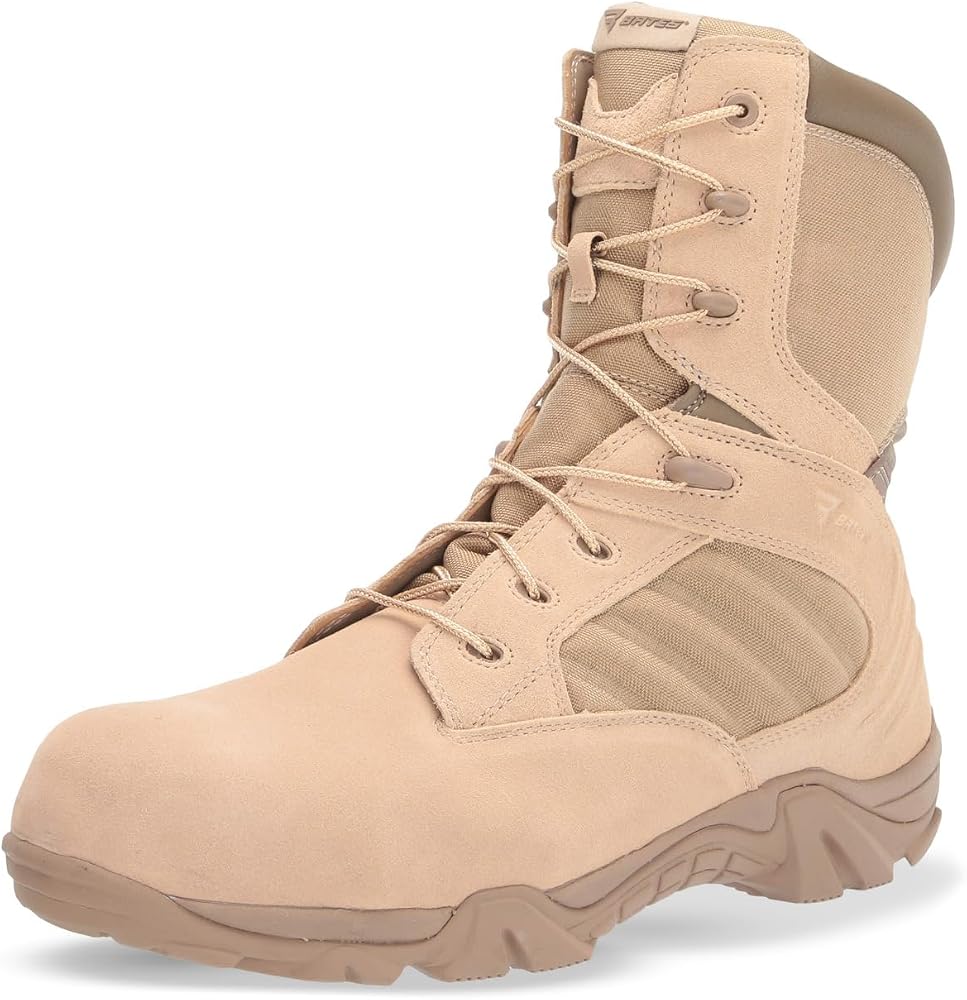
Compare composite toe military boots by safety rating, weight, fit, traction and uniform rules, with a clear checklist for long duty days on your feet.
A composite toe can protect your feet without the weight and cold transfer of steel. The best composite toe military boots pair a certified toe cap with a uniform compliant upper, steady support and grip on wet concrete and loose gravel. Use the comparison table below to check each model against the criteria in this guide.
This guide skips brand claims and focuses on decisions you control: who benefits most from a composite cap, which ratings matter, how boot types differ, and which mistakes shorten boot life. Start with your unit rules and daily surface.
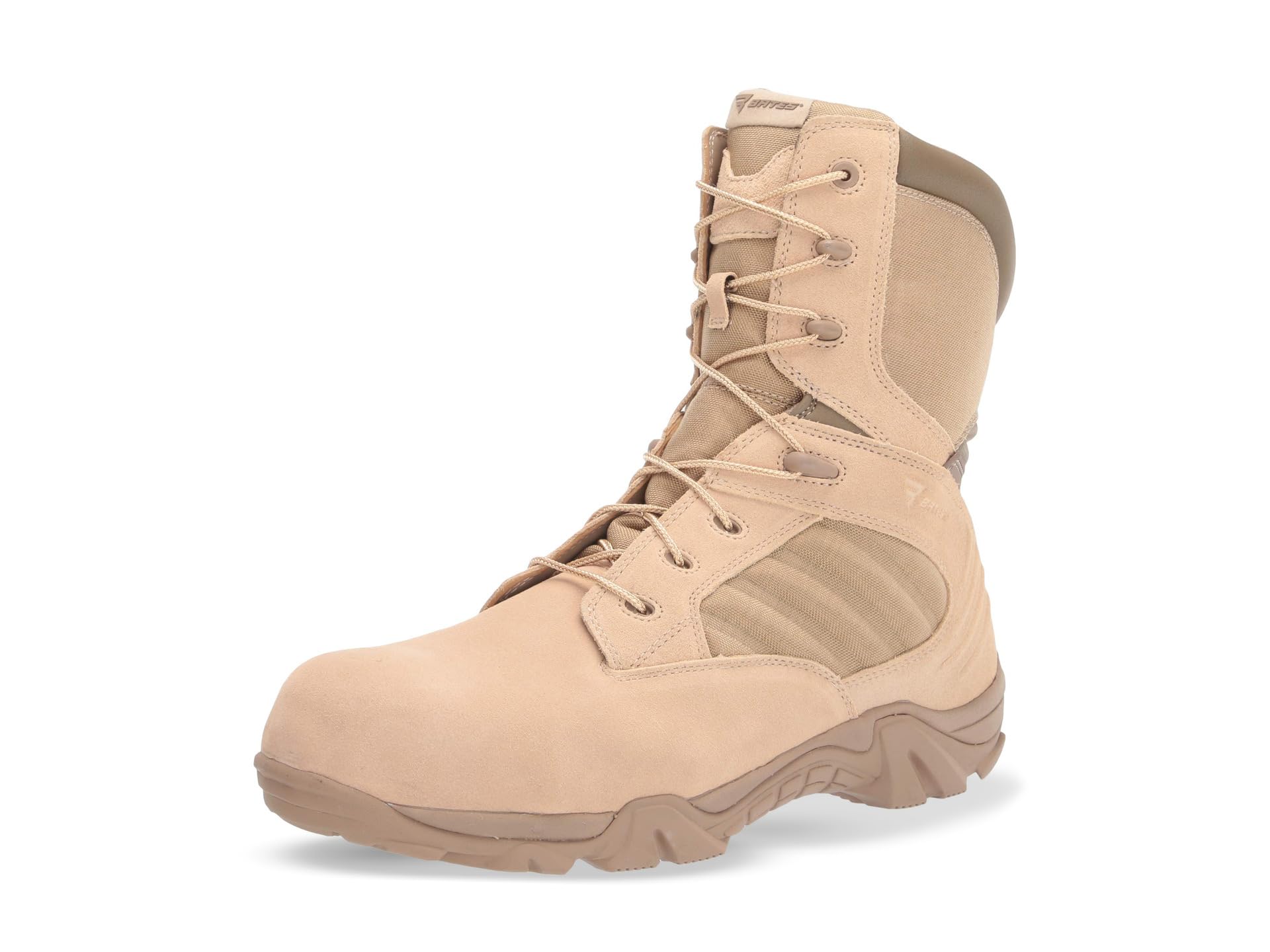


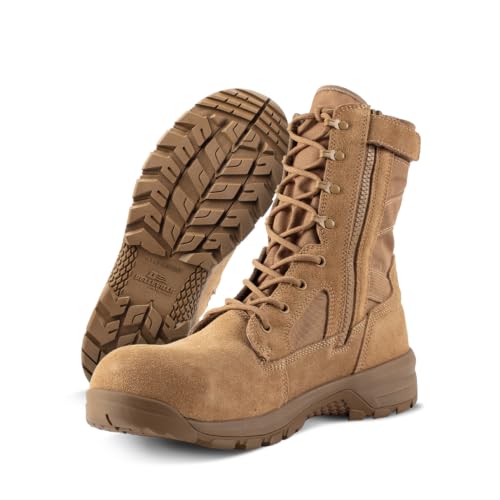

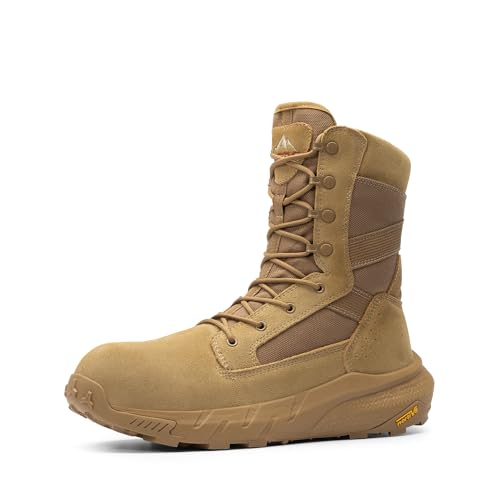


Who Should Buy Composite Toe Military Boots?
Your job, uniform rules and daily surface decide whether a composite cap fits your work.
Service Members Who Need Toe Protection in Uniform
You face dropped tools, rolling loads and vehicle work during a normal shift, and your boots must still pass a uniform inspection. Look for an 8 inch height, an approved coyote or tan color, and a plain toe with no extra stitching across the cap. A composite cap keeps a smooth profile and will not set off most entry detectors.
Maintenance and Airfield Crews Who Stand All Shift
You spend long hours on concrete and need protection plus cushioning that lasts past midday. Prioritize a cushioned midsole, firm arch support and an outsole that grips wet or oily floors. If your shop allows other footwear on some days, compare options in our guide to the best composite toe work boots for shop floor models rather than field boots.
Guards and Support Staff Who Pass Through Detectors Daily
You clear security screening several times a day and walk long routes between posts. A composite cap contains no metal, so it usually passes screening without extra checks, and it feels lighter than a steel cap of the same rating. Choose a breathable upper for indoor heat and enough toe room for swelling late in a shift.
Key Features to Compare
Compare each boot in the same order, starting with certification and fit. A boot that fails either one is out.
Composite Toe Rating and Safety Certification
The cap should meet the recognized impact and compression standard for safety toe footwear in the United States. Look for the rating marked inside the boot, plus added codes for electrical hazard or puncture resistance if your job needs them. Composite caps use layered fibers set in resin, so they meet the standard without metal. If a listing shows no standard, treat the boot as fashion footwear.
Measure in Duty Socks: Length, Width and Cap Room
Measure both feet late in the day in your duty socks, because feet swell during a shift and your larger foot sets the size. Your toes should lie flat with about a thumb width of space ahead of the longest toe, and the cap edge should never press when you crouch or climb stairs. Width matters as much as length, since a narrow cap rubs even in the right length.
Weight and How Composite Compares With Steel
A composite cap usually weighs less than a steel cap in the same size boot, and it does not conduct heat or cold the way metal can. Steel still suits buyers who want the thinnest cap profile, and you can compare that trade off in our guide to the best steel toe military boots. For most uniform roles, the lighter feel wins over a long shift.
Outsole Traction and Terrain Grip
The outsole turns effort into grip, so match lug depth and rubber to your surface. Deeper, widely spaced lugs shed mud and bite on gravel and grass, while shallower lugs grip wet concrete and smooth floors with less noise. Look for oil and slip resistant ratings for fuel or maintenance areas.
Cushioning, Arch Support and Heel to Toe Drop
Cushioning absorbs repeated impact on concrete, while arch support controls how your foot rolls under load. Most duty boots have a modest heel to toe drop. Flat feet often feel better with firmer support, while high arches often need more cushion under the heel. Stop and seek medical care for numbness, sharp pain or swelling that does not settle, and talk with your clinician about personal needs if pain keeps returning.
Breathability, Waterproof Membranes and Upper Durability
Uppers usually pair leather with strong nylon panels. Full leather sheds scuffs and holds its shape, while nylon panels cut weight and improve airflow on hot days. A waterproof membrane such as Gore Tex keeps rain out and lets some vapor escape, but it feels warmer and dries slowly once soaked. Check stitching at flex points, because those seams fail first.
Types of Composite Toe Military Boots Compared
Boot types differ mainly in weather protection and weight, not in toe safety, since every type should carry the same certification. When readers ask which pair counts among the best composite toe military boots for daily duty, the answer starts with climate and surface. For the broader category view, see our guide to the best composite toe boots.
Standard Eight Inch Duty Boots for Mixed Terrain
This is the default choice for garrison and field rotations. You get ankle coverage that meets most uniform rules, a balanced midsole and lugs that handle pavement, gravel and short grass. Prices often sit at about $120 to $200. Choose this type if your week mixes office floors, motor pool concrete and outdoor formations.
Waterproof Composite Toe Military Boots for Wet Climates
A sealed membrane and a gusseted tongue keep feet dry during rain, wet grass and wash down work. The trade off is heat, so these boots feel warm in summer and dry slowly after a full soak. Expect to pay about $160 to $250 for a well built pair. Choose this type if dry feet matter more than airflow.
Lightweight Hot Weather Boots for Long Patrols
These boots use more nylon, thinner linings and lighter midsoles to cut fatigue on long walks and hot pavement. Compare the lightest options in our guide to the best lightweight composite toe boots if low weight is your top priority. The lighter build wears faster on rough ground, so save it for patrol, training and travel.
Pre Order Checks for Uniform Ready Safety Toe Boots
Answer each point honestly before you order, and treat vague safety claims or missing size charts as warning signs. Any no answer means you should keep looking.
- Is the toe rating printed inside the boot?
- Do the height, color and toe style match your current uniform rules?
- Did you measure both feet late in the day in duty socks?
- Can your toes lie flat inside the cap without touching its edge?
- Does the lug pattern match your main surface, mud, concrete or mixed ground?
- Do you need a waterproof membrane, or will breathable panels serve you better?
- Does the return policy allow an indoor fit trial on clean floors?
Common Mistakes to Avoid
Each mistake below costs comfort, compliance or safety, and each one is easy to prevent before you buy.
- Ordering your running shoe size without measuring in duty socks leaves your toes pressing the cap late in a shift.
- Ignoring uniform height and color rules gets an otherwise good boot rejected at inspection.
- Assuming a toe rating alone covers electrical hazards leaves you unprotected where a separate electrical hazard rating is required.
- Wearing brand new boots on a long ruck or march invites blisters and sore arches before the materials soften.
- Trusting a product photo instead of the printed rating leaves you with a cap that may meet no safety standard.
Care and Maintenance for Composite Toe Military Boots
Brush dirt from the upper after duty and wipe salt or mud from the leather. Remove the insoles, loosen the laces and let the boots air dry at room temperature away from heaters and direct sun, because high heat can crack leather and weaken adhesives. A second rotating pair gives each boot a full day to dry.
Inspect the toe area, seams and outsole lugs each week. Retire a boot when lugs wear smooth on your main surface or when the midsole stays compressed and hard under load. Store clean boots upright in a dry place, away from fuel and solvents.
FAQ
How should composite toe military boots fit?
Composite toe military boots should feel snug at the heel and midfoot with clear space ahead of your toes. Use a heel lock lacing pattern on first wears, since tying the top eyelets in a loop can stop heel lift without crushing the forefoot. Walk down a ramp during your trial, because toes that touch the cap on descents will bruise on long days.
How long is the break in period for composite toe military boots?
Most composite toe military boots soften over about one to two weeks of regular wear. Build up gradually with short shifts first, then add longer days once hot spots fade. The toe cap itself never softens, so pressure at the cap means the size or width is wrong, not that you need more time. Tape on early hot spots can prevent blisters while the upper adapts.
Can you wear composite toe military boots all day?
Yes, you can wear composite toe military boots all day when the fit and support match your feet. Change into dry socks at midday if your feet sweat heavily, because damp socks increase friction and chill. A brief walk or calf stretch during breaks helps on standing posts. If one area rubs daily, adjust lacing or insoles early instead of pushing through pain.
How often should you replace composite toe military boots?
Replace composite toe military boots when support, grip or protection declines, often after about 500 to 800 miles of walking or a year of daily duty. A heavy impact on the cap is different, since that boot should leave service right away even if it looks fine. Mark your start date near the tongue label with a pen, so timing rests on use, not guesswork.
The Bottom Line
Start with certification and fit, then choose weather protection and weight for your climate and surface. Compare your finalists in the product table above, and you will see why the best composite toe military boots earn that label through daily comfort and verified protection, not bold claims on a box.


