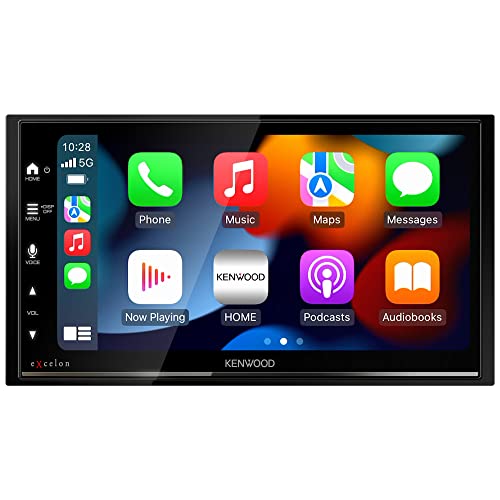
Best Car Speakers Without Amp 2026: Clear Sound From a Standard Head Unit
Disclosure: We may earn a commission when you buy through links on this page, at no extra cost to you. As an Amazon Associate I earn from qualifying purchases. Learn more

Efficient speakers make the most of a factory radio. Learn how sensitivity, size and fit decide the best car speakers without amp.
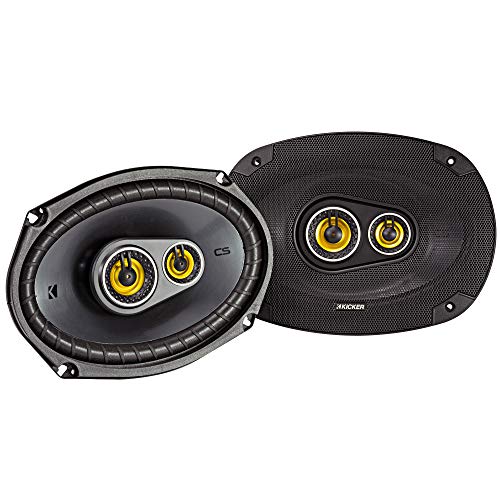
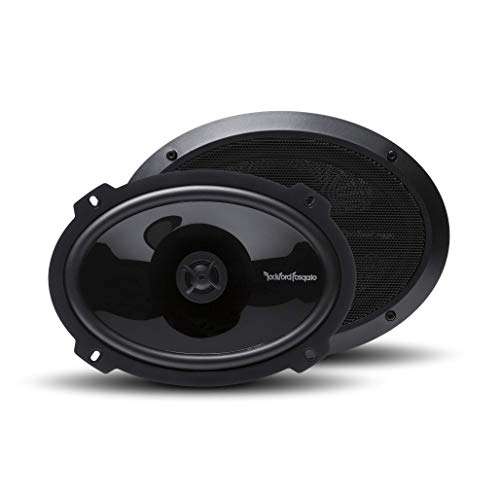
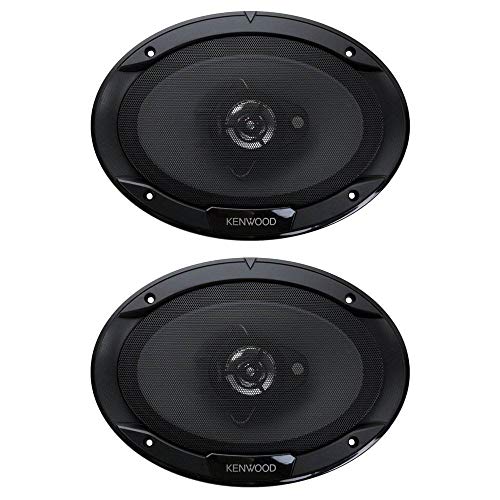
A factory head unit has a small built in amplifier, and not every speaker can make good use of it. The best car speakers without amp are the efficient ones: they turn a few clean watts into real volume, so you get clearer and fuller sound without running power cable to the trunk. The product table above lists options that suit that job.
This guide explains how much power a radio really delivers, which specs show whether a speaker will cope with it, and how to avoid the common mismatch of buying an amplifier hungry speaker for a stock stereo.



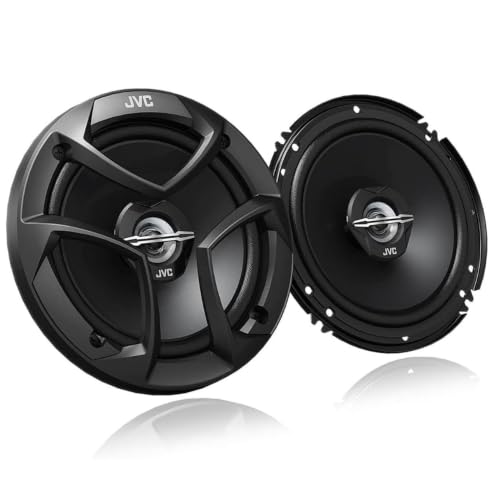


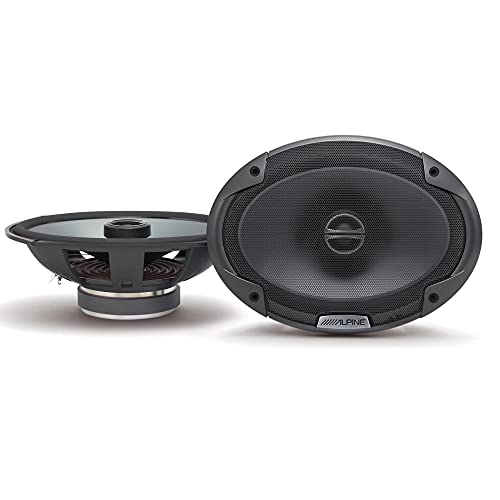
How Much Power a Head Unit Really Has
Head unit makers like to quote a large peak figure, but the continuous power per channel is far smaller, commonly in the range of 15 to 25 watts on a typical factory or entry level radio. That modest output is enough for efficient speakers, yet it leaves a hungry speaker sounding dull and quiet no matter how well it is built.
Think of the radio as a limited fuel tank. A speaker that wastes little of it plays loud and lively, while one that needs a lot of it barely wakes up. Choosing for efficiency first is the single most useful rule when no amplifier is involved.
Specs That Predict Good Sound on Radio Power
Sensitivity
Sensitivity states how loud a speaker plays from one watt, and higher is better here. A rating around 90 decibels or more usually means the speaker reaches a comfortable level from head unit power. Each extra decibel makes a noticeable difference at the volume you really use.
RMS Power Range
Look at the RMS range rather than the peak number. A speaker whose recommended range starts low, so that a radio's output falls inside it, will behave well. A speaker that lists a high minimum is designed for an amplifier and belongs in a different build.
Impedance
Most car speakers are 4 ohms, and most factory systems expect that. Some premium factory packages use lower impedance speakers, so confirm what your system uses before you order a replacement.
Choosing a Layout and Size
Coaxial speakers are the natural choice for radio power. They are efficient, they install in the factory opening, and the built in tweeter keeps wiring simple. Component sets can sound clearer, but many are less sensitive and are happier with an amplifier behind them, so check their ratings before pairing them with a stock radio.
Size changes the character. Larger cones, such as a 6x9, move more air and add body to the low end, while a round 6.5 inch speaker is the most common door size and gives balanced everyday sound. The guide to the best 6x9 car speakers without amp covers that larger oval format, and the guide to the best car speakers for bass without amp looks at the low end specifically.
Three Typical Situations
A commuter whose doors are worn out mostly needs clearer voices on the radio and podcasts. Efficient coaxial speakers in the factory size do that well, and the whole job can be finished in an afternoon. Spend the savings on adapters and a little sound deadening rather than on a bigger speaker.
A driver who plays music loudly on a factory radio faces a harder ceiling. The radio runs out of clean power before the speakers run out of capability, so choose the most sensitive pair you can find and accept that volume has a limit. Past that point, an amplifier is the honest fix.
An owner of a leased or older car often wants a reversible change. Choose a common size, order the matching harness, and keep the factory speakers in a labeled box so the car can be returned to stock without any trace of the upgrade.
Fit and Installation
Confirm the diameter and the mounting depth for each opening, and check that the tweeter will clear the door grille. Plug in harness adapters let you connect without cutting wires, which keeps the job reversible. Foam sealing rings or a strip of foam tape around the edge reduce leakage and rattles.
Most coaxial swaps take roughly an hour per pair with basic tools. Disconnect the battery first, fit one side, and listen before refitting the panel. If the doors contain airbags or a factory amplifier you do not understand, a professional install is a sensible cost.
Getting the Best From Radio Power
- Set bass boost and loudness controls to off at first, since boost adds distortion on limited power.
- Seal the speaker against the panel so air pressure works for you.
- Replace the front pair first; it makes the largest audible difference.
- Give new surrounds a few days of moderate listening before you judge the bass.
- Add door deadening if panels buzz, because rattles waste efficiency.
When an Amplifier Starts to Make Sense
If you want clean volume well above normal listening, choose component sets, or add a subwoofer, an amplifier becomes the better route. It also lets you use speakers with lower sensitivity and higher power handling, which often sound smoother at volume. Until then, a well chosen efficient pair is a simple and honest upgrade. The guide to the best car speakers with amp explains the other path.
Reading a Spec Sheet Quickly
When you meet a long listing, scan for three numbers in this order: sensitivity, the RMS range and the mounting depth. If any of the three is missing, treat that as a warning, because efficient speakers advertise their sensitivity and honest makers publish their dimensions. Then check the surround and cone materials, and finish with the warranty length.
Frequently Asked Questions
What should I compare first?
Start with sensitivity and fit. Efficient speakers sound louder and clearer on modest power, and a speaker that does not fit your opening is no use at any price. Brand and styling come last.
Will they fit my car?
They will if the diameter, depth and mounting pattern match your openings. Check each location separately, because front doors, rear doors and the rear deck often use different sizes. A fit guide for your exact trim is a good start, and measuring your current speaker settles the rest.
Is a higher wattage figure better?
Not on a factory radio. Peak numbers flatter almost every speaker. Continuous power that matches the radio, together with high sensitivity, predicts daily loudness far better.
Do I need professional installation?
Usually not. A coaxial swap with the right harness is a manageable home job. Consider a shop if your car has door airbags, unusual wiring or a factory amplifier.
How long do speakers last on radio power?
Often five to ten years. Rubber surrounds and moisture resistant cones last longest. Playing the radio into distortion is the quickest way to shorten that life.
Final Thoughts on Car Speakers Without Amp
For a stock stereo, efficiency matters more than size, brand or peak power. Pick speakers with high sensitivity, a radio friendly RMS range and a verified fit, then compare them in the table above.
Chosen on those terms, the best car speakers without amp will give you clearer voices and fuller music with no extra wiring, and they leave room to add an amplifier later if you want more. Compare the best car speakers without amp in the table above one last time before you order.