Best Component Speakers under 500: Tuning, Power and Fit for 2026
Disclosure: We may earn a commission when you buy through links on this page, at no extra cost to you. As an Amazon Associate I earn from qualifying purchases. Learn more

Component speakers under 500 for tuned car systems: how to judge voicing, power handling and fit, and what to budget around the speakers.
At a $500 ceiling, component speakers range from polished factory upgrades to serious gear for amplified and tuned systems. This guide to the best component speakers under 500 explains what the money buys at this level, how to judge a set, and what to plan around the speakers so the system sounds as good as it can.
Fit and power matching come before sound preferences, because a set that fights your doors or your amplifier will disappoint however good the drivers are. Use the product table above to compare sets that fit.


What You Get at This Level
The best component speakers under 500 differ from cheaper sets mainly in refinement and tuning range.
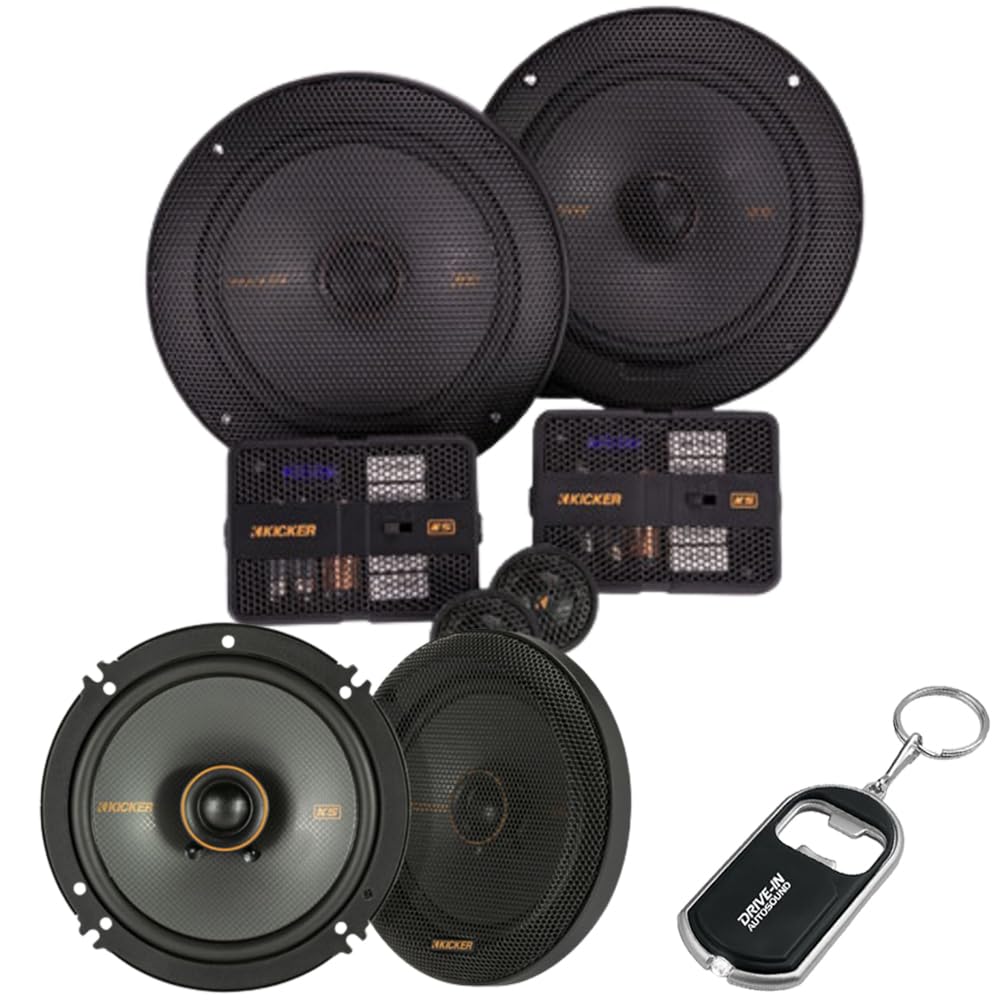
Under $500 you can expect high quality drivers, refined crossovers with several settings, and power handling suited to a strong amplifier. Cone materials are stiff and light, tweeters sound smooth at volume, and baskets are rigid enough to resist flex. A few sets offer audiophile style tuning with metal or beryllium style tweeters and external crossovers built from better parts.
Door woofers still do not reach the lowest octave with authority, so plan a subwoofer if you want it. Also plan installation costs, because quality drivers deserve a quality mount.
How to Judge a Set
Voicing and Tweeter Character
Good sets keep voices natural, resolve quiet detail, and stay composed in loud choruses. Choose between smooth soft dome tweeters and brighter metal domes based on your taste and your cabin, and look for a crossover with several tweeter levels so you can adjust after listening.
Power Handling
Honest RMS ratings matter more than peak figures. Match your amplifier to the RMS rating and leave some headroom so a loud passage does not push the speaker into distortion.
Size, Depth, and Mounting
Confirm woofer diameter, depth, and tweeter mounting options against your vehicle. At this level a sealed, rigid baffle, speaker pods, or angle adapters can make a big difference in the sound.
Documentation
Sets that publish driver parameters let an installer or processor tune them accurately. That is useful at this price because guesswork is the enemy of a well tuned system.
Planning the Rest of the System
An amplifier with clean power lets these speakers show their composure and detail, and a processor or head unit with time alignment can sharpen imaging when tweeters are mounted off axis. Door deadening, a good seal, and secure wiring protect the investment. Budget a few hundred dollars around the speakers for these parts, or for an hour of professional setup, because tuning time often improves sound more than stepping up another price tier.
If you drive an SUV or truck with a large cabin, favor higher sensitivity so the system fills the space without straining the amplifier. Long commutes and hot climates call for robust surrounds and voice coils that shed heat.
Making the Most of a Premium Set
At this level the speakers rarely limit the sound, so the installation does. A rigid baffle, tweeter pods angled toward the listener, and a sealed rear wave all help. Test several tweeter positions on temporary mounts before drilling or gluing, and listen at normal volume with music you know well.
If your head unit or processor offers time alignment, set the delay for each speaker so that the sound from the near side arrives at the same moment as the far side. The result is a stable center image, with vocals appearing in front of you instead of leaning toward the driver's door.
Finally, give the set time. Suspensions loosen over the first hours of playing, and your ears also adjust, so reassess the tweeter level and equalizer after a week before making large changes.
Who Should Stay Below This Tier
If you drive a noisy older car with an unsealed door and a head unit with no equalizer, a mid priced set plus deadening will give you more audible benefit than spending the full $500 on the speakers. Premium drivers reveal flaws in the rest of the system, so spend where the weakest link is. Likewise, if you rarely play music above conversation level, the extra headroom of a premium set is wasted.
Two Way, Three Way, and Specialty Sets
This budget opens up sets that are hard to find lower down. Three way component kits dedicate a driver to the midrange, which can make voices more natural when the system is loud. Slim designs fit shallow doors, and 6 by 9 inch component sets suit larger openings. A few sets are sold as full bundles with a matching rear coaxial pair, which saves hunting for matching tone.
Whichever layout you choose, confirm that the crossover is easy to reach. Being able to adjust the tweeter level without removing a door panel is a small convenience that you will appreciate during tuning.
Buyer Checklist
- Does the woofer size and mounting depth match my door openings?
- Is there a sensible place to mount the tweeters near ear height?
- Does the set's RMS rating match my head unit or amplifier output?
- Does the crossover offer at least one tweeter level adjustment?
- Have I budgeted for adapters, mounting rings, and door treatment?
- Is the warranty at least one year, with a clear return window?
Warning Signs
Walk away when peak power is advertised loudly while RMS ratings are missing. Be wary of response claims with no tolerance, features a passive speaker cannot have, and vague sizing information, because fit problems appear after the return window closes. Very short warranties are another red flag.
Looking After the Set
Recheck the mounting screws after the first month, since door vibration can loosen them. Clean grilles and tweeter domes gently with a soft brush, and keep the factory speakers in case you sell the car.
Questions Buyers Ask at $500
Can you get a good component speaker under $500?
Yes. This budget reaches genuinely high quality sets, provided the installation matches. Honest RMS ratings, usable crossover adjustment, and documented driver parameters matter most.
Is professional tuning worth it?
Often. An hour of expert setup can improve the sound more than stepping up another price tier.
Do I need a subwoofer?
For the lowest octave, yes. Door woofers handle midbass but do not reproduce deep bass with authority.
Are three way sets better at this price?
They can be, if you have space and an amplifier. A good two way set remains easier to place and tune.
Should I buy components or a full bundle?
If your rear doors also need speakers, a front component set plus matching coaxials is a sensible bundle. Otherwise spend the budget on better front speakers and installation.
Wrapping Up
Run the checklist, respect fit and power matching, and the best component speakers under 500 for your build becomes a clear choice. Compare your finalists in the product table above and keep money aside for installation and tuning.