
The Best Amp for Component Speakers: Buying Guide and Checklist for 2026
Disclosure: We may earn a commission when you buy through links on this page, at no extra cost to you. As an Amazon Associate I earn from qualifying purchases. Learn more

What to check when choosing the best amp for component speakers: channel count, RMS power, crossovers and wiring for clean car sound.
Component speakers separate the woofer and tweeter so each can sit in its best spot, but a factory head unit rarely gives them the power they were built for. Choosing the best amp for component speakers adds the clean watts and crossover control that let that careful design actually pay off.
This guide replaces vague advice with concrete checks: channel count, RMS matching, crossover settings, and wiring quality. Whether you run one front set or front and rear sets plus a sub later, the comparison table below and the sections that follow will help you buy once and install with confidence.


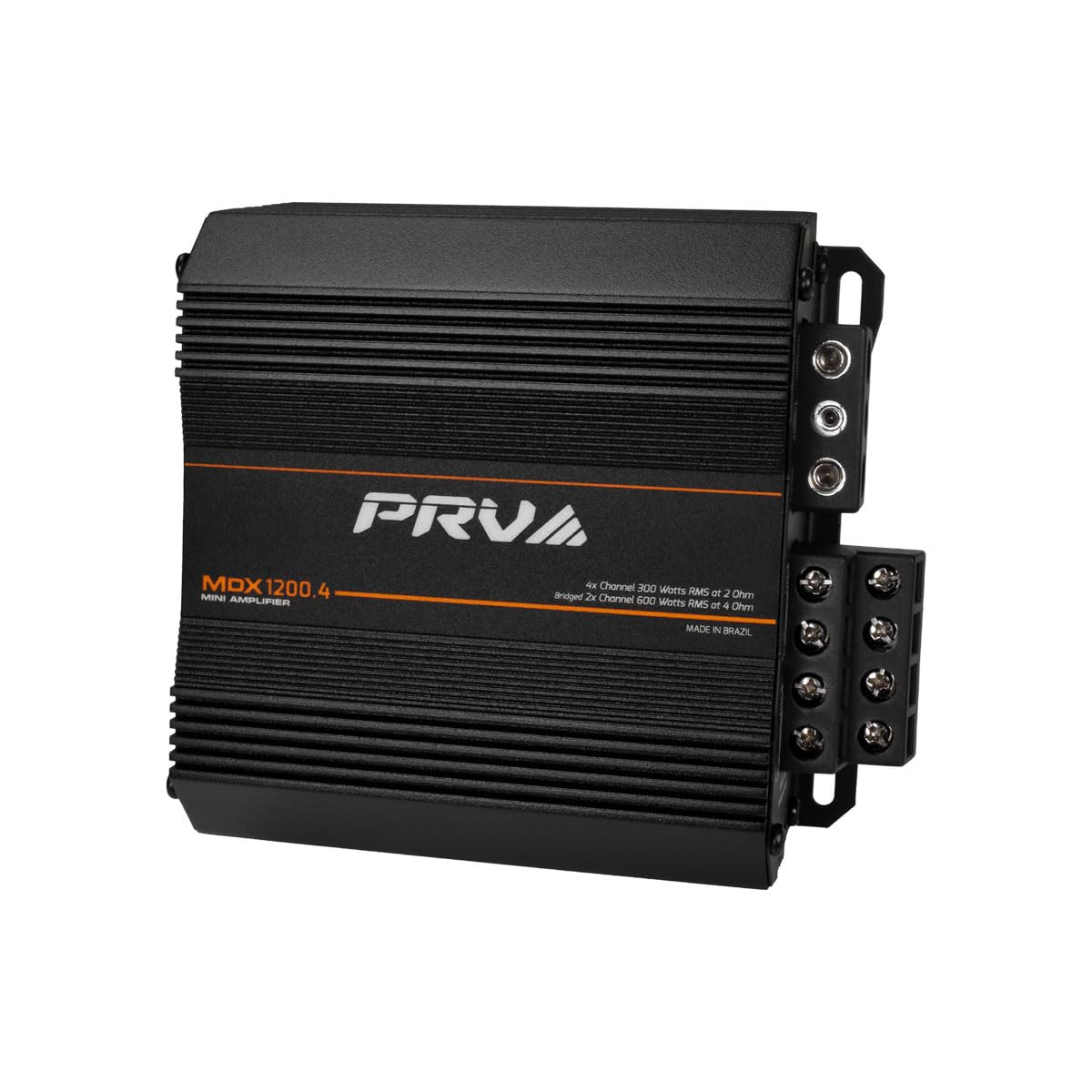
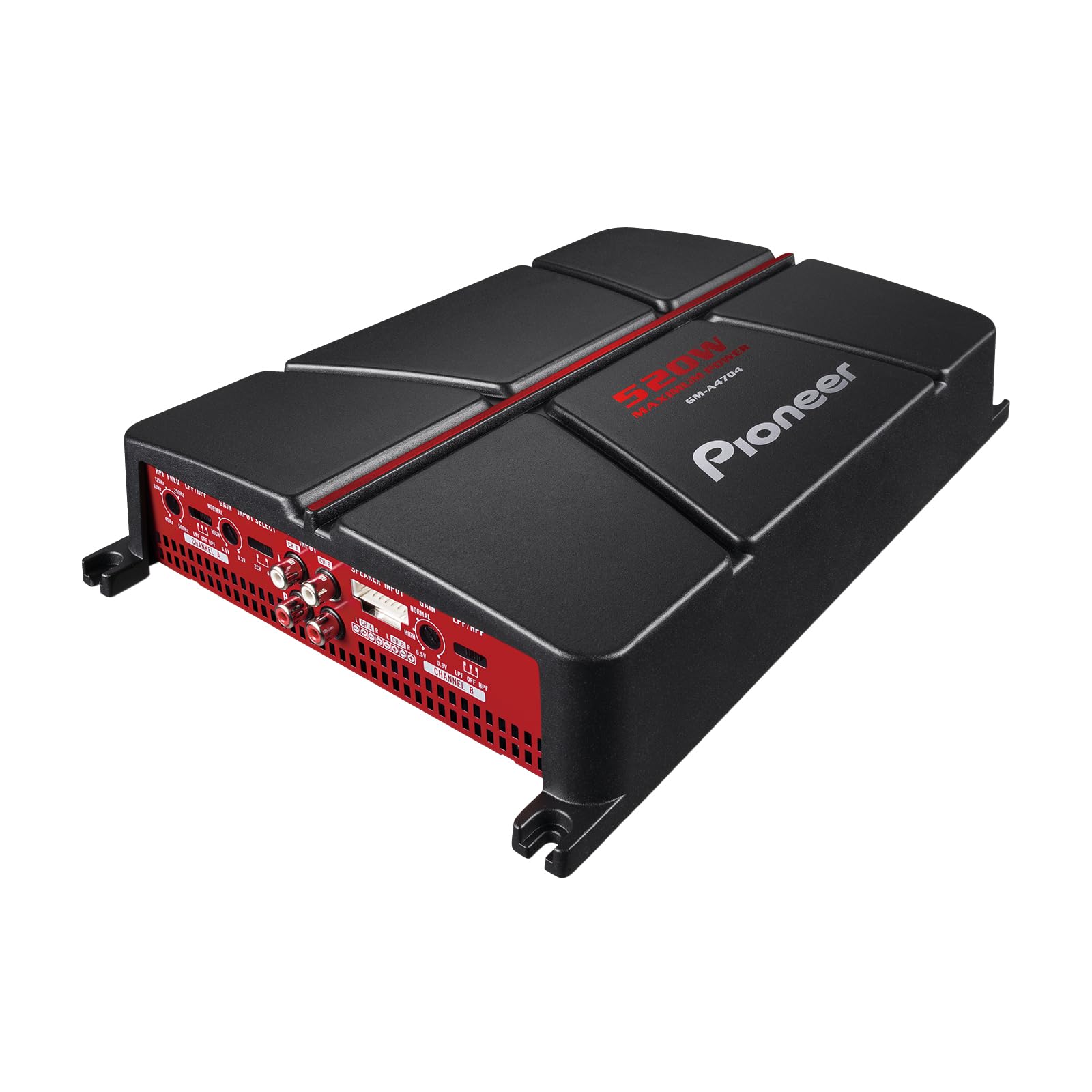

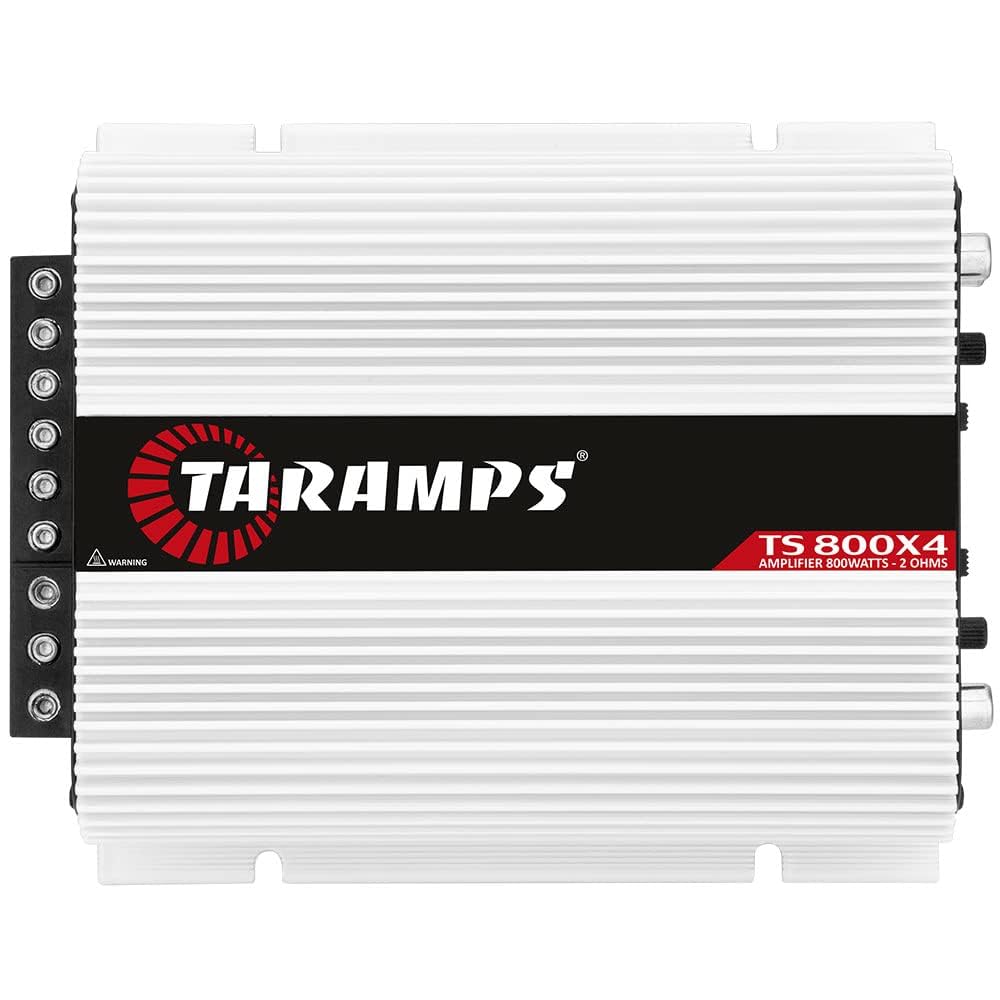


Choosing by Buyer Type: A Criteria Checklist
Instead of chasing named models, judge every option in the product table above against the checklist that matches your goal. Each profile below lists who it suits, the specs to demand, and the compromise to accept.
Overall Profile
The strongest all round profile is a four channel Class D amp with about 75 to 100 RMS watts per channel at 4 ohms, flexible crossovers, and both RCA and speaker level inputs. It suits drivers who want one amp that runs a front component set now and can bridge rear channels for a small sub later. Strengths include clean headroom at highway volume and a compact body that fits under a seat. The compromise is price, since flexible crossovers and honest power cost more than basic units. If your budget allows one careful purchase, this is the profile to fund.
Value Profile
A value profile centers on a compact four channel amp with about 50 to 75 RMS watts per channel, fixed or simple crossovers, and a clean signal sensing turn on feature. It suits commuters upgrading from factory power on a sensible budget. Strengths are easy install, low current draw, and sound that still transforms component speakers compared with head unit power alone. The compromise is tuning depth, because simple crossovers give you less control over tweeter blend and door woofer rolloff. Spend the savings on sound deadening in the doors, which often improves midbass more than extra watts would at this level.
For Beginners Profile
A beginner friendly profile favors a two or four channel amp with clear markings, clip or protection indicators, and a maker who publishes a plain setup guide. Power around 50 RMS watts per channel is forgiving while you learn gain setting. It suits first time installers who will mount everything themselves over a weekend. Strengths include simple wiring and controls you cannot set wildly wrong. The compromise is growth room, since a small amp may be replaced if you add rear speakers and a sub later. Readers weighing whether to amp at all can compare with our guide to the best component speakers without amp to see what head unit power alone delivers.
How to Choose: Buying Guide
Features That Matter for Component Speakers
Component sets include an external crossover that splits signal between woofer and tweeter, so your amp mainly needs clean full range power and the right channel count. Two channels run one front set, four channels run front and rear sets, and a five channel amp adds a sub channel. Match RMS output to the set rating, commonly about 50 to 100 RMS watts per side. Confirm the amp accepts your source signal, either RCA outputs or speaker level inputs from a factory head unit, because that choice decides whether you also need a converter.
Sound Quality and Tuning
Tuning a component set is about balance. Set the amp high pass crossover around 70 to 90 Hz for door woofers so deep bass does not muddy the midrange, then use the passive crossover tweeter level switch, often offering steps such as 0 or a few decibels down, to tame brightness. Aim tweeters toward the listening area where the design allows, because placement shapes treble more than any equalizer band. Keep gain conservative and let headroom, not boost, create loudness. Done well, vocals sit centered and stable instead of smeared across the dash. Enthusiasts comparing sets by voicing will find our guide to the best sounding component speakers useful before they spend on power.
Durability and Water Resistance
Car amps need no IP rating for normal cabin or trunk installs, but they do need protection from moisture, heat, and vibration. Mount the amp on a firm surface away from trunk leak paths and never under a spot where water pools. In doors, the speakers and crossovers face the wet side of the car, so use the factory vapor barrier correctly and keep crossovers mounted high and dry. A compact Class D amp runs cooler in tight spaces, which helps under seats with limited airflow. Secure every wire so vibration cannot chafe insulation over months of driving.
Noise Control and Isolation
There is no ANC in a car amp, so noise control means preventing hiss, whine, and rattles. Alternator whine usually traces to poor grounds or signal cables run beside power wire, so ground the amp to clean bare metal and route RCA cables on the opposite side of the car. Door rattles masquerade as speaker problems, and a few pieces of deadening material plus firm woofer mounting often fix them. Tight, rattle free doors let component woofers play midbass cleanly, which is a large part of why you bought them. Treat the install as part of the product.
Ecosystem and App Features
Some modern amps add digital signal processing with an app for crossovers, time alignment, and equalization per channel. That control can lift a component system noticeably, because you can align arrival times from each speaker to your seat. The trade off is setup time and a learning curve, and beginners may prefer simple knobs. If you choose a processing amp, save a flat baseline preset before experimenting, so you can always return to a known good sound. Firmware updates through the app can add features, so check for updates after install rather than before.
Types of Amps
Outdoor and Rugged Models
Rugged in car audio usually means compact amps built to tolerate heat and tight mounting, plus marine rated models for open vehicles. A marine amp with coated boards suits a convertible, a side by side, or any car with a leaky trunk. For a normal closed car, standard build quality and good ventilation matter more than weather sealing. Choose rugged construction when your environment is genuinely harsh, not as a default upgrade.
Wired Models
Every serious component system is wired, with power from the battery, signal from the head unit, and speaker wire to each woofer, crossover, and tweeter. Wired delivery is why amped components sound so much stronger than any wireless shortcut could. The quality of that wiring, especially power gauge, ground integrity, and secure speaker connections, decides whether the amp you bought performs at its rating. Plan wire paths before you order parts.
How to Make Your Amp Last Longer
- Keep firmware updated. If your amp uses an app or processing software, install updates that fix bugs and improve stability.
- Protect the install. Use secure mounting, tidy loomed wiring, and a fuse fitted near the battery as the manual directs.
- Clean connections yearly. Check terminals for corrosion, retighten grounds, and confirm speaker wires have not loosened with vibration.
- Avoid max volume for long sessions. Sustained clipping heat stresses both amp and tweeters. Back off at the first edge of harshness.
- Keep vents clear. Do not bury the amp under luggage or carpet. Airflow is the cheapest reliability upgrade there is.
- Store your settings. Photograph crossover and gain positions after tuning, so you can restore them after any battery work. Drivers comparing complete packages may also like our guide to the best car speakers with amp for system level planning, and the general matching rules in our guide to the best amp for speakers.
Frequently Asked Questions
What features matter most in amps for component speakers?
Channel count and honest RMS power matter most, matched to your set rating at 4 ohms. Flexible high pass crossovers come next, because door woofers need protection from deep bass. Inputs that suit your head unit, factory or aftermarket, decide install cost. The amps owners keep longest add headroom, so the system stays clean at real road speeds.
What IP rating do I need for outdoor use?
A closed car needs no IP rating for its amp. If the vehicle is open to weather, such as a convertible that lives outside or an off road build, choose a marine rated amp with coated boards and sealed controls instead of trusting a number alone. Keep the amp mounted high and dry either way, and protect door crossovers from the wet side of the door.
How long does the battery last?
The amp runs from the car battery and alternator, so there is no separate battery life figure. With the engine running, a typical four channel setup is no burden on a healthy charging system. With the engine off, loud listening drains the battery steadily, so limit parked sessions. Efficient Class D amps stretch that parked time compared with older designs of equal power.
Wired or wireless: which sounds better?
Wired is the only real option for powering component speakers, and it sounds better by design. Speaker wire carries full powered signal to woofers and tweeters through their crossovers with no compression or delay. Wireless may describe how music reaches your head unit, but the amp and speakers stay wired. A mini amp can even suit tight installs, as our guide to the best mini amp for speakers explains for small systems.
Wrapping Up
Match channels to your speaker sets, RMS watts to their ratings, and crossovers to door woofer duty. Add careful wiring and gain setting, and component speakers reward you with clarity that factory power cannot reach. Compare your finalists in the product table above, buy the profile that fits your goals, and enjoy the drive. For most drivers, the right best amp for component speakers is the one that makes every mile sound calmer, clearer, and more alive.


