
Best 6x8 Speakers Without Amp 2026: A Practical Guide
Disclosure: We may earn a commission when you buy through links on this page, at no extra cost to you. As an Amazon Associate I earn from qualifying purchases. Learn more

Sensitivity, fit, and impedance checks to help you choose the best 6x8 speakers without amp for a factory radio.
Finding the right best 6x8 speakers without amp option comes down to efficiency, because without an external amplifier your head unit supplies all the power, and only a sensitive speaker turns that modest power into full, clear sound. Check the sensitivity rating first, confirm the oval fit for your doors, and make sure the power rating suits a head unit rather than a high power amplifier.
The comparison table below shows the main options side by side, and this guide explains how sensitivity, impedance, cone design, and installation affect the result. You will learn why some speakers sound thin on head unit power, how to avoid common fit problems, and when adding an amplifier later still makes sense.


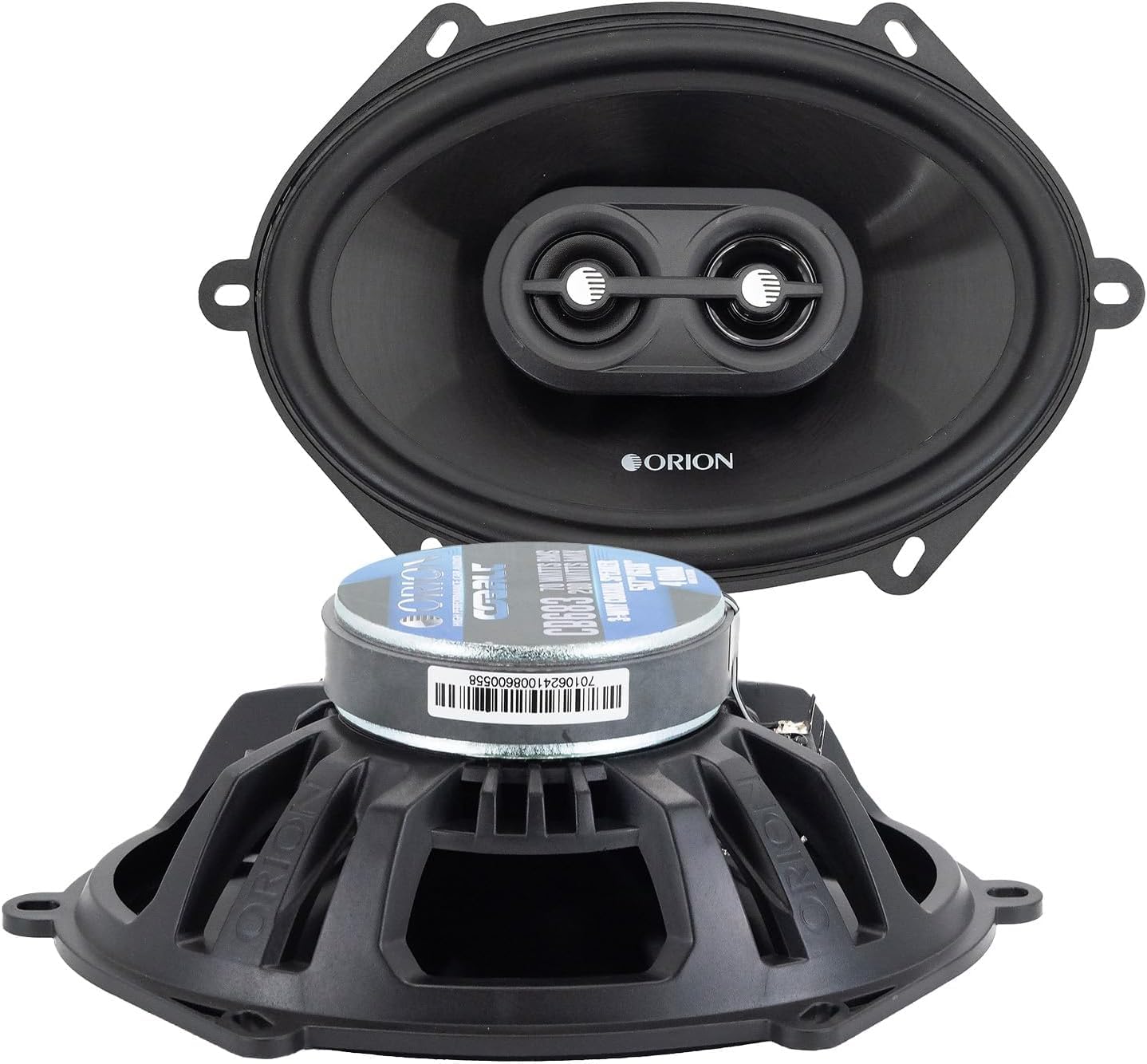


Who Should Buy the Best 6x8 Speakers Without Amp
This choice suits drivers who want a clear sound upgrade without the cost, wiring, and space of an external amplifier. Many cars already use a 6x8 oval opening in the doors or rear deck, so a direct replacement keeps the install simple and reversible. If you mostly listen to music, podcasts, and calls at normal volume, a well chosen pair can transform a dull factory system.
It also suits leased cars and older vehicles where major wiring changes feel risky or wasteful. You keep the factory head unit and wiring, swap the speakers, and enjoy better clarity straight away. Only drivers who listen very loud, want deep bass, or run a full multi speaker system will feel the limits of head unit power sooner.
Sensitivity And Power Matching
Sensitivity, usually quoted in decibels, tells you how loud a speaker plays from a small amount of power, and it is the single most useful number for this purchase. A speaker rated around 90 decibels or higher will sound noticeably fuller on head unit power than a less sensitive model, even if the less sensitive model handles more power on paper. Power handling still matters for safety, but it should not outrank sensitivity here.
Impedance also plays a part, because most head units expect a 4 ohm load and deliver their rated power into that load. A speaker with much lower impedance can strain a head unit, while a much higher impedance speaker will play quieter than expected. Stick to the impedance your head unit supports, and keep the volume at a level where the sound stays clean rather than pushing into distortion.
Fit For Oval Openings
A 6x8 speaker is an oval, so measure both the long and short axes of the opening plus the mounting depth before you order. Some vehicles use a 6x8 opening with a different screw pattern, and adapter plates can bridge that gap, but depth remains a hard limit near window mechanisms and door bracing. Check the grille clearance too, because a tweeter that sits proud of the frame can foul a door panel.
Dry fit before you refit panels. Place the speaker in the opening, check that it sits flat, and confirm that the window moves freely through its full travel. A speaker that rocks or presses against moving parts will buzz, and that buzz often gets blamed on sound quality when the real cause is a poor fit.
Sound Balance On Modest Power
On head unit power, balance matters more than sheer loudness. Look for a speaker with a smooth midrange for voices, a tweeter that stays clear without harshness, and a cone that gives useful midbass without needing huge power. A two way design with a well tuned crossover often sounds more coherent than a busy multi way design on modest power, because each driver receives a cleaner share of the signal.
Bass expectations should stay realistic. An oval 6x8 cone moves more air than a small round speaker, so it can deliver satisfying punch in a car cabin, but it will not reproduce deep sub bass. Sealing the mounting surface, adding a foam gasket, and damping rattling panels all improve bass and clarity without any extra power, and they cost far less than an amplifier.
When An Amplifier Still Makes Sense
Even a speaker chosen for head unit use can benefit from an amplifier later, if you decide you want more headroom or cleaner sound at higher volume. An amplifier does not just make sound louder; it gives the speaker better control, especially in the bass, and it reduces the distortion that appears when a head unit runs near its limit. Plan the speaker choice so it can grow with the system if you think you may upgrade.
For now, keep the install simple and enjoy the improvement. If distortion appears at your normal listening volume, turn the volume down rather than forcing the head unit harder, and consider an amplifier as a planned upgrade rather than an emergency fix. That staged approach spreads the cost and lets you judge each change on its own merits.
Related Guides Worth Reading
For nearby choices, see best speakers without amp, best car speakers without amp, best 6x9 speakers without amp, and best marine speakers without amp.
A Final Check Before You Order
Before you order, double check the sensitivity rating and the impedance against your head unit, since those two numbers decide how the speaker performs without an amplifier. A sensitive speaker with the right impedance sounds full on modest power, while a power hungry model will sound thin no matter how good its reputation. Confirm the oval dimensions and mounting depth too, because adapter plates fix diameter gaps but never fix a depth clash.
After fitting, check at low volume with familiar music and listen for clean voices and firm midbass before refitting panels. If the sound distorts at your normal volume, reduce bass boost and check the mounting seal, since a leaking seal thins bass and tempts you to push the volume harder. A careful install usually delivers the improvement you hoped for without any extra equipment.
Frequently Asked Questions
Will 6x8 speakers sound good without an amplifier?
Yes, when you choose a sensitive model matched to head unit power, because sensitivity decides how much sound a small amount of power produces. Look for a rating around 90 decibels or higher, keep the impedance at the level your head unit expects, and seal the mounting surface well. The result should sound fuller and clearer than factory speakers at normal volume, even though very loud listening still benefits from an amplifier.
What sensitivity rating should I look for?
Aim for about 90 decibels or higher, since each small increase in sensitivity makes a real difference on modest power. A speaker rated at 93 decibels plays noticeably louder than one rated at 87 decibels from the same head unit, without any extra strain. Compare ratings measured the same way where possible, and treat sensitivity as more important than maximum power handling for a system without an amplifier.
Do I need to change the wiring?
Usually not, because a direct replacement uses the factory wiring and connectors, with an adapter harness if the plug differs. Check that the factory wire gauge suits the speaker and that connections stay firm, since a loose connector causes cutting out that looks like a speaker fault. If you add an amplifier later, that is the time to upgrade wiring, because the amplifier draws more current than a head unit.
Can I mix 6x8 speakers with other sizes?
Yes, many cars already mix sizes, with oval speakers in the rear and round speakers in the front, and the system still sounds balanced when each speaker suits its position. Keep the front pair matched as a set, since mismatched front speakers pull the sound image to one side. Rear speakers matter less for imaging, so they can differ in size, but try to keep their tone broadly similar to avoid a disjointed sound.
Why do my new speakers distort at high volume?
Distortion usually means the head unit is running out of clean power, not that the speakers are faulty, and pushing further only adds harshness and risks damage. Turn the volume down until the sound cleans up, reduce heavy bass boost, and check that the speaker sits firmly without panel rattles. If clean volume still falls short of your needs, an amplifier with power inside the speaker rating is the right next step.
Final Thoughts
Choose a sensitive 6x8 speaker that fits your openings, matches your head unit impedance, and seals well into the panel. The product table above lets you compare the main options on those practical points before you buy.
With the right match, head unit power alone can deliver clear voices, punchy midbass, and an enjoyable daily drive without extra boxes or wiring. Check at low volume after fitting, and consider an amplifier only if you later want more clean headroom. That is how you choose the best 6x8 speakers without amp for your needs.


