Best Component Speakers for Car: Fitment, Power and Tuning for 2026
Disclosure: We may earn a commission when you buy through links on this page, at no extra cost to you. As an Amazon Associate I earn from qualifying purchases. Learn more

Component speakers for car use: how woofer size, tweeters, crossovers and door fitment affect clear sound on the road.
Upgrading to the best component speakers for car use is one of the most effective ways to improve road sound, because separate woofers and tweeters can be placed where each performs best. A woofer low in the door handles midrange and bass, while a small tweeter near ear height keeps voices and detail clear. The comparison table below can help you compare sizes and layouts before you order.
This guide explains component layouts, crossover choices, power needs, and door fitment in plain terms. It focuses on daily driving, from podcasts in traffic to music on long trips, so you can judge speakers by how they behave in a noisy cabin rather than in a quiet showroom.




How Component Speakers Differ From Coaxial Speakers
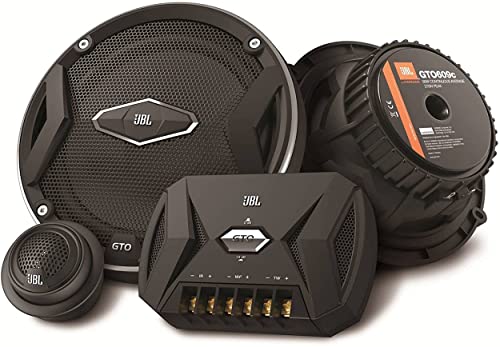
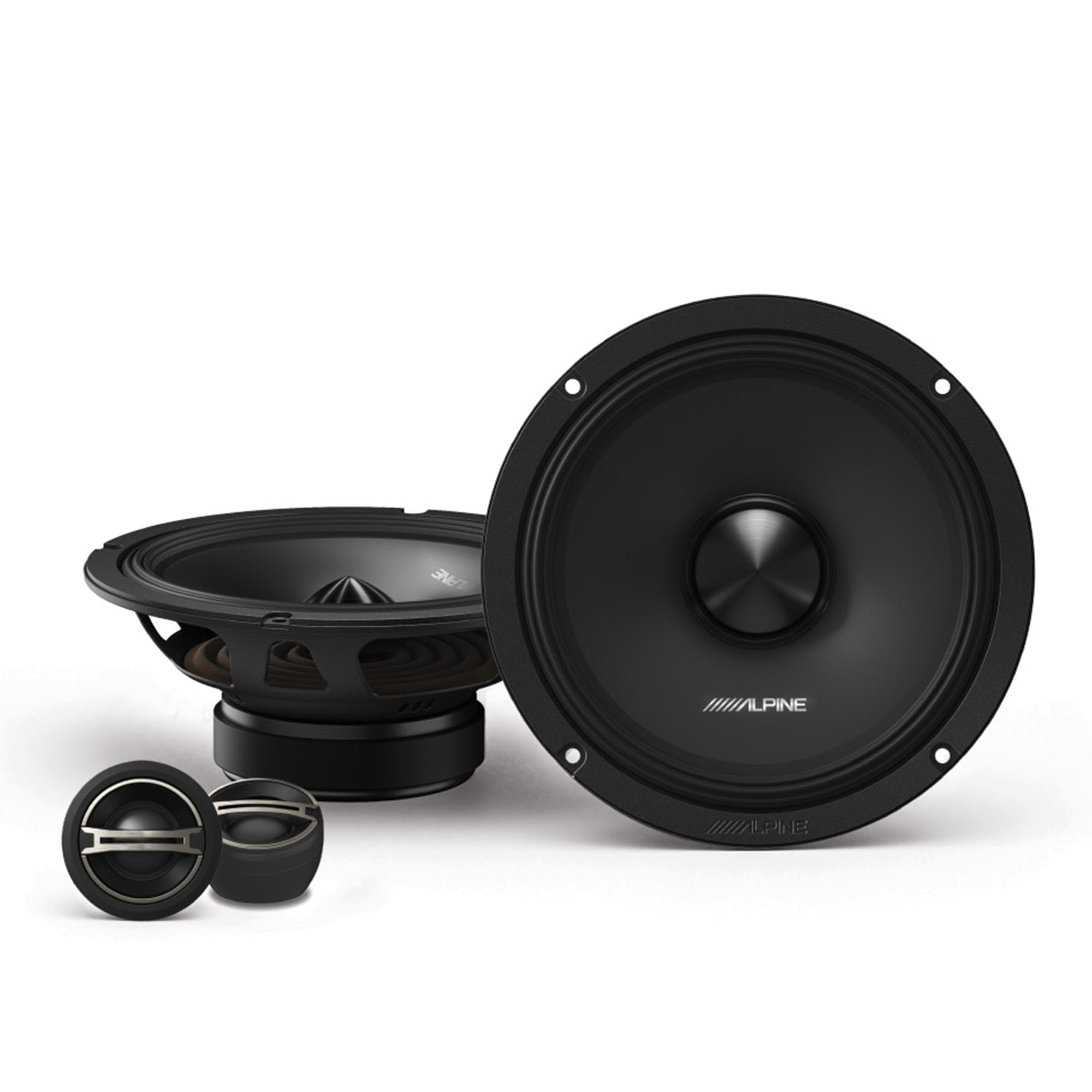
A component set separates the woofer, tweeter, and crossover into distinct parts, while a coaxial speaker stacks the tweeter onto the woofer. Separation lets you aim the tweeter toward your ears, which improves stereo imaging and vocal clarity. It also lets each driver work in its best range without sharing a single mounting point.
The trade off is installation complexity. Component sets need a place for the crossover and a sensible tweeter location, such as a sail panel or dashboard corner. If your car already has factory tweeter spots, the upgrade is simpler, so check your door panels and pillars before you choose a set.
Woofer Size, Tweeter Type, and Crossovers
Woofer size must match your door openings, and common car sizes include compact 4 inch units for tight doors and larger units where space allows. A larger woofer reaches lower notes, but a well designed smaller woofer with a good seal can still sound satisfying for daily listening. Measure mounting depth too, since a deep magnet can foul window mechanisms.
Tweeter material shapes the top end, with soft dome tweeters usually sounding smoother and metal domes sounding brighter. The crossover divides frequencies between woofer and tweeter, and a well tuned crossover keeps voices natural through the handover region. For sound focused comparisons, best car component speakers for sound quality can help you weigh clarity against warmth.
Power, Sensitivity, and Your Head Unit
Factory head units deliver modest power, so sensitivity matters for a simple speaker swap. A higher sensitivity speaker plays louder from the same power, which suits listeners who do not plan to add an amplifier. If you already run an amplifier, you can favor power handling and control over raw sensitivity.
Check the continuous power rating rather than the peak figure, and match the amplifier output sensibly to the speaker rating. Overpowering with clean power is usually safer than underpowering and driving an amplifier into distortion. For overall car audio context, best car audio component speakers can help you compare component sets within a wider car audio plan.
Fitment, Doors, and Sound Deadening
Door fitment decides whether the best component speakers for car use actually sound great in your own vehicle. Adapter rings, correct mounting depth, and a solid seal around the woofer all prevent lost bass and rattles. Check window travel, door card clearance, and tweeter depth before you buy, since returns after trimming panels are rarely simple.
Sound deadening around the door skin reduces panel vibration and road noise, letting the speaker work with less effort. You do not need to cover every surface to gain a benefit, and a modest treatment behind the woofer often improves midbass noticeably. If you drive a small car, best 4 inch component car speakers can help you find compact woofers that fit tight doors.
Tuning for Voices, Music, and Road Noise
Road noise masks bass and detail, so a car system needs a different balance from a home system. Set tweeter level to keep voices clear without harshness, and use a gentle bass lift at low volumes if your head unit offers loudness compensation. Avoid boosting treble to fight tire noise, since that quickly becomes fatiguing.
Listen with your usual sources at highway speed before judging a set, because a speaker that impresses while parked can disappear at speed. Podcasts and calls reveal midrange clarity, while familiar music reveals bass control and stereo width. For general car speaker comparisons, best sounding car speakers can help you place component sets beside simpler coaxial options.
Budget and Installation Choices
Budget for installation as well as speakers, especially if tweeter pods, adapter rings, or wiring are needed. A professional fitting can save damaged door cards and ensure crossovers sit safely away from moisture. If you fit speakers yourself, photograph the factory wiring first and keep clips and screws organized by door.
Think about future upgrades too. A component set that works well from a factory head unit now can still benefit from an amplifier later, so you do not need to buy everything at once. For the best sounding component context, best sounding component speakers can help you compare sets by listening character rather than by price alone.
A Final Check Before You Order
Check your car fitment guide for door depth, tweeter location, and adapter ring needs, since every model differs. A speaker that fits a similar car may still clash with your window mechanism or door card clips, so model specific guidance beats general advice. Photograph your factory speakers and wiring before removal to simplify refitting if needed.
Keep factory parts and packaging until you are sure the upgrade suits you, because returning a set after modifying door panels is rarely simple. Protect your hearing too: with tweeters near ear height, long drives at high volume tire the ears long before they impress anyone.
Frequently Asked Questions
Are component speakers worth it over coaxial speakers?
Component speakers are worth it when you value stereo imaging and vocal clarity, since separate tweeters can sit near ear height. Coaxial speakers are simpler to fit and still sound good, especially in rear doors or budget upgrades. Choose components for the front seats where imaging matters most, and simpler speakers where it matters less.
Do I need an amplifier for component speakers?
You do not always need an amplifier, because many component sets are designed to work from a factory head unit. An amplifier adds control, volume headroom, and bass authority, especially at highway speeds. Start with the speakers alone if your budget is tight, and add an amplifier later if the sound still feels strained.
Where should car tweeters be placed?
Car tweeters usually work best in factory sail panels, dashboard corners, or upper door locations that point toward your ears. Avoid aiming both tweeters at the windshield, since reflections can smear the stereo image. Small angle adjustments make a noticeable difference, so test positions before final fixing.
What size component speakers fit my car?
The correct size depends on your door openings, mounting depth, and window clearance, so check a fitment guide for your exact model before ordering. Adapter rings can solve many size mismatches, but depth problems are harder to fix. Measure twice, and confirm tweeter fitment as well as woofer size.
Will component speakers improve phone calls?
Component speakers can improve phone calls because clearer midrange and better tweeter placement make voices easier to follow. Road noise still limits call quality, and microphone placement matters too. For the best result, combine good speakers with a sensible volume level and a quiet cabin setup.
Final Thoughts
A good component upgrade starts with fitment, then woofer and tweeter balance, then sensible power matching. Measure your doors, choose a tweeter position that suits your ears, and judge the result at real driving speeds rather than only while parked.
Use the product table above to compare component sets side by side, then choose the best component speakers for car use for your vehicle and your listening habits. A well fitted set will make every journey clearer, from morning calls to long weekend drives.