
Best 6x8 Component Speakers: A First Time Buyer's Guide for 2026
Disclosure: We may earn a commission when you buy through links on this page, at no extra cost to you. As an Amazon Associate I earn from qualifying purchases. Learn more

A plain English guide to the best 6x8 component speakers: how crossovers and tweeters work, what to check, and which mistakes to avoid.
Buying car speakers for the first time can feel like learning a new language. Component, coaxial, crossover, RMS, sensitivity: each term changes what you hear and what you should pay. This guide explains the best 6x8 component speakers in plain steps, from what the parts do to how to match them to your car and your power source.
Use the comparison table below for a quick scan of sizes and price tiers. Then read on to learn which specs deserve your money and which ones you can safely ignore as a new buyer.

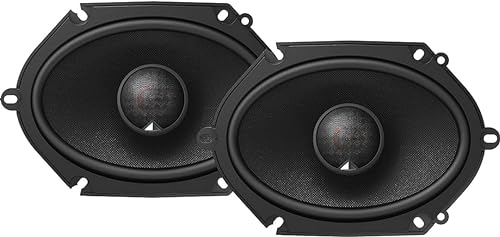
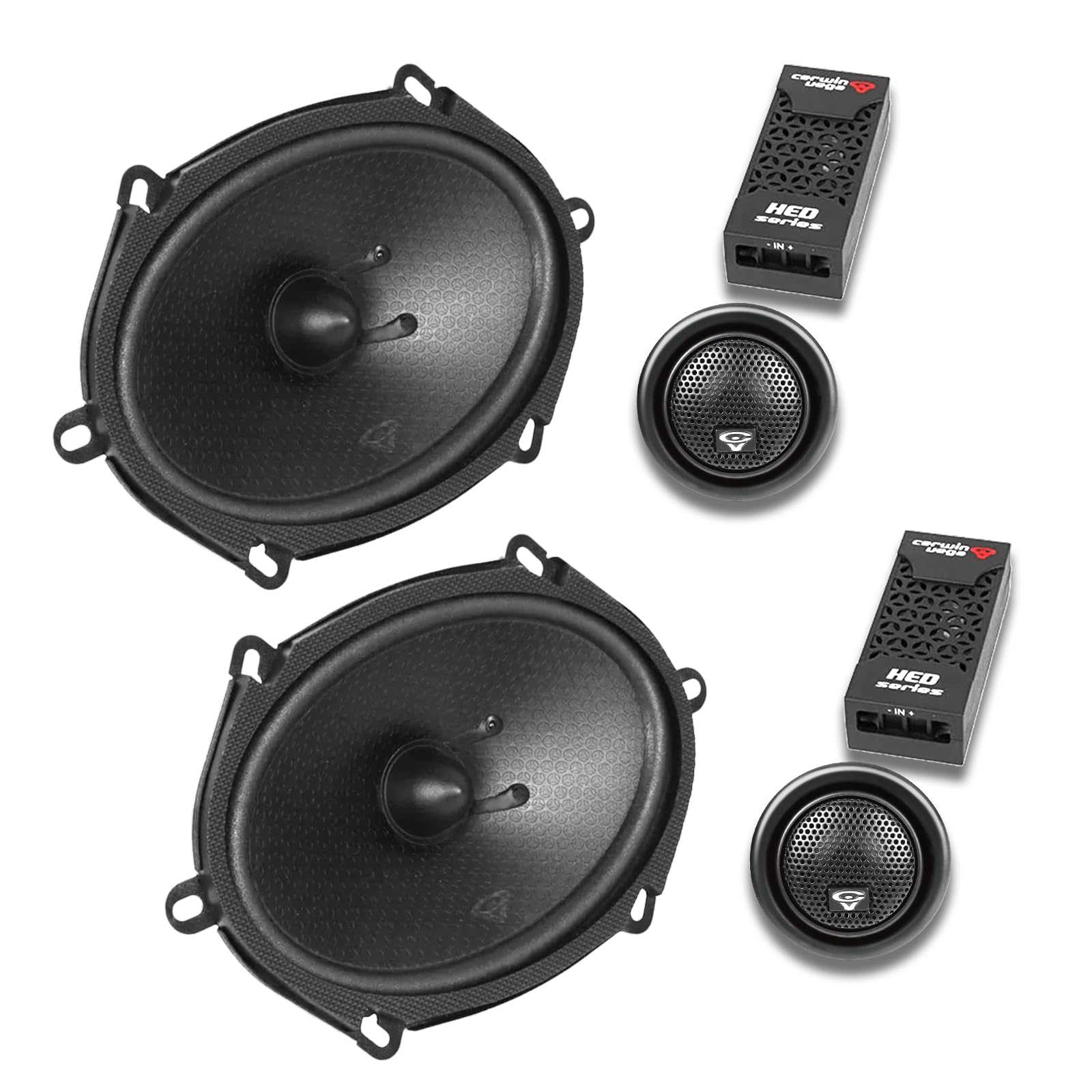

The Basics of the Best 6x8 Component Speakers
A component speaker set splits the job of making sound into separate parts. The woofer handles low and midrange notes from its door location, the tweeter handles high notes from a higher spot, and the crossover sends each driver only the frequencies it plays best. That separation is the main advantage over a coaxial speaker, where the tweeter sits in front of the woofer in one unit.
The 6x8 size fits many Ford, Mazda, and other factory openings that also accept 5x7 speakers. Because the tweeter can sit near ear level on a door top or A pillar, voices and instruments sound as if they come from in front of you rather than from your ankles. The trade off is install time. You will mount more parts and run more wire than with a simple coaxial swap.
If you are still weighing the format itself, our broader guide to the best component speakers for car systems explains when components beat coaxials and when they do not.
Key Specs Explained in Plain English
Sound Quality and Tuning
Frequency response tells you the range a speaker can reproduce, often written like 45 Hz to 22 kHz. Lower first numbers suggest stronger bass potential, and higher second numbers suggest extended highs. Numbers alone do not promise quality, though. Driver materials shape tone: polypropylene woofers sound durable and balanced, while silk or soft dome tweeters tend to sound smooth. Metal tweeters can sound bright and detailed but may feel harsh in reflective car cabins. After install, use your head unit equalizer in small steps. Cut a harsh band by 2 or 3 dB before you boost anything else.
Head Unit Tuning and Processing
For car speakers, the ecosystem is your head unit, amplifier, and any digital signal processor you add. Many modern head units include phone apps for equalizer presets, time alignment, and crossover settings. Time alignment delays the nearer speaker slightly so sound from both sides reaches you together, which sharpens imaging. You do not need a processor on day one. Start with the controls you own, learn what each does, and add processing later only if you can name a problem it will solve.
Sound Deadening and Isolation
What matters in a car is isolation from road noise. Sound deadening on door metal, foam behind the woofer, and tight panel seals lower vibration and let quiet details through at lower volume. That is the real way to hear more without turning everything up. Good isolation also improves bass, because less energy is lost to rattling panels.
Placement in the Car
In a car, placement is one of the most important choices. Woofers belong in the factory door or rear locations where they have solid mounting and air space behind them. Tweeters should sit high and angled toward the listeners, commonly on the sail panel, A pillar, or upper door. Small changes in tweeter aim can shift the whole soundstage. Try temporary tape mounts and music you know well before you drill or cut anything permanent.
Door position also affects daily use. Our guide to the best 6x8 door speakers covers depth, window clearance, and bracket choices for common vehicles.
Power and Amplifier Matching
Component sets reward clean power. Match the amplifier RMS output per channel to the speaker RMS rating, use the crossover supplied, and set gains by ear at moderate volume. A head unit can drive efficient sets, but a small four channel amplifier gives the woofers control and keeps the tweeters clean at higher volume.
Crossover and Tweeter Level Settings
Most sets include a passive crossover with a tweeter level switch. Start at the middle setting, then lower the level if cymbals and voices sound sharp, or raise it if the door seems to swallow detail. Mount the crossover where it stays dry, and keep its wires clear of window parts.
Rookie Mistakes to Avoid
- Shopping by peak watts. Peak numbers are brief limits. Shop by RMS handling and sensitivity, which predict daily sound.
- Skipping the fit check. Confirm size, mounting depth, and tweeter space for your exact year and trim before you order.
- Mounting tweeters too low. High notes are directional. Low placement wastes the main benefit of a component set.
- Ignoring crossover settings. Use the crossover box provided, set tweeter level as the manual suggests, and never wire tweeters directly without protection.
- Expecting deep bass alone. A 6x8 woofer adds punch but is not a subwoofer. Plan one later if you want true low extension.
One more mistake deserves a warning. Playing new speakers at maximum volume on the first drive can distort and overheat voice coils. Raise levels gradually and stop when the sound hardens or smears, even if the volume knob has room left.
Getting Started: Setup and First Use
Begin by reading the manual for wiring order and crossover layout. Disconnect the negative battery terminal, remove one door panel, and dry fit the woofer with its bracket before you touch the second door. Run tweeter wire through existing door boots where possible, mount the crossover where it stays dry, and secure every wire so it cannot chafe or block window travel.
Once both sides play, set the head unit equalizer flat and listen to familiar tracks at moderate volume. Adjust tweeter level switches on the crossovers first, then make small equalizer changes. Keep notes on what you changed. Store spare clips, screws, and the manual together in case a panel comes off again later. If you want a simpler second vehicle upgrade later, compare what you learned with our guide to the best 6x8 speakers in coaxial form.
Listeners who care most about tone can also read our guide to the best sounding component speakers for tuning priorities, and bass focused buyers can check the best 6x8 speakers for bass before choosing woofer materials.
FAQs
Is sound deadening worth the extra cost?
Yes for most doors and rear decks. Deadening the outer skin and sealing the speaker to the panel cuts rattles and tightens midbass, often improving sound more than moving up one speaker price tier.
Coaxial or component: which sounds better?
Component sets give better imaging because the tweeter mounts higher, but they cost more and take longer to install. Coaxial pairs are simpler, cheaper, and the right choice for most factory upgrades.
How do I protect speakers from door moisture?
Choose treated or polypropylene cones and rubber surrounds, keep door drain holes clear, and fit a foam baffle or the factory water shield behind the speaker so rain running down the glass does not reach the cone.
Where should I mount the tweeters?
High on the door, the sail panel, or the A pillar, angled toward the listeners. Use temporary tape mounts first and move them until voices sound centered on the dash.
How long do component speakers last?
A well chosen set lasts roughly eight to ten years. Rubber surrounds and moisture resistant cones last longest, and a dry crossover location protects the electronics.
Wrapping Up
For a first component set, prioritize correct fit, honest RMS and sensitivity ratings, and tweeter placement you can actually achieve in your car. Those three choices decide most of what you will hear. Use the product table above to compare sets on those terms, and keep your budget in balance with install parts and deadening. Chosen with care, the best 6x8 component speakers turn a flat factory system into clear, front focused sound you enjoy on every drive.


