
Best Compact Waterproof Binoculars Made Simple: A Clear Buying Guide for 2026
Disclosure: We may earn a commission when you buy through links on this page, at no extra cost to you. As an Amazon Associate I earn from qualifying purchases. Learn more

Shopping for the best compact waterproof binoculars for the first time? Learn the key terms, compare specs, and avoid common rookie mistakes.
Buying your first pair of best compact waterproof binoculars can feel confusing, because the listings throw numbers, prism names, and coating terms at you with no plain explanation. This guide slows all of that down. It starts with what these binoculars actually do, then walks through the few specs that truly change what you see, how the pair feels in your hands, and how well it shrugs off rain.
By the end, you will know how to read a spec sheet, how to set the pair up, and which trade offs matter for your plans. Use the comparison table below to match the terms in this guide against real listings as you read.


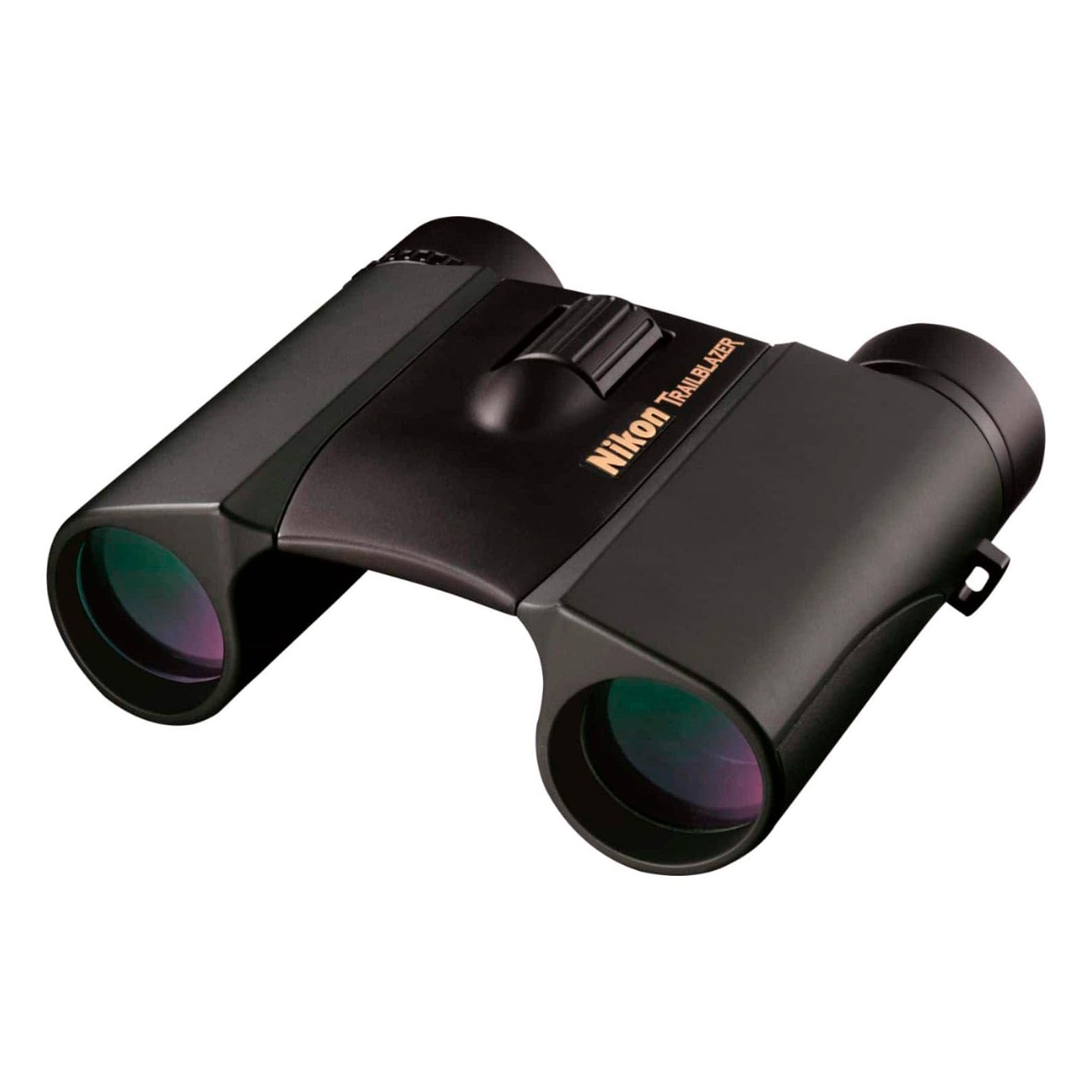


Compact Waterproof Binoculars 101: The Basics for New Buyers
A pair of binoculars is simply two small telescopes joined together, one for each eye. Light enters through the two large front lenses, called objective lenses, passes through glass prisms that flip the image the right way up, and reaches your eyes through the smaller eyepieces. Using both eyes also gives you a natural sense of depth.
The word compact describes size, not quality. Compact models use smaller objective lenses, usually 25 to 32 millimeters across, so the whole pair packs down to about the size of your hand and often weighs under a pound. That small size is why people choose them for travel, hiking, and a jacket pocket.
Waterproof means the barrels are sealed against water getting inside, usually with rubber rings at the joints. Many sealed pairs are also filled with dry nitrogen gas, which stops the inside glass from fogging when you step from warm air into cold air. A pair described only as water resistant may survive a light sprinkle, but not steady rain or a drop into a stream.
That mix of small size and sealed construction is the whole appeal. You give up some brightness compared with a large pair, because smaller front lenses gather less light at dawn and dusk. In return, you get a pair you will actually carry.
Who Should Buy Compact Waterproof Binoculars?
Travelers and Hikers Who Pack Light
If your binoculars compete for space with water, layers, and snacks, a compact pair is the sensible choice. It adds little weight on a climb, and the sealed body handles trail rain without worry. If packing light matters most, see our guide to the best compact binoculars for travel.
Birders and Wildlife Watchers on the Move
Birders who walk long loops benefit from a light pair that hangs comfortably for hours. Look for a wide field of view for finding moving birds quickly, and close focus short enough for butterflies. If you bird more than you travel, see our guide to the best compact binoculars for birding before deciding.
Hunters, Boaters, and Waterside Users
Anyone near water or in wet woods gets the most from the waterproofing. Rain and damp mornings are normal there, and a sealed, fogproof pair keeps working when an unsealed pair would cloud up inside. Hunters who glass from a stand in drizzle can also read our guide to the best compact binoculars for hunting.
Key Specs Explained in Plain English
The spec sheet looks technical, but only a handful of numbers decide whether a pair suits you. Those same numbers are what separate the best compact waterproof binoculars from pairs that disappoint in the field. For a second view of these same specs, see our guide to the best rated compact binoculars.
Magnification and Objective Lens Size
Every pair is labeled with two numbers, such as 8x25 or 10x32. The first number is magnification, so 8x makes a subject look eight times closer. The second number is the objective lens diameter in millimeters. Higher magnification also shrinks your field of view and magnifies hand shake, which makes the image wobble. Most new buyers are happiest at 8x, while 10x suits steady hands and open country. Bigger front lenses give a brighter image, yet they add size and weight, so 25 to 32 millimeters is the compact sweet spot.
Waterproof Seals and Fogproofing
True waterproofing depends on seals you cannot see. Look for wording that says the housing is sealed with O rings and purged with nitrogen or argon gas. Some listings add an IPX rating, where IPX7 generally means the pair can survive brief immersion in shallow water. Rubber armor helps with grip and bumps, but armor alone does not make a pair waterproof. If your outings center on serious rain and rough water, compare this class with our guide to the best waterproof binoculars, which covers larger sealed models as well.
Field of View, Eye Relief, and Close Focus
Field of view tells you how wide a scene you can see at a set distance, often listed in feet at 1,000 yards. A wider view makes subjects far easier to locate and follow. Eye relief is the distance your eye can sit from the eyepiece while still seeing the whole picture, and glasses wearers should look for about 14 millimeters or more. Close focus is the nearest distance the pair can focus on, and a figure around 6 to 8 feet lets you study insects, flowers, and museum details up close.
Prism Design and Lens Coatings
Prisms fold the light path so the pair stays short. Roof prisms sit in a straight line and give this class its slim barrel shape, which is why nearly every compact model uses them. Glass quality matters too, and terms like BaK 4 prisms and extra low dispersion glass point to a clearer, sharper image with less color fringing at the edges. Coatings reduce glare and lost light, so look for lenses described as fully multi coated, which means multiple coating layers on all air to glass surfaces for a brighter view.
Size, Weight, and Focus Wheel Handling
Two pairs with identical numbers can feel very different in your hands. Weight under about 12 ounces disappears on a neck strap, while a heavier pair starts to pull by midday. Check the focus wheel as well, because you will use it constantly. A large, smooth center wheel that turns with one finger lets you follow moving subjects, and it should still turn easily with light gloves on. Eyecups that twist or fold into set positions help everyone hold the pair at the right distance.
Rookie Mistakes to Avoid
- Choosing 12x magnification for power alone, then fighting constant image shake and a narrow view that makes subjects hard to find.
- Trusting the word waterproof on a pair that is only splash resistant, then watching the inside lenses fog during the first real rain.
- Ignoring eye relief while wearing glasses, then seeing only a small tunnel of the full picture through the eyepieces.
- Picking the smallest pair possible for travel, then finding it dim and hard to hold steady on a breezy boat deck.
- Forgetting to check close focus, then discovering the pair cannot focus on the garden birds just a few feet away.
Getting Started: Setup and First Use
Setup takes about five minutes and makes a lasting difference to how sharp the view feels. Start by attaching the neck strap so the pair rests on your chest, then set the distance between the barrels. Most compact pairs hinge in the middle, so fold them until the two circles of view merge into one clean circle with no dark edges.
Next, set the diopter, which is a small dial on one eyepiece that corrects for differences between your two eyes. Cover the right front lens, focus on a distant sign with the center wheel using your left eye only, then switch sides and turn the diopter until the same sign looks sharp through your right eye. From then on, focus with the center wheel alone.
Finish by setting the eyecups. Twist or fold them down if you wear glasses, and raise them if you do not, so your eyes sit at the right distance. Then practice on easy targets like rooftops or a backyard feeder, turning the wheel slowly past sharp focus and back. That habit teaches your hands the feel of the wheel before a fast moving subject tests you.
How to Make Your Compact Waterproof Binoculars Last Longer
Care for this product is simple. Rinse salt spray and grit off the outside with a gentle stream of clean fresh water, since rubbing dry grit across a lens can scratch it. Shake off the drops and let the pair air dry fully before you put the caps back on.
Clean the lenses only when they truly need it. Blow loose dust off first, then wipe in small circles with a clean microfiber lens cloth, never your shirt, which can drag grit across the coating. Keep the caps on in transit, carry the pair in its padded case, and store it in a dry spot rather than a hot car trunk.
Check the strap lugs and eyecups now and then for wear, and never open any part of the housing. If the view ever clouds from the inside, that points to a failed seal, and a maker repair is the right fix rather than home attempts that break the gas fill.
FAQs
Which compact waterproof binoculars work better in low light?
Models with larger objective lenses and moderate magnification work better in low light, so an 8x32 pair looks brighter at dawn than a 10x25 pair. The math behind it is the exit pupil, found by dividing the lens size by the magnification, and a larger number delivers more light to your eye. One extra tip is to look for fully multi coated lenses, since good coatings can matter as much as a small size increase when light fades.
Is a smartphone enough instead of compact waterproof binoculars for distant views?
A smartphone is not really enough for distant views, because phone zoom mostly crops and enlarges pixels rather than gathering more light and detail. Binoculars use real glass to magnify the scene, so feathers and sail numbers stay clear where a phone turns them into a blur. Phones also drain fast and dislike rain, while a sealed pair keeps working through a wet afternoon.
What specs matter most for beginners buying compact waterproof binoculars?
Magnification, objective lens size, and honest waterproof sealing matter most for beginners. Start with 8x power, a lens size between 25 and 32 millimeters, and clear wording about sealed, gas purged construction. One point spec sheets rarely stress is focus wheel travel, meaning how far the wheel turns from close focus to distance. A wheel that needs many turns feels slow on moving wildlife, so a quicker wheel is a quiet beginner friendly plus.
What do numbers like 8x25 and 10x32 mean on compact waterproof binoculars?
The first number is how many times closer the subject appears, and the second is the front lens width in millimeters. So 8x25 magnifies eight times with 25 millimeter lenses, while 10x32 magnifies ten times with wider, brighter 32 millimeter lenses. A useful extra check is weight, because two pairs with the same numbers can differ by several ounces, and the lighter one is the pair you will carry all day.
How much should you spend on your first pair of compact waterproof binoculars?
Most first time buyers do well spending around $100 on a first pair. Very cheap pairs often cut corners on seals and lens coatings, while spending a bit more buys real nitrogen purged waterproofing and noticeably clearer glass. One smart move is to reserve a little of the budget for a comfortable harness strap and a better case, since comfort and protection matter more than a small spec jump.
Final Thoughts
Keep your decision simple. Choose 8x power for a steady, wide view, pick a lens size that balances brightness against the small carry size you want, and insist on genuine sealed and fogproof construction rather than splash resistance. Set the diopter once and keep the glass clean and capped.
When you are ready to compare listings, go back to the product table above with those three checks in mind, and the best compact waterproof binoculars for your plans should stand out quickly. Prices and availability can change, so check the product page before ordering.


