
Best Compact Treadmills for Walking: What Actually Matters Before You Buy for 2026
Disclosure: We may earn a commission when you buy through links on this page, at no extra cost to you. As an Amazon Associate I earn from qualifying purchases. Learn more

Compare the best compact treadmills for walking with a clear checklist on belt size, motor power, folding storage, noise, and weight capacity.
A compact treadmill only earns its space if you can walk on it comfortably every day and store it without a struggle. This checklist helps you judge best compact treadmills for walking by belt size, stride room, motor strength, noise, and storage, rather than by headline claims alone.
Start with your room, your stride, and how many hours a week you plan to walk. Then compare the options in the comparison table below against the thresholds in this guide, so a small footprint does not come at the cost of stability or safety.
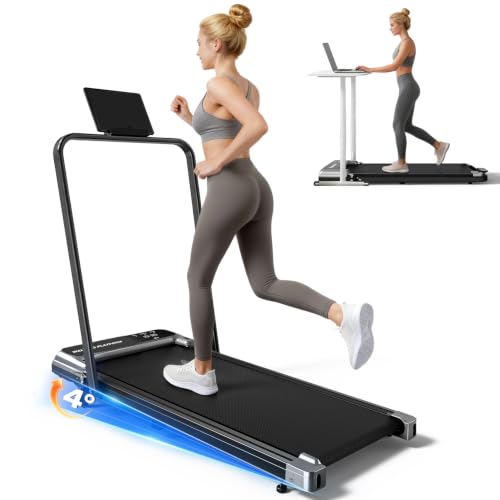
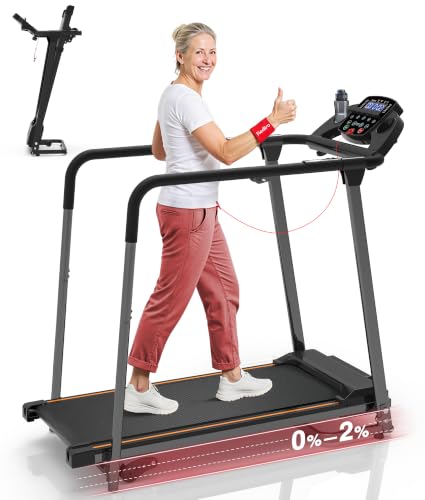


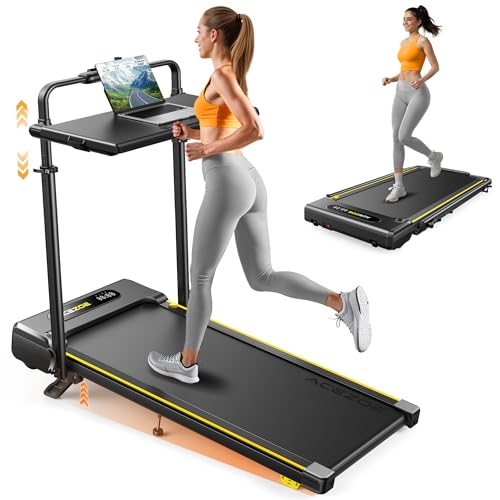
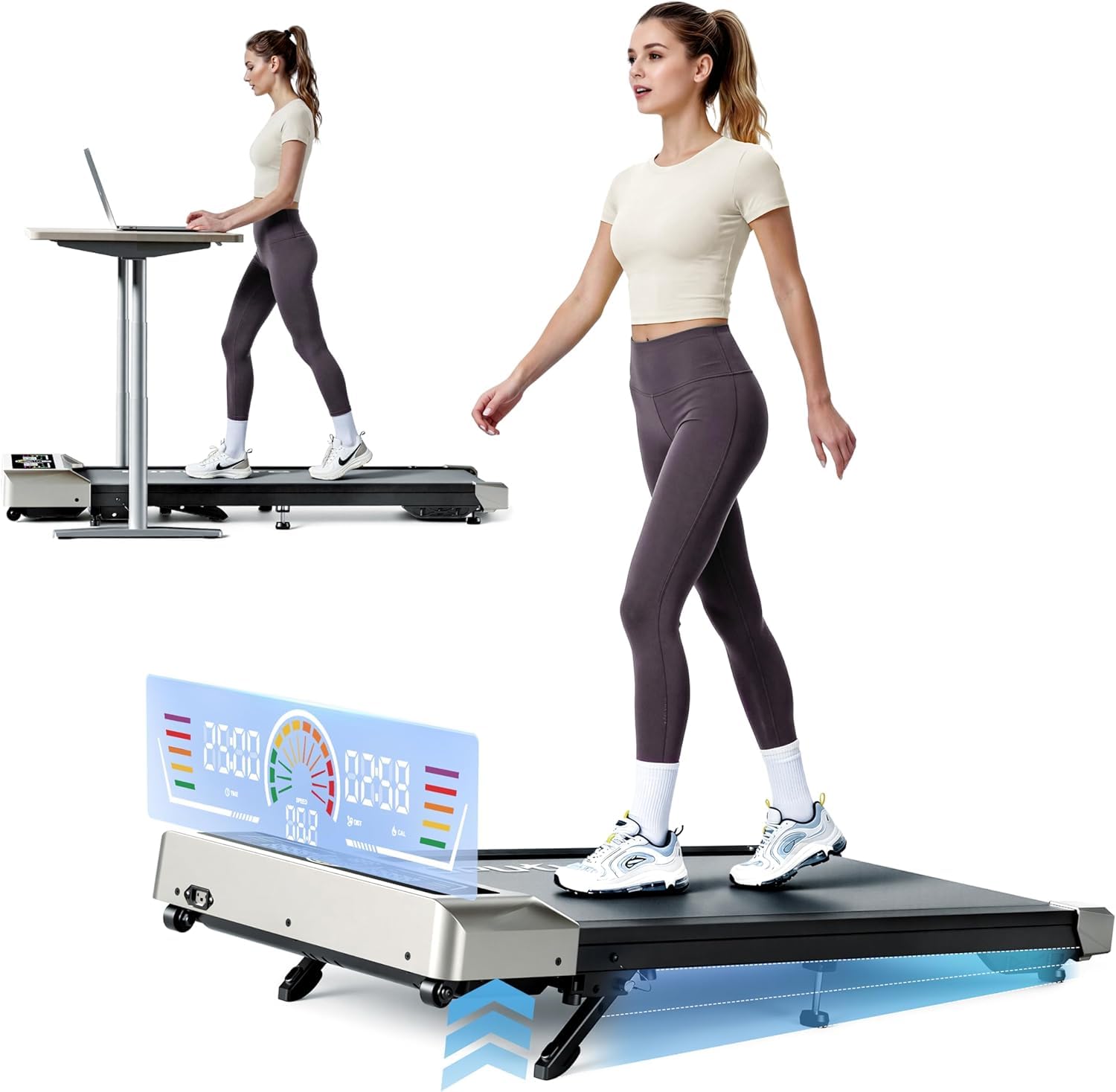
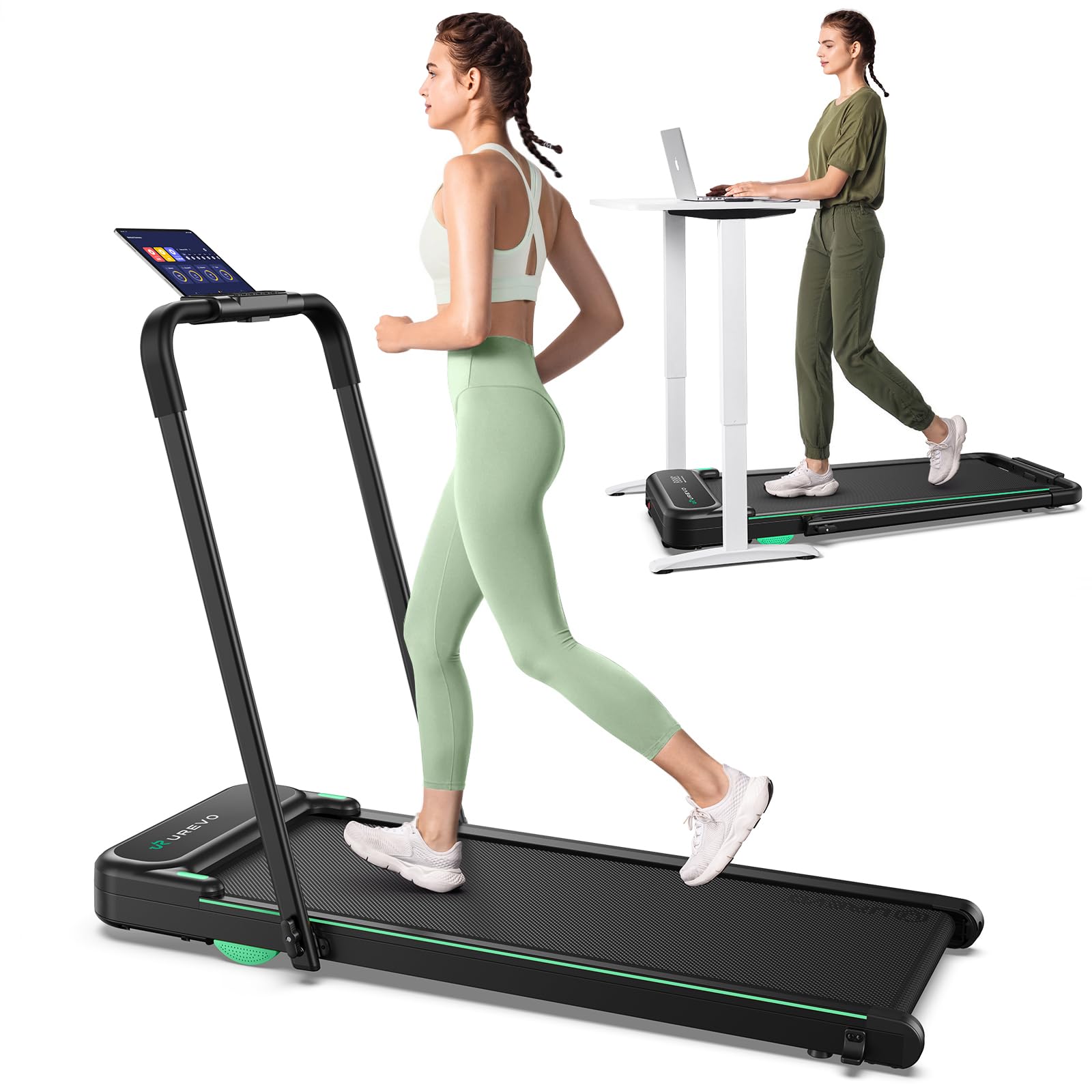
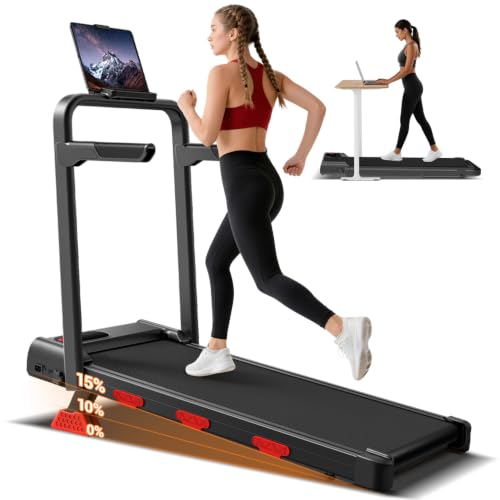
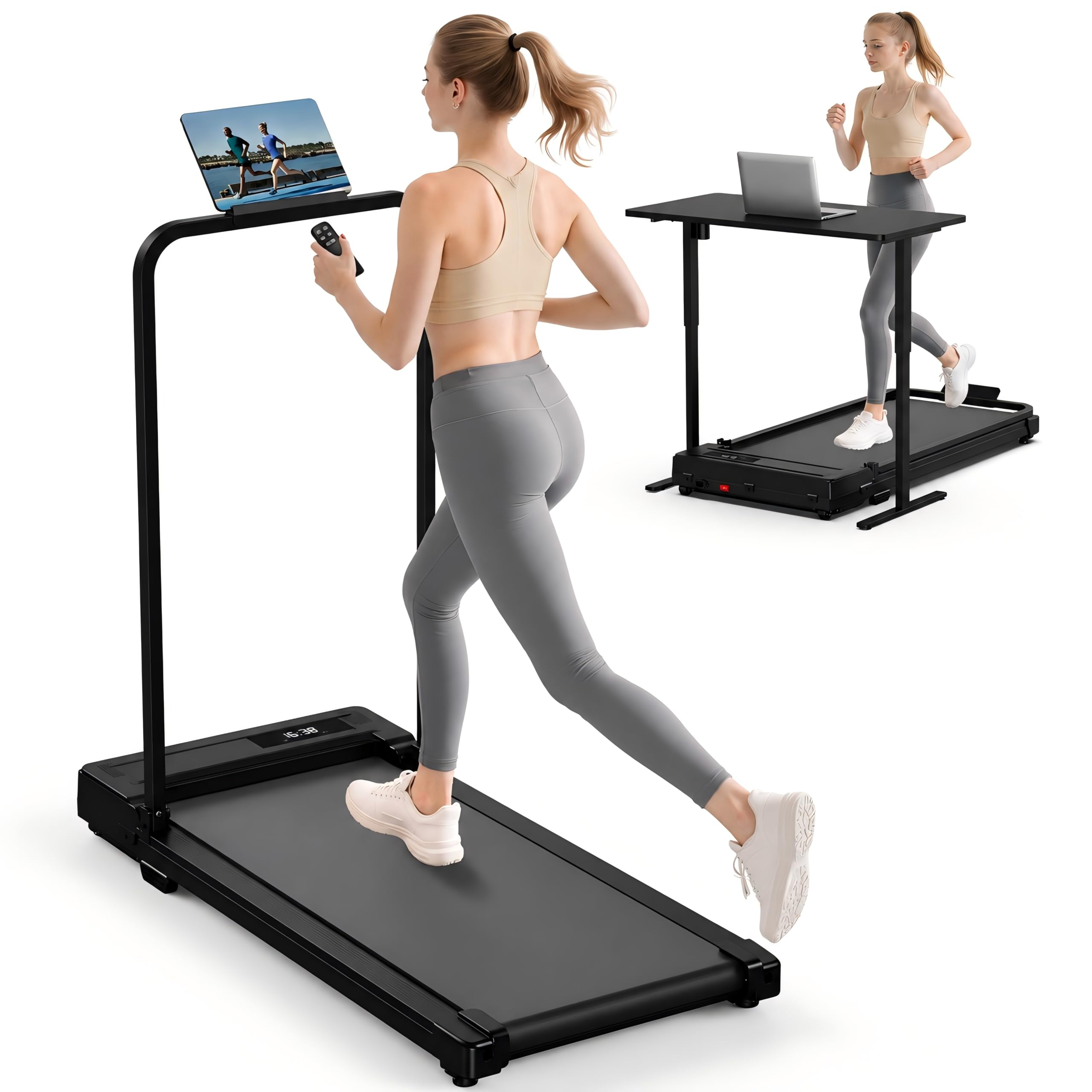
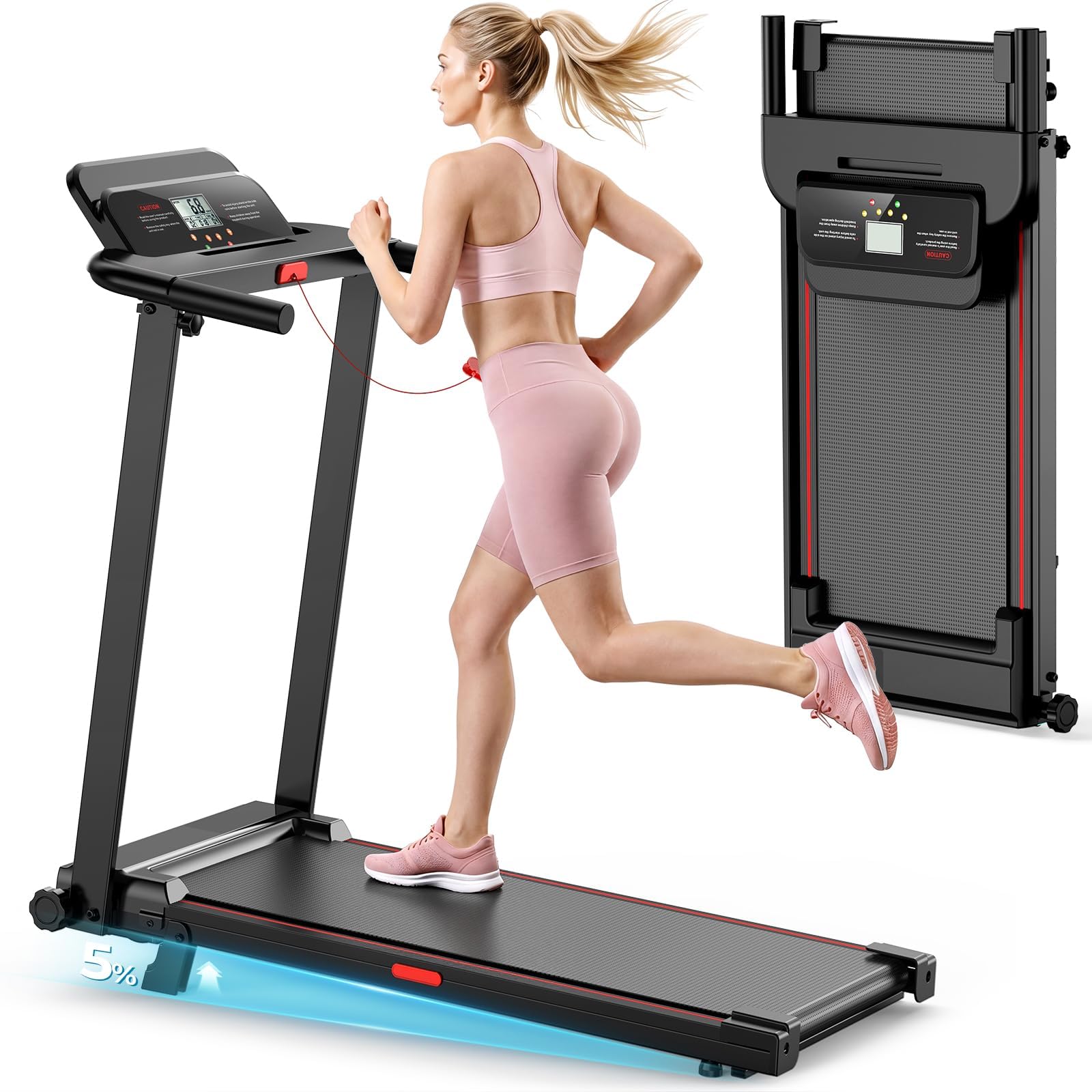
Key Features to Compare in Compact Walking Treadmills
Walking places different demands on a treadmill than running does. Speed matters less, while belt room, steady low speed control, cushioning, and a stable frame matter far more. Use the six checks below in order, because a failure on size or capacity cannot be fixed by extra apps.
Features That Matter for Walking
Look for a belt at least 16 inches wide and about 40 inches long, and longer if you are tall. Your stride length grows as pace rises, so a short belt can force choppy steps. Steady control at slow speeds, roughly half a mile per hour up to about 4 miles per hour, matters more than a high top speed. Supportive footwear also helps, so see our guide to the best shoes for treadmill walking for fit points that reduce heel slip.
Measuring for Size and Portability
Measure the floor area where the treadmill will sit in use, then measure the closet, corner, or space under furniture where it will live when stored. Record length, width, and height in both positions, because a foldable deck may be short when upright yet tall against a wall. Check doorway widths and turns between rooms as well. A model light enough to roll daily is more likely to be used than one that needs two people to move.
Space, Footprint, and Ceiling Height
Leave at least 2 feet of clear space behind the belt and open room on one side for stepping off safely. Ceiling height matters less for walking than for running, since there is little bounce, but add your height plus a few inches for the deck and any incline. If space is tight, compare your measurements with the options in our guide to the best compact treadmills for home, which focuses on storage in small rooms.
Resistance Type and Range
Most compact models are motor driven, and the motor sets belt pace while incline adds effort. A small group of manual models uses magnetic resistance, where magnets slow the belt and you supply the power by walking. Manual designs need no outlet, but pace can feel uneven for beginners. Motor driven models should hold steady speed under load without surging. Choose the type you can control smoothly at a conversational pace.
Warranty Cover for Frame, Parts, and Labor
A steel frame should carry the longest cover, often several years, while parts and labor cover is usually shorter. Read what counts as normal wear, since belts, decks, and walking boards may be treated differently from motors and electronics. A clear warranty from a brand with reachable support and spare belts available is worth more than a long headline term with vague exclusions. Keep your receipt and serial number photo in one place for any claim.
Assembly and Portability
Many compact models arrive mostly assembled, with the handrail, console, and safety parts left to fit. Count the steps in the manual before you buy and check whether tools are included. Transport wheels should roll on your floor type without catching on rug edges, and the folded unit should lock so it cannot tip when stored upright. If you will move it daily, total weight matters as much as folded size.
How to Match a Model to Your Space and Routine
The product table above gives you sizes and capacities, but your routine decides which trade offs are acceptable. A quiet flat model suits shared rooms, a desk setup needs very low speeds, and daily long walks justify a stronger motor and a longer belt. Match the model to the pattern below that looks most like your week.
Apartments and Shared Rooms
Prioritize low operating noise, a deck that folds flat, and a footprint that will not mark floors. Thin models can slide under a sofa or bed only if that space is truly clear and the unit height, including console or rail, is lower than the gap. In a shared room, easy storage is a safety feature too, since a belt left out becomes a trip hazard for others.
Walking While You Work
Desk walking calls for smooth starts, precise slow speeds, and a console you can adjust without leaning. Your desk height must allow relaxed shoulders and straight wrists while the deck raises your standing height. If this is your main plan, see our guide to the best treadmills for walking desk setups for desk height details. Start with short, slow sessions, because typing accuracy drops when people begin too fast.
Frequent Daily Use and Higher Loads
If two people will share the treadmill or walks will run past an hour a day, look beyond entry level builds. A stronger motor, a thicker belt, and a higher weight capacity give more margin under steady load. Commercial grade models sit at the top of this scale and are often too large for compact spaces, but their duty expectations show what heavy use demands. Stay at least 20 to 30 pounds below the stated weight capacity so the motor is not working at its limit on every walk.
Quick Buyer Checklist
Answer each question honestly before you order. A single no on size, capacity, or storage is a reason to keep looking, even when the price looks attractive.
- Does the belt give your full stride length room without stepping near the front or rear edge?
- Does the stated weight capacity leave a clear margin above your body weight plus shoes and clothing?
- Have you measured the space in use, the storage space, and every doorway on the moving path?
- Can you move and unfold the treadmill alone, safely, at the weight listed by the maker?
- Does the speed range start low enough for a gentle warm up and hold steady at your normal pace?
- Is there a safety key or an easy stop control you can reach without leaning forward?
- Does the warranty cover frame, motor, parts, and labor in clear written terms?
- Will the noise level work in your room at the hours you plan to walk?
Red Flags to Watch For
Weak listings share a pattern of vague numbers and missing documents. Watch for these signs before you trust any spec sheet.
- The listing gives no belt width or length, so you cannot judge stride room at all.
- The weight capacity is stated without a frame material or motor rating to support it.
- There is no downloadable manual, so assembly, belt care, and error codes cannot be checked in advance.
- The warranty is described only as long or lifetime, with no separate terms for frame, parts, and labor.
- Photos show a handrail or console that the written contents list does not include in the box.
Treat missing safety information as a serious warning. A treadmill should state its stop method and power needs plainly. If you are comparing compact models with larger machines for a dedicated room, our guide to the best home treadmills for walking explains where bigger decks change the decision.
Tips to Get the Most From Your Compact Treadmill
Place the treadmill on a firm, level floor and use a dense mat under it to protect the floor and soften sound. Keep the power cord clear of the belt path and leave the rear safety space open. Begin each session slowly for a few minutes, then settle into a speed where you can speak in full sentences.
Wipe the belt edges, handrail, and console after each workout to remove sweat and dust before grit builds up. Check accessible bolts monthly and tighten them to the snug level the manual describes. Center the belt promptly if it drifts, following the manual steps for your model, since a belt that rubs the side will wear at the edge. Proper shoes matter too, and our guide to the best walking shoes covers cushioning and fit for longer walks.
Store a folding model locked and keep the storage area dry. If the maker specifies belt lubricant, use only that type and interval, and never add household oils. Unplug the unit during long breaks. Stop walking and seek medical advice promptly if you feel chest pain, severe breathlessness, dizziness, or sharp joint pain, and talk with your clinician about a suitable pace if you have a heart, joint, or balance condition.
Compact Treadmills: Your Questions Answered
What features matter most in compact treadmills for walking?
Belt size, steady slow speed control, and weight capacity matter most in compact treadmills for walking. A wider, longer belt protects your natural stride, while smooth low speeds support warm ups and desk pace walking. Also check the safety stop and the folded dimensions, since a model that stores easily and stops fast will be used more often and with more confidence than one with extra display programs.
Is a subscription required to use a compact treadmill for walking?
No, a subscription is not required to use a compact treadmill for walking for basic walking. The belt, speed, and incline controls work without paid content on most models. Smart connected models may offer classes, routes, or progress tracking through Bluetooth and an app, and some features may sit behind a paid plan. Confirm which display functions remain available offline if you prefer to walk without an account or monthly cost.
How much space does a compact treadmill for walking need?
A compact treadmill for walking needs its full footprint plus clear space behind and beside it. Plan for about 2 feet behind the belt for a safe step off, and enough side room to mount without squeezing past furniture. Storage space is separate, so measure folded height and depth as well. Mark the full area on your floor with tape for a day to test how it affects normal room use.
Which compact treadmill style is better for beginners who walk indoors?
A motor driven compact treadmill is usually better for beginners who walk indoors. It holds the pace for you, starts gently, and lets you build time before speed. A manual model asks you to power the belt, which can feel stop and start while you learn. Beginners also benefit from a simple handrail, large stop control, and a display that shows time and distance clearly without menus to learn first.
Is a compact treadmill for walking quiet enough for an apartment?
Yes, a compact treadmill for walking can be quiet enough for an apartment when the belt is centered and the floor is solid. Walking makes far less impact sound than running, and most noise travels through the floor as vibration rather than through the air. A dense mat, daytime sessions, and distance from a shared wall all help. If your floor flexes or squeaks under body weight alone, expect the treadmill to carry some of that sound too.
How long does a compact treadmill for walking last with daily use?
A compact treadmill for walking can last for years with daily use when it is sized correctly and kept clean. Life depends most on load, session length, and belt care rather than on age alone. Dust under the belt, a dry walking surface, and use near the weight limit all shorten service life. Watch for new squeaks, belt slipping at startup, or a motor that sounds strained at a pace that once felt easy, since early attention often prevents larger repairs.
The Bottom Line
Judge compact models in this order: belt room for your stride, capacity with real margin, folded size you have actually measured, and then extras such as Bluetooth and app features. The product table above is the fastest way to compare those basics side by side. When a model passes on size, storage, and steady low speed control, best compact treadmills for walking stop being a compromise and become a practical daily habit.


