
Best Compact Walking Pads (2026): Types, Storage and Buying Guide
Disclosure: We may earn a commission when you buy through links on this page, at no extra cost to you. As an Amazon Associate I earn from qualifying purchases. Learn more

Best compact walking pad guide: compare flat, folding, and handle types by storage, belt size, capacity, and noise.
Choosing the best compact walking pad means finding a belt you can walk on for an hour at a time that still slides out of sight when you are done. Many full size treadmills simply will not fit in a small apartment or a shared office. Compact models solve that problem with shorter frames, lower profiles, and lighter builds. The comparison table below puts the main types side by side so you can see the trade offs quickly.
This guide focuses only on compact models, not on standard treadmills. It explains who benefits most, how the main storage styles differ, and which specs actually change your daily walk. It also covers noise, floor care, and budgets, so you can match a pad to your room and routine before you spend anything.


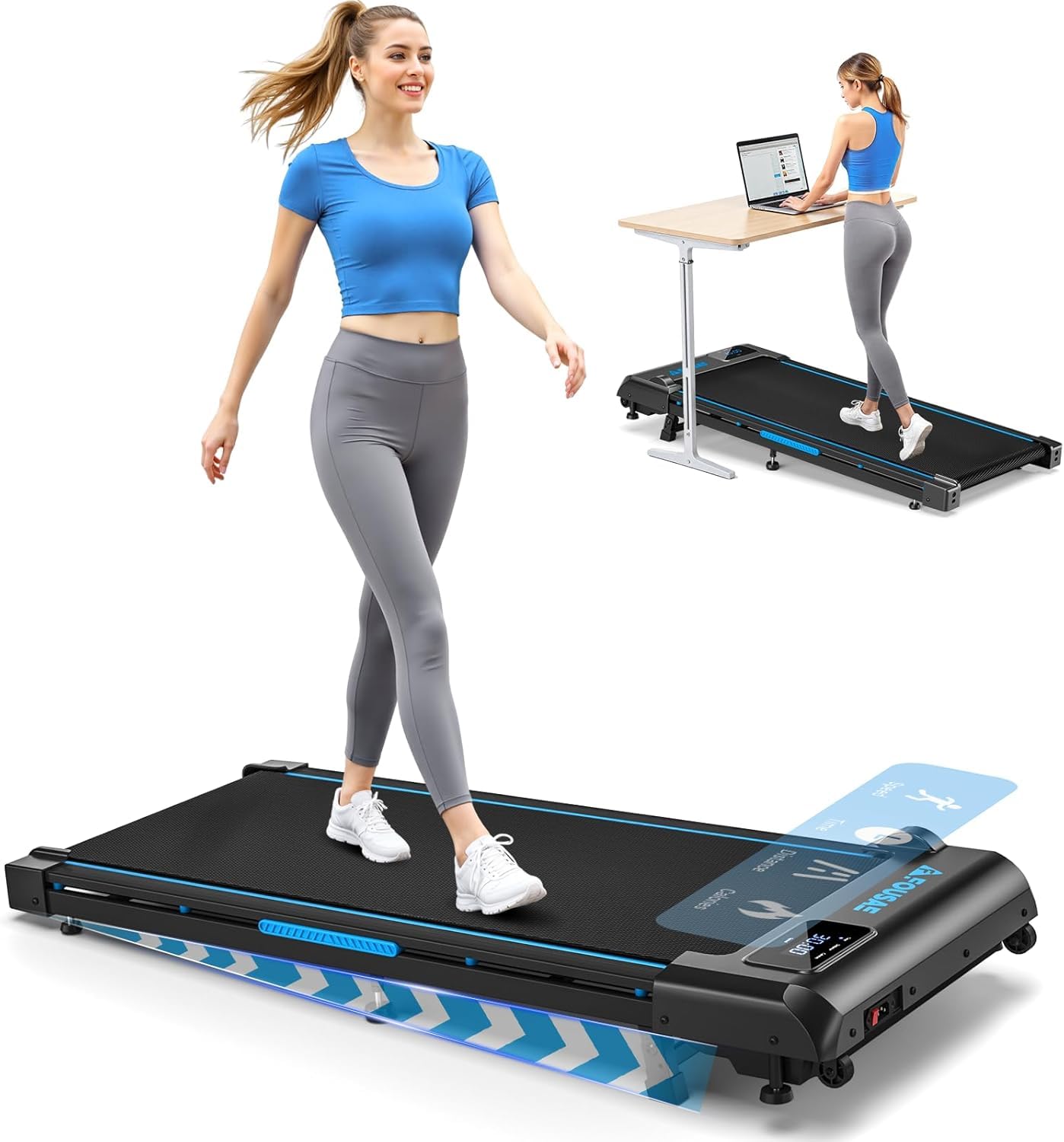
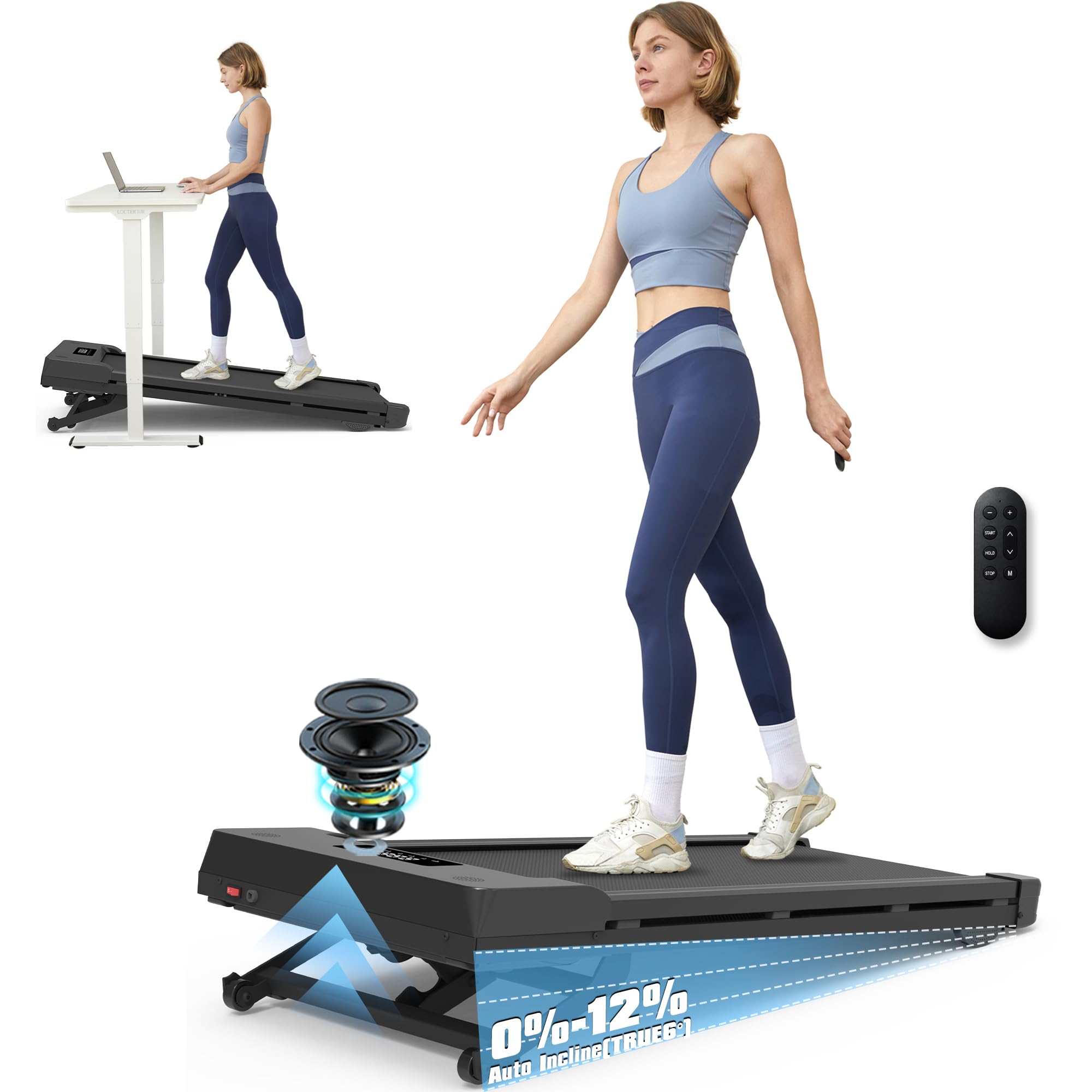

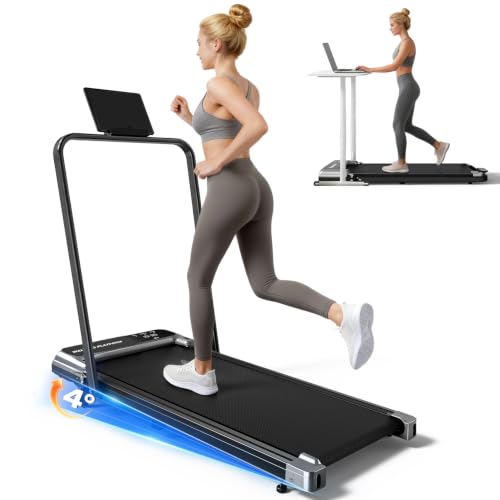


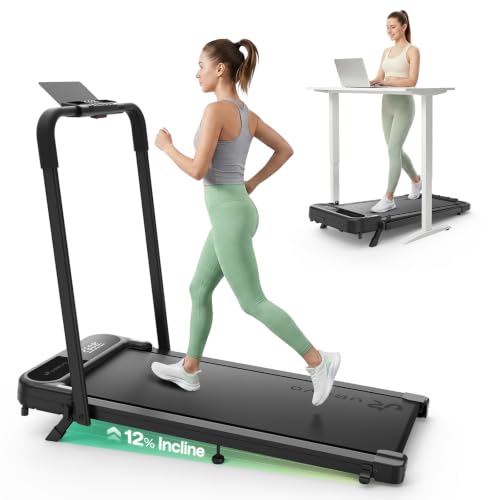
Who Should Buy a Compact Walking Pad?
Compact pads suit people who want steps at home but cannot give a machine a permanent corner. Your storage spot, desk height, and body weight matter more here than top speed. The three groups below cover the most common cases.
Apartment Renters With Little Open Floor
If you rent a studio or a one bedroom home, a compact pad earns its place by disappearing between walks. Look for a profile slim enough to slide under a sofa or a bed, and wheels that let you move it without dragging it across the floor. Measure the clear height under your furniture before you order, because a pad that sits even half an inch too tall will have nowhere to go. A protective mat also guards the floor below.
Home Office Workers at a Standing Desk
Walking while you work calls for a slow speed range, a remote you can use without bending down, and a motor that stays quiet on calls. Your desk needs enough lift to keep your elbows level once the pad adds inches under your feet. A compact pad fits this setup well because its shorter belt matches a natural working pace, where you type and read more than you stride.
People Who Store Gear Between Short Walks
Some walkers want steps in small doses across the day, such as ten minutes after each meal. For that pattern, setup speed matters more than advanced programs. Choose a model you can pull out, plug in, and start in under a minute. A lighter frame and a balanced carry point make frequent moves realistic. If moving the pad feels like a chore, you will walk less, so handling matters as much as belt size.
Types of Compact Walking Pads Compared
Compact pads differ mainly in how they store and how stable they feel, and some are sold as a compact walking treadmill without a console. The three styles below cover most homes, and each suits a different layout and level of walking confidence.
Flat Profile Models for Under Furniture Storage
These models never fold. The whole frame stays in one piece at a low height, so you slide it under a bed or sofa and pull it out when needed. The simple build leaves fewer parts to loosen, and setup takes seconds. The limit is length, because the belt cannot extend beyond the furniture it hides under. This style suits walkers who value fast, quiet storage at moderate speeds.
Folding Models for Closet and Corner Storage
A folding frame lifts at the rear or folds in half, which shortens the storage footprint while the belt stays generous. This style helps when under furniture space is taken but a closet or a wall corner is free. Check the folded size, not just the open size, and confirm you can lift the folded frame safely. Hinges add a moving part to inspect, so look for a firm lock with no wobble when the pad is open.
Models With a Handle for Added Stability
A fixed or folding handle gives you something steady to hold during your first weeks or on days when your balance feels off. It also places controls and a display at hand height on some designs. Our guide to the best walking pad with handle explains the stability trade offs in detail. Handles add stored height, so measure your spot with the handle folded or removed before you decide.
How to Compare Compact Walking Pads
Compare compact models on frame build and stated weight capacity, stored size, belt dimensions, speed range, noise control, and warranty terms, and weigh maker specifications against patterns in verified buyer feedback such as belt drift, motor heat, and remote reliability. Be wary of models that hide capacity or stored dimensions, or require a paid app for basic walking.
Key Features to Compare When You Choose
Five factors decide whether a compact pad fits your life or becomes clutter. Work through them in order, starting with the space you actually have.
Space and Footprint
Start with two measurements, the open footprint and the stored size. Most compact pads run about 45 to 50 inches long and about 20 to 24 inches wide when open, with a height of about 4 to 6 inches. Leave a clear margin behind the belt so you can step off safely. Then measure the exact storage spot, including baseboards and rug edges, because a plan that fails by an inch turns the pad into clutter.
Weight Capacity and Frame Build
Stated capacity tells you how much load the frame and motor can handle, and walking near that limit adds strain with every step. Choose a capacity that leaves a clear buffer above your body weight, especially if you plan long daily sessions. A steel frame feels steadier than a very light frame, though it adds carrying weight. Treat unusually high claims for a very slim pad with caution.
Belt Size, Speed, and Walking Comfort
Belt width shapes how much side to side drift you can correct without stepping on the frame. Most compact belts offer about 15 to 17 inches of width, and taller walkers should weigh belt length because a longer stride can reach the front cover. Speed on compact models usually tops out at about 4 to 6 mph, which covers working pace through brisk walking. Belt tracking and smooth speed changes matter more for comfort over an hour than a cushioned deck does.
Features Worth Paying For
Incline adds effort at low speed, but on compact pads it is often a fixed slope or a small manual adjustment rather than a powered lift. If that variety matters to you, see our guide to the best walking pad with incline. A remote is worth paying for because bending to reach deck controls breaks your stride. App tracking is a bonus rather than a need, and large screens add cost you will never value while working.
Noise, Floor Protection, and Program Costs
Motor and belt noise rises with speed and with a hard floor beneath the pad. A dense mat under the deck softens sound, protects wood and tile, and keeps the pad from creeping during longer walks. Place the pad on a level surface, because a slope makes the belt work harder and can add a rhythmic thump. For programs, check the free app tier before you buy, because basic walking should never need a subscription.
Compact vs Other Walking Pads: Pros and Cons
Compact pads win on storage, price, and ease of moving, and they lose on belt room, top speed, and heavy duty use. A standard walking pad usually offers a longer belt and a higher capacity, while a full treadmill adds running speeds and a console you do not need for desk walking. Our companion piece, is a walking pad worth it, weighs daily step gains against cost in more detail.
Choose compact when storage decides whether you walk at all. Choose a larger pad when your stride is long, your weight sits near compact limits, or you want faster speeds for exercise sessions away from a desk. Neither choice is better in general. The right one fits your room and stays quiet enough for the people around you.
Common Mistakes to Avoid
- Measuring only the open footprint and never the storage spot, so the pad ends up parked in your walking path.
- Choosing a capacity that barely covers your body weight, which strains the motor and shortens belt and deck life.
- Standing the pad on a soft or uneven surface, which leads to belt drift and extra noise within weeks.
- Forgetting desk clearance, then finding your knees hit the desk once the pad raises your standing height.
- Paying for app programs before checking the free tier, which can lock basic workout records behind a monthly fee.
How to Make Your Compact Walking Pad Last Longer
Wipe the belt and deck edges weekly with a dry or slightly damp cloth to clear dust and grit. Vacuum the floor where the pad sits, because trapped debris raises friction and noise. Check belt alignment monthly by running the pad empty at low speed and watching whether the belt stays centered. Unplug the pad before you clean around the motor cover.
Store the pad flat when the maker allows it, and keep it out of damp rooms and direct heat. Roll it on its wheels instead of dragging it. Our guide on how to use a walking pad covers first week habits, posture, and session length in more detail. Stop using the pad and contact the maker if you smell burning, hear grinding, or feel the belt surge without a speed change.
FAQ
Can you run on a compact walking pad?
No, most compact pads are built for walking only, and running asks more of every part. A running stride lands harder and needs more belt length than a compact deck offers, so your heels can strike the rear edge. Top speeds sit below a running pace, and smaller motors are rated for steady walking loads, not repeated impact. For jogging indoors, choose a longer treadmill built for running.
Do compact walking pads need belt lubricant?
Yes, most compact pads need a small amount of silicone lubricant under the belt to limit friction and heat. The manual sets the schedule, often based on hours of use, so track your weekly sessions. Apply only the amount directed, spread evenly, because excess lubricant can make the belt slip and can attract dust. If your model states the deck needs no added lubricant, follow that instruction instead.
Can you use a compact walking pad on carpet?
You can use one on low pile carpet, but thick carpet creates problems worth planning around. Deep pile traps heat, blocks underside vents, and adds drag. A firm mat between the carpet and the pad spreads the load and restores airflow space. During early sessions, pause and feel the motor cover, and move the pad to a harder surface if it grows hot quickly.
How long does a compact walking pad last?
Service life depends mostly on load and hours rather than on age alone. A pad used for an hour a day well within its capacity should serve for years, while daily use near the weight limit wears the belt and motor faster. Watch for frayed belt edges, new squeaks at a steady speed, or speed that wanders on a flat setting. Replacing a worn belt on time can extend the life of the whole machine.
What walking speed works best under a desk?
A pace of about 1 to 2 mph suits most desk work on a compact walking pad. At that speed you can type, read, and use a mouse with control, and most people settle in within a few sessions. Drop closer to 1 mph for tasks that need fine focus, and rise toward 2 mph during calls. Raise speed gradually across your first week rather than starting at your fastest pace.
Final Thoughts
Compact pads make daily steps possible in rooms that could never hold a treadmill. Match stored size first, then capacity, belt room, and noise, and the right style becomes clear. Revisit the product table above before you order, and confirm your measurements one last time. For most small homes, the best compact walking pad is simply the one you can store in seconds and walk on without thinking about it.
Readers with more floor space can also see our guide to the best walking pad for larger models with longer belts and higher capacities.


