Best Compact Surround Sound Speakers 2026 for Films
Disclosure: We may earn a commission when you buy through links on this page, at no extra cost to you. As an Amazon Associate I earn from qualifying purchases. Learn more

Planning the best compact surround sound speakers for a small room? Learn layout, speaker roles, and setup tips that keep film sound clear and balanced.
Choosing the best compact surround sound speakers is really a room planning exercise first and a shopping exercise second. Surround sound works when each speaker has a sensible place, the dialogue stays clear, and the rear effects support the film without distracting from it. The comparison table below can help you compare compact layouts before you commit to a full set.
Small rooms reward compact satellite speakers, careful placement, and a receiver or soundbar system that lets you adjust each channel. This guide explains the role of every speaker, how to place them in tight spaces, and which compromises matter most when floor space is limited.

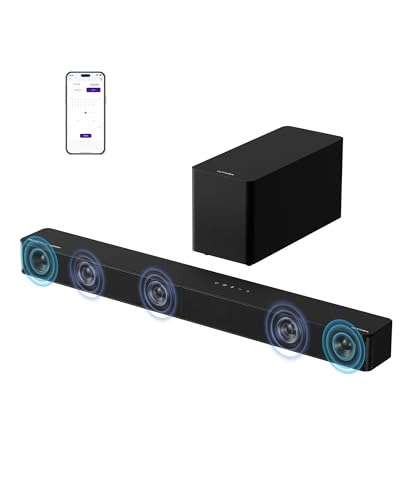


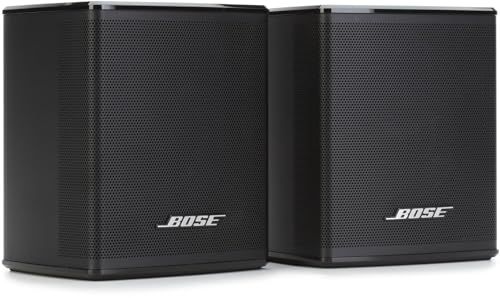
How a Compact Surround Layout Works
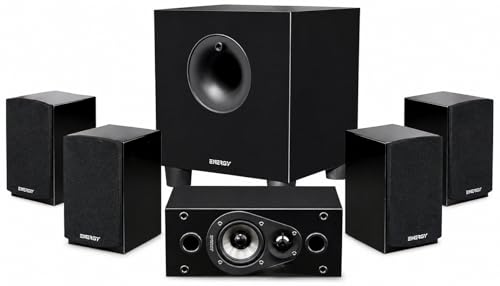
A typical surround layout uses front left, front right, a centre speaker for dialogue, two surround speakers behind or beside you, and a subwoofer for low effects. Compact satellites handle the main and surround channels, while the centre speaker carries most of the spoken words. Keeping the front three speakers at a similar height helps voices stay anchored to the screen.
The subwoofer does not need to sit beside the television, and placing it along a wall often gives smoother bass in a small room. Avoid corners if bass already feels boomy, and test a couple of positions before fixing cables. A compact system should disappear into the room visually while still giving films a sense of space.
Place Speakers in a Small Room
Start with the seating position, then work outward. Front speakers should sit roughly as far apart as you sit from the screen, and the centre speaker should sit directly above or below the television. Surround speakers work best slightly behind and above ear height, angled toward the seating area rather than pointed straight at the walls.
If your sofa sits against the back wall, wall mounted surrounds or small stands at the sides can still work. Avoid placing a surround speaker directly beside one ear, since that makes effects feel lopsided. For placement ideas, best position for surround sound speakers can help you adapt a standard layout to a room where the sofa cannot move.
Centre Dialogue and Rear Effects
Dialogue clarity is the most common complaint about small surround systems, and it usually comes from a weak or poorly placed centre speaker. Give the centre speaker a clear path to your ears, avoid burying it inside a closed cabinet, and raise its channel level slightly if voices still sit behind music and effects. A compact centre speaker can sound excellent when it is not muffled by furniture.
Rear speakers should add atmosphere, not draw attention to themselves. Rain, crowd noise, and room tone belong in the background, so set surround levels a touch lower than the front channels at first. If effects feel distracting, lower the surrounds before you blame the speakers, since calibration often fixes what new hardware cannot.
Wired, Wireless, and Soundbar Based Systems
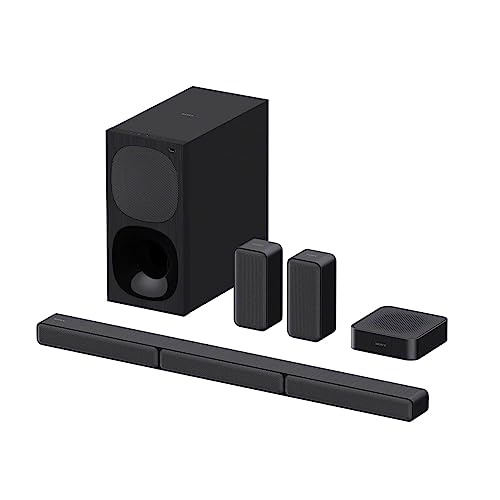
Traditional wired systems give the most control and the most upgrade freedom, but they need cable runs to the rear of the room. Wireless rear speakers reduce visible cables, though they still need power, so plan for an outlet near each rear position. A soundbar based system with wireless rears suits renters and small rooms where running cables is impractical.
Check what your television and sources can pass to the system, since older connections may limit surround formats. An HDMI connection with audio return usually gives the simplest control, letting one remote manage volume and power. If you prefer fewer boxes, best wireless surround sound speakers can help you compare systems that keep rear cables out of sight.
Calibration and Everyday Settings
Most receivers include a setup microphone or a guided routine that measures speaker distances and levels. Run that routine after final placement, not before, and keep the room quiet while it works. Afterwards, trust your ears for small tweaks, especially for centre volume and subwoofer level during dialogue heavy films.
Night modes and dynamic range controls help in apartments and shared homes by softening sudden loud effects. Use them for late viewing, and switch them off for films where you want full impact. A system that sounds good at modest volume is more valuable than one that only shines when the house is empty.
Choosing the Right Compact Set
Compare sets by the quality of the centre speaker first, then by the size and mounting options of the satellites. Small speakers that accept wall brackets give you far more placement freedom than models that only sit on a shelf. Check that the subwoofer size suits your room, since an oversized unit can dominate a small space.
Think about future changes too. A system with standard speaker connections lets you replace one pair later, while a closed system may lock you into its own parts. For a broader view, best surround sound speakers can help you compare compact sets against larger layouts. For rear placement specifically, best rear speakers for surround sound can help you choose models that fit tight side walls, and if your room is very small, best compact surround speakers can help you focus on the smallest satellite options.
A Final Check Before You Order
Before buying, draw your room to scale with seating, doors, and windows marked, since surround placement depends on real furniture rather than ideal diagrams. A compact set that fits your drawing will install cleanly, while a set planned from imagination often leaves one speaker homeless. Note power outlet positions for wireless rears, since each one still needs mains power close by.
Test dialogue clarity with a drama you know well, not just with an action trailer that flatters bass and effects. Voices should stay intelligible at modest volume, and you should not need subtitles for ordinary conversation scenes. If dialogue hides, raise the centre channel or move the centre speaker before blaming the whole system.
Plan for calibration day as part of the purchase, not as an afterthought. Run the setup routine after final placement, keep the room quiet, and sit in your usual seat for any manual tweaks. Small level changes to the centre and subwoofer often transform a system that initially sounds uneven or boomy.
Consider household routines such as children sleeping, neighbours below, and late night viewing habits. Night modes, dynamic range controls, and a sensible subwoofer level keep film nights enjoyable without turning your home into a cinema at midnight. A system that respects the household gets used far more than one that dominates it.
Finally, keep cables tidy and labelled, especially for wired rears that run behind furniture. Labelled cables make future moves, cleaning, and upgrades far simpler, and they prevent accidental disconnection during vacuuming. A tidy install also looks better, which matters when speakers share a living room with everyday life.
Frequently Asked Questions
Can surround sound work in a small room?
Yes, surround sound can work very well in a small room when speakers are placed thoughtfully and levels are calibrated. Compact satellites suit tight spaces, and a modest subwoofer adds film impact without overwhelming dialogue. The key is seating position and speaker angles, not room size alone, so plan the layout before you buy.
Do I need rear speakers for good film sound?
Rear speakers add atmosphere and direction to films, but a strong front three speakers plus a subwoofer still gives an enjoyable result. If your room makes rear placement difficult, start with the front stage and add surrounds later when you can place them well. A rushed rear placement often hurts more than it helps.
Where should the centre speaker go?
The centre speaker should sit as close to the screen as possible, directly above or below it, with a clear path to your ears. Avoid placing it deep inside a closed cabinet, since that muffles dialogue and forces you to raise the volume. A slight upward tilt can help when the speaker sits low on a stand.
Is wireless surround sound reliable?
Wireless rear speakers are generally reliable in a normal home, though they still need power outlets and a clear signal path from the main unit. Thick walls and crowded wireless networks can occasionally cause dropouts, so keep the main unit sensibly placed. Wired rears remain the most dependable choice when cable runs are possible.
How loud should surround speakers be?
Surround speakers should sit slightly below the front channels so effects support the scene without pulling your attention sideways. Start with the calibration result, then lower the surrounds a little if they feel distracting during dialogue. Your goal is immersion, not a demonstration of each speaker in turn.
Final Thoughts
A compact surround system succeeds when the centre speaker keeps dialogue clear, the surrounds stay subtle, and the subwoofer supports rather than dominates. Measure your seating, plan cable and power routes, and calibrate after everything is in its final place.
Use the product table above to compare compact sets side by side, then choose the best compact surround sound speakers for your room and your viewing habits. A well planned small system can make ordinary film nights feel spacious without taking over the living room.