Best Compact Satellite Speakers: Every Type Explained Side by Side 2026
Disclosure: We may earn a commission when you buy through links on this page, at no extra cost to you. As an Amazon Associate I earn from qualifying purchases. Learn more

Best compact satellite speakers compared by type: gaming, wired home theater and rugged outdoor models, plus sizing and mounting tips.
Satellite speakers all promise big surround sound from small boxes, yet the boxes differ a lot. Some are built for gaming desks, some wire into a home theater receiver, and some shrug off patios and garages. Picking by size alone is how people end up with speakers that cannot connect to their system.
This guide compares the best compact satellite speakers by type first, then by the specs that actually shape sound. You will see who each type suits, what it costs in general, and where it gives something up. Start with the comparison table below, then match the types here to your receiver, your room, and your listening habits.


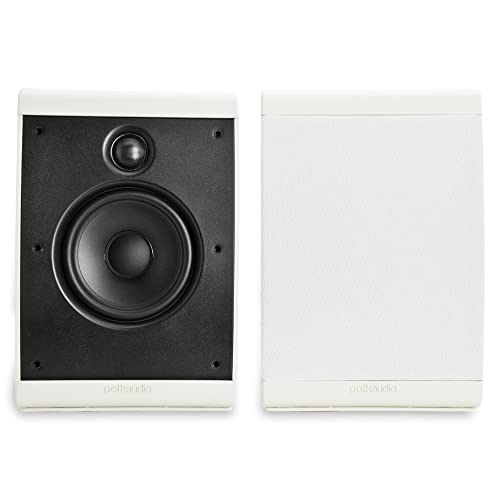
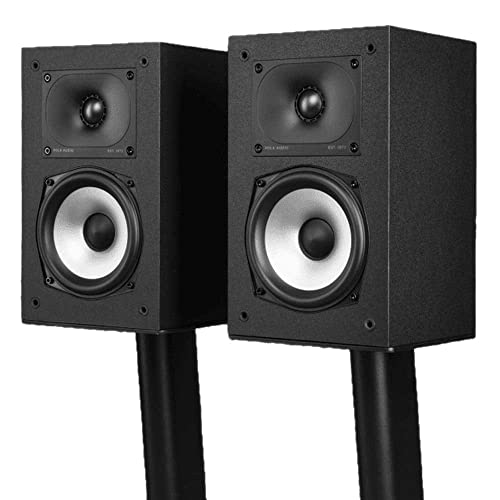
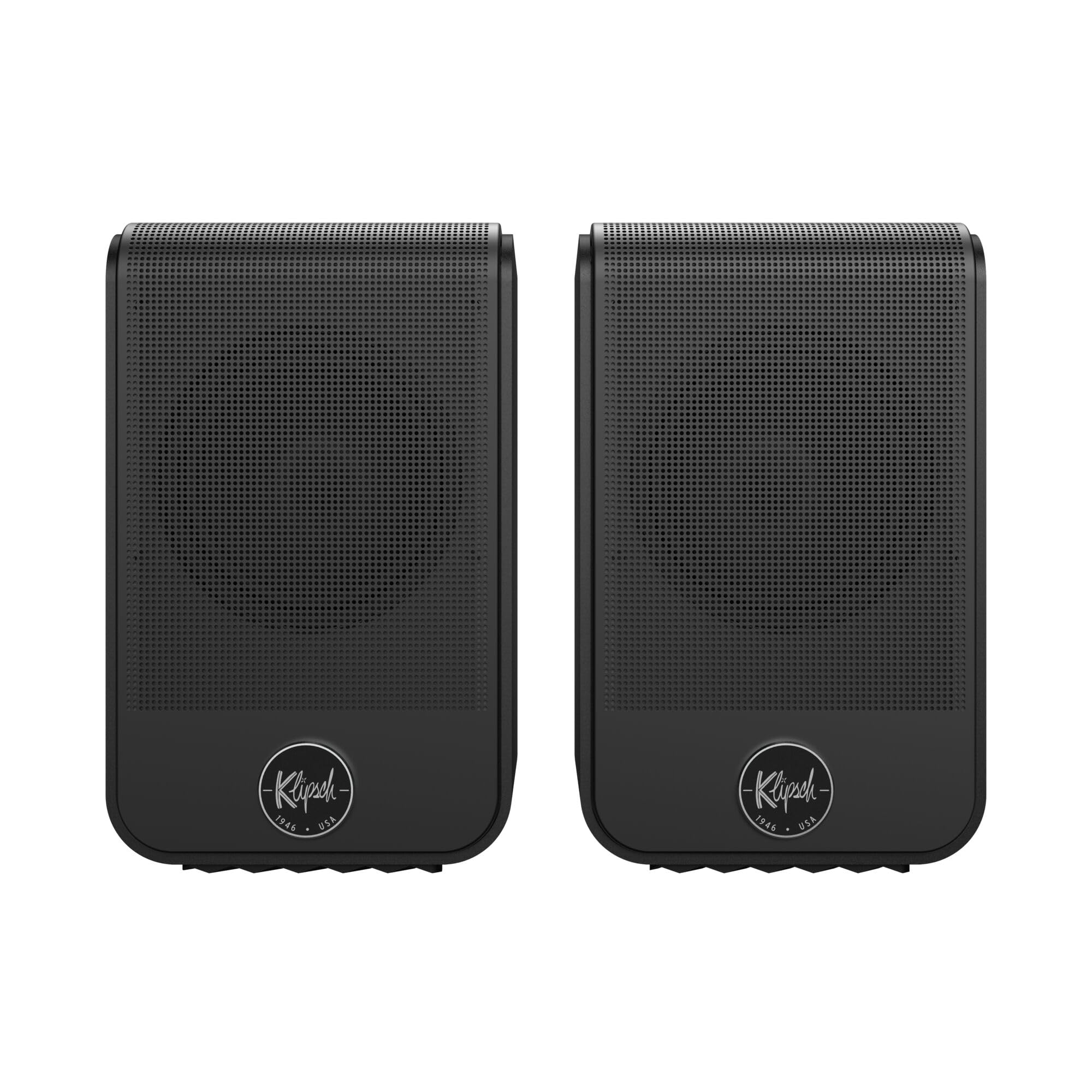


Types of Compact Satellite Speakers Compared
Think of the three types as three different jobs. Gaming models favor a desk and near field listening, usually around $80 to $200 per pair. Wired theater models favor a receiver and a full surround layout, usually around $100 to $300 per pair. Rugged models favor durability over fine detail, usually around $90 to $250 per pair. The sections below explain how each one works in practice.
Gaming Models
Gaming satellites sit close to you, so they are tuned for clarity at low to moderate volume rather than room filling power. Many connect by USB or a small desktop amp, and some add Bluetooth for a phone or console controller setup. Dialogue in cutscenes and small cues like footsteps benefit from a forward, detailed tuning. The trade off is bass, since tiny cabinets cannot move much air, so most desk setups pair them with a small subwoofer. Choose this type if your screen time is mostly games and videos at a desk. For desk focused options, our guide to the best compact pc speakers covers the wider category.
Wired Models
Wired satellites are the classic surround choice. They take speaker wire from an AV receiver, which handles decoding, room correction, and power, so the speakers themselves stay simple and light. This gives you the most predictable sound and easy upgrades, because you can swap one pair at a time. The cost is cable runs, which need planning in rented rooms. Frequency response and sensitivity ratings matter most here, since a sensitive speaker plays louder on modest receiver power. Choose this type if you are building or expanding a true home theater with matched channels.
Outdoor and Rugged Models
Rugged satellites are sealed against weather and built to survive knocks, dust, and humid air. Look for an IP67 rating if the speakers will face rain, and for cabinets and grilles that resist sun and corrosion. Sound tuning favors projection and durability over delicate detail, and many models are passive designs that still need a protected amp indoors. The trade off is weight and a less refined top end. Choose this type for patios, workshops, and covered porches where ordinary speakers would age fast. Mounting hardware rated for outdoor use is part of the real cost, so budget for it.
Gaming Models vs Wired Models: Which Should You Choose?
Start with distance. Gaming models win within about four feet, where their near field tuning and easy USB or Bluetooth connections keep a desk simple. Wired models win across a room, where a receiver can balance levels, set delays, and blend a subwoofer for movies.
Next, compare upgrade paths. A wired pair can move from front duty to surround duty when you buy larger fronts later, while a gaming pair is mostly tied to its desk role. For sound quality per dollar in a theater, wired usually leads. For convenience, low latency chat audio, and small rooms that double as offices, gaming models make more sense. If your goal is a full surround field, read our overview of the best satellite speakers before you commit to a desk only design.
How to Choose the Best Compact Satellite Speakers
Sound Quality and Tuning
Driver size sets the ceiling for a compact satellite. A woofer around 3 to 4 inches with a separate tweeter usually crosses to a subwoofer near 100 to 120 Hz, so check that your receiver or sub can cover that handoff smoothly. Frequency response figures only help when they include a tolerance, such as plus or minus 3 dB. Prefer a balanced, neutral tuning for mixed movies and music, and be wary of boosted treble that sounds exciting in a demo but tiring over a full film. Matched drivers across your front three channels keep voices consistent as sound moves across the screen.
Measuring for Size and Portability
Measure the shelf, stand top, or wall spot before you fall for a cabinet. Leave at least an inch behind a rear ported speaker, or choose a sealed design for true wall hugging placement. Note the weight if you plan to mount high, and confirm the mount or keyhole fits your bracket. A practical trick is to cut a cardboard box to the listed dimensions and live with it in place for a day. You will spot blocked sight lines, glare, and door swings that a tape measure alone will not show you.
Mounting, Fit, and Weight
Fit for a speaker means placement, not comfort on your body. Compact satellites should aim at ear height when you are seated, angled slightly toward the main seat. Threaded inserts give the most secure mount, while keyhole slots are faster but can rattle at high volume if the screw fit is loose. Heavier cabinets need studs or proper wall anchors, never plain drywall screws. If the speaker will sit on a shelf, rubber feet or a thin foam pad stop buzzing and protect the finish during bass heavy scenes.
Room Acoustics and Placement
Satellite speakers play into a room, so the room shapes what you hear. Keep satellites off shared walls where possible, set a sensible volume limit for late viewing, and use your receiver night mode to tame sudden peaks. Soft furnishings, a rug and curtains reduce the echo that small hard rooms add to dialogue. If outside noise is your problem, better window seals will do more for movie clarity than any speaker upgrade at this size.
When shelf space is the real limit, it helps to compare against the broader best compact speakers category, since some buyers are better served by a single stereo pair than by satellites that need a receiver and a subwoofer.
How to Make Your Compact Satellite Speaker Last Longer
Keep firmware updated on any powered or wireless model, since updates fix pairing bugs and protect battery health where a battery exists. Store spare speakers in a case or a covered box to protect drivers from dust and sunlight. Clean grilles with a soft brush, and wipe cabinets with a dry cloth rather than sprays that can seep into seams. Avoid max volume for long sessions, because small drivers distort early and heat builds fast. Check wire connections once a year for corrosion or loose strands, and replace frayed cables before they short at the terminal.
Compact Satellite Speakers: Your Questions Answered
Do compact satellite speakers need a subwoofer?
For movies and games, yes in most cases. A satellite with a 3 to 4 inch woofer cannot reproduce deep bass, so a small subwoofer handles the lowest notes and lets the satellites focus on voices and effects. For casual music or desk listening at low volume, a pair can sound fine alone, but a sub adds weight to explosions and film scores. Pick a sub with a level control so you can blend it in without boom.
Wired or wireless: which sounds better for compact satellite speakers?
Wired sounds more consistent, because the signal never faces dropouts, pairing delays, or battery limits. Wireless satellites shine when a cable run is impossible, such as surrounds across a doorway, and modern links with Bluetooth 5.3 or a dedicated transmitter keep delay low. Sound quality at the same price still favors wired, since none of the budget goes to radios and batteries. Choose wireless for the room problem it solves, not for better fidelity.
What IP rating do I need for outdoor compact satellite speakers?
Choose IP67 if the speakers will sit in open weather, since that rating covers dust and temporary immersion. Under a deep covered porch, a lower rating can be enough, but wind driven rain reaches further than most people expect. Also check the rating of connectors and mounts, because the weakest part decides real durability. Bring battery powered models inside for charging and storage during freezing weather to protect the cells.
How long does the battery last in wireless compact satellite speakers?
Most wireless satellites with batteries run about 8 to 20 hours per charge, depending on volume and features. Louder playback and extra lighting drain a charge fastest. Passive wired satellites have no battery at all, which is one reason theaters still favor them. If you hate charging, look for models that can stay plugged in during use, and treat the battery as a backup for short sessions away from an outlet rather than the main power plan.
Do I need a special codec for compact satellite speakers?
No, a special codec is optional for most buyers. Standard Bluetooth support is fine for casual video and music, while codecs such as aptX or LDAC can reduce delay and improve detail with compatible phones and transmitters. For gaming and movies, low latency matters more than the codec name, so check whether your source and speaker share a low delay mode. Multipoint pairing is handy at a desk, but it does nothing for a wired theater pair.
The Bottom Line
Match the type to the job first, then check driver size, crossover needs, and mounting fit. Those three decisions shape your sound more than any single spec on a box. Keep your room and your receiver in the picture, and the best compact satellite speakers for your setup will stand out quickly. Compare your finalists in the product table above, and if a full matched system is the goal, our guide to the best compact surround speakers shows how the satellite role fits the whole layout.