Best Compact Superzoom Digital Cameras: How to Pick the Right One for 2026
Disclosure: We may earn a commission when you buy through links on this page, at no extra cost to you. As an Amazon Associate I earn from qualifying purchases. Learn more
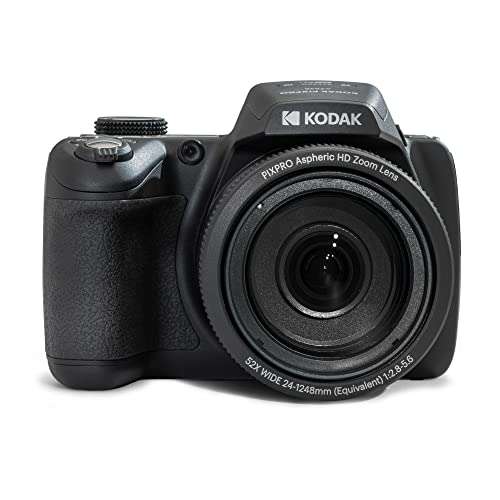
Compare the best compact superzoom digital cameras by zoom range, sensor size, stabilization, and video to choose the right camera for travel and family use.
There is no single model that suits every photographer, because the right choice depends on how far away your subjects sit and how much camera you want to carry. The best compact superzoom digital cameras pair a long zoom lens with a body that still fits in a jacket pocket or a small bag, so you can photograph a distant stage, a bird on a branch, or your child on a playing field without swapping lenses.
This guide works through the decision by use first, then by the specs that actually change your pictures. Start with the groups below, note the zoom range and sensor size that fit your plans, and then compare your short list in the comparison table below.


Who Should Buy Which Compact Superzoom Camera?
Your main subject matters more than any single spec. A traveler who walks all day needs a different balance of weight and reach than a parent filming school sports from the stands. If long reach is not your priority, see our guide to the best compact digital cameras for smaller models built around everyday snapshots.
For Students and Everyday Users
You need a camera that is simple to learn, quick to start, and forgiving when you leave it in automatic mode. Look for clear menus, reliable autofocus, and strong image stabilization, because those three things save more casual photos than a huge zoom number does. Battery life matters as well, since a camera that dies during a school event helps no one. Modest zoom ranges often cost less, weigh less, and still cover portraits, group shots, and scenery.
For Travelers Who Want One Camera for Everything
Travel puts the widest range of subjects into a single day, from wide street scenes in the morning to a distant tower in the evening. A broad zoom range means you can handle both without carrying extra lenses through airports and crowded stations. Weight deserves real attention, because a camera left in the hotel room takes no pictures at all. For more planning help, see our guide to the best compact digital cameras for travel alongside this one.
For Parents, Sports Fans, and Wildlife Watchers
Your subjects are far away, they move, and they rarely wait for you to get ready. Prioritize the long end of the zoom range, fast autofocus that can track a moving subject, and a burst mode that fires several frames in quick succession. An electronic viewfinder helps you follow action in bright sunlight, when a rear screen washes out. Grip shape matters too, because holding a camera steady at full zoom tires your hands quickly.
For Creators Who Film as Well as Shoot
If you record video for sharing, treat the camera as a filming tool and not just a stills camera. Look for 4K video, a screen that tilts or flips toward you, and a microphone input if you plan to record speech in busy places. Good stabilization keeps walking footage watchable, and a quiet zoom motor keeps lens noise out of your audio. Shoppers comparing dedicated best superzoom digital cameras for video often find that screen and audio features separate otherwise similar models.
Key Features to Compare
The specs below decide what your pictures look like far more than the headline zoom number on the box. Read each one against your own subjects, and use the product table above to check how the best compact superzoom digital cameras on your short list actually differ. If you are still deciding between camera types in general, see our guide to the best digital cameras for the wider picture before you narrow down.
Zoom Range and Magnification
Zoom is described two ways, and you need both. The magnification figure, such as 30x or 60x, tells you how much closer the lens makes a subject appear compared with its widest setting. The focal length range, usually written as an equivalent range such as 24 to 720 mm, tells you what that reach means in practice. A wide start near 24 mm suits landscapes and interiors, while a long end past 600 mm fills the frame with distant wildlife, players, and performers.
Sensor Size and Image Quality
Sensor size shapes image quality more than megapixel count does. Most models in this class use a small sensor, while a step up in price brings a one inch sensor that gathers more light. A larger sensor gives cleaner files in dim rooms, softer background blur, and more room to crop later. Megapixels mainly set how large you can print, and twenty megapixels is plenty for family prints and online sharing.
Autofocus and Image Stabilization
Autofocus decides whether a moving subject is sharp or merely present in the frame. Look for subject detection that recognizes faces and eyes, plus a tracking mode that holds focus as a subject crosses the scene. At long zoom settings, even a careful stance leaves some movement, and image stabilization counters that small shake so you can use slower shutter speeds. Stabilization helps most with still subjects, though, because it cannot freeze a running child or a bird in flight.
Size, Weight, and Ergonomics
Two cameras with similar zoom can feel completely different in your hand and in your bag. Check the weight with the battery and card fitted, and look at how far the lens extends when the camera is on, since that is the size you actually carry and hold. A shaped grip, a zoom lever that falls under your finger, and buttons you can find without looking all reduce missed shots.
Battery Life and Charging
Manufacturers rate battery life in shots per charge, and real use with heavy zooming, screen time, and video usually lands below that figure. A rating around 300 shots suits light days, while frequent travelers and event shooters should plan on a spare battery regardless of the rating. USB C charging is genuinely useful here, because you can top up the camera from the same power bank that charges your phone during a long journey.
Durability, Weather Sealing, and Screens
Sealing against dust and light rain lets you keep shooting through changing weather, but no camera in this class should be treated as fully weatherproof or taken underwater unless its rating says so. Screens deserve a look as well, since a tilting screen helps with crowds and low angles, while a fully flipping screen suits people who film themselves.
How to Judge Real World Reach and Handling
Numbers on a box only become useful once you translate them into your own subjects. A helpful exercise is to picture your most common distant subject, such as a stage, a nest, or the far end of a sports field, and ask whether you need it framed tightly or shown with its surroundings.
Next, check fit before you fall for a spec sheet. Measure the pocket, belt pouch, or bag compartment where the camera will live, and compare those measurements with the camera dimensions with the lens retracted. Readers comparing near identical model names can also see our guide to the best compact superzoom cameras to keep the naming differences straight.
Finally, think through one full outing on paper. Note how you will carry the camera between shots, how quickly you can raise it and zoom when something happens, and where it rests during a meal or a train ride. A neck strap suits some people, a wrist strap suits others, and a small padded case protects the lens in a day bag.
Common Mistakes to Avoid
Most regrets in this category come from chasing one headline number and ignoring the trade offs that come with it.
- Choosing a camera on zoom magnification alone, because extreme reach on a small sensor gives soft and noisy pictures in poor light.
- Ignoring sensor size when you compare prices, because a cheaper long zoom camera can disappoint indoors where a larger sensor model stays clean.
- Buying the largest body in the class for travel, because extra bulk you resent carrying leads to the camera staying home.
- Forgetting to budget for a memory card and a spare battery, because a full card or a flat battery ends a shooting day early.
- Trusting digital zoom figures in the marketing, because digital zoom crops the image and throws away detail that optical zoom keeps.
- Skipping the warranty and return terms, because a lens mechanism fault found after the return window closes costs far more to fix.
Setup and Care Tips for Your Superzoom Camera
A few habits in the first week make the camera easier to live with. Charge the battery fully, format the memory card in the camera rather than on a computer, and set the date and file naming so your pictures sort cleanly later. Spend ten minutes learning where the zoom lever, the burst mode, and the exposure control sit, then practice on a patient subject at home.
Daily care for this exact camera type centers on the lens and the moving zoom barrel. Clean the front element with a lens cloth or a blower, never your shirt, since grit dragged across the glass can scratch the coating. Keep sand and dust away from the extending barrel, and never force the lens if it resists, because the small motor and gears inside are delicate.
Storage habits protect the camera between outings. Keep it in a dry padded bag, carry a spare battery for long days, and remove the battery if the camera will sit unused for months. In humid climates, a sealed container with a small packet of silica gel helps keep moisture away from the lens.
Compact Superzoom Camera Questions, Answered
Is a smartphone enough instead of a compact superzoom digital camera?
A smartphone is enough for nearby subjects, and it wins on convenience because it is already in your pocket. The gap opens up at distance, where a phone crops a small portion of its sensor and loses detail, while an optical zoom lens keeps full resolution at the same framing. If most of your missed shots were simply too far away, that reach is the reason to carry both.
What does 30x zoom mean on a compact superzoom digital camera?
A 30x zoom means the longest focal length is thirty times the widest one, so a lens starting at 24 mm reaches about 720 mm. That figure describes the range of the lens, not the quality of the picture at the far end. One point worth knowing is that your own steadiness matters more as the number climbs, so brace against a wall or rest your elbows when you shoot at full reach.
How much should you spend on your first compact superzoom digital camera?
Most first time buyers land in the range of about $250 to $600, with simpler long zoom models under $300 and one inch sensor models above that band. Spend first on the sensor and the lens quality, because those decide your pictures every day, and treat extra reach as a bonus rather than the goal. Keep a little of the budget aside for a card, a case, and a spare battery.
Which compact superzoom digital camera features matter most for low light photos?
A larger sensor and a brighter lens aperture matter most, because together they decide how much light reaches the camera in a dim room or at dusk. A wider aperture at the zoom setting you actually use beats an impressive figure that only applies at the wide end. Raising the sensitivity setting adds noise, so stabilization that lets you slow the shutter for still scenes also helps.
What specs matter most for beginners buying a compact superzoom digital camera?
Start with reliable autofocus, effective stabilization, and a zoom range that covers your real subjects, then check weight and battery life. A beginner benefits more from a camera that starts fast and focuses without hunting than from the longest lens in the class. Look for a helpful automatic mode plus simple guides in the menu, since those teach you as you go.
Final Thoughts
The right choice comes down to three questions: how far away your subjects are, how much light you usually shoot in, and how much camera you will happily carry all day. Match the zoom range to your subjects, favor a larger sensor if you shoot indoors or at dusk, and let handling and battery life break any remaining tie. Use the product table above to compare your finalists side by side, and you will land on the best compact superzoom digital cameras choice for your own needs rather than a list written for someone else.