Best Compact Point and Shoot Cameras: Complete Buying Guide 2026
Disclosure: We may earn a commission when you buy through links on this page, at no extra cost to you. As an Amazon Associate I earn from qualifying purchases. Learn more

Best compact point and shoot cameras compared by pocket size, sensor, zoom and battery life, from simple models to premium compacts.
A small camera only earns its place if it is there when the moment happens, and that simple fact shapes every choice in this complete guide. We compare the best compact point and shoot cameras by how easily they travel, how cleanly they handle ordinary light, and how little thought they demand before a shot. No camera in this class asks you to build a system around it.
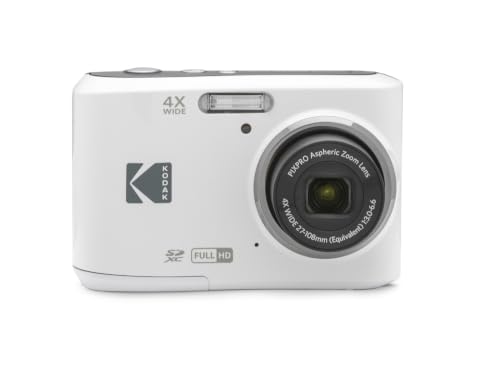
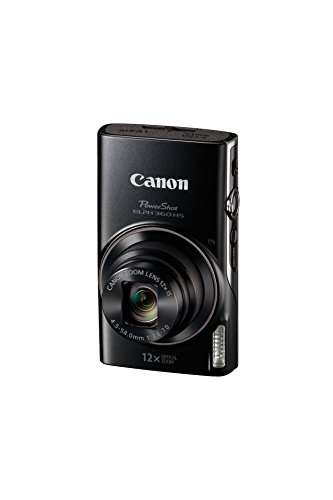
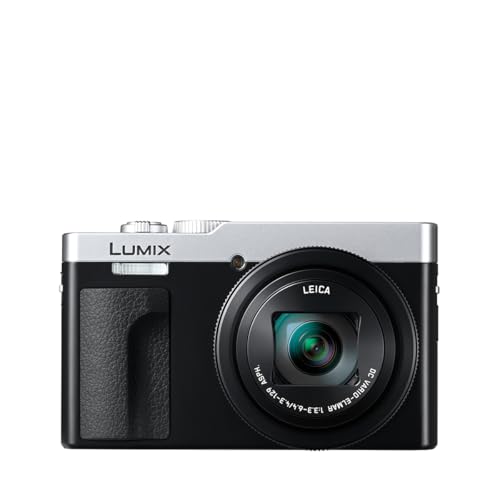
Work through the sections in order and the shortlist narrows quickly. Start with size, then judge the sensor and lens, then check power and video only as far as your habits require. The comparison table below gathers the key figures in one place so you can match them against the guidance that follows.




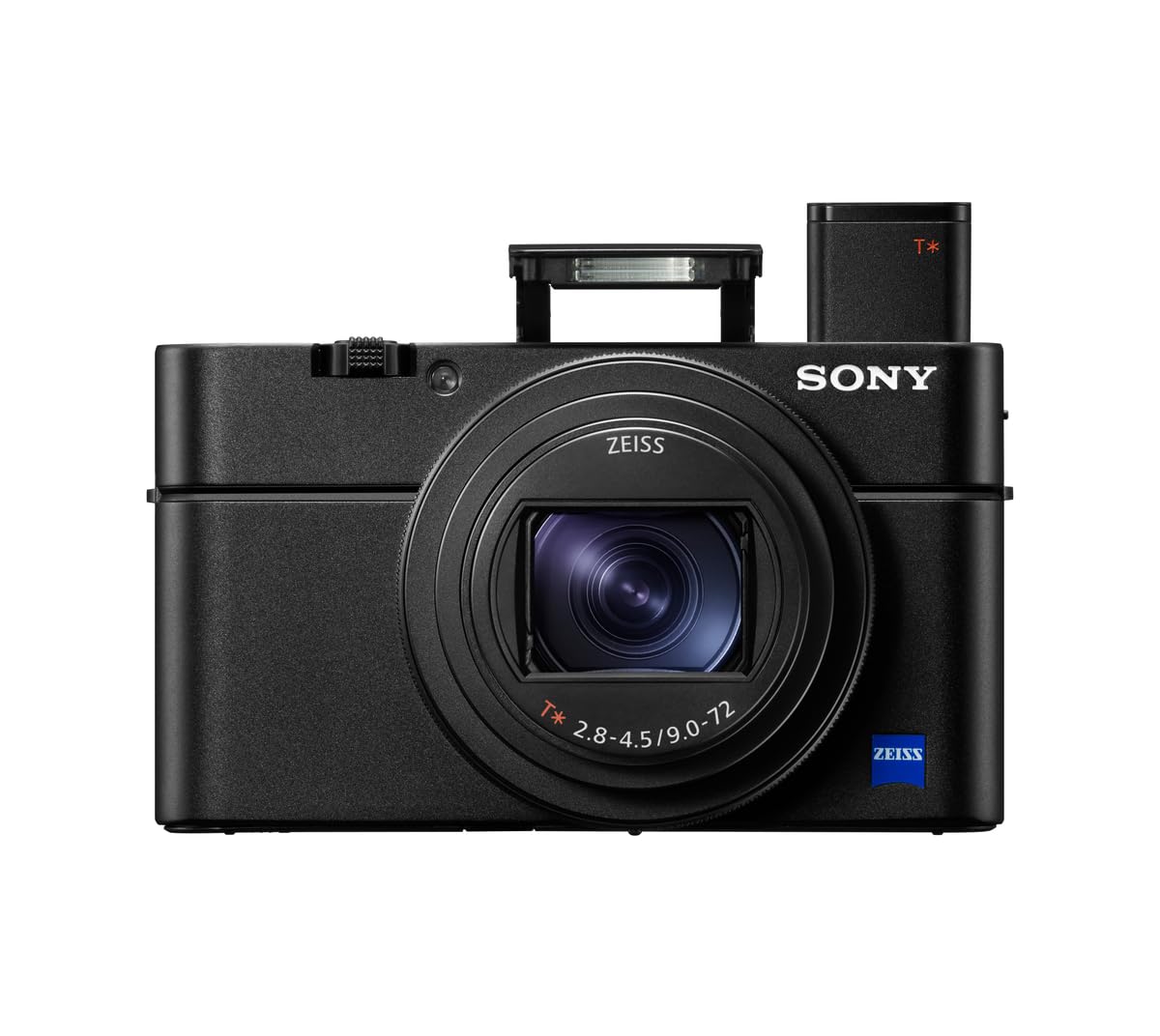
The Pocket Test Comes First
A compact point and shoot is bought to be carried, and a camera left at home takes no photographs at all. Judge size by the pocket you actually use, because a model that fits a coat pocket may still be too bulky for a trouser pocket or a small handbag. Weight matters in the same practical way, since a heavy body quietly stops being the camera you grab on the way out.
Be honest about that test before you pay for extra reach or a larger sensor. A slightly simpler camera that rides with you every day will return more good photographs than a more capable one that travels only on planned outings. Measure your pocket or bag space, hold the depth of the body in mind, and remember that a protruding lens and a chunky grip add more bulk than the headline dimensions suggest.
The automatic class is the point of this class. Most owners choose these cameras because the camera handles exposure and focus while they pay attention to the scene, and that ease is a feature rather than a compromise. If you enjoy changing lenses and setting every control by hand, you are shopping in a different class and should admit that early.
Your phone is the rival every compact must beat, because it is already in your pocket and already paid for. A dedicated compact earns its place when it offers real optical zoom, a steadier grip, a stronger flash, longer battery life, or cleaner results once the light drops. If none of those gains matters to your photographs, the honest answer may be to spend nothing and use the phone well.
How to Choose the Best Compact Point and Shoot Cameras
The factors below explain most of the difference between a satisfying purchase and a drawer full of regret. Read them in this order, because portability and the lens decide more days of use than any single specification further down the list.
Measuring for Size and Portability
Compare body depth with the lens closed, since that is the shape you carry, and treat weight with the battery and card fitted as the true figure. Slim travel zoom models trade grip comfort for a flat profile, while larger compacts with a pronounced grip sit more securely in one hand. A wrist strap loop, a case that opens quickly, and controls you can reach without looking all add to real portability. If you walk, cycle, or travel light, give size the deciding vote whenever two models look close on image quality.
Sensor Size and Image Quality
Sensor size shapes image quality more than the megapixel count printed on the box. Small sensors around the size used in phones keep bodies tiny and prices low, one inch sensors step up detail and low light cleanliness, and larger formats belong mostly to premium fixed lens models. More megapixels on a tiny sensor can add noise rather than detail, so judge sample descriptions and lens quality alongside the headline number. Readers comparing the wider digital field may also find our guide to best point and shoot digital cameras useful for how these classes are named and grouped.
Autofocus and Stabilization
Autofocus speed decides whether a candid moment lands sharp or soft, and face detection helps greatly with family and travel portraits. Eye detection, once found only on larger cameras, now appears on many compacts and holds focus well on people and pets. Image stabilization steadies the objective lens or the sensor to counter hand shake, which matters most at long zoom settings and in dim rooms. A camera that focuses confidently in ordinary indoor light is worth more than a longer feature list that hesitates when it counts.
Lens and Zoom Range
Optical zoom moves glass to change magnification, so detail survives, while digital zoom crops the image and detail falls away. A modest three to five times zoom suits everyday scenes, a ten times or greater travel zoom reaches across squares and stadiums, and a bright fixed lens trades reach for better low light results. Check the aperture figures too, because a lens that stays bright through its range keeps shutter speeds up and backgrounds softer. Reach you rarely use is less valuable than clarity at the settings you use daily.
Battery Life and Charging
Shot ratings describe still photographs per charge under rating conditions, and heavy video use, flash use, and screen reviewing all reduce the real figure. Cameras that charge over USB C are easy to top up from a laptop or a power bank while traveling, which softens a modest rating considerably. A removable battery still matters for long days, because a charged spare swaps in within seconds. Plan power around your longest typical day out rather than around an average afternoon.
Video Capabilities
Many compacts record 4K video, and that resolution helps if you crop footage later or watch on a large screen. Frame rate, stabilization while walking, and microphone quality shape everyday clips more than resolution alone, so weigh those before chasing the highest number. A screen that tilts helps with high and low angles, and a screen that flips forward helps if you talk to the camera. Shoppers weighing simple stills and video models side by side can compare the naming in our guide to best point & shoot cameras, which covers the same family under its common short name.
Types of Compact Point and Shoot Cameras
The class splits into clear families, and naming your family first prevents paying for strengths you will never use. Prices overlap between families, so buy the shape of use rather than the highest price you can manage.
Point and Shoot Compacts
The classic compact pairs a small sensor or a one inch sensor with a retractable zoom lens and fully automatic shooting, plus scene modes for portraits, food, and night scenes. These are the cameras most buyers mean by the term, and the better ones add a helpful grip, reliable face detection, and honest battery life. For a closely related view of the same intent, see our guide to best cameras for point and shoot, which approaches the category from the camera side of the phrase. Expect about $200 to $500 for a strong everyday model.
Travel Zoom Compacts
Travel zoom models stretch optical zoom to ten, twenty, or even thirty times while staying pocketable, which makes them favorites for sightseeing, school events, and wildlife at a distance. The trade is a smaller sensor, so results in dim light trail behind larger sensor compacts even when daylight shots look crisp. Electronic viewfinders appear on some models and help greatly in bright sun where screens wash out.
Our guide to best point and shoot compact digital cameras covers this digital compact branch in its own right. Prices commonly run about $300 to $700.
Premium Fixed Lens Compacts
Premium compacts pair a large sensor with a fixed lens that does not zoom, and they reward photographers who move closer or step back instead of relying on reach. Image quality rivals larger cameras, controls are direct, and bodies stay jacket pocket size rather than trouser pocket size. The limits are real, since a fixed focal length frames some scenes awkwardly and prices run about $800 to $1,500. Buyers who value clean files and a simple, deliberate way of shooting will find this the most satisfying family of all.
Rugged and Weatherproof Compacts
Rugged compacts are built to survive drops, dust, and water, with sealed bodies that suit beaches, boats, building sites, and ski trips. Action cameras sit beside this family as even smaller, tougher recording tools, though their very wide lenses suit video and close action better than general stills. Weatherproof ratings describe resistance under stated conditions, so rinse salt and sand away as the maker directs and respect depth limits. Image quality is usually modest for the price, because you are paying for survival first.
Choosing a Camera for Your Situation
Match the family to the life it will lead. Daily carry favors the slimmest classic compact, travel favors reach and charging convenience, careful hobby shooting favors the premium fixed lens, and rough outdoor use favors the rugged body. Mirrorless cameras enter the conversation only when you want interchangeable lenses and accept a larger bag, because that step changes the carrying promise entirely.
Best Compact Point and Shoot Film Cameras
The film class is a different purchase from any digital compact in this guide. Film and processing are running costs on every roll, results wait days rather than appearing on a screen, and some film formats are gone entirely, so check that the format a camera uses is still made and still processed near you. Judge a film compact on lens condition, light seals, battery type, and whether its automatic metering still works, rather than on features.
Our guide to best film cameras point and shoot covers the film branch in full. Choose film for its look and its slower pace, with eyes open about the cost per photograph.
How to Make Your Compact Point and Shoot Camera Last Longer
Small cameras fail from grit, moisture, and neglect more often than from worn electronics, so simple habits repay the little time they take.
- Clean the lens with a proper lens cloth rather than a shirt, because grit held in clothing fabric can scratch coatings.
- Carry a spare battery on long days, and rotate batteries so neither sits unused for months at a time.
- Store the camera in a dry, padded bag, away from bathroom steam, car heat, and loose coins or keys.
- Keep retracting lenses free of sand by brushing the barrel gently before switching the camera off.
- Update the firmware when the maker offers it, since updates can improve autofocus behavior and fix faults.
- Format memory cards in the camera after copying your photographs, which keeps the card file system healthy.
Treat the product table above as your reference for which models include a case or a spare battery option, since small accessories change the true cost of ownership.
Questions Answered: Compact Camera FAQ
Which compact camera type is better for low light?
A premium fixed lens compact with a large sensor is better for low light than a small sensor travel zoom. Its sensor gathers more light per photograph and its bright lens keeps shutter speeds usable indoors. One inch sensor models sit in the middle and handle restaurants and evening streets respectably. Whichever you choose, holding the camera still and bracing against a wall gains more than any setting buried in a menu.
How much should I spend on my first compact camera?
About $200 to $400 buys a capable first compact with a useful zoom, dependable autofocus, and charging over USB. Spending less often means a sensor barely ahead of a phone, which undermines the reason for buying a separate camera at all. Spending more mainly buys a larger sensor, longer reach, or tougher construction rather than easier operation. Keep part of the budget for a case, a spare card, and a second battery.
Is a smartphone enough instead of a compact camera?
A smartphone is enough if your photographs stay on screens, your subjects stay close, and you rarely shoot in dim light. A compact pulls ahead with true optical zoom, a grip shaped for one handed shooting, a real flash, and a battery that does not compete with your messages and maps. Battery separation alone saves many travelers, since the camera can run flat without stranding the phone. Decide by the photographs your phone has already failed to get.
What specs matter most for beginners?
Autofocus reliability, a sensible zoom range, and image stabilization matter most for beginners. Those three decide whether ordinary photographs come out sharp without any skill on your part. A clear automatic mode and a screen you can read in sunlight come next, ahead of megapixel counts and long feature lists. Beginners should also favor a camera with a simple menu layout, because a camera you understand gets used with confidence from the first week.
What does optical zoom mean on a compact camera?
Optical zoom means the lens changes magnification by moving its glass elements, so the sensor still records the full scene in detail. A five times zoom makes distant subjects appear five times larger than at the widest setting. Digital zoom, by contrast, enlarges the middle of the image and discards the rest, which is why prints from heavy digital zoom look soft. For travel, pairing optical zoom with stabilization matters more than the largest zoom number on the box.
Wrapping Up
Start with the pocket test, then weigh sensor size against zoom reach, then confirm that battery life and charging fit your longest ordinary day. That order keeps the purchase honest, because it begins with carrying and ends with convenience rather than with a specification sheet. The best compact point and shoot cameras for you are the ones whose strengths match the photographs you actually take. Compare your shortlist against the product table above and choose the family that fits your life.