
Best Canon Point and Shoot Digital Cameras for 2026
Disclosure: We may earn a commission when you buy through links on this page, at no extra cost to you. As an Amazon Associate I earn from qualifying purchases. Learn more

Compare Canon point and shoot digital camera types, zoom ranges, sensors, and video features, and pick a pocket model for travel and everyday use.
Choosing among best canon point and shoot digital cameras can feel confusing, because pocket models that look alike can differ a lot in zoom, sensor size, and video help. This guide compares the main types side by side, so you can match a camera to travel, family photos, or everyday carry without paying for features you will not use. The comparison table below lays out the main types at a glance.
You do not need to learn every spec before you buy. Focus on how you will carry the camera, how far you need to zoom, and whether video matters as much as still photos. The sections that follow explain each type in plain terms, then walk through the features that change real results. Those priorities decide which of the best canon point and shoot digital cameras is right for you.


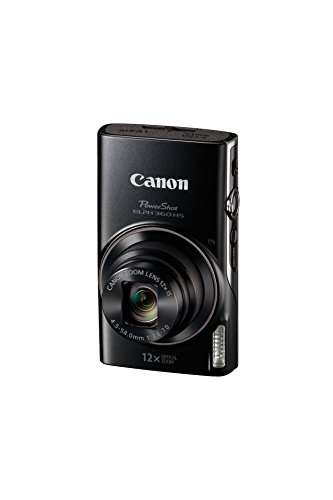


Types of Canon Point and Shoot Digital Cameras Compared
The table below sums up the three main types. Read it as a starting point, then use the detail under each heading to judge which trade offs suit you best. For the wider family beyond one brand, see our guide to best point and shoot digital cameras.
| Type | Best For | Strengths | Limits | Typical Price |
|---|---|---|---|---|
| Pocket everyday models | Everyday carry and family photos | Small size, simple controls, fast startup | Short zoom, smaller sensor | about $250 to $450 |
| Long zoom travel models | Travel and outdoor days | Long reach, steady grip, flexible framing | Larger body, softer at full zoom | about $400 to $800 |
| Vlogging friendly models | Video diaries and social clips | Flip screen, mic input, steady video | Faster battery drain in video | about $300 to $850 |
Pocket Sized Everyday Models
Pocket everyday models are built to disappear into a jacket pocket or a small bag, and that easy carry is their main appeal. Controls stay simple, startup is quick, and the camera is ready when a moment appears, which suits family outings, street scenes, and daily snapshots. The trade off is reach: zoom often stops at about 3x to 5x, so distant subjects stay small, and the smaller sensor can struggle in dim rooms. Choose this type if you will carry the camera everywhere and want the lightest, least fussy option, and new buyers comparing simple models can also see our guide to best cameras for point and shoot.
Long Zoom Travel Models
Long zoom travel models stretch from a wide view for rooms and landscapes to a long reach for wildlife, landmarks, and stage events. A deeper grip helps you hold the camera steady, and some models add a small viewfinder that helps in bright sun when a rear screen washes out. The cost of that reach is size and weight, and images can soften at full zoom if your hands move or the light drops. Strong stabilization matters more here than on a short zoom model, so check how the camera steadies both photos and video.
Vlogging Friendly Models
Vlogging friendly models put video first, with a screen that flips forward so you can frame yourself, a mic input for clearer speech, and autofocus that follows faces as you move. Many record in 4K, which gives you room to crop a clip later, and stabilization keeps walking shots watchable. Video drains the battery faster than still photos, so a spare battery is a practical add on, and outdoor audio still benefits from a wind cover on the mic. Pick this type if you plan to talk to the camera often or post clips regularly.
Pocket Models vs Long Zoom Models: Which Should You Choose?
Size is the first dividing line. A pocket model goes everywhere with you, while a long zoom model asks for a bag or a larger coat pocket and rewards you with reach. Low light is the second dividing line, because a larger sensor and a wider aperture gather more light, while a long zoom lens often lets in less light at its far end. Price follows the same pattern, since long zoom optics and larger sensors cost more to build.
Let your days decide. Pick a pocket model if most shots happen close by, in good light, and on the move. Pick a long zoom model if you travel, watch wildlife, or shoot events where you cannot walk closer. If video leads your plans, compare both against a vlogging friendly model before you settle, since a flip screen and a mic input change daily use more than a small bump in zoom.
How to Choose the Right Canon Point and Shoot Digital Camera
Work through the five factors below in order. Each one narrows the field, and together they keep you from paying for a spec that sounds good but does not fit your habits. For the broader Canon range, see our guide to best canon point and shoot cameras.
Size, Weight, and Ergonomics
Think about where the camera will live between shots. A model that fits a pocket gets used more than a model left in a hotel room, so weigh honest carry habits over wishful ones. Grip shape matters as much as weight: a textured grip and a clear thumb rest help on long days, and buttons you can find without looking help when a scene changes fast. If you shoot one handed often, check that the zoom control and shutter fall under your fingers naturally.
Video Capabilities
Video needs go beyond a 4K label. Check the frame rate options, since higher rates smooth motion, and check whether stabilization works in the resolution you plan to use. A mic input makes a real difference for speech, and a flip screen helps you frame yourself without guessing. Long clips can also warm a small camera, so read the maker guidance on recording limits and carry a spare battery if you film often.
Lens and Zoom Range
Optical zoom moves glass to magnify the scene, while digital zoom crops the image and loses detail, so compare optical figures only. A wide starting point, around 24 mm equivalent, suits rooms and landscapes, while a long end past 200 mm equivalent suits distant subjects. Aperture, written as an f number, tells you how much light the lens gathers: a lower number means a wider opening and easier shooting in dim rooms, though it varies across the zoom range.
Sensor Size and Image Quality
Sensor size shapes low light results and background softness more than megapixel count alone. A 1 inch sensor gathers more light than a small phone sized sensor, which shows up as cleaner images indoors and at dusk. Megapixels still matter for large prints and heavy crops, but a huge count on a tiny sensor does not rescue dim light shots. Judge image quality by sensor size, lens brightness, and stabilization together, not by any single number, and for a wider look at sensors across brands, see our guide to best digital cameras.
Durability and Weather Sealing
Most pocket cameras handle light splashes and dust better than a soaking, so read the maker rating rather than assuming full waterproofing. Sealed buttons and a covered lens help on beaches and rainy walks, and a padded bag guards against knocks in transit. Humidity can fog a lens when you move from cold air to warm air, so give the camera time to adjust before shooting. A lens cloth in the bag keeps smudges from dulling otherwise good shots.
What Different Budgets Buy
Value range. Value models cover everyday photos well, with simple controls, modest zoom, and reliable auto modes. They suit new buyers, family use, and anyone who wants a step up from a phone without a steep learning curve.
Midrange. Midrange models add a larger sensor, a longer zoom, or stronger video help, and they suit travelers and hobbyists who shoot often. This is where most buyers find the best balance of image quality, reach, and carry size.
Higher spend. Higher spend models pair a large sensor with a bright lens, fast autofocus, and full video controls. They suit keen photographers who print large, shoot in low light, or film regularly and want room to grow.
Tips to Get the Most From Your Canon Point and Shoot Digital Camera
- Use a soft lens cloth, not your shirt, since fabric can drag grit across the lens coating.
- Carry a spare battery on travel days, because cold weather and video both shorten shooting time.
- Store the camera in a dry, padded bag, and keep it away from sand and loose change that can scratch the screen.
- Format memory cards in the camera before a trip, which keeps the file system tidy and avoids card errors.
- Learn the exposure compensation control early, since a small adjustment rescues bright skies and dark rooms faster than any menu dive.
Canon Point and Shoot Digital Cameras: Your Questions Answered
Which is better for low light?
A larger sensor with a brighter lens is better for low light, because it gathers more light before noise creeps into the image. Stabilization helps too, since it lets you shoot at slower speeds without blur from hand shake. Rest the camera on a wall or table for night scenes, and use the self timer so pressing the shutter does not shake the shot.
Is a smartphone enough instead?
A smartphone is enough if you mostly share online, shoot in good light, and value a device that is always with you. A dedicated camera earns its place with real optical zoom, a comfortable grip, and direct controls for exposure and focus. Physical dials let you change settings without looking away from the scene, which matters when light or action changes fast.
What specs matter most for beginners?
Beginners should weigh sensor size, optical zoom range, stabilization, and simple menus above headline megapixels. Fast, reliable autofocus matters more than exotic modes, since missed focus ruins more shots than any missing feature. Check the rated battery life for still photos, because a camera that dies midday teaches frustration faster than any spec sheet.
How much should I spend on my first one?
Most first time buyers do well in the value to midrange stretch, where image quality, zoom, and ease of use meet without a steep price. Spend more only if you know you need long zoom, large sensor low light help, or full video controls. Reserve part of your budget for a spare battery and a fast memory card, since both affect daily use more than a small spec bump.
Final Thoughts
Start with carry size, then zoom, then sensor, and let video needs tip the balance toward a vlogging friendly model when filming leads your plans. A camera you enjoy carrying will take more photos than a stronger camera left behind, so honest habits beat spec chasing. Review the product table above once more, match its types to your days, and pick the best canon point and shoot digital cameras type that fits how you actually shoot.

