
Best Compact Home Theater Speakers 2026 Buying Guide
Disclosure: We may earn a commission when you buy through links on this page, at no extra cost to you. As an Amazon Associate I earn from qualifying purchases. Learn more

The best compact home theater speakers keep dialogue clear and effects convincing in a small room; here is how to choose, place and wire a system.
A small room can still deliver a convincing film night if the speakers are chosen and placed with care. The best compact home theater speakers keep dialogue clear, add believable surround effects, and fit shelves, stands, or walls without crowding the space. The product table lists current models and systems to compare.
Compact home theater speakers should make dialogue clear, effects exciting, and music natural, all in a small room. Speaker placement and the center channel shape film sound more than sheer size does. This guide explains how to build a compact system that suits your room, your TV, and your seating, without overwhelming the space. The sections that follow explain the main system types and what each choice means for film nights.


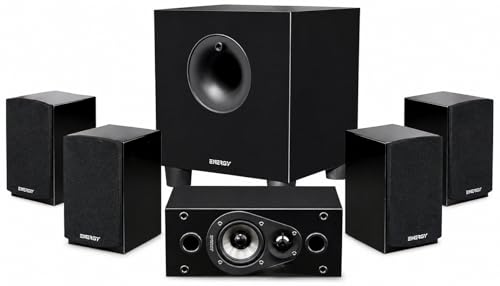


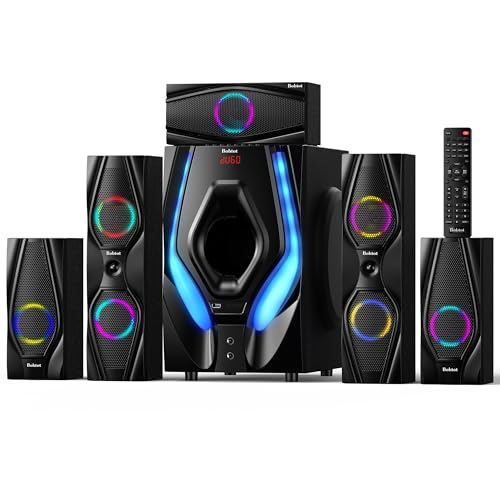
Who Should Buy Which Type
For small living rooms
Small living rooms need compact speakers that sit neatly on shelves, stands, or walls without crowding the room. A clear center speaker matters most, since it carries dialogue. Keep speakers close to the screen for a natural match between sound and picture.
For film lovers
Film lovers need a system that handles quiet dialogue and loud effects without distortion. A balanced set with a subwoofer adds depth, while clear center and front speakers keep voices intelligible. Check that the receiver or sound system can drive the speakers cleanly.
For renters
Renters need speakers that install without drilling or heavy wiring. Stand mounted or shelf speakers suit rented rooms, and wireless rear options reduce cable runs. Choose a system that can move with you, and keep boxes for future moves.
Key Features Explained
Center channel clarity
The center speaker carries most dialogue, so it should sound clear at low volume and natural at high volume. A dedicated center speaker beats a TV speaker for intelligibility. Place it close to the screen, angled toward listeners, and avoid placing it inside a closed cabinet if possible.
Surround balance
Surround speakers should add space and effects without drawing attention to themselves. They should match the front speakers in tone, so sound moves smoothly around the room. Small rear speakers suit compact rooms, and placement at ear height or slightly above works well.
Bass and subwoofer
Bass adds weight to films, but too much bass can overwhelm a small room. A compact subwoofer placed carefully gives depth without boom. Try corner and wall positions, and adjust volume so effects feel powerful but dialogue stays clear.
Receiver and connections
A receiver or sound system should offer enough inputs for your TV, player, and console, plus simple controls. Check HDMI, optical, and wireless options, and confirm speaker impedance guidance. A system that is easy to use will be enjoyed far more than a complex one.
Main Types Compared
Compact 5.1 speaker sets
Compact 5.1 sets include front, center, surround, and subwoofer speakers for full surround sound. They suit dedicated film rooms and keen viewers. They need more wiring and placement planning than a soundbar.
Soundbar with rear speakers
Soundbar systems with rear speakers give surround effects with simpler wiring. They suit renters and small rooms. They may lack the separation of a full speaker set, but they improve TV sound greatly.
Bookshelf based theater sets
Bookshelf based sets use compact bookshelf speakers for fronts and surrounds, giving better music sound too. They suit rooms that serve both films and music. They need stands or shelves and a separate receiver.
Checks Before You Order
Before you buy, measure seating distance, check wall and shelf space, and list every source device. Think about wiring routes, neighbor noise, and whether you need a subwoofer. A system that fits your room and seating will sound better than a larger system squeezed into a small space. Check dialogue clarity at normal volume, not just loud effects.
Care and Long Term Use
Keep speakers dust free, check cables for wear, and avoid blocking ports or drivers. Place speakers away from heat and direct sun, and keep the subwoofer clear of walls when possible. Update receiver settings after moving furniture, since room changes affect sound. Good care keeps film sound clear and balanced.
Budget, Setup, and Common Mistakes
Compact home theater speakers cover a wide price range, from simple powered systems that improve on TV speakers to bookshelf speaker pairs and full surround sets that need a separate receiver. Spend first on a clear center channel and balanced front speakers, because dialogue and tone matter more in a small room than raw power. A receiver or powered system you find easy to use will get more use than a complicated one.
- Buying a system that is too large for the room, which makes bass boom and dialogue muddy.
- Placing the center speaker inside a closed cabinet or far below the screen, which blurs voices.
- Setting the subwoofer too loud, so effects drown out dialogue and annoy neighbors.
- Skipping a check of the receiver's inputs and speaker connections before ordering.
- Running speaker wire carelessly across walkways, or mixing up polarity at the terminals.
Related guides that may help include the best quality speakers for home theater, the best home movie theater speakers, the best wall speakers for home theater, the best wire for home theater speakers, and the best center speakers for home theater.
Frequently Asked Questions
Do I need a center speaker for home theater?
A center speaker greatly improves dialogue clarity, since it anchors voices to the screen. Without one, dialogue can sound thin or drift to one side. A dedicated center speaker is the single most useful upgrade for film viewing in a small room. Place it as close to the screen as possible for the best effect.
Where should surround speakers go in a small room?
Place surround speakers to the sides or slightly behind seating, at ear height or slightly above. Keep them balanced in distance and volume, so effects feel even. In very small rooms, wall mounting saves floor space. Avoid placing one surround far closer than the other, since it unbalances the sound.
Is a subwoofer too much for a small room?
A compact subwoofer can work well in a small room if volume and placement are set carefully. Start with low volume, try different spots, and adjust until bass feels full but not boomy. A subwoofer adds film impact that small speakers alone cannot give. Neighbours matter too, so keep late night volume sensible.
Can compact speakers sound good for music too?
Yes, well chosen compact speakers can sound natural for music as well as films, especially bookshelf based sets. Look for balanced tone, clear voices, and controlled bass. A system built only for loud effects may sound harsh for music. Listen to both films and music before you decide, and weigh this factor against comfort, fit, and long term care.
What wiring do home theater speakers need?
Most passive speakers need speaker wire from a receiver, with correct polarity and secure connections. Keep wire runs tidy and away from power cables where possible. Wireless rear speakers reduce visible wiring but still need power. Check your receiver manual for impedance and wire gauge guidance, and compare this point with your own daily routine before you decide.
Final Thoughts
Compact home theater sound depends on clear dialogue, balanced surrounds, and careful placement. Use the product table above to compare systems, then measure your room and seating before you buy. A well placed compact set will make film nights clearer and more enjoyable without taking over your living room.
When you weigh fit, features, and care together, best compact home theater speakers becomes a clearer choice. Compare the main options calmly, check fit and features, and choose the one that suits your daily life best.


