
Best Compact Interchangeable Lens Cameras for Every Need: How to Pick the Right One in 2026
Disclosure: We may earn a commission when you buy through links on this page, at no extra cost to you. As an Amazon Associate I earn from qualifying purchases. Learn more

The best compact interchangeable lens cameras pair a small body with swappable lenses; here is how to compare sensors, lenses, autofocus and kit weight.
There is no single camera that suits every trip, family event and creative project, so start with how and where you actually shoot. The best compact interchangeable lens cameras pair a small body with the freedom to swap lenses, giving you cleaner low light photos and far more creative control than a fixed lens camera, without the bulk of a large system.
This guide sorts buyers by real use first, then walks through sensor size, lens choice, focus, stabilization, battery life and the true size of a complete kit. Use it to build a short list, then check the product table to see how current options line up on the points that matter most.



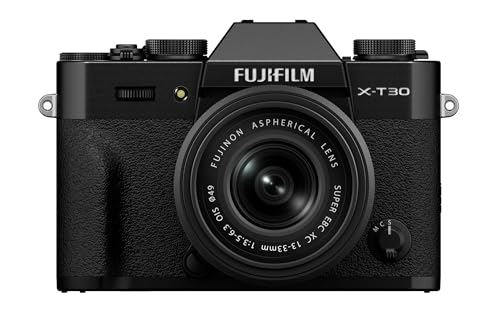
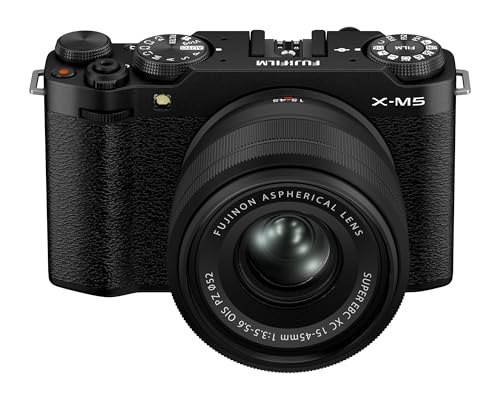

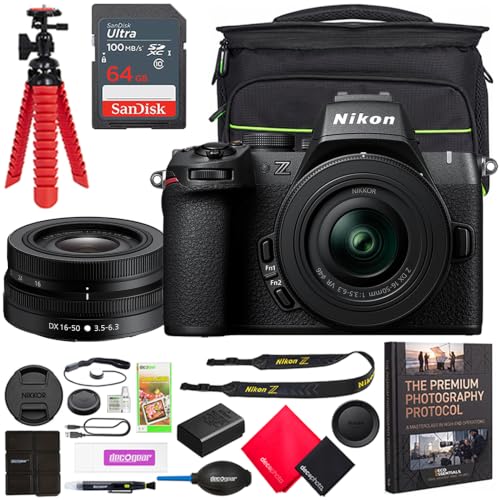
Who Should Buy Which Compact Interchangeable Lens Cameras?
Compact means different things depending on whether you walk all day, film for an audience or chase children around a park. Match your main use to one group below, and let that group decide which features deserve your money first.
For Travelers and Commuters Who Pack Light
You need a kit that disappears into a small sling bag and stays comfortable from morning to night. Prioritize a light body paired with one versatile zoom, because the lens often weighs more than the camera itself. Look for USB C charging so a power bank can top up the battery on a train, plus basic weather sealing for dusty streets and light rain.
For Students and Everyday Family Photographers
You need reliable results at birthdays, school events and weekend outings without studying a thick manual first. Prioritize clear menus, dependable automatic modes and a kit zoom that covers group photos and portraits. A complete kit around $600 to $1,100 leaves room in the budget for a memory card and a padded bag. Choose a system with plenty of affordable lenses, since extra lenses should not strain your budget later.
For Video Creators Who Film on the Move
You need clean 4K video, a screen that flips toward you and a microphone input for clear speech. Prioritize steady handheld footage, reliable face tracking and a headphone socket if you monitor audio while recording. WiFi transfer to your phone lets you send short clips the same day. Compact bodies can run warm during long 4K sessions, so check the recording limits in the maker notes before you commit.
For Enthusiasts Stepping Up from a Phone Camera
You have outgrown automatic phone processing and want control over focus, exposure and depth in your portraits. Prioritize a larger sensor, dials you can turn without opening a menu and an electronic viewfinder for bright days when a rear screen washes out. Pick a mount with a lens range you can grow into.
Key Features to Compare
Sensor Size and Low Light Image Quality
Sensor size is the physical area that gathers light, and it shapes detail, depth and noise at high sensitivity settings. Micro Four Thirds sensors keep bodies and lenses smallest, APS C sensors balance size against strong low light results, and full frame sensors gather the most light but push lens size and price up. Megapixel counts matter less than this choice.
Lens Mount and the True Size of Your Kit
The mount decides which lenses fit your camera, and you buy into that whole range, not just one body. Count the compact lenses in the range, especially flat pancake designs and short zooms you would actually carry daily. Readers who do not need the smallest body can compare the wider field in our guide to the best interchangeable lens cameras.
Autofocus Speed and Subject Tracking
Autofocus decides how many moving moments you keep. Look for eye detection for people and animals, tracking that holds a subject while it crosses the frame and strong performance as light falls. Most compact bodies today use a mirrorless design, and our guide to the best mirrorless interchangeable lens cameras explains how that layout keeps both body depth and focus sensors working across the whole frame.
Image Stabilization for Handheld Shooting
Stabilization steadies small hand movements so you can use slower shutter speeds without a tripod. In body systems move the sensor itself and help with almost any lens you fit, while lens based systems steady only the lenses that carry the feature. For video, stabilization smooths walking shots, though a slow and steady pace still matters more than any setting.
Battery Life and USB C Charging
Small bodies hold small batteries, and maker ratings vary with how much you use the screen. Video, WiFi and cold weather all shorten that figure, so plan on a spare battery for full days out. USB C charging softens the problem, since the same cable and power bank that serve your phone can refill the camera during lunch.
Size, Weight, and Grip Comfort
A camera can measure small on paper and still tire your hand if the grip is shallow and the lens pulls forward. Hold the body with its likely lens fitted and check that your fingers reach the shutter and main dial without stretching. Photographers with larger hands often prefer a slightly taller body or an add on grip, which adds only a little weight.
How to Check That a Compact Camera Kit Really Stays Compact
Judge size with the lens you will use most fitted, not with the smallest lens in the catalog. Claims about the best compact interchangeable lens cameras deserve an in person check, so weigh the body, lens, battery and card together and compare that total with what you carry comfortably.
Next, do a bag check before you buy. Place the fitted camera in the bag you truly plan to use, add a spare battery and a cleaning cloth, then carry it on a normal walk. If the bag only closes with the lens removed, the kit is not compact for your routine. Shoppers comparing near identical small systems can also read our guide to the best compact digital cameras with interchangeable lenses for another view of the same size trade offs.
Common Mistakes to Avoid When Buying Compact Interchangeable Lens Cameras
- Judging size by the body alone, because a large zoom can make a small camera front heavy and awkward to carry all day.
- Chasing the highest megapixel count, because files grow larger and noisier while your printed and shared photos look no better.
- Ignoring lens prices when you pick a mount, because an affordable body can lead to a kit you cannot afford to expand.
- Skipping an in person grip check, because a body that feels cramped at home will feel worse during a long day of shooting.
- Buying slow memory cards for 4K video, because recording can stop mid clip when the card cannot keep up with the data rate.
Care and Maintenance Tips for Compact Interchangeable Lens Cameras
Change lenses with the body switched off and the mount facing down, so loose dust falls away from the sensor instead of onto it. Use a soft lens cloth on glass rather than your shirt, since grit in fabric can scratch coatings. A blower clears dust from the mount area safely.
Carry a spare battery and store the kit in a dry, padded bag away from heat and damp. Wipe the body after beach or rain shooting. If the camera will sit unused for months, remove the battery and store it partly charged.
Frequently Asked Questions
How much should I spend on a first compact interchangeable lens camera?
Spend enough for a body with a kit lens, then hold back roughly a fifth of your budget for the extras you will need within months. A fast memory card, a spare battery, a padded bag and one affordable prime lens usually improve your photos more than jumping to the next body tier.
Is a smartphone enough instead of a compact interchangeable lens camera?
A smartphone is enough for casual snapshots, quick sharing and scenes in good light. A compact camera pulls ahead when you print large, crop into a distant subject or shoot portraits where a real lens creates natural background blur that software only imitates.
Which specs matter most for beginners buying a compact interchangeable lens camera?
Start with a helpful guided mode, clear on screen explanations and a kit lens that covers wide group shots through short portraits. One more point body sections rarely mention is weight on your neck strap: a kit you willingly carry to a casual dinner teaches you faster than a heavier kit left at home, so favor the setup you will bring along daily.
Which sensor size is better for low light photos with a compact interchangeable lens camera?
A larger sensor is better for low light photos, since it gathers more light and holds cleaner detail at high sensitivity settings. The lens matters almost as much, because a wide aperture prime can gain you more light than a sensor step up paired with a slow zoom. For still scenes such as buildings at dusk, a small travel tripod beats both upgrades, letting you use slow shutter speeds while keeping sensitivity low and files clean.
Does a compact interchangeable lens camera need its own camera bag for travel?
No, a dedicated camera bag is optional if your everyday backpack has room for a padded insert. An insert protects the body and one spare lens and slides out at security checks, which speeds up airport screening. Measure the insert against your bag before ordering, and leave a little slack, because a fitted zoom makes the camera longer than body only dimensions suggest.
Final Thoughts
Start with your main use, then let sensor size, the lens range and the true weight of the full kit narrow your choice. A camera that fits your bag, your hands and your budget will be used far more than a larger system with better numbers on paper. When you are ready, revisit best compact interchangeable lens cameras in the product table above and pick the system whose lenses you can happily carry and afford to grow with.


