
Best Compact Hifi Speakers 2026: Small Room Sound Guide
Disclosure: We may earn a commission when you buy through links on this page, at no extra cost to you. As an Amazon Associate I earn from qualifying purchases. Learn more

The best compact hifi speakers deliver clear vocals and tight bass in a small room; here is how to judge drivers, placement and amplifier matching.
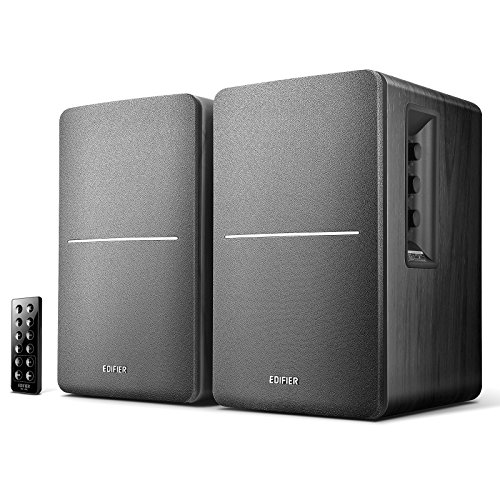
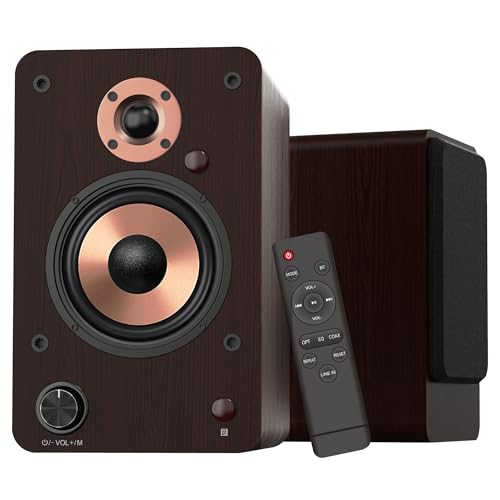
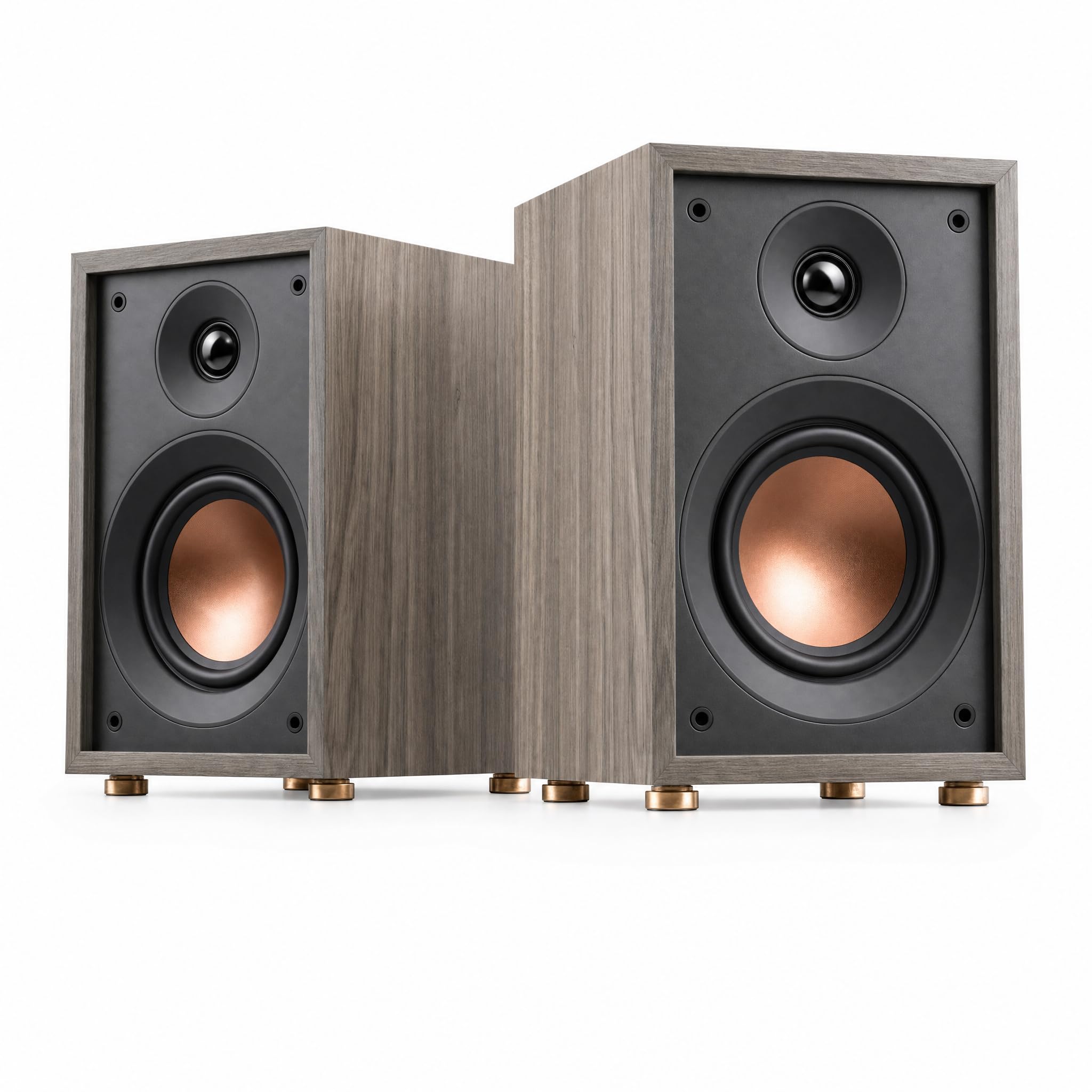
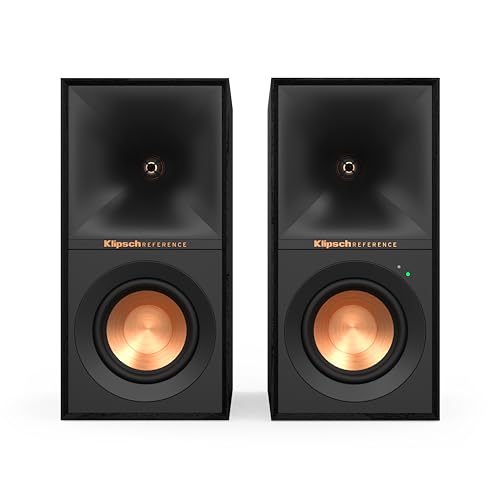
Big speakers do not suit every room, and the best compact hifi speakers prove that careful driver design and good placement can fill a small space with rich sound. The product table lists current models, and this guide explains driver sizes, cabinet types, and connection options. A good compact speaker gives clear vocals, controlled bass, and a wide soundstage without dominating a bookshelf or desk.
Compact hifi speakers trade deep bass for size, so design details matter more than headline power numbers. Cabinet shape, port design, and driver quality shape the sound far more than wattage claims. This guide explains how to judge small speakers honestly, place them well, and match them with a suitable amplifier.






Who Should Buy Compact Hifi Speakers
Compact hifi speakers suit small rooms, desks, bedrooms, and apartments where floor space is tight. They also work as a second system for kitchens and studies. Listeners who value clarity and imaging over room shaking bass will enjoy them most. If you need deep bass for large rooms or home cinema, add a subwoofer or consider larger speakers instead.
Key Features Worth Comparing
Driver Size and Design
Most compact speakers use a small woofer plus a tweeter, and the balance between them shapes the sound. A larger woofer in a compact cabinet gives more bass but needs careful tuning to avoid boom. Soft dome tweeters sound smooth, while metal tweeters can sound detailed but bright. Listen for clear vocals and natural instruments rather than chasing driver size alone.
Cabinet and Port Design
Cabinet stiffness and internal damping control resonance that muddies sound. Rear ports add bass but need space behind the speaker, while sealed cabinets suit tight placement against a wall. Front ports offer a middle path for bookshelf use. Check cabinet weight and build, since a solid cabinet usually sounds cleaner than a light, hollow one.
Bass Limits and Expectations
Compact speakers cannot move as much air as large speakers, so deep bass stays limited. A well tuned compact speaker gives tight, musical bass down to a sensible limit rather than boomy exaggeration. If deep bass matters, plan for a subwoofer crossed over carefully. Judge bass by control and tone, not by how loud the lowest notes seem.
Amplifier Matching
Compact speakers vary in sensitivity and impedance, which affect how much amplifier power they need. High sensitivity speakers play loud with modest amps, while low sensitivity models need more power for the same volume. Check the maker recommended amplifier range and avoid clipping a small amp at high volume. A clean, modest amp usually beats a powerful but noisy one.
Placement for Small Rooms
Place compact speakers at ear height, with space to breathe around them, and angle them slightly toward your listening spot. Keep them away from corners if bass sounds boomy, and use stands or isolation pads to cut vibration. A symmetrical layout with equal distances to side walls gives the most even stereo image. Small moves of a few centimeters can change the sound noticeably.
Connections and Sources
Check inputs for your sources, whether that means a turntable, a streamer, a computer, or a television. Some compact speakers include built in amplification, while passive models need a separate amp. Match the connection type to your setup to avoid extra converters. Keep cables tidy and short, and label them if the system sits in a shared space.
Living With Your Choice
Compact speakers reward a little care in placement and setup. Revisit positioning after adding furniture, since room changes shift bass and imaging. Dust grilles and drivers gently, and keep drinks away from cabinets.
If bass feels thin, check placement and source settings before buying new gear. A well placed compact pair can stay satisfying for many years.
Revisit amplifier settings after changing sources, since a new streamer or turntable can shift balance. Keep cables short and tidy to avoid hum and clutter behind the system.
Related Guides Worth Reading
General hifi comparisons start in best hifi speakers. For small form factors, see best compact speakers. Wireless small options appear in best compact bluetooth speakers and best compact pc speakers, while best hifi wireless speakers covers cable free hifi.
Using Compact Speakers for Vinyl, Work, and Classical Music
For vinyl listeners, match compact speakers with a turntable and phono stage that suit the room size, and place the turntable away from speaker vibration. Isolation pads under the speakers cut feedback into the record player. Start with modest volume and clean records, since surface noise shows clearly on detailed small speakers.
For home office use, compact speakers double as video call audio when positioned symmetrically at ear height. Keep volume moderate to avoid microphone pickup and echo during calls. A front volume knob or remote helps quick adjustments between music and meetings.
For classical listeners, compact speakers reward careful placement for string tone and hall ambience, even without deep bass. Sit at the center of the stereo triangle and keep the room reasonably quiet. A rug and soft furnishings tame harsh reflections in bare rooms.
Frequently Asked Questions
Can small speakers sound as good as large ones?
Small speakers can sound excellent in small rooms, especially for vocals, acoustic music, and detailed listening. They cannot match large speakers for deep bass and very high volume in big rooms. Within their limits, well designed compact speakers often image better and sound cleaner. Match the speaker size to your room and your listening distance.
Do I need a subwoofer with compact speakers?
A subwoofer helps if you listen to bass heavy music or watch films in a larger room. For music in a small room, many listeners enjoy compact speakers alone. If you add a subwoofer, set the crossover carefully so bass blends rather than booms. Start without one, then add it only if bass truly feels missing.
How far from the wall should compact speakers sit?
Rear ported speakers usually need some space behind them to avoid boomy bass, while sealed speakers tolerate wall placement better. Start with a hand width of space and move outward if bass sounds muddy. Front ported models suit bookshelves more easily. Trust your ears in your own room over generic distance rules.
Are active or passive compact speakers better?
Active speakers include matched amplification and simplify setup, which suits desks and small rooms. Passive speakers let you choose and upgrade the amplifier separately. Active models save space, while passive models offer more long term flexibility. Choose based on whether you enjoy tweaking a system or prefer a simple setup.
What amplifier power do compact speakers need?
Power needs depend on sensitivity, room size, and listening volume, so most compact speakers work well with modest, clean amplifiers in small rooms. Avoid driving a small amp into clipping at high volume, since distortion harms drivers over time. Check the maker recommended range and favor sound quality over headline wattage figures.
Final Thoughts
Rich small room sound comes from good drivers, solid cabinets, honest bass, and careful placement. Compare those features using the product table above, and match amplification to sensitivity. Place speakers at ear height, give ports room to breathe, and listen before judging. With the right setup, the best compact hifi speakers can fill a small room beautifully.


