
Best Affordable Home Theater Speakers: Buying Guide for 2026
Disclosure: We may earn a commission when you buy through links on this page, at no extra cost to you. As an Amazon Associate I earn from qualifying purchases. Learn more

A plain guide to the best affordable home theater speakers: room size, dialogue clarity, bass, and system type.
If you are shopping for best affordable home theater speakers, this guide will help you compare options clearly and choose with confidence. It explains the features that matter, the types available, and the mistakes to avoid, in plain terms without jargon.
The comparison table below gives a quick overview of the main types. The sections that follow explain fit, features, and care in detail, so you can narrow your shortlist and judge the final choice by how it performs in real use.
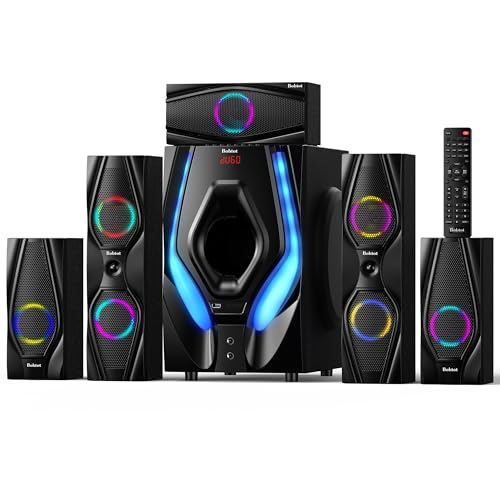

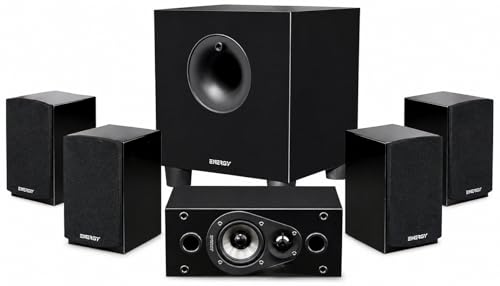


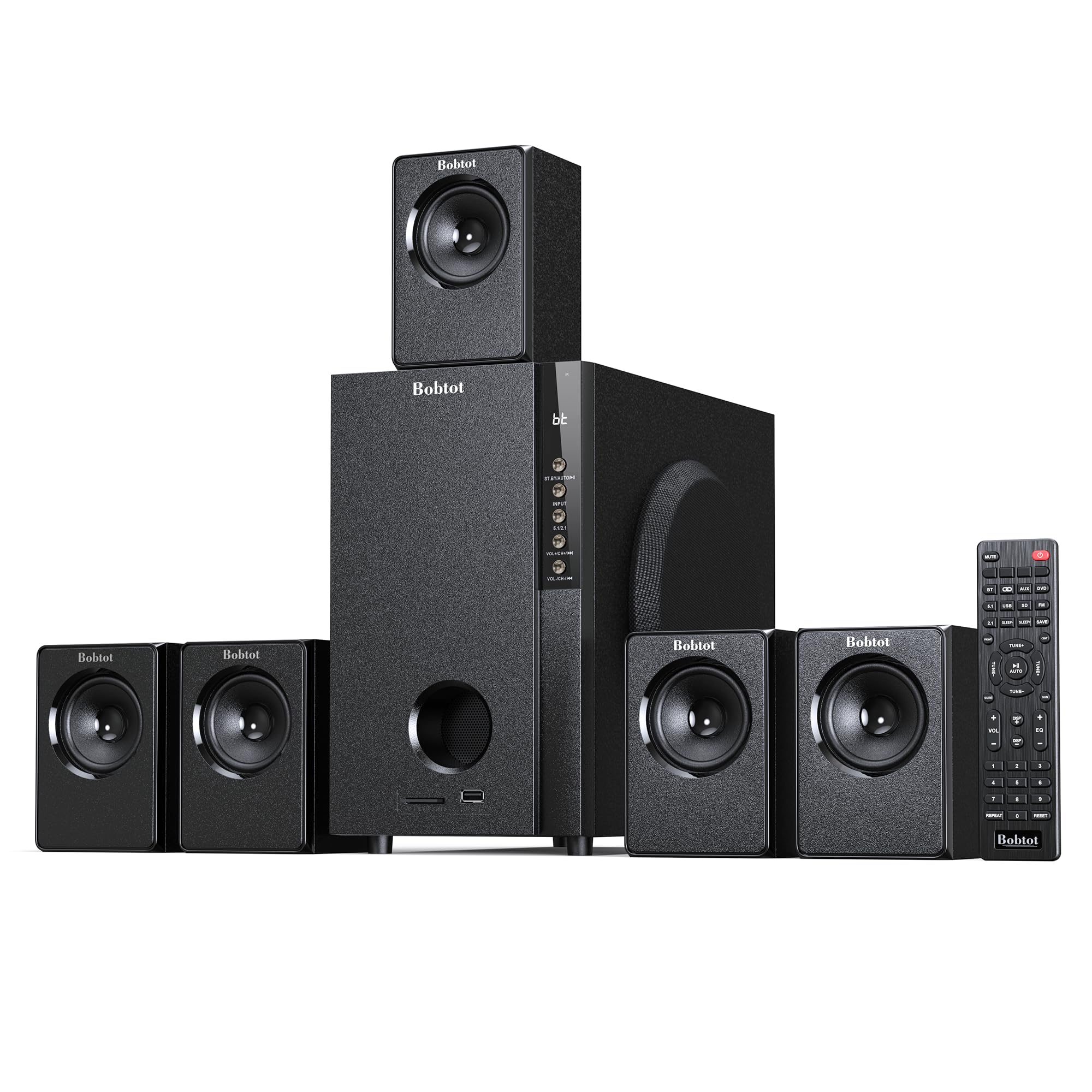
Who Should Buy This
Affordable home theater speakers suit living rooms, dens, and bedrooms where you want clearer dialogue and bigger movie sound than a TV alone. They work for films, sport, and games, and they suit families who watch together most evenings. They suit renters and first time buyers who want a simple system that can grow later. They are a weaker fit for dedicated cinema rooms, where a larger system and acoustic treatment matter more.
Key Features to Compare
When comparing best affordable home theater speakers, focus on the features below before looking at price. Each feature affects daily comfort, performance, or running costs, and the right balance depends on how you will use the product most.
Centre channel and dialogue clarity
The center speaker carries most dialogue, so it matters more than any other single speaker. Place it close to the TV, at ear height when seated, and angled toward listeners. A center speaker that sounds muffled will make every film hard to follow, no matter how good the other speakers are. If you buy in stages, buy the center and front pair first.
Front speakers and soundstage
Front left and right speakers create width and place effects across the screen. Bookshelf speakers suit small and medium rooms, while floor standing speakers suit larger rooms and louder listening. Keep the front three speakers at a similar height and distance from the main seat for a coherent soundstage. Avoid placing front speakers inside a closed cabinet, which muffles sound and boosts bass unevenly.
Bass and subwoofer placement
A subwoofer adds impact for films, but placement changes its sound more than brand does. Corners boost bass, while a mid wall position often sounds smoother. Start with one subwoofer near the front of the room, then move it in small steps and listen from your seat. Keep volume moderate at first, because overpowering bass hides dialogue and tires listeners.
Room size and receiver matching
Match speaker size and power handling to your room, not to the largest system you can afford. Small rooms need less power and smaller speakers, while large open rooms need more output. Check that your receiver can drive the speakers you choose, and that you have enough inputs for your TV, console, and streaming device. Simple wiring, labeled cables, and accessible controls make a system you will actually use.
Getting the Fit Right
Room size and seating distance decide how a system sounds. In a small room of about 10 by 12 feet, compact speakers and a modest subwoofer are enough, while a larger living room needs more output to fill the space. Place the center speaker directly above or below the screen, set the front pair at about ear height on either side of the TV, and keep the surrounds slightly behind and beside your seat. If your room is open to a hallway or kitchen, choose a system with more power than a closed room would need.
Types Compared
The main types of best affordable home theater speakers suit different routines and budgets. Understanding the differences helps you avoid paying for features you will not use, or missing a feature you need every day.
Soundbar plus subwoofer systems
Soundbar systems combine front speakers into one bar, often with a separate subwoofer. They suit small rooms, renters, and anyone who wants simple setup with minimal wiring. Dialogue is usually clearer than TV speakers, but surround effects are less precise than separate speakers. They are a good starting point that can later be replaced, not expanded.
Bookshelf speaker systems
Bookshelf systems use separate front, center, and surround speakers on stands or shelves. They suit medium rooms and buyers who want better separation and a system that can grow. They need more wiring and placement thought, but they reward it with clearer dialogue and a wider soundstage. Start with front three speakers and add surrounds later.
Floor standing speaker systems
Floor standing systems suit larger rooms and louder listening, with deeper bass from the front speakers themselves. They need floor space and a stronger receiver, and they can dominate a small room visually and acoustically. Choose them when your room is large and films are a main hobby, not a casual evening activity.
What Your Money Gets You
Affordable home theater speaker systems usually cost about $100 to $600, depending on whether you buy a soundbar set or separate speakers. A soundbar plus subwoofer sits near the lower end, while a five speaker set with a subwoofer sits higher. Budget for speaker wire, stands or mounts, and possibly a receiver if you choose separate speakers. Buying front speakers first and adding surrounds later spreads cost without sacrificing dialogue clarity.
Spending more mainly buys larger drivers, better cabinets, and smoother bass, which matter most in larger rooms.
Care and Warning Signs
Care is mostly about placement and connections. Keep speakers dry and away from direct heat, and check wire connections yearly, since loose wires cause crackling and dropouts. Dust grilles gently and avoid pushing drivers with fingers. If a speaker sounds distorted, lower the volume and check for a loose wire or a damaged driver before blaming the receiver.
Label cables when you set up, because tracing a fault later is far easier with a simple diagram or photo of the back panel.
Common Buying Mistakes
The most common mistake is buying a speaker package without a way to power it: separate speakers need an amplifier or receiver, while soundbar systems and powered sets do not. Another is ignoring the cable run, since surround speakers placed behind the seats need wire or a wireless kit. Finally, many buyers focus on the watt figure on the box. Dialogue clarity, a balanced center speaker, and a subwoofer that does not boom matter far more than peak power.
Before You Order
Check that the system fits your TV and receiver inputs (HDMI ARC, optical, or speaker wire), confirm what is included in the box, and measure the space for the subwoofer and stands. Look at the return terms in case the bass is too strong for your room, and keep the packaging until you have watched a few films on it.
Related Guides to Compare
For more options, see our guides to the best quality speakers for home theater, the best home movie theater speakers, and the best wall speakers for home theater.
Frequently Asked Questions
Do I need a subwoofer for home theater speakers?
Not strictly, but films sound much fuller with one. A subwoofer handles low effects that small speakers cannot reproduce, from footsteps to explosions. If you live in an apartment with thin walls, keep the subwoofer volume low and place it away from shared walls. Start without one only if your front speakers are large and your room is small.
Are bookshelf speakers enough for a living room?
Yes, for most small and medium living rooms. Bookshelf speakers paired with a center speaker and a subwoofer give clear dialogue and a wide soundstage. Floor standing speakers add output for large rooms, but they are not needed for clear film sound. Choose by room size and listening distance, not by speaker size alone.
Should speakers match in brand and series?
Matching the front three speakers helps dialogue and effects blend smoothly, because they share a similar tonal character. Surround speakers matter less and can differ. If you buy in stages, match the center to the front pair first, then add surrounds from any competent range that fits your budget.
How far should I sit from home theater speakers?
A distance of about 8 to 10 feet suits most living room systems, with speakers angled slightly toward the main seat. Sitting too close makes effects feel separated, while sitting too far in a large room loses impact. Use your receiver setup tones to balance levels from the main seat, then fine tune by ear.
Can I add speakers to a soundbar system later?
Usually only within the same system family, if the manufacturer sells matching surrounds. Most soundbars cannot accept standard separate speakers. If you plan to expand to a full surround set, start with separate speakers and a receiver instead, even if you buy only the front speakers first.
Final Thoughts
Choosing best affordable home theater speakers well comes down to fit, features, and total cost, not to the most expensive model or the longest feature list. Use the product table above to compare types, then judge your shortlist by how it feels and performs in your normal routine. Take your time, check the details that matter for your use, and choose the option you will be happy to use every day.


