
Best Center Speakers For Home Theater 2026: How to Choose the Right One
Disclosure: We may earn a commission when you buy through links on this page, at no extra cost to you. As an Amazon Associate I earn from qualifying purchases. Learn more

Choose center speakers for home theater with clear dialogue, wide seating coverage, and a good match for your front speakers and receiver for smart buying.
In a home theater, the center speaker carries the story. When you compare best center speakers for home theater, you are really comparing how well voices survive action scenes, wide sofas, and larger rooms. This guide explains what to look for so dialogue stays clear without constant volume changes.
The product table above lists center speakers that suit a home theater. Below you will find advice on seating rows, headroom for loud scenes and how to match the center to a full front stage.


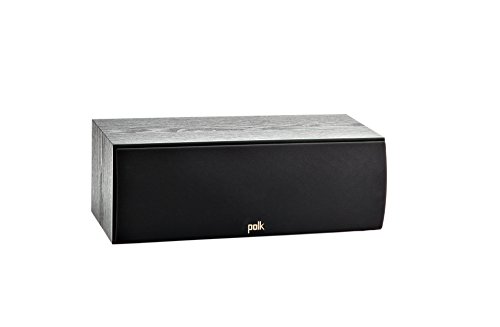


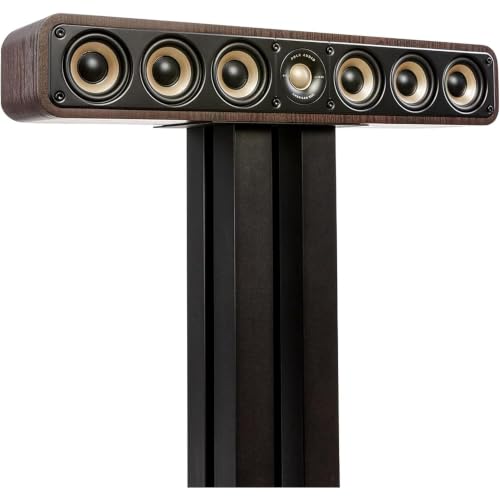

Who Should Buy Which Type
Room type shapes the choice more than anything else here, so find the setting that matches yours.
For Dedicated Theater Rooms
Dedicated theater rooms benefit from a larger three way center with strong output and wide coverage. Rows of seats need even sound, so off axis clarity matters more than in a small living room. Pair the center with matching front speakers and a capable receiver for the best result.
For Living Room Theaters
Living room theaters need a center speaker that fits furniture, looks tidy, and still covers a sofa. A compact or medium model on a stand or shelf often works best. Prioritise dialogue clarity at normal volume, since living rooms are rarely treated for sound.
For Mixed Music and Film Users
Mixed users should look for a neutral center speaker that blends with stereo music as well as film dialogue. A speaker that colours voices will also colour music, so tonal balance matters. Test with both speech and music if you can before deciding.
Types Compared
Theater centers fall into three groups, from big three-way models to matched sets.
Three Way Theater Centers
Three way theater centers use a dedicated midrange driver for clearer dialogue across wide seating. They are larger and heavier, and they suit dedicated rooms and wide sofas. Check stand strength and shelf depth before you buy one.
Compact Theater Centers
Compact theater centers suit living rooms where space is tight and seating is close. They cost less and fit easily, but they may run out of output in a very large room. Choose one when the room is modest and the receiver is not very powerful.
Matching Front Stage Sets
A matched front stage set uses center, left, and right speakers designed to sound alike. This gives the smoothest movement of sound across the screen. It costs more as a set, but it removes much of the guesswork about matching.
Related guides that may help: For overall home theater sound quality, see best quality speakers for home theater. For a full movie room setup, read about best home movie theater speakers. If wall mounting appeals, check best wall speakers for home theater. For cabling your system, see our guide to best wire for home theater speakers. And for overhead sound, explore best ceiling speakers for home theater.
Key Features to Compare
Judge a theater center on the points below. Output and off-axis clarity matter more here than in a small living room.
Off Axis Performance
Off axis performance describes how a speaker sounds to listeners seated away from the center. In a theater with a wide sofa, this matters a great deal. A three way design usually holds up better at an angle, so favour it when seats spread wide.
Output and Headroom
A theater center needs enough output to stay clear during loud scenes without distortion. Check sensitivity and power handling, and leave headroom for peaks. A speaker that strains at your usual volume will make dialogue harsh over time.
Room Size and Acoustics
Hard floors, bare walls, and large rooms reflect sound and can blur dialogue. Soft furnishings, rugs, and curtains help, and receiver room correction can also improve clarity. Factor the room into your choice, not just the speaker alone.
Build and Ventilation
A solid cabinet reduces vibration that can colour dialogue, and good ventilation matters when a speaker sits in furniture. Leave space around the cabinet, especially for ported models. A well built cabinet usually lasts longer and sounds cleaner.
Calibration and Room Correction
Receiver room correction measures your room and adjusts speaker levels and timing, which can greatly improve dialogue clarity. Run calibration after placing speakers, and rerun it after moving furniture. Manual centre level tweaks after calibration often fine tune the result for your seating.
Common Mistakes to Avoid
A common mistake in home theater is spending heavily on front speakers and treating the center as an afterthought, even though it carries most dialogue. Another is placing it far below ear height with no tilt, so sound passes under the listeners. Give the center the same care as the other front speakers, and aim it at the seats.
Getting the Most From Your Choice
Aim the center at ear height, keep its front clear, and rerun room calibration whenever you move furniture or speakers. Check that the center level in your receiver suits your room, since a small boost often helps dialogue without raising overall volume. Dust the grille and check connections a few times a year.
Planning Your Purchase
Map your theater layout before shopping, noting screen position, seating rows, and walking paths. A dedicated room allows a larger center and matched front speakers, while a shared living room calls for a tidier, more compact choice that still covers the sofa.
Consider acoustics as well as equipment, since bare walls and hard floors reflect sound and blur dialogue. Rugs, curtains, and soft furnishings help noticeably, and they cost far less than a speaker upgrade. Treat the room and the speaker as one system.
Set a budget that covers the center, any matching front speakers, and cables, rather than spending everything on one speaker. A balanced front stage sounds better than one excellent speaker paired with weak partners, so plan the whole front stage together.
Questions to Ask Before You Order
- How many seats need clear dialogue, and how wide is the row?
- Is the room dedicated, or shared with daily living?
- Does my receiver support room calibration?
- Can the center sit at ear height, or will it need tilting?
- Do I want a matched front set or a single center upgrade?
Frequently Asked Questions
Why is the center speaker so important in home theater?
The center speaker carries most dialogue and screen centered sounds, so it shapes how easy a film is to follow. A weak center forces constant volume changes, while a clear one lets you hear speech over music and effects. It is worth a good share of a theater budget for that reason.
Should a theater center be large?
Size should match the room and the front speakers. Large rooms and wide seating benefit from larger three way centers, while small living rooms often do better with a compact model placed well. A large speaker placed badly will usually lose to a smaller one placed well.
Can I place a center speaker behind a screen?
An acoustically transparent screen allows sound to pass through, and some dedicated theaters place speakers behind it. A normal TV or solid screen will block sound, so do not place a speaker behind one. Keep the speaker in front of the screen and centered.
How do I set the center level on my receiver?
Run the receiver automatic calibration first, then adjust the center level by ear in small steps while watching dialogue heavy scenes. A lift of a few decibels often helps without making voices sound detached. Avoid large boosts, which can make the center dominate the mix.
Do I need matching speakers for home theater?
Matching the front three speakers gives the smoothest sound across the screen, and it is worth doing when budget allows. Surround speakers matter less for matching. If you upgrade in stages, start with the center and front pair that share a tonal family.
How many speakers do I need for a home theater?
A basic home theater uses five speakers plus a subwoofer, with the center handling dialogue. Larger rooms may add more surround or height speakers, but the front three matter most. Start with a strong front stage, then add surrounds as budget allows.
Final Thoughts
For best center speakers for home theater, clarity across every seat, enough output for loud scenes, and a good match with your front speakers matter most. Compare the product table above with your room size and seating in mind, and choose the model that keeps dialogue effortless.


