Best Compact Bookshelf Speakers 2026 Buying Guide
Disclosure: We may earn a commission when you buy through links on this page, at no extra cost to you. As an Amazon Associate I earn from qualifying purchases. Learn more

Compare compact bookshelf speakers by size, sound, placement, and inputs, with guidance for desks, small rooms, and first setups. Read this guide first.
Compact bookshelf speakers promise clear stereo sound from a shelf, a desk, or a pair of stands without taking over the room. This guide to the best compact bookshelf speakers explains how size, placement, and amplifier matching shape the sound as much as the drivers do. The product table right after the intro lists a range of compact pairs, and the sections below explain what to check before you choose.
Most compact pairs in the table are passive, which means they need a separate amplifier or receiver. That suits a stereo system you can upgrade piece by piece, but it changes what you need to buy, so check the setup before you compare prices.
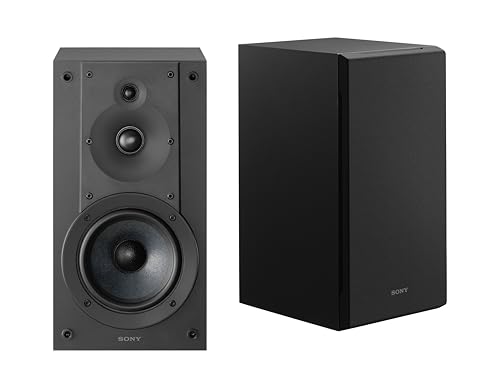
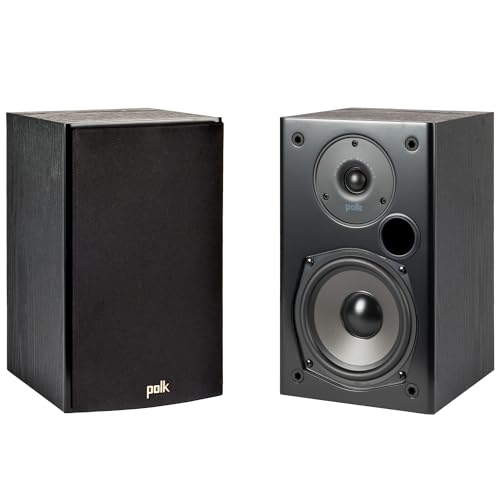

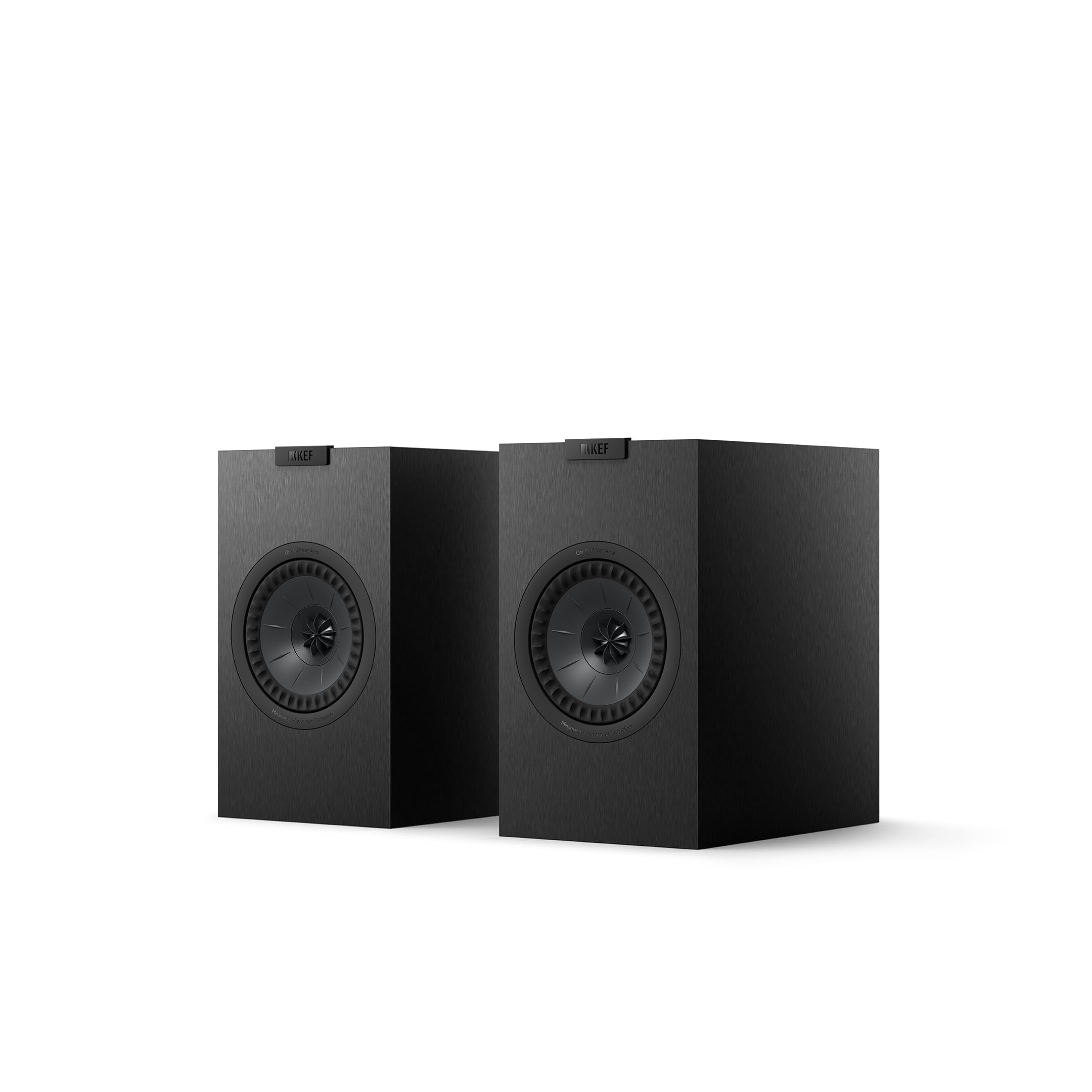
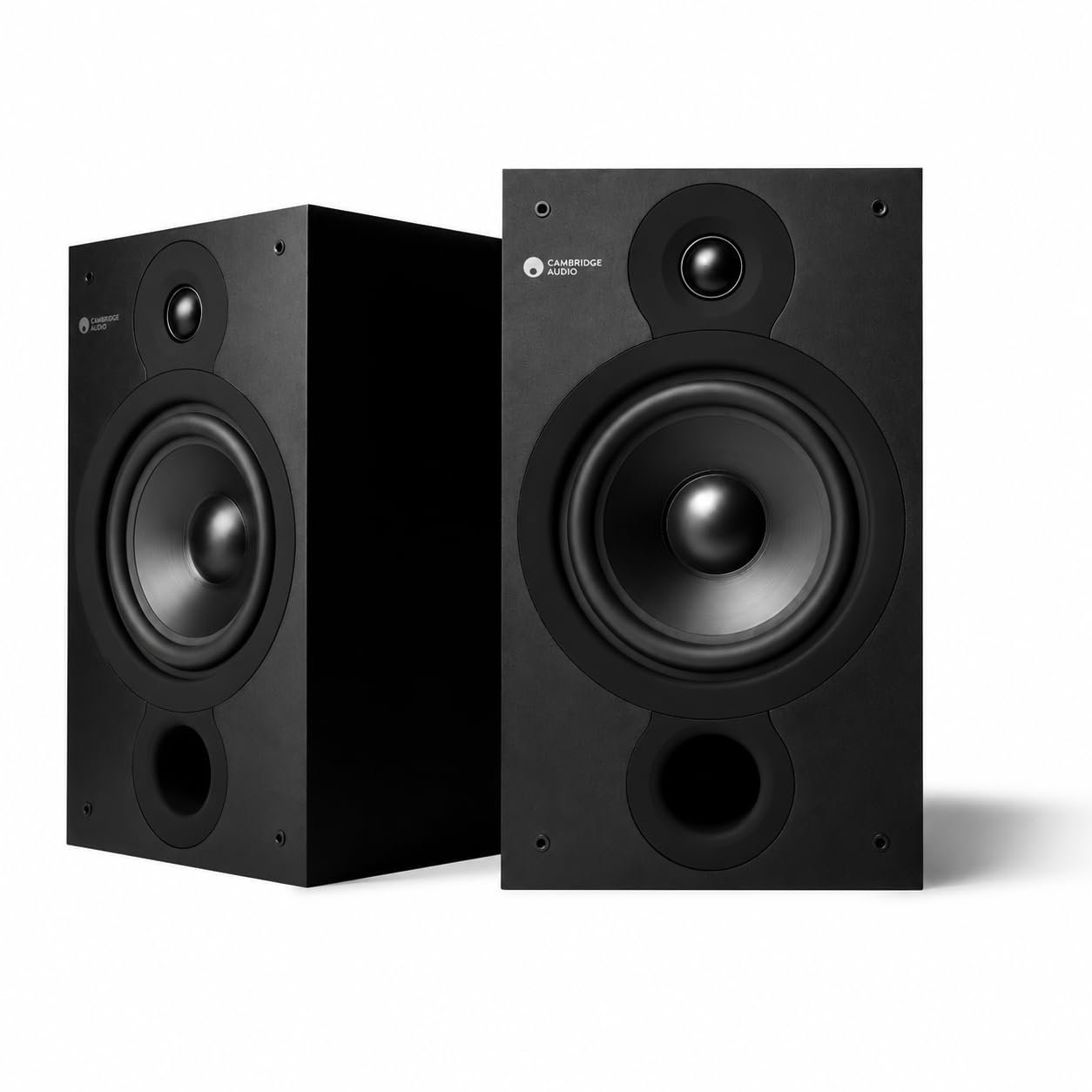


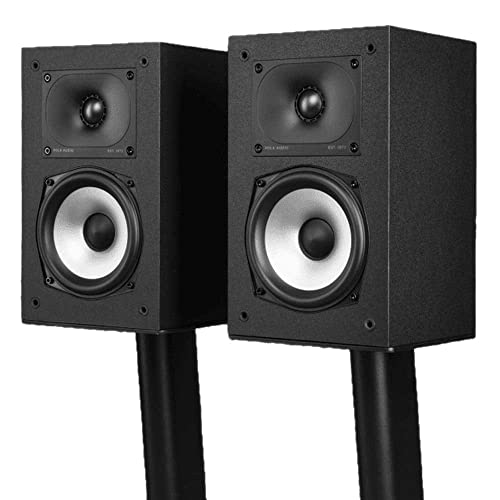

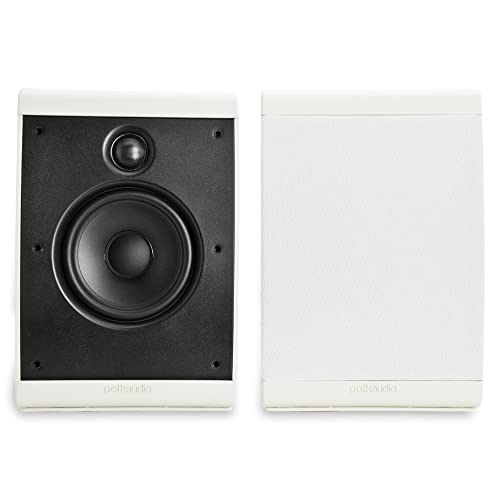
Passive, Powered, and Bluetooth: Which Type Fits?
Passive Compact Speakers
Passive speakers contain drivers and a crossover but no amplifier. You connect them to a stereo amplifier, a receiver, or a small amp with speaker cable. This route gives you more choice in sound and lets you upgrade the amplifier later without replacing the speakers. It does require matching: check the speaker's impedance and recommended power against your amplifier before you buy.
Powered Compact Speakers
Powered speakers include the amplifier and often add inputs for a TV, a computer, and a phone. They are the easiest choice for a desk or a first setup because you only connect a source and a power cable. If simple setup is your priority, the best powered bookshelf speakers guide is the better starting point than a passive pair.
Bluetooth and Computer Speakers
Bluetooth speakers play wirelessly from a phone, and computer speakers are built for a desk. Both are convenient, though neither usually matches a good passive pair for sound. Our guides to the best compact bluetooth speakers and the best compact pc speakers cover those types in more detail.
Features That Matter
Sound Balance
Good sound means clear voices, natural instruments, and bass that supports the music instead of dominating it. A speaker with exaggerated bass can tire the ears, while a thin one can sound harsh. Play voices and acoustic music when you compare pairs, because they reveal balance quickly.
Size and Driver Layout
A small cabinet limits deep bass, so a pair with a larger woofer, usually around 4 to 6 inches for the compact class, gives a fuller sound. Two-way designs with a woofer and a tweeter are the standard, and a quality tweeter keeps vocals and cymbals smooth. Bigger is not always better in a small room, where extra bass can turn boomy.
Ports and Placement
Rear-ported speakers need space behind them to breathe, while front-ported or sealed designs work better close to a wall or on a shelf. Check where the port sits before you decide where the speakers will live.
Connections and Build
Look for sturdy binding posts that accept bare wire or banana plugs, a solid cabinet that reduces vibration, and a grille that fits well. A well built pair sounds cleaner and lasts longer. Wall-mount designs are another option for tight spaces, so check whether the pair also suits a bracket.
Matching the Speakers to Your Space
Desks and Small Rooms
For near-field listening, choose speakers with balanced tone and controlled bass that will not boom on a desk. Place them at ear height, angled toward your seat. A small stereo amplifier sits easily beside a monitor.
Living Rooms and Shelves
A slightly larger compact pair gives fuller bass and wider sound, and stands lift the speakers to ear height and reduce shelf vibration. Keep the speakers away from corners, which boost bass unevenly. For a wider look at the category, the best bookshelf speakers guide covers larger pairs, and the best compact speakers guide looks at other small designs.
Home Theater and TV
Compact speakers can serve as stereo front speakers for a TV through a receiver. Add a subwoofer later if bass feels thin for films. Check that your receiver supports passive speakers of the right impedance.
Setup Tips
Measure the shelf or desk and the distance from the wall before you order. Place the speakers about as far apart as you sit from them, with equal distance to each side, and angle them slightly inward. Use speaker cable of a sensible thickness and keep the left and right wires matched in length and polarity. Small moves of a few inches can change bass and imaging a lot, so experiment before you settle. Good placement usually improves sound more than a pricier pair.
Care and Long-Term Use
Keep the speakers dust free and clear of direct heat, and avoid blocking ports. Check cables and connectors from time to time. If the grille is removable, store it safely while you listen. Keep the volume at sensible levels, since pushing a small amplifier into distortion can harm tweeters over time.
Compact Bookshelf Speaker FAQ
Do I need a subwoofer with compact speakers?
Many compact pairs give enough bass for music in a small room, but a subwoofer adds depth for films and bass-heavy genres. Start without one and add it only if bass feels thin. Placement affects bass as much as speaker size.
Where should I place bookshelf speakers?
At ear height, angled slightly toward your seat, with equal distance to each side. Keep rear-ported speakers away from walls, and avoid corners. Stands help in living rooms, while desk stands or foam pads help on a desk.
What amplifier do passive speakers need?
A stereo amplifier or receiver that matches the speaker's impedance and recommended power range. A small amplifier is enough for a desk or a small room, while a larger room may call for more power.
Are passive speakers harder for beginners?
They need one more component and a little matching, so powered speakers are simpler to start with. Passive pairs reward you with more upgrade choice once you know what you want.
How do I stop boomy bass in a small room?
Move the speakers away from walls and corners, pick sealed or front-ported designs for tight spots, and soften reflections with furnishings. Placement usually fixes boom better than new speakers.
Bottom Line
Choose compact bookshelf speakers for the room, the amplifier you already own or plan to buy, and the distance you sit. Use the product table above to compare pairs, then measure your space and check the connections before you order. The best compact bookshelf speakers are the pair that sounds balanced in your room and works with your amplifier, not the one with the longest feature list.