
Best Bookshelf Speakers For Home Theater: Complete Buying Guide for 2026
Disclosure: We may earn a commission when you buy through links on this page, at no extra cost to you. As an Amazon Associate I earn from qualifying purchases. Learn more
Best bookshelf speakers for home theater: how to match sensitivity, receiver, center channel, and subwoofer for clear dialogue.
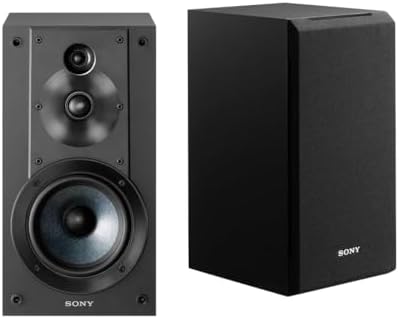
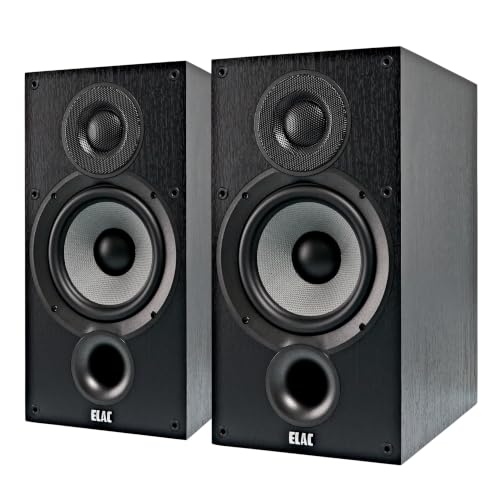
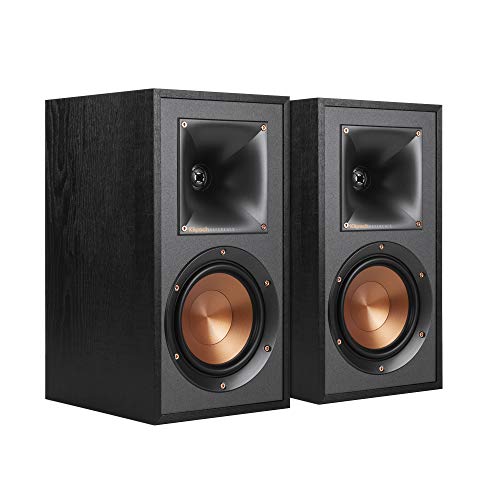
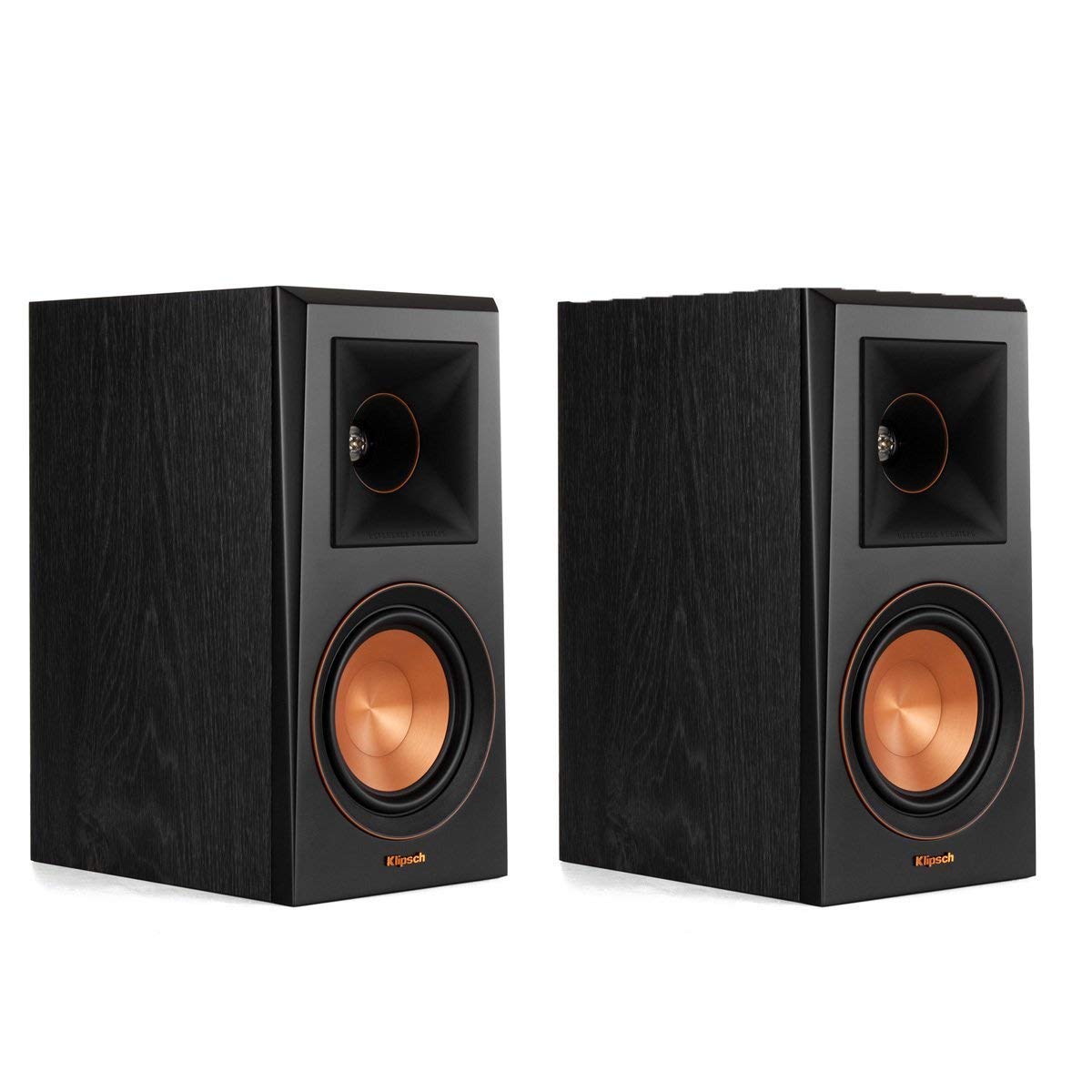
A good pair of best bookshelf speakers for home theater use can carry the front stage of a movie system: dialogue, music, and the left and right effects that make a scene feel wide. They are small enough for a media console or a pair of stands, yet capable enough to anchor a 5.1 system when paired with a center speaker, a subwoofer, and a receiver. Prices run from about $150 for an entry pair to well over $800 for refined hi-fi models.
This guide explains how bookshelf speakers fit into a home theater, how to match them to a receiver and a center channel, and which specs matter most. Use the product table to compare sizes, prices, and ratings, then read on for the details that decide whether a pair will sound right in your room.




How Bookshelf Speakers Fit Into a Home Theater
In a surround system, the front left and right speakers carry most of the music and a large share of the action. Bookshelf models work well in that role in small and medium rooms, especially when a subwoofer handles the deepest bass. Many owners start with a stereo pair and add a center channel and rear speakers over time, which spreads the cost.
The alternative is floor standing towers, which reach lower on their own but need more space and money. In a living room of average size, a good bookshelf pair on stands plus a subwoofer usually sounds cleaner and tighter than a budget tower, because the subwoofer can be placed where bass sounds best while the small speakers are placed where voices sound best.
Passive or Powered Speakers for Surround Sound
For a traditional home theater built around an AV receiver, passive speakers are the usual choice. The receiver supplies power for every channel, so you only pay for the speaker itself and can upgrade the receiver later. Check the impedance, normally 6 or 8 ohms, and the power range the maker recommends, and make sure your receiver can drive the pair comfortably at your listening level.
Powered speakers suit simpler setups: a television, a streamer, and a subwoofer, with no receiver at all. They are easy to connect through optical or HDMI ARC, and the amplifier is matched to the drivers. The trade off is flexibility, because most powered models cannot be expanded into a full surround system with matching rear channels.
The Specs That Matter for Movies
Sensitivity and Power Handling
Sensitivity tells you how loud a speaker plays with a given amount of power. A figure of 86 dB or higher is easier for a modest receiver to drive, and it helps when a film jumps from a whisper to an explosion. Power handling should comfortably exceed what your receiver delivers at the volume you use, so peaks do not strain the drivers.
Bass Extension and the Subwoofer Crossover
Most bookshelf speakers play down to about 50 to 60 Hz. Movie soundtracks go lower, so plan on a subwoofer and set the receiver crossover to about 80 Hz, which lets the speakers focus on voices and mid bass. A smaller woofer, around 4 to 5 inches, blends easily in a small room, while a 6.5 inch woofer gives more weight in a larger one.
Dialogue Clarity and Tonal Match
Speech lives in the midrange, so smooth, uncolored mids matter more than headline bass. If you plan to add a center speaker, try to buy from the same family, since matched drivers keep voices consistent as sound moves across the screen. A pair that sounds a little warm and relaxed is usually easier to live with over a two hour film than one tuned bright.
Setting Up the Front Stage
Place the speakers at ear height when you are seated, one on each side of the screen, angled slightly toward the main seat. Keep them a few inches from the wall behind them if the port is at the rear, and avoid closed cabinets, which muddy dialogue. Run your receiver setup routine afterward so it sets distances and levels, then adjust the center level by ear if voices sound buried.
Place the subwoofer near the front wall first, and move it a few feet if bass sounds boomy at your seat. A little time spent on placement often improves a system more than a step up in price.
Budget Levels at a Glance
Entry pairs around $150 to $250 give clear dialogue and good value, especially from makers known for home theater lines. The $300 to $500 range adds sturdier cabinets, better tweeters, and smoother sound at higher volume. Above that, you are paying for refinement, finish, and a wider sweet spot, which suits a dedicated room with good acoustics.
If you already own a receiver, put more of your budget into the speakers and a subwoofer. If you are starting from scratch, set aside part of the total for the receiver, speaker wire, and stands.
Common Mistakes to Avoid
- Mixing unmatched speakers across the front stage, which makes voices change tone as they pan across the screen.
- Running small speakers without a subwoofer and then turning the volume up to compensate for missing bass.
- Placing speakers inside a closed shelf, which traps sound and blurs dialogue.
- Skipping the receiver setup routine and leaving distances and levels on default values.
- Choosing by wattage claims alone instead of sensitivity, size, and room fit.
Related Guides
If you want to go further, our guides to front bookshelf speakers for home theater, quality speakers for home theater, and wall speakers for home theater cover neighboring choices in more detail.
Frequently Asked Questions
Do bookshelf speakers need a subwoofer for home theater?
For movies, usually yes. Bookshelf speakers handle dialogue and music well, but action scenes carry deep bass that small cabinets cannot reproduce. A compact subwoofer fills that gap. For dialogue led films and music, a good pair can work alone.
Should the bookshelf speakers match my center speaker?
Matching helps. Speakers from the same family share drivers and tonal character, so voices sound consistent as they move across the screen. If matching is not possible, choose a center with a similar warmth and clarity.
How far should I sit from bookshelf speakers?
About six to ten feet suits most bookshelf pairs in a living room, with the speakers placed a similar distance apart. Closer seating can narrow the sound, while very distant seating loses detail.
Can powered bookshelf speakers work in a home theater?
Yes, for a simple setup with a television and a subwoofer. They need no receiver, but they are harder to expand into a surround system later, so passive speakers suit growing systems better.
Are bookshelf speakers good for a large room?
They can fill a medium room well. In a large, open room, favor higher sensitivity models with larger woofers and add a subwoofer so the system keeps its weight at higher volume.
Final Thoughts
Choosing the best bookshelf speakers for home theater comes down to the receiver you own, the room you have, and whether you plan to grow the system. Pick sensitivity and size to suit the room, plan for a subwoofer, match the center channel if you can, and use the product table to compare candidates. With careful placement, a good pair makes dialogue clear and films far more involving.


