Best Compact Cameras with a Viewfinder in 2026: Beginner Guide
Disclosure: We may earn a commission when you buy through links on this page, at no extra cost to you. As an Amazon Associate I earn from qualifying purchases. Learn more

A plain English guide to the best compact cameras with a viewfinder: finder types, sensor size, zoom and common first time mistakes.
Buying your first real camera can feel like learning a new language, with sensor sizes, finder types, and zoom numbers all competing for attention. The good news is that the best compact cameras with a viewfinder keep things simple: a small body, a fixed lens, and an eye level window that helps you frame shots without relying on a rear screen.
This guide starts with the basics, explains each key spec in plain English, and ends with the mistakes new buyers most often make. Read it from top to bottom, note the two or three factors that match how you like to shoot, and then compare the models in the product table.



Compact Cameras 101: The Basics
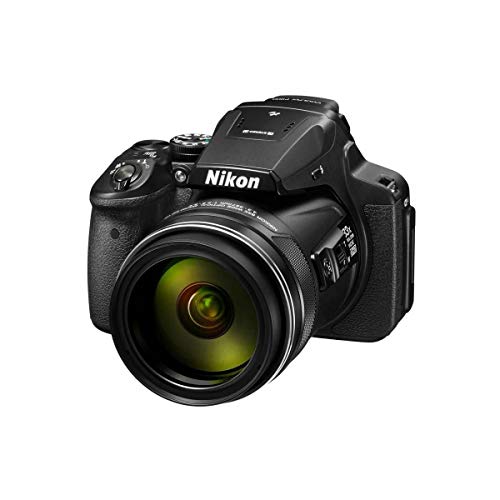
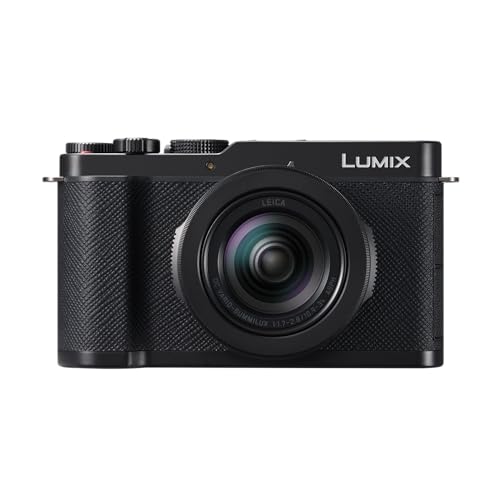
A compact camera is a complete camera with a lens that stays attached, a sensor larger than the one in most phones, and physical dials for settings like aperture and exposure compensation. The viewfinder is the small window you hold to your eye. Optical finders show the scene through glass, electronic finders show a tiny screen fed by the sensor, and a few models offer both styles in one body.
That eye level window is the whole point of this category. It stays visible in bright sunlight where rear screens wash out, and holding the camera against your face steadies it in a way that arms length shooting never does. If you want the wider category first, our guide to the best compact digital cameras covers the full range of small fixed lens models.
Key Specs Explained in Plain English
Spec sheets look intimidating, but only a handful of numbers actually change your photos. Here is what each one means in everyday terms.
Measuring for Size and Portability
Start with the space the camera must fit: a jacket pocket, a small purse, or one corner of a daypack. Compare the listed width, height, and depth against that space, and check the weight with a battery and card inside, because that is the weight your hand and neck actually carry. The smallest bodies sacrifice grip and dial size, so a model that fits your pocket but cramps your fingers is a poor trade.
Why Choose a Compact Camera With a Viewfinder
A finder earns its place in three situations: bright sun that makes screens hard to read, slow shutter work where a steady hold matters, and all day shooting where turning the big screen off saves battery. The limits are real too, since small finders can feel tunnel like, and an optical finder shows the scene without previewing your exposure settings. One safety rule matters here: never look at the sun through an optical viewfinder, because the glass concentrates light just like a small telescope. Shoppers weighing finder styles across body types can also read our guide to the best cameras with viewfinder.
Sensor Size and Image Quality
Sensor size is the single biggest predictor of image quality in this class. Most finder equipped compacts use a 1 inch sensor, which gathers far more light than a phone sensor, while a few larger models step up to APS C for cleaner files in dim rooms. Megapixels matter less than makers suggest, since 20 megapixels already prints sharply at common sizes. A bigger sensor in good light beats a longer spec list every time.
Low Light Performance
Low light results come from three things working together: sensor size, the widest aperture of the lens (a lower f number lets in more light), and image stabilization that offsets hand shake at slow shutter speeds. High ISO numbers on the box are marketing, because every camera lists a huge maximum; what counts is how clean files look at the mid range settings you will actually use. For evening street scenes and indoor family photos, a 1 inch sensor with a fast lens is the practical sweet spot.
Size, Weight, and Ergonomics
A camera you carry gets used, so weight and grip shape your results more than spec sheets admit. Look for a body your fingers wrap around without stretching, dials you can turn without looking, and a finder positioned so your nose is not pressed flat against the screen. If the camera will travel with you daily, our guide to the best compact cameras for travel goes deeper on carry weight and packing.
Video Capabilities
Most of these cameras record 4K video, but beginners should check three simpler things first: whether the frame rate options suit slow pans of family events, whether the screen tilts for waist level clips, and whether a microphone input exists if you plan to record speech. Many compacts lack that input, so voices are captured by small built in microphones that pick up wind and handling noise. Treat video as a useful extra here rather than the main reason to buy.
Picking the Right Compact Cameras for Different Uses
Most first time buyers fall into one of two camps: those who want one camera for everything close at hand, and those who want reach for subjects they cannot walk up to. The first camp is served by short zoom models with fast lenses. The second camp should look at the long zoom branch below.
Best Compact Cameras with Viewfinder and Zoom
The best compact cameras with viewfinder and zoom stretch their lenses to ranges like 24 to 200 mm in equivalent terms, which covers landscapes at the wide end and distant wildlife or stage performers at the long end. That reach costs lens speed, so these models lean on stabilization and higher ISO settings in shade. Our guide to the best compact cameras with zoom compares reach focused options in more detail.
Rookie Mistakes to Avoid
- Buying on megapixels alone: a 20 megapixel 1 inch sensor outperforms a higher count on a tiny sensor, especially after sunset.
- Ignoring finder comfort: if you wear glasses, check that you can see the whole frame through the finder before you buy, because some small finders clip the corners.
- Choosing the tiniest body on the list: miniaturized dials slow you down and make settings changes frustrating during real shooting.
- Forgetting the extras in your budget: a memory card, a case, and a spare battery are part of the real purchase price.
- Skipping the diopter dial: many beginners think a finder is blurry by design, when a small adjustment wheel next to it would fix the view in seconds.
Getting Started: Setup and First Use
Charge the battery fully before your first outing, because new batteries ship partly drained and finder use still draws power on electronic models. Format the memory card inside the camera rather than on a computer, set the clock so files sort correctly, and adjust the diopter wheel until the numbers inside the finder look crisp. When the lens gets smudged, use a lens cloth and not your shirt, since shirt fabric drags grit across the coating. Carry a spare battery on any full day out.
Compact Cameras: Your Questions Answered
New buyers comparing the best compact cameras with viewfinders tend to ask the same handful of questions, so here are straight answers to the most common ones.
How much should a beginner spend on a first compact camera with a viewfinder?
Most beginners land between about $300 to $600 for a 1 inch sensor model with a good electronic finder, and that band covers the large majority of everyday photography well. Stepping up to about $600 to $1,200 buys a brighter finder, a faster lens, and sturdier dials rather than a dramatic jump in image quality. Whichever band you choose, reserve a little of the budget for a memory card, a padded case, and a spare battery.
Which finder type works better in low light, optical or electronic?
An electronic finder usually helps more in low light because it brightens the scene and previews your exposure before you press the shutter. An optical finder stays clear, instant, and free of lag, but it shows the world as your eye sees it, not as the camera will record it. Beginners often learn exposure faster with the electronic preview, while experienced shooters may prefer the direct glass view outdoors.
What does optical zoom mean on a compact camera?
Optical zoom means the lens itself magnifies the scene by moving glass elements, so detail stays sharp across the whole range. It is listed as a range such as 24 to 100 mm, where the smaller number is the wide view and the larger number is the close up view. Digital zoom is different: it simply crops the picture and enlarges it, which softens detail, so compare cameras by their optical range only.
Which specs matter most for a beginner on a compact camera?
Sensor size, finder comfort, and simple controls matter most, in that order. A 1 inch or larger sensor sets your image quality ceiling, a finder you enjoy looking through decides whether you shoot in bright sun or give up, and clear dials decide whether you experiment or leave everything on auto. Ignore headline maximum ISO figures and enormous digital zoom claims, because neither reflects the shooting you will actually do each week.
Can a smartphone replace a compact camera with a viewfinder?
For casual snapshots that stay on a screen, a good smartphone is honestly enough, and it is always in your pocket. A compact camera pulls ahead when you zoom toward distant subjects, shoot in glare where a finder stays readable, print enlargements, or want a fresh battery swap instead of a dead phone at the end of the day.
Our Verdict
For a first purchase, keep the decision simple: pick a sensor of at least 1 inch, a finder that feels comfortable against your eye, and a size you will genuinely carry. Long zoom versions suit travelers and distant subjects, while short zoom models with fast lenses suit evenings and indoor life. Compare your shortlist in the product table, and the best compact cameras with a viewfinder for your habits will usually stand out once those three basics are settled.