Best Canon Compact Digital Cameras in 2026: Which Type Is Right for You?
Disclosure: We may earn a commission when you buy through links on this page, at no extra cost to you. As an Amazon Associate I earn from qualifying purchases. Learn more

Compare the best canon compact digital cameras by type, with pros, cons, typical prices, and the features that matter for travel, video, and daily photos.
Canon sells several kinds of compact cameras, and the names on the box rarely explain how they differ. A slim pocket model, a vlogging camera, and a long zoom travel camera can share a similar price yet suit completely different people. Choosing the best canon compact digital cameras starts with picking the right type, then comparing the details inside that type.
This guide compares each type by its strengths, limits, and ideal user, then walks through the features that separate a good match from a frustrating one. Start with the comparison table below, note the types that fit your habits, and use the sections that follow to narrow your choice with confidence.


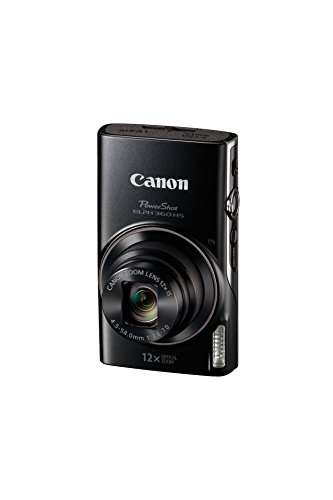

Types of Canon Compact Digital Cameras Compared
Price alone is a poor way to sort these cameras, because a costly model may simply specialize in something you never do. Shortlists of the best canon compact digital cameras usually mix all four types together, which is exactly the confusion this section clears up. The four types below cover nearly every Canon compact you will find. Each one trades size, zoom reach, sensor size, and video tools in a different balance, so read the limits as carefully as the strengths.
Point and Shoot Compacts
These are the classic pocket cameras. The lens folds into a slim body, the controls stay simple, and the camera makes most decisions for you. A fully automatic mode handles exposure and focus, while scene modes cover portraits, food, and night shots. Most use a small sensor, so they shine in daylight and well lit rooms, where colors look clean and autofocus locks on quickly.
The limits show up after dark and at a distance. Small sensors gather less light, so indoor photos can look grainy, and the modest zoom range will not reach across a stadium. Choose this type if you want a light camera for family events, school plays, and daily snapshots, and you value simplicity over control. Typical prices run about $250 to $500.
Vlogging Cameras
Vlogging compacts are built around video first. Expect a screen that flips to face you, a wide lens that fits your face and some background in the frame, and a microphone input or a strong built in microphone array on many models. Autofocus tracks eyes and faces as you move, and image stabilization smooths the shake that comes from holding a camera at arm length while walking.
The trade off is stills and reach. The wide lens that flatters a vlog gives you little zoom for distant subjects, and photo controls may sit in menus rather than on dials. Choose this type if you publish video, record lessons, or document projects on camera. If you are comparing Canon compacts against larger bodies for video work, our guide to the best canon cameras digital lineup puts the wider range in context.
Long Zoom Travel Compacts
Travel zooms stretch a surprising reach into a jacket pocket. Optical zoom ranges of 30x or more bring landmarks, wildlife, and stage performers close without a bag of lenses. Image stabilization matters enormously here, because every small hand movement grows at full zoom, and Canon builds stabilization into the lens to calm that shake. A small grip and a slightly thicker body help you hold the camera steady.
The compromise is light. A long zoom lens on a small sensor struggles in dim restaurants and evening streets, and the camera responds a little slower than simpler models. Choose this type if one light camera must cover an entire trip. For itineraries and packing advice built around this style of camera, see our guide to the best compact digital cameras for travel.
Large Sensor Premium Compacts
Premium compacts pair a one inch sensor with a bright lens in a body that still fits a coat pocket. The larger sensor captures more light and more detail, gives you shallower depth of field for portraits, and holds up better when you crop or print large. Manual dials, a control ring around the lens, and raw file support reward photographers who like to adjust settings themselves.
You pay for that quality, with typical prices around $800 to $1,600, and the zoom range stays short, often just 3x or 4x. Weather sealing is also rare, so a truly weatherproof camera is not what this type offers. Choose it if photo quality matters more than reach and you want a serious second camera or a light main camera.
Point and Shoot Compacts vs Vlogging Cameras: Which Should You Choose?
These two types overlap in size and price, so the choice comes down to what you shoot most. For still photos, a point and shoot usually wins on simplicity and zoom, with a lens that reaches further and a flash that handles indoor birthdays well. For video, the vlogging type wins on its flip screen, face tracking autofocus, and better sound, which matter more than zoom when you are the subject.
Handling differs too. A point and shoot disappears into a pocket and asks nothing of you, while a vlogging camera invites you to frame, monitor, and adjust as you record. If your camera will mostly serve family photos with the odd short clip, pick the point and shoot. If you record yourself speaking every week, pick the vlogging type and accept its shorter reach.
How to Choose the Right Canon Compact Camera
Once the type fits, compare models inside that type on the factors below. The product table above lists the headline specs side by side, and these sections explain what those numbers mean for your photos. If you are still torn between Canon and other brands at this stage, our overview of the best compact digital cameras across brands shows how the wider market compares.
Measuring for Size and Portability
Check three numbers before you buy: weight with the battery fitted, body thickness, and how the camera feels in your hand. A model under about 300 grams rides in a jacket pocket all day, while heavier premium models suit a small bag or a neck strap better. Thickness decides whether a camera truly fits a trouser pocket or only pretends to. If you shop in person, hold the camera one handed, because tiny bodies with slick finishes can feel insecure despite their light weight.
Sensor Size and Image Quality
Sensor size shapes image quality more than megapixel count does. Most slim compacts use a sensor around 1/2.3 inch, which is fine for screen sharing and small prints in good light. A one inch sensor gathers roughly four times the light, so it keeps shadows cleaner, blurs backgrounds more, and handles indoor light with less grain. Extra megapixels on a small sensor mostly give you cropping room, not better photos. If you often shoot indoors or after sunset, step up in sensor size before you step up in megapixels. Readers who outgrow compacts entirely can see our guide to the best digital cameras for larger sensor options.
Video Capabilities
Look past the headline resolution. A camera that records 4K video is common now, but frame rate, autofocus behavior, and sound decide how usable the footage is. Smooth motion for sports or walking shots needs higher frame rates, while face and eye detection autofocus keeps a speaker sharp without constant tapping on the screen. A microphone input matters if you record interviews or lessons, and a flip screen matters if you film yourself. Heat limits also vary, so long events may suit models that record comfortably for extended sessions.
Battery Life and Charging
Compact cameras carry small batteries, and makers rate most models at roughly 200 to 350 shots per charge under standard test conditions. Video, flash use, and heavy zooming drain the battery faster than that rating suggests. USB C charging is worth seeking out, because it lets you top up from a power bank or a laptop while you travel. Whatever type you choose, budget for one spare battery, and rotate the pair so neither sits empty for months.
Lens and Zoom Range
Optical zoom is the number that counts, because the objective lens itself changes magnification and keeps full detail. Digital zoom only enlarges the middle of the image, so quality drops fast. A 3x to 5x optical zoom covers portraits and street scenes, 10x handles most sightseeing, and 30x or more reaches wildlife and distant stages. Also check the lens aperture: a lower f number, such as f/2.8 at the wide end, lets in more light and helps indoors. Zoom range and aperture trade against each other, which is why long zoom models rarely have the brightest lenses.
Care and Maintenance Tips for Canon Compact Cameras
Clean the lens with a soft lens cloth, never your shirt, because shirt fabric can hold grit that scratches the coating. Blow loose dust off first with a hand blower, then wipe in gentle circles. Keep the camera in a dry, padded bag so keys and coins cannot press against the lens or screen, and add a silica gel packet if you store it in a humid closet.
Carry a spare battery on any full day out, and recharge both batteries the night before a trip. If the camera gets splashed, power it down, remove the battery and card, and let it dry fully before charging. Format the memory card in the camera after you copy your photos to a computer, since formatting in the camera keeps the file system matched to how the camera writes.
Frequently Asked Questions
Can a smartphone replace a Canon compact digital camera?
A smartphone covers casual snapshots well, but a Canon compact still wins in several areas. Optical zoom reaches distant subjects without the quality loss of pinching to zoom, a real flash lights a room more evenly, and physical controls make settings faster to change. A compact also saves your phone battery on long days out. If you only share photos on social apps in good light, your phone may be enough, but travelers and parents recording school events usually feel the difference quickly.
How much should I spend on my first Canon compact camera?
Most first time buyers do well in the range of about $250 to $500. That budget buys a dependable point and shoot or an entry travel zoom with solid autofocus and stabilization. Spend more only when you know the reason, such as a one inch sensor for indoor light or a flip screen for video. Put a little of the budget aside for a spare battery and a case, because those small items shape daily use more than a minor spec upgrade does.
Which Canon compact camera type is better for low light photos?
Large sensor premium compacts handle low light best. Their one inch sensors gather far more light than the small sensors in slim or long zoom models, and their bright lenses add to that advantage. A simple trick helps any type: brace the camera against a wall or table, and let stabilization do its work at slower shutter speeds. Avoid digital zoom in dim scenes, because it magnifies grain along with the subject and leaves photos looking soft.
What specs matter most for beginners choosing a Canon compact camera?
Start with sensor size, optical zoom range, and image stabilization, in that order. Those three decide most of your photo quality and how forgiving the camera feels while you learn. Next, check that the screen is easy to read outdoors and that the automatic mode produces results you like without editing. Beginners often overlook grip comfort, yet a camera that feels secure gets carried more, and a carried camera takes better photos than a technically stronger one left at home.
Can a Canon compact camera charge over USB while traveling?
Many recent Canon compacts support USB charging, and it is one of the most useful travel features to confirm before you buy. Charging from a power bank means one cable serves your phone and camera, and you can add charge during a train ride instead of hunting for an outlet. Check the product page for your exact model, because some cameras charge only when powered off, and a few older designs still need a separate cradle charger.
Final Thoughts
Match the type to your habits first, then let sensor size, optical zoom, and battery life settle the choice between close models. The product table above pulls the key specs together so you can compare your shortlist at a glance. Whichever route you take, the best canon compact digital cameras are the ones that fit your pocket, your subjects, and your budget at the same time, and a camera that goes everywhere with you will always beat a stronger one left behind.