Best Cameras with Viewfinder in 2026: Which Type Is Right for You?
Disclosure: We may earn a commission when you buy through links on this page, at no extra cost to you. As an Amazon Associate I earn from qualifying purchases. Learn more

Compare mirrorless, DSLR, compact, and bridge options to find the best cameras with viewfinder for your shooting style, budget, and travel plans.
Shopping for a camera with an eye level finder can feel confusing fast. Some models show you a tiny electronic preview, others show the real scene through glass, and many otherwise good cameras leave the finder out entirely to save size and cost. This guide focuses on best cameras with viewfinder choices by type, so you can match the finder style to the way you actually shoot.
Below, we compare the main camera types side by side, explain the finder specs that truly matter, and walk through lenses, sensor size, video, and comfort in the hand. Start with the comparison table below, then use the sections that follow to narrow your short list with confidence.


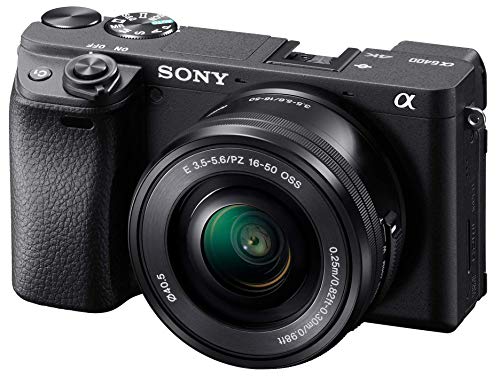


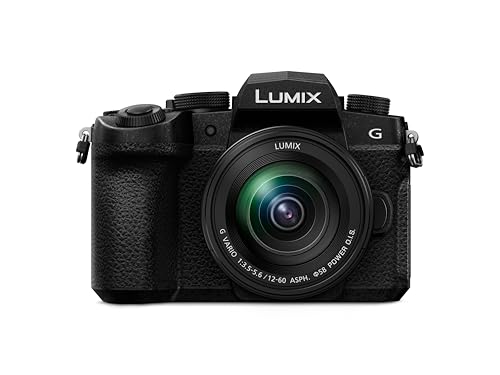


Types of Cameras Compared
Camera types differ first in how the viewfinder works, and that difference shapes size, battery life, autofocus behavior, and price. Use the product table above to see how the types line up, then read the strengths and limits of each one below.
Mirrorless Cameras
Mirrorless cameras use an electronic viewfinder, often shortened to EVF, which shows a live digital preview from the sensor. You see exposure, white balance, and depth of field effects before you press the shutter, and focus aids such as peaking can appear right in the finder. Most also pair that finder with fast autofocus and strong video tools in a body smaller than a DSLR.
The trade off is battery life, since the finder is a small screen that draws power while you shoot. If this type sounds right, see our guide to the best mirrorless cameras with viewfinder for models built around that finder style.
DSLR Cameras
A DSLR uses a mirror and a prism or mirror system to send light from the lens straight to an optical viewfinder. What you see is the real scene, with no screen lag, no preview processing, and very little battery drain while you compose. Many photographers still love that direct, natural view, especially outdoors and during long days of shooting.
The costs are size and video flexibility. The mirror box makes the body deeper and heavier, and you compose movies on the rear screen instead of the finder. Lens choice is huge and often affordable used, but new development has clearly shifted toward mirrorless systems.
Compact and Bridge Cameras
Compact cameras with finders pack a small electronic finder into a body you can carry in a jacket pocket. Bridge cameras look like small DSLRs, pair a larger grip with a long fixed zoom lens, and give you a finder plus generous controls without lens swapping. Both use smaller sensors than most interchangeable lens models.
That smaller sensor limits low light quality and background blur, yet one camera covers wide scenes and distant subjects with no extra gear. For that all in one approach, see our guide to the best bridge cameras with viewfinder and compare zoom reach against sensor size.
Vlogging Cameras
Vlogging cameras are built around video first, with bright screens, mic inputs, and product showcase autofocus modes. Only some include a viewfinder, because most creators compose on a flip screen while talking to the lens. When a model does add a finder, it helps you shoot stills and outdoor video when glare washes out the rear display.
Choose this type if video is the main job and stills come second. If you mostly take photographs, a mirrorless body with a stronger finder will usually serve you better for similar money.
Mirrorless Cameras vs Vlogging Cameras: Which Should You Choose?
These two types overlap often, since many vlogging cameras are mirrorless at heart, but their priorities differ. For viewfinder quality, mirrorless stills models win clearly, with larger, sharper finders placed at the center or corner of the body and designed for long sessions at the eye. Vlogging models that include a finder usually treat it as a backup for bright days.
For video tools, the balance flips. Vlogging cameras lead with flip screens, tally lights, and simple audio options, while stills focused mirrorless models may hide video settings deeper in menus. For lens choice, interchangeable lens mirrorless cameras grow with you through primes and zooms, while many vlogging models use a fixed lens that keeps things simple but limited in reach.
For handling, think about how you hold the camera most. Eye level shooting for hours favors a proper grip and a good finder, while talking to the camera at arm length favors a light body and a turnable screen. Let your dominant use decide, because paying for strengths you rarely use leaves less budget for lenses and cards.
How to Choose the Right Camera
Start with the finder itself, then work outward to size, lenses, sensor, and video. Shoppers comparing the best cameras with viewfinder options often fixate on megapixels, yet the finder you look through for every single frame shapes your results and your enjoyment far more. The factors below follow that order on purpose.
Electronic vs Optical Viewfinders
An electronic finder shows exactly what the sensor records, so exposure simulation, focus peaking, and a live histogram can guide you before the shot. It also works in near darkness by brightening the preview, though the image can get noisy and may lag slightly with fast action. An optical finder shows the scene through the lens with zero lag and superb clarity, but it cannot preview exposure or white balance.
Neither is simply better. Choose electronic for guidance and video friendly tools, and optical for a natural view and long battery life. Look through a finder in a store if you can, because comfort is personal and hard to judge from a spec sheet.
Viewfinder Specs That Matter
Four numbers describe most finders. Resolution, listed in dots, controls how fine the electronic image looks, and higher counts make manual focus and detail checks easier. Magnification tells you how large the scene appears, and bigger is more immersive and easier on your eyes during long sessions. Coverage near 100 percent means the edges you see match the final frame, with no surprise objects creeping in.
Refresh rate matters for moving subjects, since faster refresh keeps panning smoother. Also check the diopter dial beside the eyepiece, which fine tunes the finder to your vision so the display looks sharp without glasses. Glasses wearers should look for a generous eye point, so you can hold your eye farther back and still see the whole frame.
Size, Weight, and Ergonomics
A camera you leave at home takes no great photos, so honest sizing matters. Compact finder models slip into a coat pocket and suit daily carry, while larger grips suit big lenses and long shoots without hand fatigue. Count the full kit weight, including lens and spare battery, rather than the body alone.
Ergonomics go beyond weight. Check that your finger reaches the shutter naturally and that the eyepiece feels comfortable against your face. If small size is your top priority, see our guide to the best small cameras with viewfinder for pocket friendly options.
Lens and Zoom Range
For interchangeable lens cameras, the lens system is a long term commitment, so check the range of affordable primes, zooms, and weatherproof options before you buy the body. For fixed lens compacts and bridge models, optical zoom range is the key figure, telling you how much reach is built in without quality loss from digital cropping.
Aperture matters alongside reach. A brighter lens, shown by a lower f number, gathers more light for indoor shots and gives softer backgrounds. A long zoom with a dim aperture can struggle at dusk, so balance zoom against the light you usually shoot in.
Sensor Size and Image Quality
Sensor size drives image quality more than megapixel count does. One inch sensors in premium compacts balance size and quality well, APS C sensors in most mirrorless and DSLR bodies step up low light performance and depth of field control, and full frame sensors offer the most headroom for large prints and dim scenes at the highest cost in size and price.
More megapixels help cropping and big prints, but they also create larger files. For most people, a modern APS C or one inch sensor with image stabilization delivers plenty of quality. For a broader look at the category, see our guide to the best digital cameras for general context.
Video Capabilities
If you record video, check resolution and frame rates you will truly use, such as 4K at 60 frames per second for smooth slow motion after editing. A microphone input matters more than headline specs for most creators, because clear audio holds viewers longer than slightly sharper footage. Log profiles give editors more grading room, but they add work in post for casual clips.
Also confirm how the finder behaves during recording. On many cameras the electronic finder works for video, a real advantage in bright sun, while optical finder bodies switch you to the rear screen. Check heat limits if you film long events.
Choosing Cameras for Your Situation
Best Travel Cameras with Viewfinder
Travel rewards small kits, so the best travel cameras with viewfinder combine a compact body, a versatile zoom, and a finder you can trust when sunlight kills the rear screen. Charging over USB helps on trips, and weather sealing earns its keep in coastal wind and drizzle. Prioritize good finder magnification, since you will compose quickly in busy, bright places.
Best Rangefinder Cameras with Viewfinder
The best rangefinder cameras with viewfinder place the finder in the corner of a flat, discreet body, a layout street photographers love because one eye can stay open to the scene around the frame. Some use true optical rangefinder focusing, while many modern models pair the corner finder style with electronic displays and autofocus. Look for quiet operation, fast prime lenses, and frame lines or clear finder overlays that match your favorite focal lengths.
Care Tips for Cameras With Viewfinders
Good habits protect both the camera and the finder you rely on. Clean the lens and the eyepiece with a proper lens cloth rather than your shirt, since grit in fabric can leave fine scratches on coatings. Blow dust off the eyepiece first, then wipe gently, and keep the diopter dial set for your eyes so you are not straining or misjudging focus.
Carry a spare battery, because electronic finders draw steady power. Store the camera in a dry, padded bag, and let cold gear warm up slowly indoors inside the closed bag so condensation forms on the bag rather than inside the finder. A soft extended eyecup reduces stray light and protects the eyepiece from scratches.
Shoppers who prefer a broader buying path can also see our guide to the best digital cameras with viewfinders, which covers finder equipped models across the wider digital category.
Cameras With Viewfinders: Your Questions Answered
How much should you spend on your first camera with a viewfinder?
Most beginners do well with a first budget under $1,000 for a camera with a viewfinder, including a kit lens. That range buys a solid electronic finder, a capable APS C or one inch sensor, and controls you will not outgrow in a year. Keep part of the budget aside for a memory card and a spare battery, because those small items decide whether the camera is ready when a moment appears.
Is a smartphone enough instead of a camera with a viewfinder?
A smartphone is enough for casual snapshots, but a camera with a viewfinder wins when sunlight washes out a phone screen or when you want real zoom and larger sensor quality. The eye level finder also steadies the camera against your face, which sharpens handheld shots. It also shuts out notifications, so you concentrate on the scene alone.
What magnification should a camera viewfinder have?
A camera viewfinder magnification around 0.7x or higher feels large and comfortable for most shooters. Smaller finders near 0.5x can feel like looking down a tunnel, which makes composition and manual focus harder over a long day. Try to compare magnification together with coverage, because a big view that crops the edges can still hide objects that will appear in your final photo.
Which camera with a viewfinder is better for low light shooting?
For low light shooting, a camera with a larger sensor and a bright lens matters more than the finder type itself. Electronic finders help by brightening the preview so you can compose in dim rooms, though the view may look grainy. Optical finders stay clear but show the scene at its real darkness. Pair either style with image stabilization and a lens with a low f number for the strongest results.
What camera viewfinder specs matter most for beginners?
Beginners should prioritize a camera viewfinder that is bright, covers about 100 percent of the frame, and offers easy diopter adjustment. Those traits make every photo easier to compose and judge. One factor many new buyers miss is finder placement, since a corner finder leaves your other eye free to watch the scene, while a center finder suits those who wear hats or glasses.
Final Thoughts
The right choice comes down to three things: the finder style that feels natural to your eye, a sensor and lens pairing that fits your light and subjects, and a body size you will happily carry. Compare your short list against the product table above, and weigh finder comfort as heavily as headline specs. Chosen that way, the best cameras with viewfinder pick for you is the one that lets you watch the world clearly, one frame at a time.