
Best Cameras for Street Photography by Budget for 2026
Disclosure: We may earn a commission when you buy through links on this page, at no extra cost to you. As an Amazon Associate I earn from qualifying purchases. Learn more

Compare street photography cameras by budget, size, autofocus, sensor, and handling, and learn which features are worth paying for before you buy.
Street photography rewards a camera you actually carry, raise quickly, and use without drawing attention. The best cameras for street photography therefore balance size, speed, and image quality in a way that fits your daily routine. The comparison table below can help you compare those trade offs side by side before you decide how much of your budget should go to the body, the lens, or both.
This guide starts with who benefits from each style of camera, explains what each spending level usually delivers, and separates features worth paying for from extras you can skip. It then covers special cases such as rangefinder style bodies and close up work, plus long term costs that many buyers overlook.



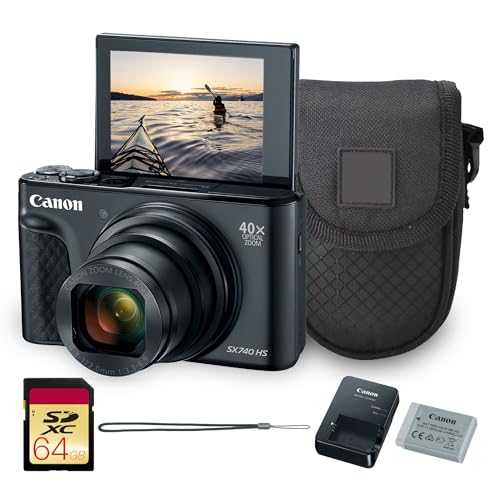


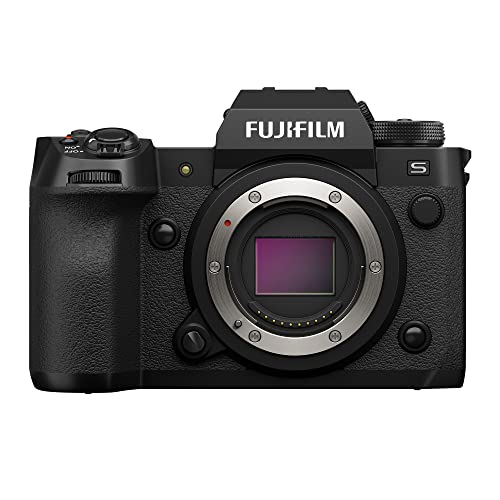
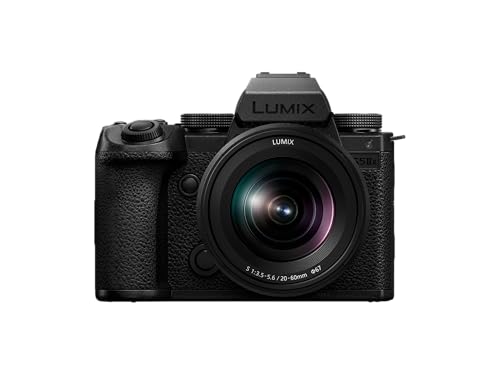
Who Should Buy Which Style of Camera?
Street work covers many routines, from a short walk at lunch to a full day in a busy city. Your routine decides whether a small pocket camera, a compact interchangeable lens camera, or a larger body makes sense. Think about how far you walk, how discreet you want to be, and whether you prefer one fixed lens or the freedom to swap lenses.
Daily Walkers Who Want a Light Carry
If you shoot on foot for an hour or two, weight and size matter more than a very long zoom. A small body with a fast, wide to normal lens lets you react quickly and keeps your bag light, a combination covered in our guide to best compact cameras for street photography. Look for a camera that starts fast, focuses quietly, and slips into a coat pocket or a small bag. A simpler control layout helps here, since you will often shoot one handed or in changing light.
City Explorers Who Shoot All Day
All day shooters need comfort, battery stamina, and a grip that stays secure after hours of use. A slightly larger body can help if it offers a better viewfinder, a second battery option, and a lens range that covers street scenes and details. Weather sealing also earns its place on long days, when rain or dust can appear without warning. Test the full carry weight, including lens, strap, and spare battery, before you commit.
Detail Hunters Who Love Close Scenes
Some street photographers focus on hands, signs, textures, and small moments rather than wide scenes. For that style, close focusing distance, a sharp lens at closer ranges, and a quiet shutter matter more than a long zoom. A flip screen can help for low angles, while fast autofocus helps when a moment lasts only a second. If close work is your main interest, judge a camera by its near focus behaviour, not by its widest landscape performance.
Spending Levels Explained
Street cameras span a wide price range, and the differences are often about handling and speed rather than raw resolution. The levels below describe typical trade offs, so you can see where your money goes. Use the product table above to compare specific models once you know your level.
Starting Tier: Light and Simple
Cameras at the starting tier usually offer a compact body, a fixed or modest zoom lens, and straightforward controls. Image quality in daylight is often strong, and the small size encourages daily carry, which matters more than any single specification. You may give up a larger sensor, weather sealing, or a very fast burst rate. This tier suits new street photographers, travellers who pack light, and anyone who values discretion over system flexibility.
Middle Tier: The Balanced Choice
The middle tier adds the features most regular street photographers use every day. Expect a larger sensor or a faster lens, better autofocus, a clearer viewfinder, and more reliable performance in mixed light. Bodies here often feel sturdier and offer better custom controls, so you can set focus, exposure, and drive mode without opening menus, a point also covered in our guide to best digital cameras for street photography. This tier suits weekly shooting, longer walks, and photographers who want one camera for street work and general travel.
Higher Tier: Speed and Refinement
Higher tier cameras usually bring faster autofocus, quieter shutters, stronger low light performance, and tougher construction. They may also offer a wider lens system, better viewfinders, and more refined handling. Those gains help when you shoot fast moving scenes, work in dim streets at night, or need a camera that survives daily professional use. Buy at this tier when a lower tier camera clearly slows you down, not simply because the specifications look impressive.
Features Worth Paying For (and Ones to Skip)
Not every premium feature helps on the street. The factors below show where extra spending pays off and where it adds cost without improving your daily shooting.
Autofocus and Stabilization
Fast, accurate autofocus is worth paying for, because street moments rarely wait. Look for reliable subject detection, a focus system that works in dim light, and a shutter response that feels instant. Stabilization helps for slower shutter speeds and video clips, but it matters less if you mainly shoot in daylight with fast shutter speeds. Skip very high burst rates if you rarely shoot action, since they fill cards quickly and add little to careful street work.
Sensor Size and Image Quality
A larger sensor usually improves low light results and gives more room to crop, but it also tends to mean a larger body and higher lens prices, as explained in our guide to best cameras for photography. A smaller sensor can still deliver excellent street images, especially in daylight, and it keeps the whole kit portable. Judge image quality by sample photos at the light levels you actually shoot in, not by megapixel count alone. A clean file at moderate sensitivity beats a noisy file with more pixels.
Battery Life and Charging
Battery life deserves more attention than many buyers give it. A camera that lasts through a full day of walking saves you from carrying several spares and missing shots while swapping power. USB charging is a practical bonus, since it lets you top up from a portable charger during a break. Skip expensive battery grips unless you truly need vertical shooting or very long sessions, because they add weight that works against discreet street carry.
Features That Matter for Street Photography
Street work has its own priorities. A quiet shutter, a fast start up time, a clear viewfinder, and a lens that focuses close enough for details all matter more than a long telephoto reach. A tilting screen helps for waist level shooting, while simple exposure compensation lets you adjust quickly for bright streets and dark doorways. If a feature only helps in a studio or on a tripod, it probably does not deserve a large share of your street budget.
Durability and Weather Sealing
Sealing and solid construction are worth paying for if you shoot outdoors in all seasons. Sealed seams protect against drizzle and dust, and a metal body often survives bumps better than a very light plastic shell. No ordinary camera should be treated as fully waterproof unless the maker states it clearly, so a small rain cover remains wise. Skip heavy duty protection ratings if you mainly shoot in fair weather, since they add cost and weight you may never use.
Choosing Cameras for Your Situation
Each style below changes the priority list in a small but useful way. Use the relevant section to fine tune your choice.
DSLR Bodies on the Street
DSLR bodies offer an optical viewfinder, long battery life, and a wide used lens market in many regions. Their larger size and louder mirror can draw more attention on quiet streets, so test how discreet the body feels in your hand. Money at this level often goes to viewfinder quality, autofocus speed, and lens choice rather than to compactness. This style suits photographers who already own DSLR lenses or who value battery stamina above pocket size.
Rangefinder Style Cameras
Rangefinder style cameras appeal to photographers who value a bright viewfinder, manual focus feel, and a slim body. They encourage slower, more deliberate framing and often pair well with compact prime lenses, a style covered in our guide to best film cameras for street photography. Check the viewfinder coverage, focus accuracy in low light, and whether the lens system covers the focal lengths you use most. This style suits photographers who enjoy a classic shooting rhythm and who do not need fast continuous autofocus for moving subjects.
Speed and Responsiveness
Fast here means quick start up, quick focus, and a short delay between pressing the shutter and capturing the image. Those traits matter for candid moments, children playing, and scenes that change in a second. Look for a responsive autofocus system, a fast lens aperture, and a processor that clears the buffer quickly after a burst. A camera can have a high burst rate yet still feel slow if focus lags, so judge speed by real use rather than by a single number.
Close Up Street Work
Close up street work needs a lens that focuses near, a stable grip for careful framing, and a quiet shutter that does not disturb the scene. Check the minimum focus distance with the lens you plan to use, since that number decides how close you can get to hands, food, signs, and textures. A flip screen helps for low angles, and good stabilization helps when you shoot at slower speeds indoors. If close work is central to your style, prioritise near focus and lens sharpness at close range over a long zoom.
Long Term Costs to Factor In
The body price is only part of the total cost. Lenses, spare batteries, memory cards, a strap, a bag, and sensor cleaning all add up over time. Interchangeable lens systems cost more to expand, while fixed lens cameras limit future lens spending but cannot adapt if your style changes.
Check warranty length, repair availability, and the price of the accessories you will need in the first year. A slightly higher body price can still be cheaper overall if its system offers affordable lenses and batteries.
Frequently Asked Questions
What features matter most for street work?
Size, speed, and quiet operation matter most for street work, because they decide whether you carry the camera and whether you catch the moment. A fast start up, reliable autofocus, a clear viewfinder, and a comfortable grip help more than a very high resolution. Before you compare models, note how far you walk, how discreet you want to be, and whether you shoot mainly in daylight or at night. Those answers will show whether to prioritise a smaller body, a larger sensor, or a faster lens.
How much should I spend on my first street camera?
Start with a budget that leaves room for a spare battery, a memory card, and a comfortable strap, rather than spending everything on the body alone. For many new street photographers, a middle tier camera offers the best balance of size, speed, and image quality without a steep learning curve. A lower tier camera also works well if you mainly shoot in daylight and value a light carry. Spend more only when you know which limit frustrates you, such as slow focus, poor low light results, or a body that feels awkward after an hour.
Is a smartphone enough instead of a dedicated camera?
A smartphone is enough for casual street snapshots, quick sharing, and learning composition without extra gear. A dedicated camera usually wins for low light, fast candid moments, longer walks, and prints, because it offers larger sensors, better lenses, and more direct controls. Your decision should follow your hardest typical shoot, not your easiest one. If you often miss focus, struggle at night, or want more control over depth of field, a dedicated camera will improve more shots than a phone upgrade.
What specs matter most for beginners?
Beginners benefit most from a camera that starts quickly, focuses reliably, and feels comfortable in the hand. A clear viewfinder or screen, simple exposure compensation, and a lens that covers everyday street scenes will teach you faster than a complex system with menus you avoid. Look for a body that fits your grip, a lens with a useful wide to normal range, and a battery that lasts through a long walk. You can add lenses and advanced settings later, once framing and timing feel natural.
Which option is better for low light street scenes?
A larger sensor paired with a fast lens usually gives the cleanest low light street images, because it gathers more light with less visible noise. Stabilization helps further, especially for still subjects, while fast autofocus matters when people move through dim streets. When you compare options, look for sample photos taken at night rather than a single maximum sensitivity number. Also check how colours and skin tones hold up, since those details reveal noise and colour problems faster than a bright test image.
Our Verdict
Choose the smallest camera you will carry every day that still offers the speed and low light performance your routine demands. Let your spending level follow that test, pay for autofocus, handling, and battery life before exotic extras, and leave room in your budget for lenses and accessories. The product table above gives a useful side by side view once your priorities are clear. With that approach, best cameras for street photography becomes a choice that fits your walks, your style, and your budget, not just a list of specifications.

