
Best Canon Cameras for Travel Photography in 2026: What Your Money Really Gets You at Every Price
Disclosure: We may earn a commission when you buy through links on this page, at no extra cost to you. As an Amazon Associate I earn from qualifying purchases. Learn more

Compare Canon cameras for travel photography by sensor, lens, weight and price tier, with a clear checklist for choosing a light kit you will carry daily.
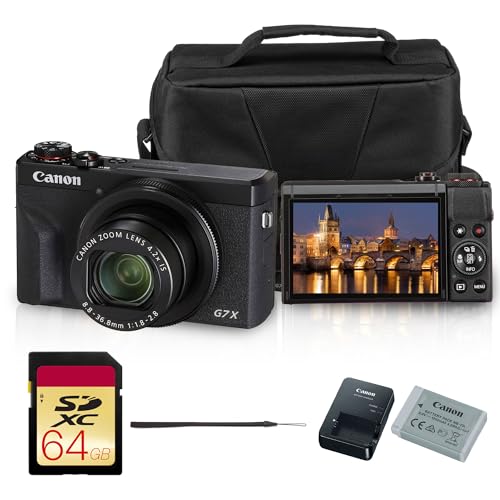
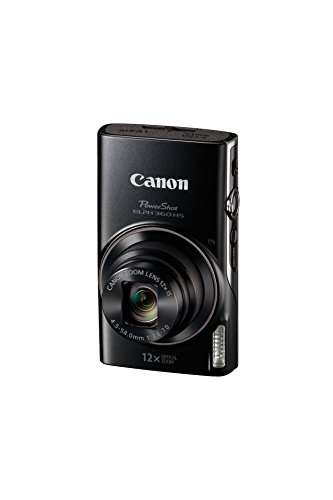
Canon travel prices run from a few hundred dollars for a compact to several thousand for a full frame kit. The best canon cameras for travel photography are not simply the most costly ones. They are light enough to carry daily, and flexible enough for landscapes, portraits, and dim interiors. Use the product table below to see how the main types differ.
This guide follows your budget first, then the features that change your photos on the road. You will see what each price tier includes, which lens and sensor choices matter most, and what extra costs appear later. If brand is still open for you, see our guide to the best cameras for travel photography across all makers, then return here for the Canon specific trade offs.





Who Should Buy Which Canon Travel Camera?
Start with the trip you take most often, since it decides your weight limit and lens range.
City Break Travelers Who Walk All Day
You shoot streets, markets, and museums, often with a small bag and no tripod. A compact Canon or a small mirrorless body with a short zoom keeps your kit discreet and light. Prioritize quick start up, a tilting screen for low angles, and lens or sensor stabilization for dusk shots.
Landscape Travelers Who Chase Low Light and Detail
You plan around sunrise and night markets, and you print or crop more than casual shooters do. A larger sensor earns its weight here, because it holds cleaner shadow detail and gives you more room to adjust exposure later. If general shooting at home matters as much as trips, see our guide to the best cameras for photography for a broader view.
Family Travelers Who Mix Photos and Video
You record school trips, beach days, and grandparents, and you need the camera to keep up without a manual in your hand. Look for reliable face and eye autofocus, a screen that flips to the front for group clips, and simple controls a partner can use without training. A moderate zoom covers playground distance and wide group shots.
What Each Canon Travel Budget Buys You
Prices below cover the kit alone. As you move up the tiers, the best canon cameras for travel photography gain larger sensors, stronger autofocus, and better screens, while weight and lens costs climb.
Budget Tier: Light Kits With Simple Controls
Small compacts and entry mirrorless kits cost about $400 to $800. You get a 1 inch or APS C sensor, a starter zoom lens, and automatic modes that handle most daylight scenes well. Low light results and tracking speed are limited, so this tier suits casual trips. New buyers can also read our guide to the best cameras for travel photography beginners for first steps.
Midrange Tier: Bigger Sensors and Real Lens Choice
At about $800 to $1,600, Canon mirrorless kits add a larger APS C sensor, faster autofocus, and a choice of interchangeable lenses. You also gain better screens, stronger video, and fuller controls. This tier fits travelers who shoot often and want one kit to grow with them, because a second lens can change the camera more than a new body can.
Premium Tier: Full Frame Reach and Cleaner Night Files
At about $1,700 to $3,500 for a body and one lens, premium Canon bodies bring full frame sensors, confident tracking, robust weather sealing, and the best viewfinders in the range. Files stay cleaner at high sensitivity settings, and burst depth suits wildlife detours. The trade off is size, because body and lenses can double the weight of a midrange kit.
Key Features to Compare
Judge each feature by the photos you take on a trip, and skip features that only lengthen a spec list.
Sensor Size and Image Quality on the Road
Sensor size shapes low light quality, depth of field, and body size more than megapixel count alone. A 1 inch sensor keeps a compact small, APS C balances clean files with moderate lens size, and full frame gives the cleanest night shots and the shallowest depth of field. Choose the smallest sensor that still meets your night and print needs.
Lens Range, Optical Zoom and Image Stabilization
A zoom covering about 24 to 105 mm equivalent handles streets, portraits, and most viewpoints, while 24 to 240 mm reaches distant details. Optical zoom uses real glass, so detail holds up better than digital cropping. Image stabilization steadies the lens or the sensor, helping you shoot sharp handheld frames at slower shutter speeds indoors.
Autofocus That Keeps Up With Moving Subjects
Canon autofocus can lock onto eyes, faces, animals, and vehicles, and it tracks them as they move across the frame. Wider focus coverage helps in crowds and dim halls, where a single focus point can hunt. If fast action is your main subject at home too, see our guide to the best canon cameras for sports photography.
Size, Weight and Grip for Long Days on Foot
Add the lens, battery, and strap to the body weight before you judge a kit, because the total is what your shoulder feels by evening. A deep grip helps with a longer lens, while a flat compact slips into a pocket. Pack the kit you will carry daily, because a camera left at the hotel takes no photos.
Video Tools for Travel Clips and Short Vlogs
Many travelers record as much video as stills, and this is where vlogging cameras overlap with travel bodies. Look for 4K recording, a microphone input, and a screen that flips to the front so you can frame yourself outdoors. If you film long ceremonies, check recording limits, because some compact bodies pause sooner than larger ones.
Weather Sealing, Battery Life and Charging Away From Home
Mountain weather punishes unprotected gear, so sealed bodies and lenses are worth money if your trips run wet. Treat weatherproof design as help against light rain only. Battery life varies widely, from about 250 to 500 shots per charge. USB charging lets you refill from a power bank on trains and skip a separate charger.
The Second Lens and Other Costs After the Kit
The body is only part of the bill. Budget for an extra battery, fast memory cards, a padded bag insert, and a lens cleaning kit. A second lens often costs about $300 to $900, and shapes your photos more than small body upgrades do.
Protection plans add cost, so weigh them against how rough your trips are. Keep some reserve for a lost charger or a cracked screen protector, because small losses are common on the road.
Common Mistakes to Avoid
These errors cost travelers photos, money, or both.
- Buying the largest sensor you can afford leaves no budget for the lens your scenes actually need.
- Judging by body weight alone hides the heavier total once a zoom lens and spare battery join the bag.
- Relying on digital zoom instead of optical zoom discards detail you cannot recover later.
- Packing one battery for a full day of video leaves the camera dead before evening events start.
- Skipping weather sealing for a rainy destination risks moisture damage inside the body and lens.
- Leaving backup until you return home risks losing every photo if a card fails or a bag is stolen.
Care and Maintenance for Canon Travel Cameras
Wipe the body with a soft dry cloth after beach or desert days, because salt and sand work into dials and seams. Use a blower on the objective lens and around the mount with the camera off and facing down, so dust falls away instead of settling deeper. Never use household glass cleaner on coated lens glass.
Dry a damp camera slowly with the lens removed, and keep silica gel packs in your bag to limit humidity. Store the kit in a cool dry place with the battery partly charged, and recharge fully before the next trip. Check strap lugs each season, because a worn strap is a cheap part that protects against a costly fall.
FAQ
What features matter most in Canon cameras for travel photography?
Fast autofocus matters most, followed by one lens range that covers wide scenes and moderate distance. One point the body touches only lightly is burst depth. A deeper burst buffer helps at festivals and wildlife stops, because the camera keeps shooting while files write to the card instead of pausing after a few frames.
What specs matter most for beginners buying a first Canon travel camera?
Beginners should value simple menus, dependable automatic exposure, and a kit zoom that starts wide, near 24 mm equivalent. Weight matters more than top resolution here, because a light camera gets practiced with daily. Choose a tilting touch screen, since it makes low and high angles easier while you learn.
Which Canon camera type is better for low light travel photography?
A full frame Canon body is better for low light travel photography, because its larger sensor gathers more light per pixel and keeps noise lower in dark interiors. Lens brightness is the other half. A modest APS C body with a fast prime lens can beat a full frame body paired with a slow zoom in the same museum.
What does optical zoom mean on a Canon travel camera?
Optical zoom means the lens changes focal length with moving glass, so subjects grow larger without losing detail. A range like 24 to 240 mm gives a ten times ratio, from dividing the second number by the first. Digital zoom only enlarges the center of the image, so treat any figure beyond the optical range as cropping, not reach.
Is a smartphone enough instead of a Canon camera for travel photography?
A smartphone can be enough for quick snapshots, instant sharing, and casual night shots. A Canon camera pulls ahead when you need real zoom reach, cleaner files for printing, or steady controls in bright sun. Many travelers carry both, and use the phone for messages and the camera for planned scenes.
The Bottom Line
Match the sensor and lens to the trips you repeat, then let your budget set the tier. Keep total carry weight honest, reserve money for a battery and cards, and use the product table above to compare kits side by side. Chosen that way, the best canon cameras for travel photography become the ones you gladly carry every day of the trip.


