Best Beginner Cameras for Landscape Photography 2026: Matching the Right Camera to Your Routine
Disclosure: We may earn a commission when you buy through links on this page, at no extra cost to you. As an Amazon Associate I earn from qualifying purchases. Learn more

Best beginner cameras for landscape photography, matched to your routine by lens class, sensor size, battery life and budget.
There is no single camera that suits every landscape routine, because the right choice depends on where and when you shoot. A dawn hike, a slow evening beside a lake, and a weekend road trip each ask different things from a camera body and a lens. Start with the honest truth about best beginner cameras for landscape photography: for this subject, the lens class outranks the body class, so a beginner buys the lens class first and the body class second.
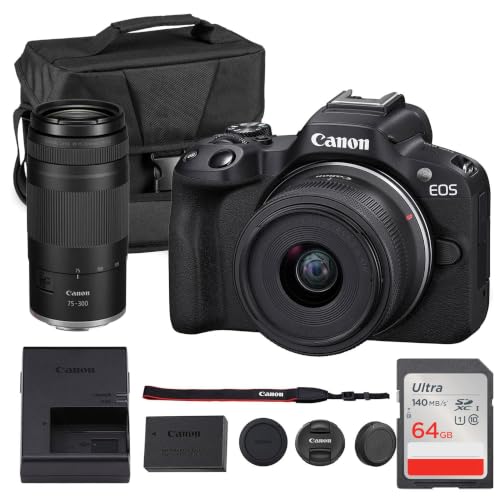
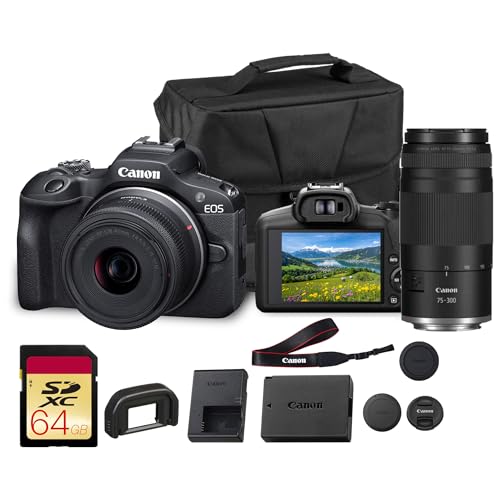
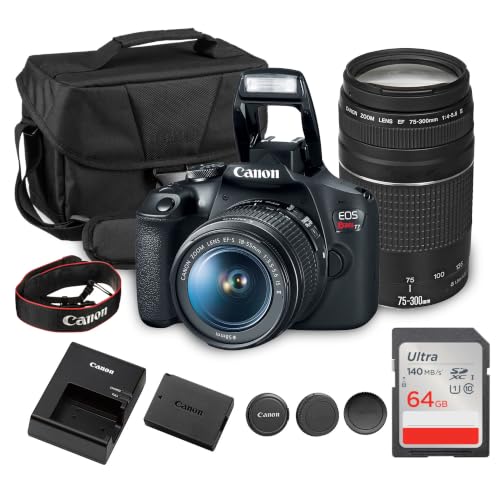
This guide matches camera classes to real routines, then compares the features that decide landscape results outdoors. The product table lets you compare current picks side by side, and the sections after it explain what each feature means once you are standing in front of an actual view.
Who Should Buy Which Camera Class?
For Dawn Hikers and Trail Walkers
Your routine starts in the dark and ends miles from the car, so weight and weather resistance shape everything. Prioritize a compact body class, a wide zoom lens class that covers valleys and ridgelines in one carry, and a sealing class that shrugs off drizzle and dust. Battery life matters more than burst speed here. A light tripod class completes the kit, because your best light arrives when handholding gets shaky.
For Road Trip and Viewpoint Shooters
You shoot from overlooks, lakeshores, and small towns, often with the car nearby and time to compose. A larger sensor class earns its keep here, since weight is less punishing and you can carry a standard zoom plus a wider lens class. This is also where best landscape cameras for beginners with strong screens and simple menus help, because you review compositions on the spot and reshoot while the light lasts.
For Patient Learners Who Shoot Every Week
You return to the same fields and coastlines to practice, so controls that teach you matter most. Choose a body class with clear manual dials, raw file capture, and a lens mount class with room to grow into specialist glass later. A modest kit used weekly beats an advanced kit used twice a year. Your budget should reserve money for a tripod and filters before any body upgrade.
Key Features in the Best Beginner Cameras for Landscape Photography
Lens Class Comes First
The lens decides what your landscapes look like far more than the body does. A wide zoom class frames sweeping scenes, a standard zoom class handles compressed layers and details, and a bright prime class suits dusk work. When you read guides to best cameras landscape photography, notice how often the advice returns to glass. Spend on the lens class you will keep, because bodies get replaced while good lenses stay in the bag for years.
Sensor Size and What It Really Buys
Sensor classes run from small compact sensors through APS C to full frame, and each step buys cleaner files at high sensitivity settings plus shallower depth of field that landscapes rarely need. Just as general guides to best cameras for photography explain, megapixels alone say little about quality. Treat maker dynamic range figures as controlled-condition numbers: real dawn scenes with bright skies and dark foregrounds will still challenge any sensor. Bracket exposures rather than trusting a headline number.
The Tripod Belongs in the Budget
Budget for the tripod class as part of the camera purchase, not as an afterthought. Sharpness at dawn and dusk is a support fact, not a sensor fact: when the light drops, shutter speeds fall below what hands can hold, and a steady tripod class keeps files crisp at low sensitivity settings. Choose a tripod class rated well above your kit weight, with legs that handle mud, sand, and stream banks without slipping.
Battery Life and Charging on Location
Mirrorless body classes use electronic screens and viewfinders, so their shot counts per charge run lower than older designs. Cold mornings shorten battery life further, which matters on winter ridges. Look for USB C charging so a power bank can top up the battery during a drive between locations. Carry one spare battery as a routine habit, stored in an inside pocket where your body heat keeps it ready.
Dawn and Dusk: Low Light and Stability
Landscape beginners shoot at the edges of the day, so low light behavior matters more than midday performance. In-body stabilization classes help with handheld shots at overlooks when a tripod is impractical, though they never replace support for long exposures. A lens class with a wide maximum aperture gathers more light for blue hour scenes. Judge sample galleries by shadow cleanliness rather than by headline sensitivity numbers, and expect some grain in the darkest files.
Common Mistakes to Avoid When Buying Cameras
- Buying the most expensive body class first, then having nothing left for the lens class that shapes the pictures.
- Skipping the tripod budget and blaming the sensor when dawn shots come out soft.
- Choosing a heavy kit that stays home, because a camera left in a closet takes no landscapes at all.
- Ignoring weather sealing classes while planning coastal and mountain routines in wet seasons.
- Judging cameras by megapixel counts alone and overlooking lens quality, screen clarity, and battery life.
Setup and Care Tips
Set the camera to record raw files before your first outing, and learn the histogram display at home rather than on a ridge. Clean the lens with a proper cloth, never a shirt, and store the kit in a dry padded bag away from heating vents. Readers comparing broader starter options in guides to best photography cameras for beginners will find the same care habits apply across every class. Update the camera firmware when the maker releases fixes, and format memory cards in the camera after each download.
Cameras: Your Questions Answered
What makes a beginner camera different from an advanced one?
A beginner camera differs mainly in guidance and forgiveness, not in the ability to take a good landscape. Simpler menu classes, guided modes, and lighter bodies lower the learning cost while you build habits. Advanced classes add weather sealing, dual card slots, and faster processing that beginners rarely use. Start where the controls feel clear, because a camera you understand fully will outshoot a complex one you avoid.
Which lens class matters most for a first landscape kit?
A wide zoom lens class matters most, because it covers the sweeping views that draw beginners to landscapes in the first place. One versatile zoom teaches you which focal lengths you actually use before you spend on specialist glass. Add a fast prime later only if dusk shooting becomes your habit. Resist buying three lenses at once, since unused glass teaches nothing and drains the tripod budget.
Is a smartphone enough for landscape photos?
A smartphone is enough for learning composition, and its wide lens class handles many bright scenes well. It falls short when you want large prints, long exposures of moving water, or clean files in dim dawn light. A dedicated camera also gives you a viewfinder and physical dials that slow you down in a good way. Many beginners shoot both for a season, then keep the phone for scouting locations.
How much should a beginner spend on a first landscape camera?
Most beginners do well in the band of about $600 to $1,200 for a body and kit lens, leaving room for a tripod and spare battery. Spending less usually means an older sensor class that still performs well in daylight. Spending more buys sealing and screen quality rather than dramatically better landscapes. Put the tripod in the same budget from the start, because support gear decides how often early light sessions succeed.
Do beginners need a full frame sensor for landscapes?
No, a full frame sensor is not a requirement for strong landscape work. APS C classes deliver detailed files, lighter lenses, and lower prices, which suit hiking routines especially well. Full frame earns its cost when you print very large or shoot in near darkness often. Trip based shooters, including readers of guides to best cameras for travel photography beginners, often prefer the smaller class for exactly these reasons. Choose the sensor class your routine will actually carry.
Final Thoughts
Match the camera to your routine first: hikers buy light, road trippers buy sensor quality, and weekly learners buy controls that teach. Keep the lens class at the top of the budget, put the tripod in the same purchase, and read dynamic range claims as manufacturer numbers rather than promises. The product table pulls the main options together for a final comparison. Chosen this way, best beginner cameras for landscape photography stop being a spec hunt and become a kit you will happily carry into early light.