
Best Affordable Cameras for Landscape Photography: What Your Money Really Gets You for 2026
Disclosure: We may earn a commission when you buy through links on this page, at no extra cost to you. As an Amazon Associate I earn from qualifying purchases. Learn more

Spend where it improves your shots: the best affordable cameras for landscape photography compared by sensor, lenses, weather sealing, and weight.
Affordable landscape cameras cover a very wide price range, and the differences are not always obvious from a headline specification. A lower priced body can still produce a beautiful print when paired with a good lens and a tripod, while a higher priced body may mainly add speed or weather sealing you rarely need. This guide explains the best affordable cameras for landscape photography by spending level, so you can judge where extra money helps your photos and where it does not.
The product table sits between this introduction and the detailed sections that follow. Use it to compare sensor size, lens options, and weight at a glance, then read the spending and feature sections to match a camera to the way you actually shoot outdoors.
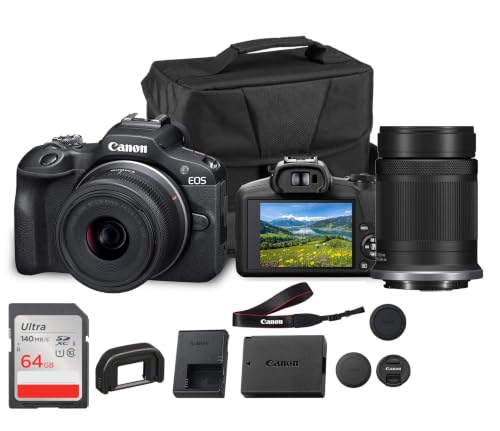


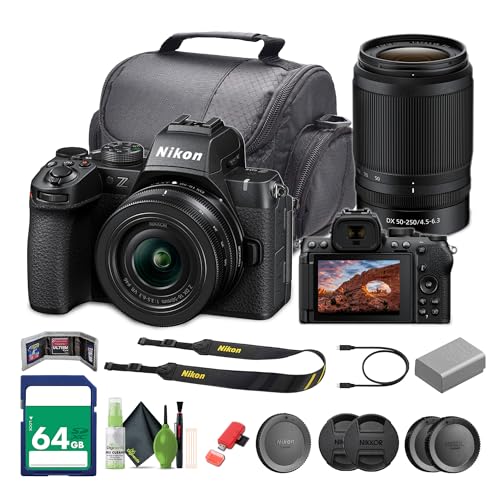
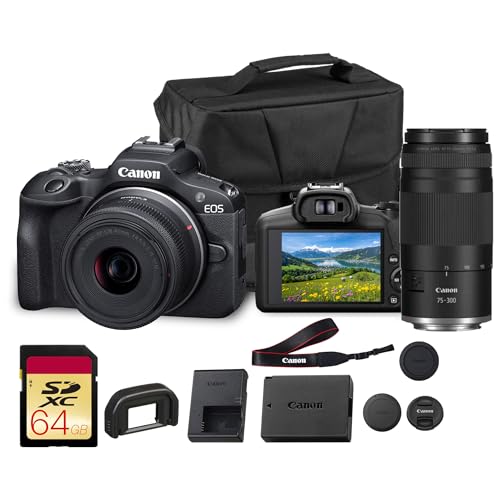

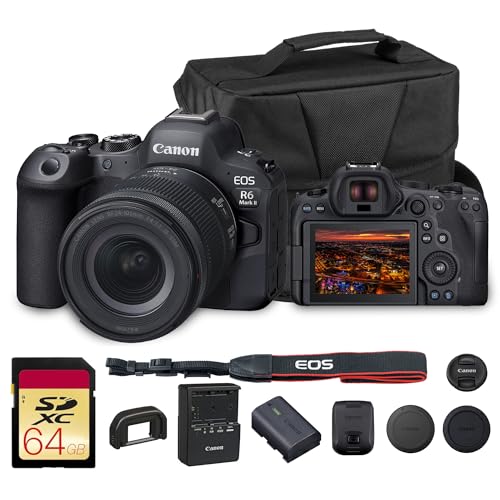

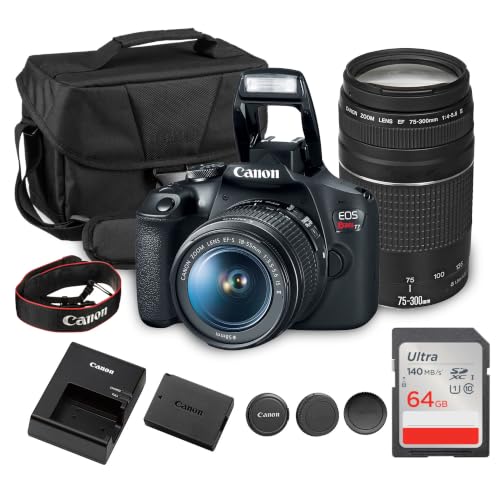
Best Affordable Cameras for Landscape Photography by Budget
Think in spending levels rather than in single models, because the same budget can buy different strengths depending on whether you value a larger sensor, a wider lens range, or a lighter kit for hiking. The levels below describe what each budget usually buys and what trade offs to expect.
Budget Spending Level
At the budget level, expect a smaller sensor, a kit zoom lens, and simpler weather sealing, but still enough resolution for large prints when light is good. Spend the largest share on a sharp wide angle lens and a sturdy tripod, since those two items affect landscape sharpness more than a small sensor upgrade. For a wider set of low cost options, see our guide to the best affordable photography cameras and compare their lens ranges before you settle on one system.
Midrange Spending Level
At the midrange level, you often gain a larger sensor, better dynamic range, and more reliable autofocus, plus a wider choice of lenses. Dynamic range matters for landscapes because it helps hold detail in bright skies and dark foregrounds in the same frame. This level suits photographers who shoot often, print large, and want a body that can grow with better lenses over time.
Premium Spending Level
At the premium level within an affordable range, you may gain stronger weather sealing, a higher resolution sensor, and faster operation, but not always better landscape photos in good light. Pay for this level when you shoot in rain, dust, or cold, or when you regularly crop heavily or print very large. If you mostly shoot in fair weather and share photos online, the midrange level often leaves more budget for lenses and travel.
What Your Money Gets You at Each Price Tier
Price tiers in landscape cameras are best judged by sensor, lens system, and build, not by megapixels alone. A modest sensor with a sharp lens and good technique can beat a high resolution sensor used handheld in poor light.
Budget Tier: What to Expect
Budget bodies often use smaller sensors and plastic construction, which keeps weight and price down. Expect good results in daylight, usable results at dawn and dusk with a tripod, and more noise in very dark scenes. Battery life and viewfinder quality may be simpler, so carry a spare battery and check the screen in bright sun before you rely on it outdoors.
Midrange Tier: A Strong Balance for Most Buyers
Midrange bodies often balance sensor size, dynamic range, and lens choice, which is why they suit many landscape photographers. You may gain in body stabilization, a better electronic viewfinder, and dual card slots for backup, all of which help on longer trips. This tier is also where lens choice widens, so you can add a wide angle zoom or a telephoto for distant detail without changing systems.
Premium Tier: When Spending More Pays Off
Premium affordable bodies tend to add resolution, weather sealing, and faster processing, which help when cropping, printing large, or shooting in harsh weather. They do not remove the need for a tripod, careful focusing, or good light, so technique still decides most results. Spend here when you have already covered lenses, a tripod, filters, and storage, and the body is the clear limit in your current kit.
Features Worth Paying For (and Ones to Skip)
Use this section to separate features that change landscape photos from features that sound impressive but rarely matter outdoors. Prioritize sensor quality, lens choice, and stability, then consider comfort and handling.
Autofocus and Stabilization
Landscape work rarely needs fast tracking autofocus, since most subjects are still and you can focus carefully by hand or with a single point. In body stabilization helps when shooting handheld at dusk, but a tripod remains the better tool for long exposures and low light scenes. Eye tracking and advanced subject detection are useful for wildlife, yet they add little to a still mountain or coastline scene.
What You Can Realistically Get on a Budget
On a budget of about $500 to $1,000 for a body and kit lens, expect solid daylight image quality, a usable wide angle range, and basic weather resistance at best. Do not expect full weather sealing, very high resolution, or clean images at extreme high ISO settings at this price. Put money into a tripod, a remote release, and lens cleaning tools, since those items protect sharpness on every outing.
Size, Weight, and Ergonomics
Weight matters more on a hike than it does in a studio, so compare the full kit weight, including lenses, tripod, and bag, not just the body alone. A smaller body with a compact wide angle lens can encourage longer walks and earlier starts, which often matter more than a small sensor advantage. Check grip comfort with gloves, button layout in cold weather, and whether the menu system is easy to use without reading a manual in the field.
Features That Matter for Landscape Photography
Landscape photography rewards dynamic range, a wide angle lens, and a stable platform, because scenes often mix bright sky and dark land. Look for a sensor and lens combination that holds highlight detail, a wide zoom that starts near 16 to 24mm in full frame terms, and a tripod socket that sits securely. For a focused comparison of landscape specific bodies, see our guide to the best cameras landscape photography, and check its lens notes against the scenes you shoot most.
Sensor Size and Image Quality
Sensor size affects dynamic range, noise, and depth of field control, but it does not decide image quality on its own. A larger sensor often gives cleaner shadows and more room to lift dark areas, while a smaller sensor can still excel in good light with a sharp lens. Megapixels help when cropping or printing large, yet lens sharpness, focus accuracy, and camera stability matter just as much. For a broader view of general purpose options, see our guide to the best cameras for photography before you lock in a sensor size.
Long Term Costs to Factor In
Budget for lenses, filters, a tripod, spare batteries, memory cards, and a bag, since those items often cost as much as the body over time. A polarizing filter and a graduated neutral density filter can help skies and reflections, while a sensor cleaning kit protects image quality on dusty trips. Also allow for warranty, repair, and eventual battery replacement, and check whether the lens system you choose offers affordable wide angle options for the future. For higher end affordable options within a professional leaning system, see our guide to the best affordable cameras for professional photography and compare its lens costs with your budget.
Cameras: Your Questions Answered
What features matter most in cameras for landscape photography?
Dynamic range, lens choice, and stability matter most, because they decide whether skies stay detailed, foregrounds stay sharp, and long exposures stay clean. A wide angle lens, a sturdy tripod, and a sensor that holds shadow detail will improve more photos than a faster burst rate or advanced video features. Weather sealing matters when you shoot in rain or dust, but it should not outrank lens quality for most beginners. Start with those core features, then add comfort and handling to the shortlist.
What specs matter most for beginners?
Beginners should focus on sensor size in general terms, a kit lens that covers a wide angle view, and simple manual controls for aperture, shutter speed, and ISO. Resolution matters less than learning exposure, composition, and focus, since a well exposed photo from a modest sensor beats a poorly exposed photo from a larger one. Look for a clear viewfinder or screen, a tripod socket, and a lens system with affordable wide angle options. Those basics support learning without forcing an early system change.
Which is better for low light?
A larger sensor with good high ISO performance helps in low light, but a tripod helps even more for still landscapes. With a tripod, you can use a low ISO setting and a longer exposure, which keeps noise down and preserves detail in shadows. Without a tripod, look for in body stabilization and a lens with a wide maximum aperture, and accept some noise in very dark scenes. For dawn, dusk, and night scenes, technique and stability usually matter more than a small sensor difference.
How much should I spend on my first one?
A first landscape camera kit of about $500 to $1,000, including a kit lens, often gives enough quality to learn and to print pleasing photos. Spend less if you are unsure whether landscape photography will become a regular habit, and spend more only when you know you need better dynamic range, weather sealing, or larger prints. Reserve part of the budget for a tripod and a spare battery, since those items affect results from the first outing. A modest kit used often teaches more than an expensive kit left at home.
Our Verdict
Choose a sensor and lens system that fits your walking habits, your print size, and your weather, then spend the rest on a tripod, filters, and lenses. A midrange body often gives the best balance for regular landscape work, while a budget body paired with a sharp wide angle lens can still produce excellent daylight photos. Use the product table to compare the shortlist, check total kit weight and lens prices, and pick the camera you will actually carry to the best light. That practical match is what makes the best affordable cameras for landscape photography worth their price.


