Best Compact Bridge Cameras: A Buyer Checklist for 2026
Disclosure: We may earn a commission when you buy through links on this page, at no extra cost to you. As an Amazon Associate I earn from qualifying purchases. Learn more
Compare the best compact bridge cameras by zoom range, sensor size, autofocus, stabilization and handling, and match one to your subjects.
A compact bridge camera gives you a long zoom lens and manual controls in one body that still fits in a jacket pocket or a small day bag. Choosing well comes down to a short checklist covering the specs that shape your photos. If you want the best compact bridge cameras for your own shooting, start with how and where you plan to shoot.
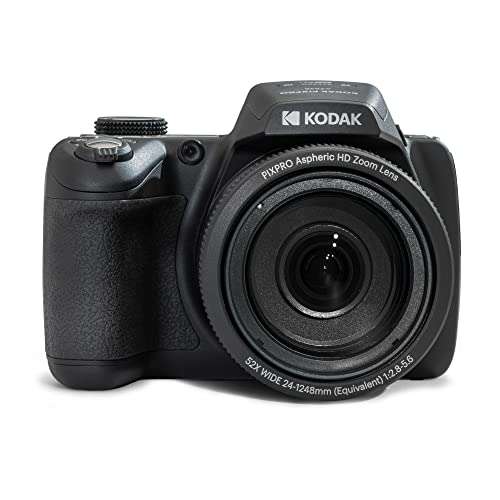
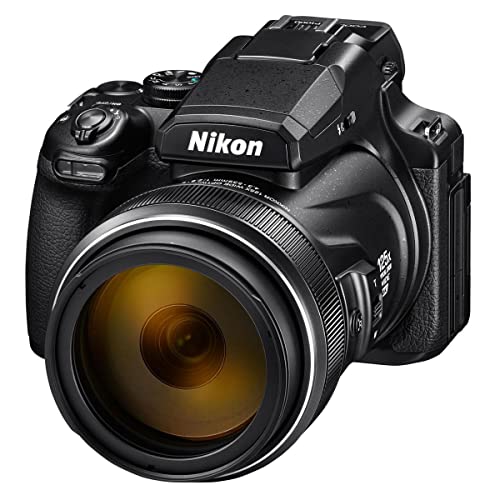
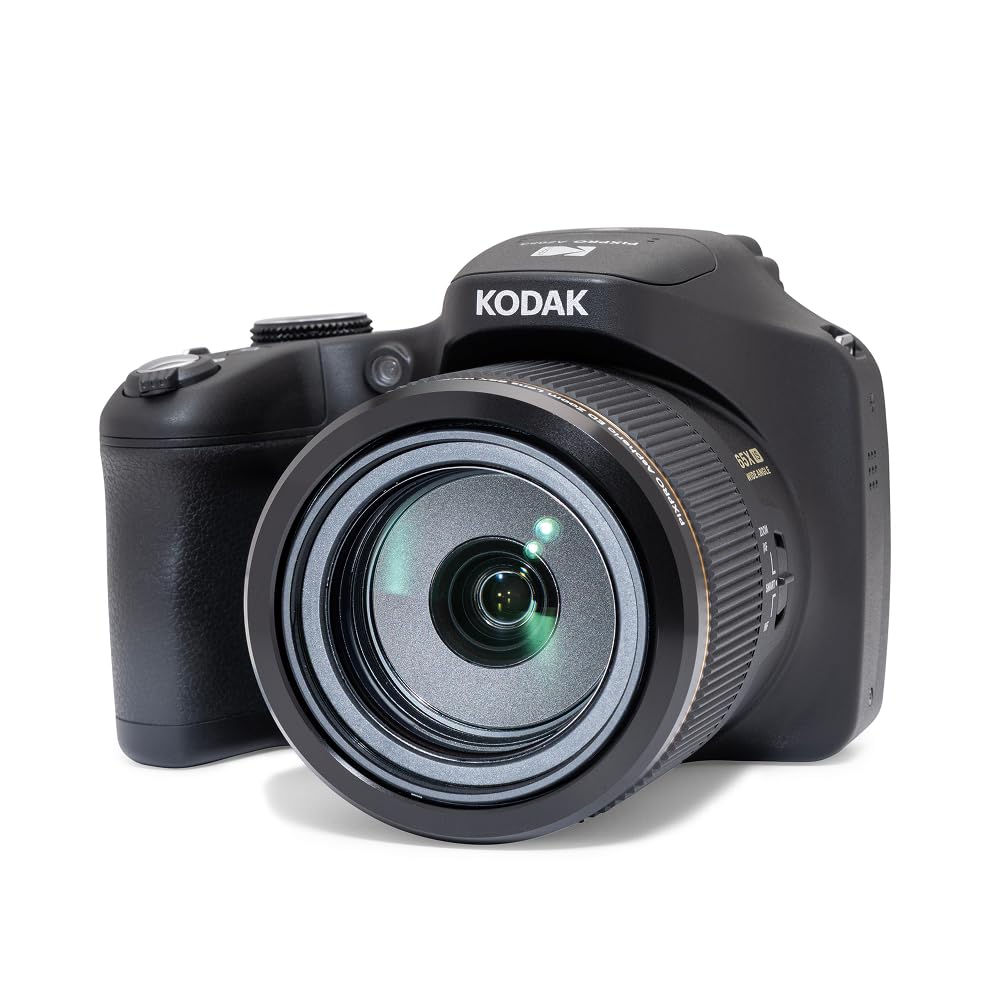
The comparison table below gathers the current options in one place, so you can scan zoom range, sensor size, and weight side by side as you read. Use the sections that follow to decide which numbers matter for your subjects and which ones you can safely ignore.




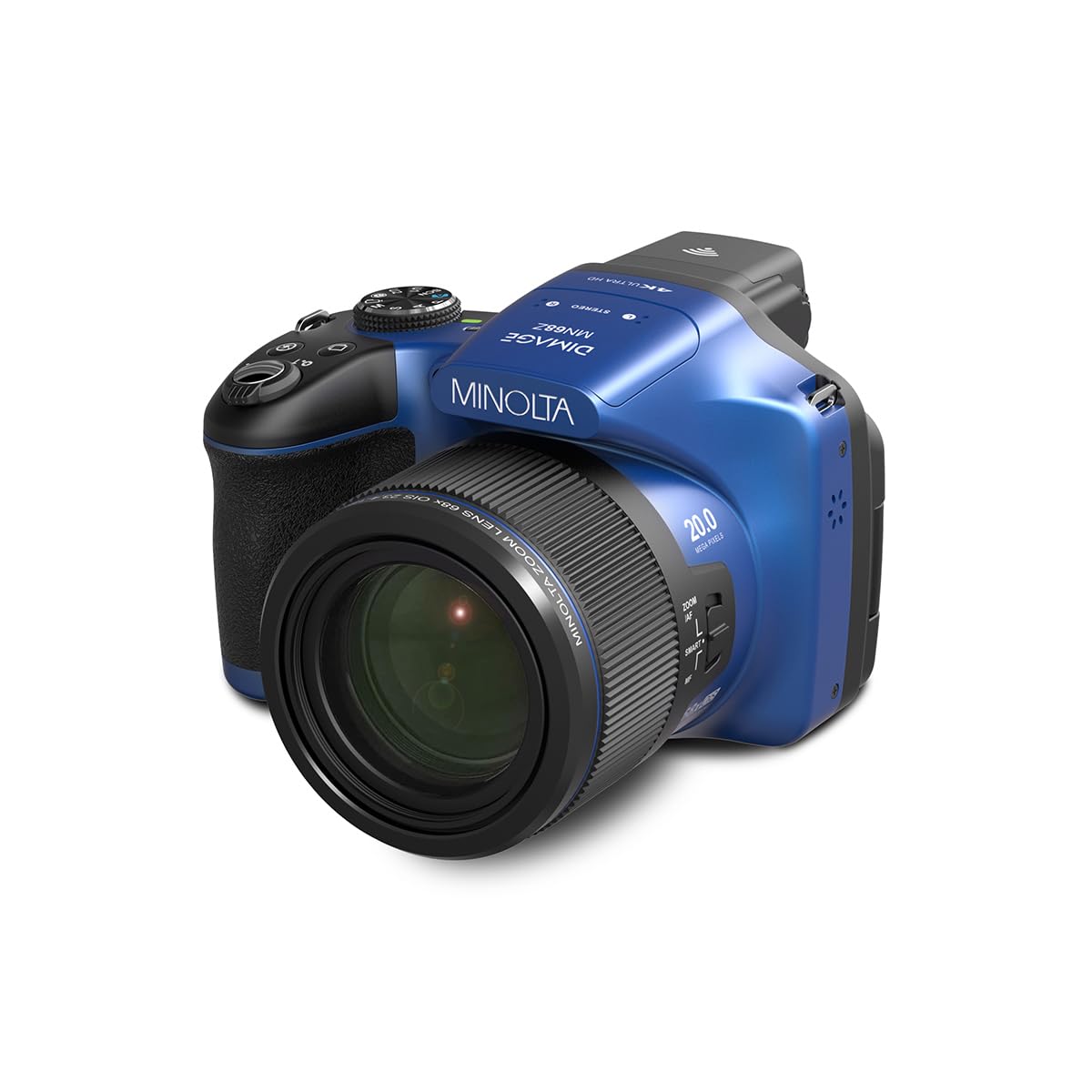
How to Evaluate Compact Bridge Cameras
A fair checklist judges every model on the same points, in the same order, so a strong zoom number cannot hide a weak sensor or a tiring grip. The six areas below cover size, image quality, focusing, protection, power, and handling. Note your own priorities as you go, because the best compact bridge cameras for another shooter may not match your subjects at all.
Measuring for Size and Portability
Start with the camera in your hand and in your bag, not with the spec sheet. Most compact bridge models weigh about 300 to 600 grams with the battery and card fitted, and that range feels very different after a full day of walking. Check the depth with the lens retracted, since a body that looks slim in photos can still bulge in a coat pocket. If a model only fits your bag by pushing everything else out, you will leave it at home.
Sensor Size and Image Quality
Sensor size does more for image quality than any other single spec. Most compact bridge models use a one inch sensor or a smaller sensor near half an inch across, and the one inch design gathers more light for cleaner photos at dusk and indoors. Megapixels matter far less, because a crowded small sensor can produce noisy images even with a high count. Look at dynamic range instead, which describes how much detail the sensor holds in bright skies and deep shade. A larger sensor also gives softer background blur for portraits, and readers comparing formats can see our guide to the best digital cameras for the wider picture.
Autofocus and Stabilization
Autofocus decides whether the moment you wanted is the moment you got. Look for subject detection for faces and eyes, plus tracking that holds a moving child, pet, or bird as it crosses the frame. At long zoom settings even a small focus error shows, so confident autofocus matters more here than on a wide angle compact. A touchscreen you can tap to place the focus point also speeds up careful compositions.
Image stabilization works alongside autofocus to keep distant shots sharp. Optical stabilization inside the lens steadies the view while you compose, which helps you keep a far subject framed at full magnification. Ratings are often given in stops, and about four to five stops of help is a strong result for this class. Stabilization cannot freeze a moving subject, so pair it with shutter speeds that suit the action.
Durability and Weather Sealing
Weather sealing protects a camera from light rain, sea spray, and dusty trails, and the exact wording matters before you rely on it. A model described as weatherproof or splash resistant has seals around doors and dials, but it is not built for underwater use unless it carries a clear depth rating. The battery door and port covers are the usual weak points, so confirm they close with a firm click.
Battery Life and Charging
Battery ratings for this class usually fall around 250 to 400 shots per charge, and real use with the screen on and the zoom moving often lands lower. Video drains a battery much faster than stills, so a day of mixed shooting calls for a spare. Check whether the camera charges over USB C, because that lets you top up from a power bank while you travel. Let the camera sleep between shots, since screen reviews and WiFi transfers draw extra power.
Size, Weight, and Ergonomics
Ergonomics decides how a camera feels in minute thirty of a shoot, long after the spec sheet stops mattering. A shaped grip that fills your palm lets you hold a long zoom steady with one hand, while a flat body forces your fingers to pinch and tire. The zoom lever, shutter button, and control dial should fall under your fingers without looking. Weight balance also changes as the lens extends, because the body grows front heavy at full zoom.
If you wear glasses, check that the viewfinder gives a clear view without pressing your frames. A camera that carries easily gets used more, and used cameras take better photos than perfect ones left at home.
Matching Zoom, Sensor, and Control to Your Shooting Style
With the checklist in mind, the next step is matching a camera to the photos you actually take. The right balance of zoom reach, sensor size, and body size shifts with your subjects, so the three groupings below point to the specs that deserve your budget first. Use them to narrow the product table above down to a short list.
Travel and Everyday Shooting
For travel, a moderate zoom that covers wide streets and distant landmarks in one lens saves you from swapping gear or missing a shot. A range near 24 to 360 mm in full frame terms handles most city and landscape scenes, and it keeps the body small enough for a sling bag. Prioritize a tilting screen for low and high angles, plus USB C charging for hotel room top ups. Weight matters more than the last increment of zoom on trips where you walk all day, and travel shooters can also see our guide to the best compact cameras for travel for more carry ideas.
Wildlife, Sports, and Distant Subjects
Distant subjects reward reach, so look for optical zoom that extends to 600 mm or beyond in full frame terms, paired with strong stabilization. Digital zoom only crops the image and softens detail, so judge a camera by its optical range and ignore the larger digital number in the headline. Fast autofocus tracking and a quick burst mode help with birds and field sports. A clear electronic viewfinder also steadies the camera against your face at full reach.
If even a compact bridge body feels too large for daily carry, see our guide to the best cameras compact for smaller point and shoot compacts that trade zoom reach for true pocketability.
Family Photos, Video, and Sharing
Family shooting rewards speed and simplicity more than extreme reach. Look for face and eye detection that works in video as well as stills, a screen that flips forward for group photos, and a microphone input if you plan to record voices outdoors. Built in WiFi and Bluetooth make sending photos to a phone simple, which is how most family pictures get shared. Simple auto modes matter too, because the camera often gets handed to someone else.
Weighing a compact model against larger bodies, size is usually the deciding factor, since bigger bodies add grip depth and battery room while compact models win on carry. For that broader comparison, see our guide to the best bridge cameras.
Quick Buyer Checklist
Run through these questions before you order, and treat any no answer as a reason to look at another model in the product table above.
- Does the optical zoom reach cover your most common subjects without relying on digital zoom?
- Is the sensor size large enough for the light you usually shoot in, including indoor scenes?
- Does the autofocus offer face and eye detection plus tracking for moving subjects?
- Can you hold the grip comfortably for several minutes with the lens fully extended?
- Does the battery rating, plus one spare, cover your longest typical shooting day?
- Does the camera charge over USB C so you can top up while traveling?
- Are the screen and viewfinder both easy to see in bright outdoor light?
- Does the body have weather sealing that matches the conditions you shoot in most?
Red Flags to Watch For
Some warning signs appear right in a product listing, once you know where to look. Set aside any model that shows several of these problems, no matter how attractive the headline zoom number looks.
- Headline zoom that mixes optical and digital reach without saying so, since only the optical figure reflects true lens magnification.
- Vague sensor wording that hides the actual sensor size, since honest listings state the format clearly.
- No stated battery rating in shots per charge, since that omission makes planning a shooting day guesswork.
- A warranty much shorter than rival models offer, since it can signal low confidence in the build.
- Listing photos that never show the port doors or dials, since those details reveal build quality and sealing.
- Review patterns full of identical praise with no mention of limits, since balanced feedback usually notes a drawback or two.
One more check costs nothing. Search the model name with the word problem and read what owners report after months of use, especially about lens errors and battery doors, since recurring complaints matter more than a single angry post.
Tips to Get the Most From Your Compact Bridge Camera
Care for a bridge camera centers on its long fixed lens, because you cannot remove it for cleaning or swap it after damage. Wipe the front glass with a clean lens cloth and gentle circular strokes, never with a shirt, which can drag grit across the coating. Keep the lens cap on whenever the camera sits in a bag, and let the lens retract fully before storage. A padded case keeps the body from knocking against chargers and cables.
Store the camera in a dry place away from direct heat, and take the battery out if it will sit unused for several weeks. If you shoot near the sea, wipe the body afterward with a cloth lightly dampened with fresh water, because dried salt corrodes contacts. Use the strap every time you shoot, since most damage in this class comes from drops. Check the firmware page for your model a few times a year, because updates often improve autofocus.
Small habits help in the field too. Shade the lens with your hand when the sun sits just outside the frame, because stray light lowers contrast on long zoom shots. Readers moving up from simpler models can see our guide to the best compact digital cameras for background on shared auto modes.
Frequently Asked Questions
Is a smartphone enough instead of a compact bridge camera?
A smartphone is enough for wide scenes and quick sharing, but a compact bridge camera pulls ahead as soon as your subject is far away. Its optical zoom keeps detail that phone cropping throws away, and the grip and viewfinder make long sessions easier. Phones also apply heavy processing that can smear fine detail in feathers or foliage.
How much should you spend on your first compact bridge camera?
Most first time buyers spend about $400 on a compact bridge camera that balances sensor, zoom, and build, with stronger models costing more from there. Spending more mainly buys a larger sensor, a brighter lens, or better sealing. Set aside part of the budget for a spare battery, a padded case, and a fast memory card, since those basics matter more than a small spec lead.
Which compact bridge camera features matter most for low light photos?
A larger sensor and a bright maximum aperture matter most for low light photos from a compact bridge camera. The lens aperture often narrows as you zoom, so check the figure at the long end rather than only at the wide setting. Stabilization helps with still scenes in dim light, but it cannot sharpen a moving subject. Raising sensitivity works up to a point, after which noise eats the detail you were trying to save.
What specs matter most for beginners choosing a compact bridge camera?
Simple controls, reliable autofocus, and a clear auto mode matter most for beginners choosing a compact bridge camera. A tilting screen helps you learn angles without lying on the ground, and guided scene modes explain settings as you use them. Skip models that bury basic choices deep in menus, because friction slows learning. Manual exposure controls and raw file support then give you room to grow without replacing the camera.
How far can the optical zoom on a compact bridge camera reach in real use?
Optical zoom on a compact bridge camera can frame subjects hundreds of feet away, such as birds in tall trees or players on the far side of a field. In practice, heat shimmer, haze, and hand movement limit clarity before the lens itself does. A monopod or a fence post for support sharpens distant shots more than extra digital reach ever will.
Wrapping Up
The strongest buying decisions in this category come from three checks: sensor size for the light you shoot in, true optical zoom for your subjects, and a grip and battery that suit your longest day out. Everything else is refinement. Run your short list from the product table above against the checklist in this guide, and let your own subjects break any tie. Chosen that way, best compact bridge cameras stop being a label and become the camera that fits your hands, your bag, and your photos.