Best Bookshelf Speakers for 2026: A Buyer Checklist
Disclosure: We may earn a commission when you buy through links on this page, at no extra cost to you. As an Amazon Associate I earn from qualifying purchases. Learn more
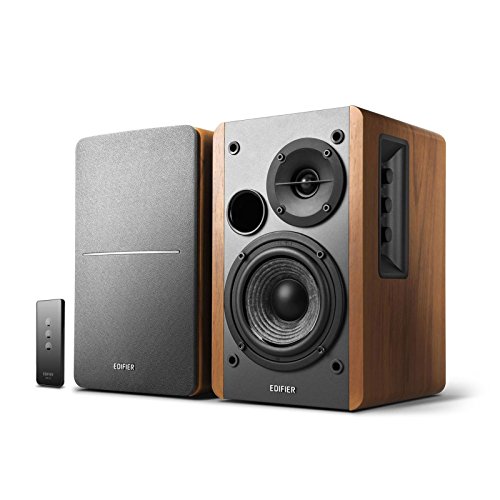
A practical checklist to compare the best bookshelf speakers: powered or passive, driver size, inputs, placement, and price bands.
Bookshelf speakers look simple: two compact boxes, a few cables, and you are done. The shopping is less simple, because the same shelf friendly size hides two genuinely different kinds of product, and published specs do not compare cleanly across brands. If you want the best bookshelf speakers for your desk, living room, or turntable corner, the safest route is a short checklist worked through in order. Start with the powered versus passive decision, then check the specs that actually change what you hear, and use the product table to shortlist pairs that pass.
This guide walks through that checklist step by step. It explains what each factor means in plain language, gives the price bands in approximate dollars, and flags the marketing claims you can safely ignore. It ends with placement tips and honest answers about bass, room size, and hearing comfort, so you can buy once and listen for years.


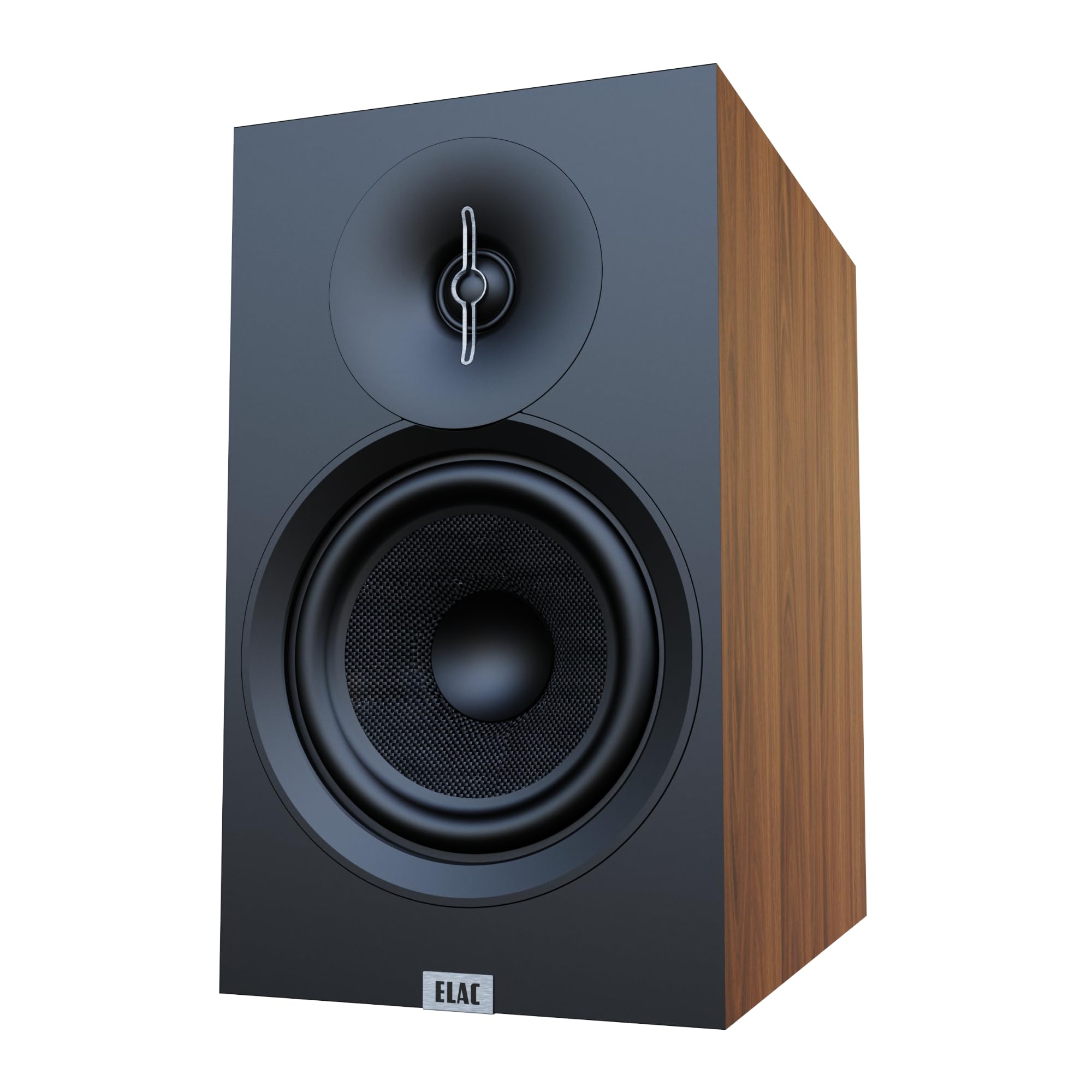


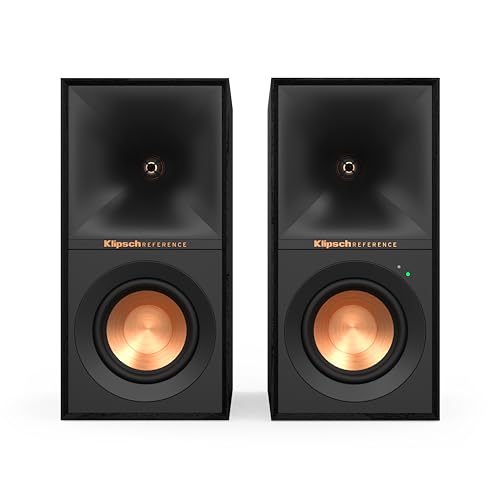
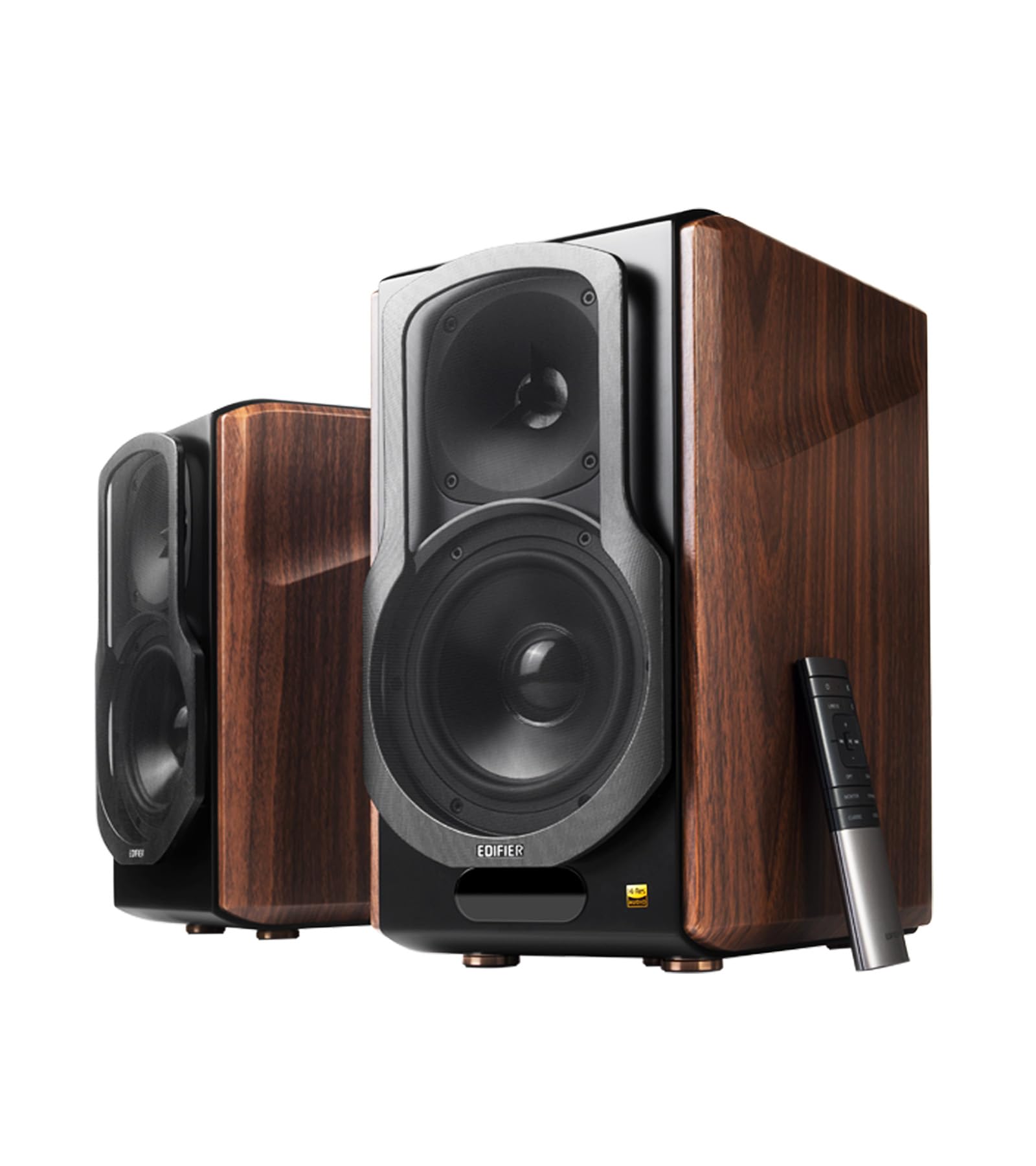

The First Decision: Powered or Passive Speakers
The amplifier decision is half the purchase, so make it before you look at anything else. Powered pairs carry the amplification inside one of the cabinets, so you connect a phone, a TV, or a turntable preamp straight to the speaker and play. Readers who want that simple setup should start with best powered bookshelf speakers, because the amplifier, the inputs, and the volume control all live in the pair itself. There is no separate box to buy, no speaker wire run to plan, and the amplifier is matched to the drivers at the factory.
Passive pairs contain no amplifier at all, so they need a receiver or a separate amplifier that you may already own in a stereo or home theater setup. If you do own one, passive speakers let you reuse it and upgrade each part later. Watch the naming while you shop, because some listings use amplified as a synonym for powered. Our guide to best amplified bookshelf speakers covers that powered class in more depth. Neither route sounds automatically better; the real question is which boxes you want to own, power, and place.
Key Features to Compare in the Best Bookshelf Speakers
Sound Quality and Tuning
Every maker describes its tuning as accurate, warm, or lively, and none of those words are measured the same way twice. What you can check is the stated frequency response, which shows the range of notes the speaker claims to cover. Treat a low end figure with no tolerance in decibels as incomplete, because a speaker that reaches a note at a whisper has not really covered it.
For voices and TV dialogue, clear midrange matters more than deep bass, since that is where speech lives. If your listening is mostly music at a desk, a slightly relaxed treble is easier on the ears across a long day than a bright, forward one.
Cabinet and Driver Size
Driver size sets the physical limits of the pair. Small cabinets with woofers around 4 inches suit desks and small bedrooms, where you sit close and listen at modest volume. Larger cabinets with woofers around 5 to 6.5 inches move more air, play louder with less strain, and reach lower before the bass fades.
Cabinet construction matters too: a heavier, well braced box usually rattles less than a thin one at the same volume. Measure your shelf or stand before ordering, since the larger class often needs more depth than a standard bookshelf offers.
Inputs and Connections
List your sources first, then count the inputs. Powered speakers aimed at TV use usually offer an optical input and sometimes an HDMI ARC input, which lets the TV remote control the volume. Bluetooth is handy for a phone, but it compresses the signal, so a wired connection still gives the cleanest feed when you can use one.
Passive speakers take speaker wire from your amplifier, so check that the amplifier offers the inputs your sources need. A pair with a subwoofer output also leaves you a clean upgrade path if you later want more bass.
Turntable owners have one extra check: most modern record players need a phono preamp somewhere in the chain, either built into the turntable, built into the powered speaker, or bought as a small separate box. If vinyl is your main source, our guide to best vinyl bookshelf speakers focuses on pairs and setups that handle that chain well. Skipping the preamp check is the most common reason a new vinyl setup sounds thin and quiet on day one.
Wattage and Sensitivity Numbers
Wattage figures on speaker boxes are maker figures, and they are not measured the same way across brands, so a bigger number does not mean a louder or better speaker. Some listings quote peak power, which describes a split second burst rather than sustained output. Sensitivity is the more useful number: it states how loud a speaker plays with a small, standard amount of power, and a higher sensitivity figure means the speaker reaches a given volume with less amplifier effort. If you pair passive speakers with a modest amplifier, sensitivity deserves more of your attention than the watt headline.
Placement and Room Size
Speakers this size fill small and medium rooms well, and placement changes their sound more than any cable upgrade will. Tweeters work best near ear height when you are seated, which usually means stands or isolation pads rather than a bare shelf. Isolation pads also stop the shelf itself from buzzing along with the music.
Distance from the wall matters: speakers with a rear port pushed tight against a wall often sound boomy, while a little breathing room cleans up the bass. Start with the pair angled slightly toward your seat, then adjust in small steps.
Bass Limits and the Subwoofer Question
Be honest about physics: a small cabinet cannot move enough air to produce deep bass, so the lowest notes roll off gradually no matter what the box copy promises. That rolloff is fine for most music, podcasts, and dialogue at normal volumes. It shows up in movie effects and in electronic or hip hop tracks that lean on very low notes.
A subwoofer is always a separate purchase, and no pair price includes one. If you think you will want one later, choose a powered pair with a subwoofer output now, so adding it later takes minutes instead of a new system.
What Each Price Level Buys
Price bands in this category are wide, and the steps between them buy different things. Use the bands below together with the product table to decide where your money stops working hard. At every level, you are paying for cabinets, drivers, and inputs in some mix, and the listings rarely tell you the mix.
Under about $100, expect a starter pair: simple cabinets, basic inputs, and sound that still beats most TV speakers by a clear margin. This is the band where value hunting pays, and our guide to best bargain bookshelf speakers sorts the honest options from the flimsy ones. Between about $100 and $300, cabinets get stiffer, drivers get larger, and powered pairs add optical inputs and subwoofer outputs, which makes this the working middle for most rooms.
Between about $300 and $700, you pay for refinement: better finish, smoother tuning, and more connection options. A separate guide covers best bookshelf speakers audiophile models in more depth for readers shopping at that level.
Remember that the pair price is rarely the whole system price. Passive speakers still need an amplifier and speaker wire, and almost every setup benefits from stands or isolation pads, which can add about $30 to $100 to the real total. Powered pairs fold most of that into the box, though a subwoofer later is still extra. Comparing honest totals, rather than pair prices alone, is the fairest way to judge which route fits your budget.
A Quick Buyer Checklist
Run through these questions before you order. A no on any of them is a reason to keep looking rather than a reason to spend more.
- Have you decided between powered and passive, and priced the amplifier if you need one?
- Does the pair offer an input for every source you plan to connect?
- Do the cabinet dimensions fit your shelf, desk, or stands with room to spare?
- Is the stated frequency response given with a decibel tolerance?
- Can the speakers sit near ear height and clear of the wall behind them?
- Does the powered pair include a subwoofer output, if you may add one later?
- Is the warranty at least a full year, with a clear return window?
Red Flags to Watch For
A few warning signs show up again and again on weak listings. Any one of them should slow you down.
- Huge wattage claims with no mention of whether the figure is peak or sustained, which usually means the number was chosen for the box rather than the listener.
- A frequency response range with no tolerance and no driver size stated, which hides how quietly the speaker plays at the edges of that range.
- No listed inputs beyond a single cable, which leaves a TV or turntable with no clean way to connect.
- A warranty measured in months or missing entirely, which tells you how long the maker expects the pair to last.
- Review counts that praise everything in identical language, a pattern that says more about the listing than the speaker.
Placement and Listening Tips
Once the pair arrives, small setup steps pay off more than accessories. Set the speakers so the tweeters point roughly at your ears, keep both speakers the same distance from your seat, and give rear ported models space from the wall. If a shelf buzzes on bass heavy passages, foam isolation pads under the cabinets usually fix it for a few dollars. Dust the cabinets with a dry cloth, keep them out of direct sun, and never spray cleaner straight onto a driver cone.
Take a few minutes with the stereo image as well. Sit centered between the speakers so both reach you at the same time, and you should hear voices lock into a stable center rather than leaning toward one side. If the center drifts, nudge the stronger side back or angle it slightly outward until voices settle. This costs nothing and separates a setup that merely plays from one that genuinely sounds composed.
Protect your hearing while you enjoy them. Comfortable listening levels let you hold a conversation without raising your voice, and long sessions should stay near that level. Turn the volume down a notch for long listening, especially in small rooms where you sit close to the speakers. If your ears ring after a session, lower the level next time and ask your doctor if the ringing persists.
Bookshelf Speaker Questions Answered
Are powered or passive bookshelf speakers better for a desk setup?
Powered speakers usually suit a desk better, because the amplifier and volume control sit inside the pair and within reach of your chair. A passive setup adds a separate amplifier that competes for desk space. One point buyers miss is nearfield listening: at arm length, a smaller driver often sounds more balanced than a large one, since you hear the drivers before their output blends. If your desk faces a wall, front ported or sealed cabinets also behave better than rear ported ones placed close to that wall.
Do bookshelf speakers need a subwoofer for movies?
No, a subwoofer is optional for movies, because dialogue and most effects sit in ranges a decent pair covers well. What a subwoofer adds is the dedicated low effects channel, the rumble under explosions and scores, which small cabinets simply cannot reproduce. Many viewers find they prefer clearer dialogue from good speakers over more rumble from weak ones. If you add a subwoofer later, place it near a wall corner for reinforcement and set its level so it supports the pair instead of announcing itself.
How far from the wall should bookshelf speakers sit?
Start with about 1 to 2 feet between a rear ported speaker and the wall, then move the pair in small steps and listen to a familiar track each time. Bass builds as the speaker nears the wall, so the right distance is where voices stay clear and bass notes sound even. Some rear ported models ship with foam port plugs for tight placements, and using them trades a little bass depth for a cleaner midrange. Sealed and front ported cabinets forgive close placement, which is why they suit shelves and desks.
Can bookshelf speakers fill a large living room?
They can fill a large room at moderate volume, but they will strain at party levels, and straining drivers distort long before they get truly loud. Room size is really about distance: a pair that sounds full from 8 feet away can sound thin from 18 feet away. For big open rooms, larger cabinets with 6.5 inch woofers cope better, and adding a subwoofer unloads the small drivers so they stay clear at higher volume. If loud, room filling sound is the goal, floorstanding speakers are the honest tool for that job.
What size bookshelf speaker works best in a small bedroom?
A compact pair with woofers around 4 inches usually works best in a small bedroom, because it stays balanced at the low volumes bedroom listening demands. Detail at low volume is the real test here: a speaker that only wakes up when loud will tempt you to turn it up at night. Look for a volume control on the speaker itself or a remote, so late adjustments are easy. Placing the pair on small stands or pads at pillow height also keeps the sound clear without more volume.
Final Thoughts
The checklist order does the hard work for you: decide powered or passive first, confirm the inputs match your sources, and treat wattage headlines with suspicion while you compare sensitivity and stated response. Placement then decides more of the final sound than any remaining spec. Choose the best bookshelf speakers your room and budget allow, set them up with care using the product table as your shortlist, and they will reward you every time you press play. Prices and availability can change, so check the product page before ordering.