Best Compact Speakers 2026: Small Room Buying Guide
Disclosure: We may earn a commission when you buy through links on this page, at no extra cost to you. As an Amazon Associate I earn from qualifying purchases. Learn more
Best compact speakers for a desk, shelf, or small room: how size, sound, inputs, and placement compare before you buy.
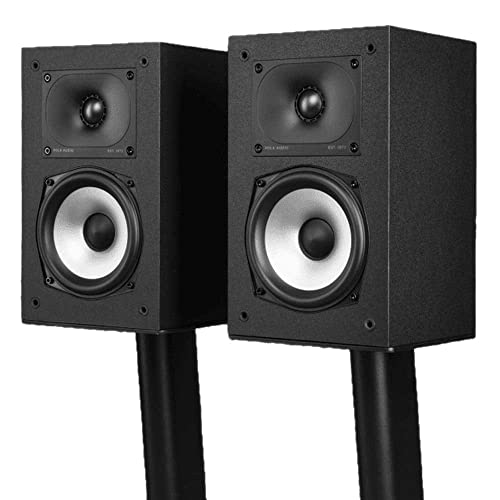
Choosing the best compact speakers starts with an honest look at your room, your desk, and how loud you actually listen. A small speaker can sound full and clear when it matches the space, yet the same speaker can feel thin in a large open room. The comparison table below can help you weigh size against sound before you spend anything.
Compact speakers suit desks, shelves, bedrooms, and small living rooms where a large pair would crowd the space. This guide explains driver size, cabinet design, inputs, and placement in plain language, so you can judge each option by how it fits your daily listening rather than by headline wattage alone.



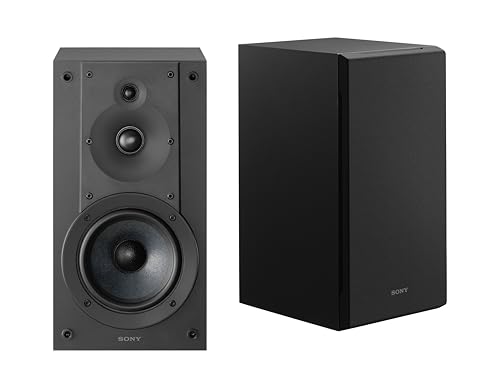


Match the Speaker to Your Room
Room size shapes everything about a compact speaker. A near field desk setup rewards a small sealed or front ported cabinet that stays clear at arm's length, while a bedroom benefits from a slightly larger driver that fills the space without a separate bass unit. Measure your shelf or desk depth before you shop, and leave a little air behind a rear ported speaker so bass does not turn muddy.
Wall distance, soft furnishings, and floor type all change what you hear. A rug and curtains tame reflections in a bare room, and a speaker placed in a corner gains bass that can overwhelm dialogue. If your room is bright and hard surfaced, look for a speaker with a gentle treble character and a tone control that lets you soften the top end.
Understand Drivers and Cabinets
A compact speaker usually pairs a small woofer with a tweeter, and the balance between them decides clarity. A larger woofer moves more air and reaches lower notes, but it also needs a bigger cabinet, so check the outside dimensions rather than trusting the word compact alone. A well braced cabinet keeps the sound clean when the volume rises.
Ported cabinets extend bass from a small box, while sealed cabinets often sound tighter and are easier to place near a wall. Neither design is better in every room, so think about where the speaker will sit. A front port suits a bookshelf, and a rear port suits a stand with space behind it. For desktop listening, best compact pc speakers can help you compare models built for close range use.
Wired, Wireless, and Powered Choices
Powered compact speakers include the amplifier inside, so you only need a source such as a phone, computer, or television. Passive speakers need a separate amplifier, which adds cost and shelf space but gives you more control over future upgrades. For a first setup, powered speakers are simpler, and they keep cable clutter down on a small desk.
Bluetooth adds convenience for music from a phone, while a wired input usually gives a steadier connection for video and work calls. Check for the inputs you will really use, such as USB, optical, or a simple auxiliary jack, and confirm the speaker remembers your last source. If wireless listening matters most, best compact bluetooth speakers can help you compare battery free desktop options against portable designs.
Placement That Makes a Small Speaker Sound Bigger
Place compact speakers at ear height when you sit, and angle them slightly toward your listening seat. Equal distance from each speaker to your head keeps the stereo image centred, and a small stand or foam pad can stop desk vibrations from colouring the sound. Avoid pushing one speaker into a corner while the other sits in open space, since uneven boundaries unbalance the pair.
For television use, keep the speakers close to the screen and at a similar height so voices seem to come from the picture. A pair used for films may benefit from a small subwoofer later, but start without one and judge the bass in your own room first. If surround sound is the goal, best compact surround speakers can help you plan a small room layout that still leaves space for seating.
Sound Quality Checks Before You Buy
Listen for clear voices at low volume, since a good compact speaker should not need loud playback to sound intelligible. Test a familiar song with acoustic instruments and a spoken podcast, and notice whether bass notes stay separate or blur into one hum. Harshness on sibilant sounds often grows tiring during long sessions, so comfort matters as much as excitement.
Frequency response figures tell only part of the story, because room placement and listening distance change the result. Read user guidance about hiss at idle, especially for desk use, and check whether the volume control moves smoothly at quiet levels. A speaker that sounds balanced at your normal volume is a better buy than one that only impresses at maximum output.
Budget, Features, and Everyday Living
Set a budget band before you browse, and compare speakers inside it rather than stretching for a feature you may never use. Useful extras include a remote control, a headphone jack for late night listening, and auto standby that saves power without cutting the first second of audio. Skip gimmicks that add cost without improving daily use, such as light shows you will switch off after a week.
Think about how the speakers will live in your home. A pair that matches your furniture and survives dusting, pets, and curious hands will please you longer than a fragile showpiece. For a classic two channel setup, best compact speakers for stereo can help you compare models tuned for music rather than gaming or film effects. If you want an amplifier built in, best compact powered speakers can help you weigh simplicity against future upgrade paths.
A Final Check Before You Order
Before ordering, sketch your desk or shelf with real measurements, including monitor stands, books, and cable space. A speaker that fits on paper but leaves no room for your keyboard or mouse will frustrate you daily, while a slightly smaller pair with better placement often sounds larger. Note where power outlets sit, since a powered pair needs a socket nearby and a trailing cable across a walkway is both ugly and unsafe.
Test return policies before you buy, since room acoustics cannot be judged from a shop demo alone. A seller that allows home trial gives you time to test voices, music, and films at your normal volume in your actual room. Keep packaging until you are sure, and test with the sources you use most rather than with a single impressive demo track.
Think about neighbours and housemates too, especially in flats where bass travels through walls and floors. A compact pair with a tone control or a night mode helps you enjoy late films without complaints, and isolation pads reduce vibrations passed into a desk or shelf. Good sound at modest volume is a social skill as well as a technical one.
Check long term support such as spare cables, remote replacements, and firmware updates for smart models. A speaker with unavailable spares becomes disposable after a minor fault, while a well supported model can serve for a decade. Read the warranty terms for drivers and amplifiers separately, since cover often differs between parts.
Finally, compare your shortlist at the same volume with the same tracks, and trust your ears over specification sheets. A speaker that makes voices clear and music enjoyable at your everyday level is the right buy, even if another model wins on paper. The product table above keeps that comparison honest and side by side.
Frequently Asked Questions
How big should compact speakers be for a desk?
A desk pair usually works well with cabinets around 15 to 20 cm tall, but the depth matters just as much as the height for a crowded workspace. Leave room for the speakers to sit at ear height and slightly angled inward, and avoid blocking a rear port against a wall or monitor stand. Measure your available depth first, then shortlist models that fit with a little air around them.
Do compact speakers need a subwoofer?
Most listeners do not need a subwoofer for music, podcasts, and everyday television in a small room. A subwoofer adds depth for films and bass heavy music, but it also adds a box to place and a crossover to set. Start with the pair alone, live with it for a few weeks, and add a subwoofer only if bass still feels thin at your normal volume.
Are powered speakers better than passive speakers?
Powered speakers are simpler because the amplifier is matched and built in, which suits desks and first time buyers. Passive speakers suit listeners who already own an amplifier or want to upgrade parts separately over time. Neither choice is universally better, so let your existing gear and your tolerance for extra boxes decide.
Can small speakers fill a living room?
Small speakers can fill a modest living room at comfortable volumes, especially when placed well and paired with soft furnishings that tame echo. A large open plan space with high ceilings is harder, and that is where a larger speaker or an added subwoofer earns its place. Judge by your room, not by the speaker size alone.
What inputs should I look for?
Look for the inputs your sources actually use, such as Bluetooth for a phone, USB or auxiliary for a computer, and optical for a television. An extra input you never use adds little value, while a missing input can force an awkward adapter. Check that switching sources is simple, since a fiddly control quickly becomes a daily annoyance.
Final Thoughts
The right pair balances size, sound, and simplicity for your room rather than chasing the largest driver or the highest wattage figure. Measure your space, decide between powered and passive designs, and test voices and familiar music at your normal listening level before you commit.
Use the product table above to compare the shortlist side by side, then choose the best compact speakers for the room you actually live in. A well matched small pair will reward you every day, while an oversized or awkward pair will remind you of the compromise each time you sit down to listen.