
Best Compact Binoculars for Hiking under $100 Made Simple: A Clear Buying Guide for 2026
Disclosure: We may earn a commission when you buy through links on this page, at no extra cost to you. As an Amazon Associate I earn from qualifying purchases. Learn more

Learn how to choose the best compact binoculars for hiking under $100 with plain English specs, sizing tips, and common mistakes to avoid on the trail.
If you have never bought binoculars before, the boxes and spec sheets can feel like a foreign language. Finding the best compact binoculars for hiking under $100 gets much easier once you know what a few key numbers mean and which features actually matter on a trail. This guide starts with the basics, explains each spec in plain English, and walks you through your first outing step by step.
Use the comparison table below to scan weight, magnification, and lens size side by side as you read. By the end, you will know how to match a small, light pair to the way you hike, from short nature walks to full days in the mountains.
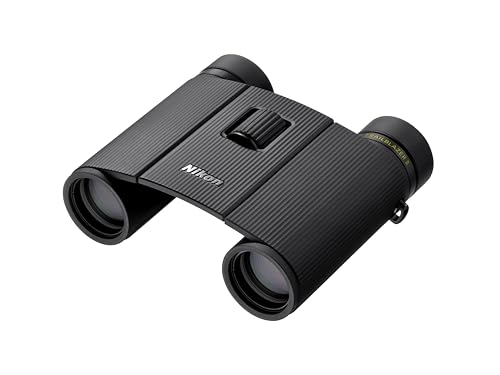


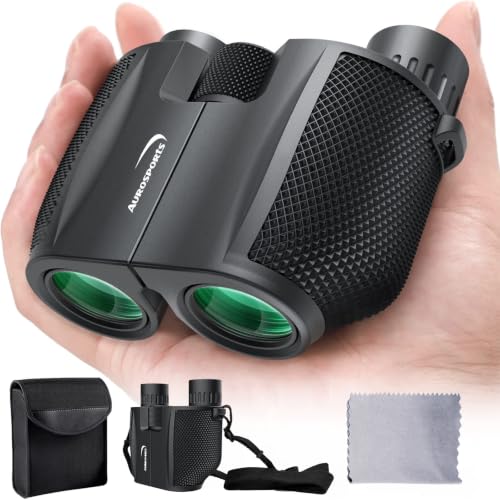

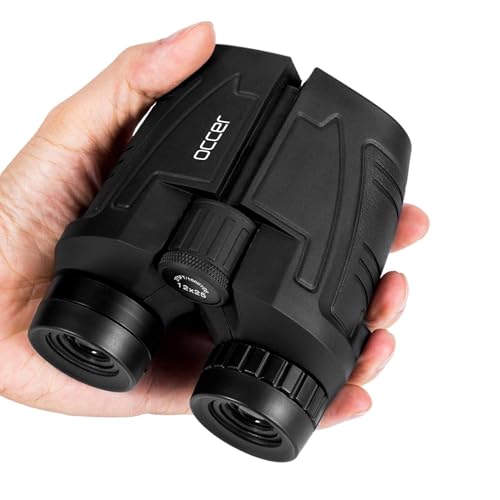
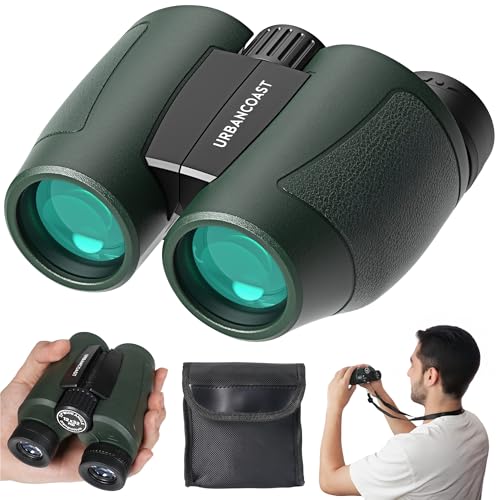

Compact Binoculars 101: The Basics for First Time Buyers
A pair of compact binoculars is simply a small, light version of standard binoculars, built so you can carry it for hours without a sore neck. Light enters through the front lenses, called objective lenses, and prisms inside fold the light path so the body stays short. The eyepieces then magnify the image, and a center focus wheel sharpens both sides at once while a small diopter dial fine tunes one eye to match your vision.
Compact models usually have objective lenses of about 25 to 32 mm, while full size binoculars use lenses of about 42 mm and gather more light at the cost of extra bulk. If brightness matters more to you than pack size, see our guide to the best binoculars under $100 for larger options in the same budget. If your main goal is watching deer at dawn, see our guide to the best hunting binoculars under $100, since that style of viewing favors bigger lenses.
Key Specs Explained in Plain English
Every spec below answers one question, such as how big the view looks, how bright it stays near dusk, or how tiring the pair feels on a long day. Read them in order and you will be able to judge any listing and use the product table above with confidence.
What You Can Realistically Get for under $100
A budget of under $100 buys you genuinely useful compact binoculars, as long as your expectations stay realistic. You can expect clear center views, coated lenses, and basic protection against splashes and dust. What gets cut at this price is edge sharpness, premium glass, and extras like image stabilization, which is rare here. Do not accept sloppy focus wheels or loose hinges, because those flaws ruin every outing. For a wider look at this exact budget in compact sizes, see our guide to the best compact binoculars under $100.
Features That Matter for Hiking
Hiking asks more of binoculars than backyard use does, because you carry them all day and use them in changing weather. A weatherproof body with sealed joints keeps out trail dust and light rain, and a rubber armor coating helps the pair survive bumps against rocks and pack buckles. A wide field of view makes it easier to follow a moving bird or scan a ridge for goats. Close focus of about 6 to 8 feet lets you study butterflies and wildflowers without backing up. If you want to compare pairs built only around trail use, with no price cap shaping the design, see our guide to the best compact binoculars for hiking.
Lens Coatings and Image Clarity
Binoculars have no camera sensor, so clarity comes from the glass and its coatings instead. Thin coatings on the lens surfaces cut reflections, which makes the view brighter and keeps colors honest in strong sun. Listings describe this as coated, multicoated, or fully multicoated, and fully multicoated is the level worth looking for in this budget. Prism glass matters too. BaK 4 prisms generally give a rounder, brighter view than BK 7 prisms, which can show slight shading at the edges.
Low Light Performance
Trails often start before sunrise and end near dusk, so low light ability matters more than many first time buyers expect. The key number is exit pupil, which you get by dividing the objective lens size by the magnification. An 8x32 pair gives you a 4 mm exit pupil, while a 10x25 pair gives only 2.5 mm, so the 8x32 view looks brighter in dim conditions. A larger objective lens gathers more light, but it also adds weight to your pack. For most hikers, 32 mm lenses strike the better balance between dawn brightness and easy carrying.
Size, Weight, and Ergonomics
Most compact pairs weigh about 9 to 16 ounces, and that difference feels large by mile six. A pair near 10 ounces rides unnoticed on a neck strap, while heavier models may push you toward a chest harness. Twist up eyecups help you set a comfortable distance from the lenses, and glasses wearers should look for eye relief of about 14 mm or more. Also check that the barrels adjust to fit your eyes, since a poor fit shows up as dark edges or a split double image.
Lens and Zoom Range
The two numbers printed on every pair, such as 8x42 or 10x32, tell you magnification first and objective lens size in millimeters second. Magnification of 8x makes subjects look eight times closer and keeps the view steadier in your hands, while 10x brings distant detail closer but shows more shake and a narrower field of view. Binoculars have a fixed magnification rather than the optical zoom a camera offers, and zoom models at this price tend to lose clarity, so a fixed 8x or 10x is the safer choice. You focus by hand with the center wheel, since autofocus is not a feature of standard binoculars. If you mostly view from overlooks and want the larger format, see our guide to the best 10x42 binoculars under $100 for that full size option.
Rookie Mistakes to Avoid
Most first purchase regrets come from a short list of avoidable errors. Watch for these as you compare pairs in the product table above.
- Choosing the highest magnification for hiking, which gives you a shaky, narrow view that is hard to hold steady without support.
- Ignoring weight and strap comfort, which leaves you with a pair you stop carrying by the second or third hike.
- Skipping weather sealing on a trail pair, which lets dust and light rain reach the inside lenses and fog the view.
- Buying tiny 10x25 binoculars for dawn and dusk use, which starves the view of light exactly when wildlife is most active.
- Forgetting eye relief when you wear glasses, which cuts off the edges of the view and strains your eyes within minutes.
Getting Started: Setup and First Use
Your first setup takes about five minutes and makes every later outing easier. Work through these steps at home before your first trail day.
- Attach the neck strap or harness and slip the lens caps and rain guard into place so they stay attached.
- Move the barrels closer together or farther apart until the two circles merge into one round view with no dark edges.
- Close your right eye, look through the left side, and turn the center focus wheel until a distant sign or tree looks sharp.
- Close your left eye, look through the right side, and turn only the diopter dial until the same target looks sharp, then open both eyes and check the combined view.
- Practice on birds, trail signs, and far ridgelines near home, using a lens cloth rather than your shirt whenever the front lenses need a wipe.
Keep the case in your pack top pocket, along with a spare lens cloth, so you never clean glass with clothing that can carry grit.
How to Make Your Compact Binoculars Last Longer
Compact binoculars ask for very little care, but a few habits protect the glass. Blow loose dust off the lenses before wiping, because rubbing grit across a lens can leave fine scratches. When wiping is needed, breathe lightly on the glass or use a drop of lens cleaning fluid on the cloth, then work in small circles from the center outward. Never use paper towels or rough fabric on coated lenses.
Store the pair in its case in a dry spot at home, with the lens caps on, and avoid leaving it in a hot car where heat can stress seals. After a rainy hike, let the pair dry fully in open air before you case it, so trapped moisture does not fog the inside. Check the hinge and focus wheel every few outings, and stop using the pair if the two sides no longer hold alignment after a hard drop.
Frequently Asked Questions
Can you get good compact binoculars for hiking for under $100?
Yes, you can get a good pair of compact binoculars for hiking for under $100 if you focus on the basics. Look for fully multicoated lenses, BaK 4 prisms, weather sealing, and a smooth focus wheel. What you give up at this price is mostly edge sharpness and premium brightness, not everyday usefulness. A well chosen 8x32 pair will handle birds, views, and trail finding with ease on most hikes.
What features matter most in compact binoculars for hiking?
The features that matter most in compact binoculars for hiking are low weight, weather sealing, a wide field of view, and close focus. Weight decides whether the pair stays around your neck all day. Sealing and rubber armor protect it from rain, dust, and knocks. A wide view helps you find and follow moving wildlife, and close focus of about 6 to 8 feet adds fun with insects and flowers. A focus wheel you can turn while wearing light gloves is a quiet bonus on cold morning hikes.
How much should you spend on your first compact binoculars for hiking?
Plan to spend about $60 to $100 on your first compact binoculars for hiking, rather than the lowest price you can find. Pairs priced under about $40 often cut corners on prism glass and focus quality. Spending a little more inside this range usually buys better coatings and smoother focusing. There is no need to pass the under $100 line until you know exactly which upgrade your hiking style calls for.
Is a smartphone enough instead of compact binoculars for hiking?
A smartphone is not enough instead of compact binoculars for hiking once you want to identify what you are seeing. Phone cameras crop and enlarge a small sensor image, so distant birds and animals turn into blurry shapes with little detail. Binoculars show you a bright, steady, magnified view in real time, with no battery drain and no screen glare in full sun.
Which compact binoculars for hiking are better in low light, 8x32 or 10x25?
An 8x32 pair of compact binoculars for hiking is better in low light than a 10x25 pair. Its larger objective lenses gather more light, and its lower magnification produces a larger exit pupil, so the view stays brighter at dawn and dusk. The 10x25 format wins only on packed size and weight. If your hikes often start early or end late, choose the 8x32 size and accept a few extra ounces in your pack.
What do 8x42 and 10x42 mean on compact binoculars?
The numbers 8x42 and 10x42 on binoculars mean magnification of 8 or 10 times, paired with objective lenses of 42 mm. Strictly speaking, 42 mm lenses make a pair full size rather than compact, so you will more often see 8x32 or 10x32 in this guide and its product table above. Bigger lenses give a brighter view, but they add weight and bulk that many hikers prefer to leave behind.
Final Thoughts
Put weight and weather sealing first, choose 8x32 if you hike in dim light or want the steadiest view, and choose 10x32 only if distant detail matters more than brightness. Check eye relief if you wear glasses, and confirm the focus wheel turns smoothly before your return window closes. Compare your short list in the product table above, and you will be ready to pick the best compact binoculars for hiking under $100 for the trails you actually walk.


