
Best Compact Binoculars for Hiking in 2026: Which One Fits the Way You Use It?
Disclosure: We may earn a commission when you buy through links on this page, at no extra cost to you. As an Amazon Associate I earn from qualifying purchases. Learn more

Compare the best compact binoculars for hiking by weight, magnification, field of view, and weather sealing so your pair fits the way you actually hike.
There is no single best pair of trail binoculars, because a summit hiker counting grams and a bird watcher on forest paths need different glass. This guide starts with how you hike, then matches the specs to that style, so you can compare the best compact binoculars for hiking without paying for power you will not enjoy carrying.
Below you will find the hiker types first, then the optics explained in trail terms. Use the comparison table below to line up sizes and weights before you settle on a magnification.

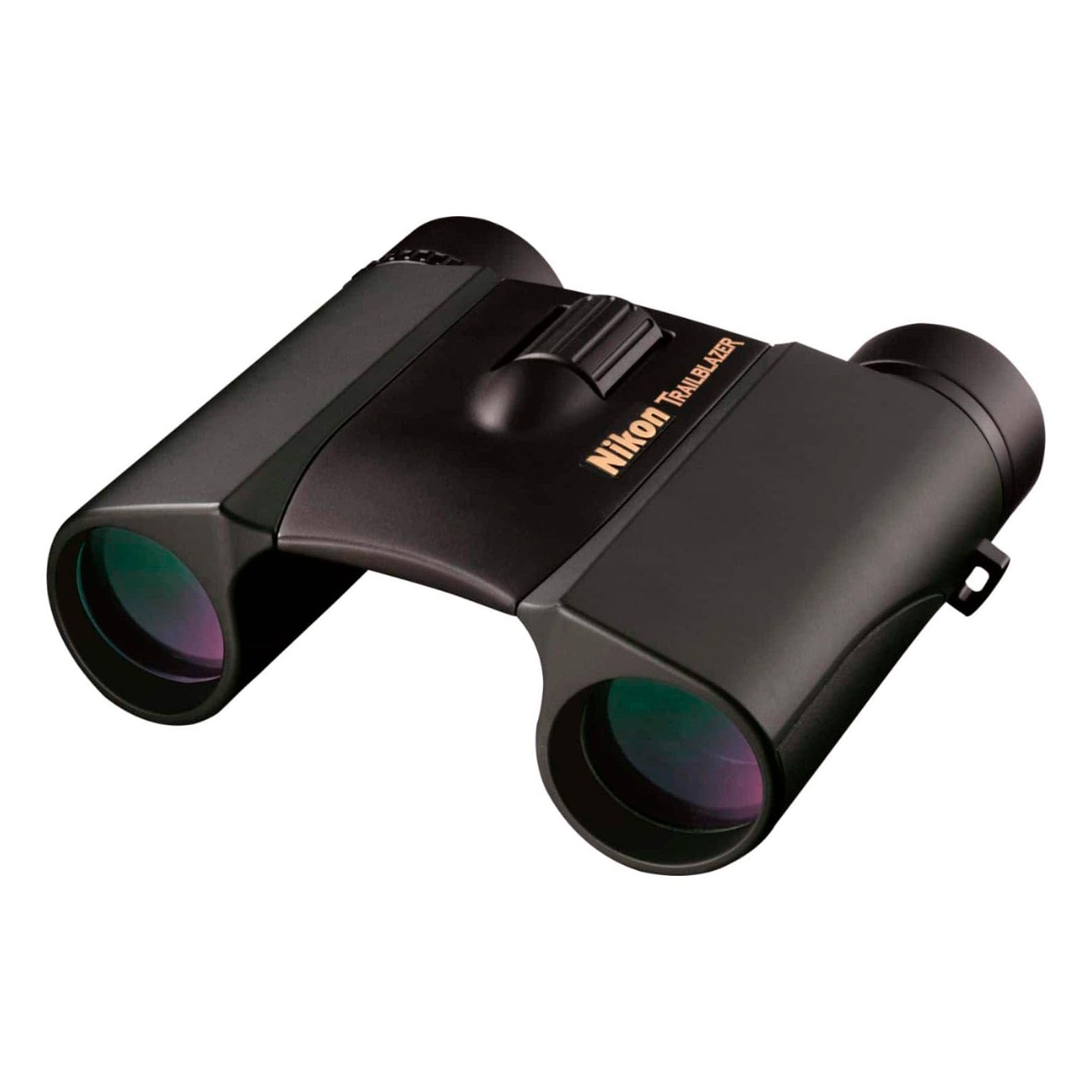

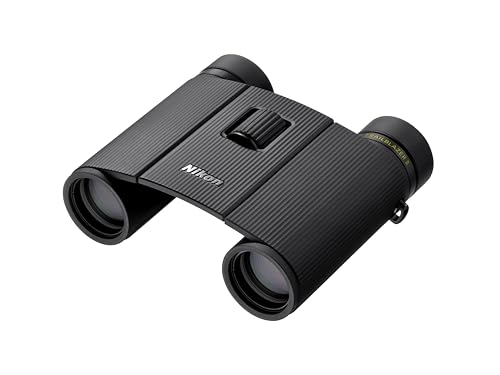
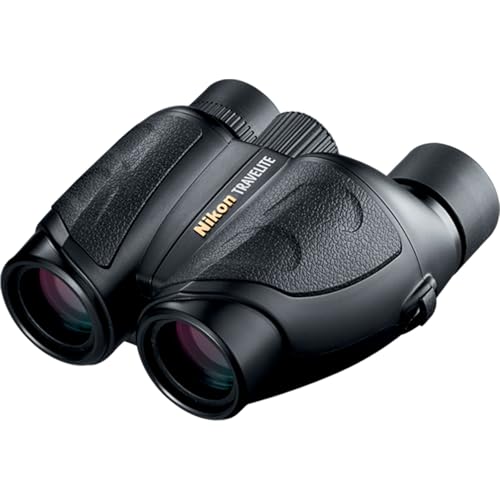


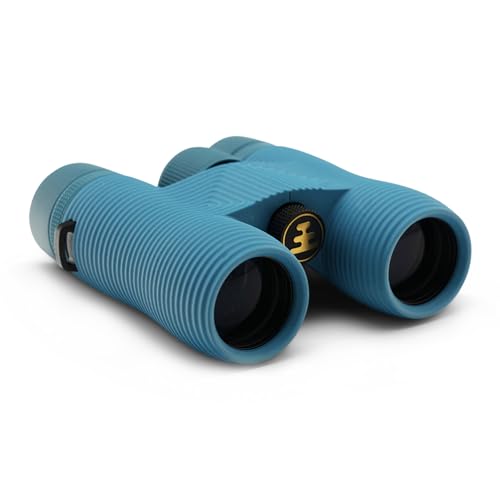

Who Should Buy Which Compact Binoculars?
Start with your most common hike, not your dream trip. If you are still sorting out the wider category, our general guide to the best binoculars for hiking covers full size options as well.
Day Hikers Who Watch Scenery and Trail Landmarks
If binoculars come out a few times per hike for viewpoints, distant peaks, and spotting the next trail marker, an 8x25 or 8x32 pair suits you best. The 8 power view stays steady in your hands, the wide scene helps you find what you are looking at, and the small body disappears into a hip belt pocket. Prioritize a comfortable neck strap and a case you can open with one hand.
Backpackers and Travelers Who Count Every Ounce
On multi day routes, weight and packed size decide whether binoculars make the trip at all. Compact 8x25 or 10x25 models fold small enough for a jacket pocket and commonly weigh about 8 to 12 ounces. Accept a slightly dimmer view at dawn in exchange for a pair you actually carry to the viewpoint. If most of your trips mix trails with city stops, the picks in our guide to the best compact binoculars for travel lean even harder into pocket size.
Birders and Wildlife Watchers on the Trail
Watching birds and animals asks more of the glass than scenery does. Look for a wide field of view to follow movement, close focus of about 6 to 10 feet for birds near the path, and bright 32 mm objective lenses that hold detail in forest shade. An 8x32 pair is the trail birding sweet spot. Our dedicated guide to the best compact binoculars for birding goes deeper on focus speed and color fidelity.
Key Features to Compare
These five factors decide how a compact pair performs once the trail gets steep, wet, or dim. Shoppers who want a quality benchmark before narrowing down often start with the best rated compact binoculars and then filter by size.
Magnification and Objective Lens Size
The two numbers in a name like 8x32 tell the story: 8 is the magnification, and 32 is the objective lens width in millimeters. Higher magnification brings subjects closer but narrows the view and magnifies hand shake, which is why 10 power pairs feel restless on a windy ridge. Bigger objective lenses gather more light for dawn and dusk, at the cost of size and weight. For most hikers, 8x32 balances brightness, steadiness, and pack size better than any other pairing.
Field of View and Eye Relief
Field of view describes how wide a scene you see at 1,000 yards, and a wider view makes it far easier to land on a bird or a distant signpost. Look for about 300 feet or more at 1,000 yards in a compact pair. Eye relief is the distance your eye can sit from the lens and still see the whole picture. Glasses wearers should choose about 15 mm or more, with twist up eye cups that hold their position.
Weather Sealing and Fog Resistance
Trail weather changes fast, so sealed construction matters even on short hikes. Models described as weatherproof or sealed against moisture keep rain and dust out of the body, and nitrogen filled tubes resist internal fogging when you move from a cold ridge into a warm valley. Rubber armor adds grip with wet gloves and softens knocks against rocks. Sealing is also what separates a pair that survives one wet season from one that serves for years.
Features That Matter for Hiking
Hiking adds demands that backyard viewing never makes. The focus wheel should turn smoothly with a gloved finger, the hinge should hold its width setting in a bouncing pack, and the exit pupil, the small circle of light reaching your eye, should be at least about 3 mm for comfortable viewing in shade. Anti glare coatings on the lenses cut the washed out look you get facing a bright slope. Each of these details shows up in the first hour of a real hike.
Measuring for Size and Portability
Check the folded dimensions against the pocket or pouch where the pair will live, not against a shelf at home. Weigh the binoculars together with their case and strap, because that is the load your neck or pack actually carries. A harness spreads weight across your shoulders on long climbs, while a simple strap suits short walks. If a pair feels bulky in the shop, it will feel worse at mile eight, so choose the smaller body when two options tie on optics.
Common Mistakes to Avoid When Buying Compact Binoculars
- Chasing maximum magnification. A 12 power compact shakes so much in tired hands that you often see less detail than with a steady 8 power pair.
- Judging by price alone. The cheapest compacts often skimp on sealing and lens coatings, which are exactly the parts hiking punishes first.
- Buying too big for the pack. A bright 42 mm pair left at home for its bulk loses to a modest 25 mm pair that rides along every time.
- Ignoring your glasses. Short eye relief turns the view into a narrow tunnel if you wear spectacles, so check the number before you buy.
- Skipping the warranty terms. Trail gear gets dropped, so confirm what the maker covers for defects and accidental damage in writing.
How to Make Your Pair of Compact Binoculars Last Longer
Clean lenses with a soft lens cloth, never your shirt, because grit in fabric scratches coatings over time. Blow loose dust off first, then wipe in small circles from the center outward. Keep the lens caps on whenever the pair hangs idle, and let a rain soaked pair dry open at room temperature before you seal it in its case.
Store binoculars in a dry, padded bag away from direct sun and car heat, which can age seals and lubricants. Check the strap anchors and hinge tension every few trips, and tighten or replace worn parts early. Handled this way, a decent compact pair shrugs off seasons of trail use without losing alignment.
Frequently Asked Questions
What features matter most in compact binoculars for hiking?
Weight, sealing, and a steady magnification matter most. A pair around 8x32 with weather sealing and a field of view near or above 300 feet at 1,000 yards covers most trail needs. After that, look at eye relief if you wear glasses and at focus wheel feel with gloves on. Fancy extras cannot rescue a pair that is too heavy to carry.
How much should I spend on my first pair of compact binoculars for hiking?
Most first time buyers land between about $50 and $150. Around $50 buys a fair weather pair for casual walks, while about $100 to $150 adds real weather sealing, better coatings, and a wider view. Spending more mainly buys brightness at dawn and dusk. Set the budget by how often you hike in low light, not by the biggest number on the box.
Is a smartphone enough instead of compact binoculars for hiking?
A smartphone works for snapping a viewpoint, but it falls short for watching wildlife or route finding at distance. Phone zoom crops a small sensor image, drains the battery you need for maps, and gives no steady two eye view. Binoculars show a brighter, steadier picture with both eyes and work all weekend on no charge at all. Many hikers carry both and reach for the glass first.
Which compact binoculars are better for low light on the trail?
Larger objective lenses and a bigger exit pupil win at low light. A compact 8x32 gathers noticeably more light than an 8x25, and it keeps the exit pupil near 4 mm, which suits dawn starts and shaded forest. Fully coated lenses help too, because more of the available light reaches your eyes. No compact matches a full size 42 mm pair at dusk, but the 32 mm class gets respectably close.
What does 8x42 or 10x42 mean on binoculars?
The first number is magnification, so 8x makes a subject look eight times closer, and the second number is the objective lens diameter in millimeters. A 10x42 pair magnifies more but shows a narrower scene and more hand shake than an 8x42. The 42 mm lenses also make the pair full size rather than compact. Hikers usually trade down to 32 mm or 25 mm lenses to save weight.
Wrapping Up
Decide by use first: 8x25 or 10x25 for the lightest packs, 8x32 for birding and low light, and weather sealing on every pair that leaves the trailhead. Match those choices against the product table above, weigh the case and strap you will actually carry, and the best compact binoculars for hiking for your style will be an easy final call. One last safety note before any sunrise viewpoint: never look at the sun through binoculars, even for a moment.
