
Best Competition Style Kettlebells in 2026: Which Type Is Right for You?
Disclosure: We may earn a commission when you buy through links on this page, at no extra cost to you. As an Amazon Associate I earn from qualifying purchases. Learn more

Compare competition style kettlebells by type, handle, weight accuracy, and price to choose fixed or adjustable bells you will keep using for years.
Competition style kettlebells all share the same shell size no matter the weight, and that single fact is why lifters love them and why choosing can feel confusing at first. A light bell and a heavy bell sit identically in the rack position, so your technique stays consistent as you get stronger. This guide to the best competition style kettlebells compares the real types on sale, explains the measurements that matter, and helps you pick a weight range you will still use two years from now.
If you train for kettlebell sport, follow a coach program with prescribed loads, or simply want one bell shape for life, you are in the right category. The product table at the top of the page lists current options worth a closer look.
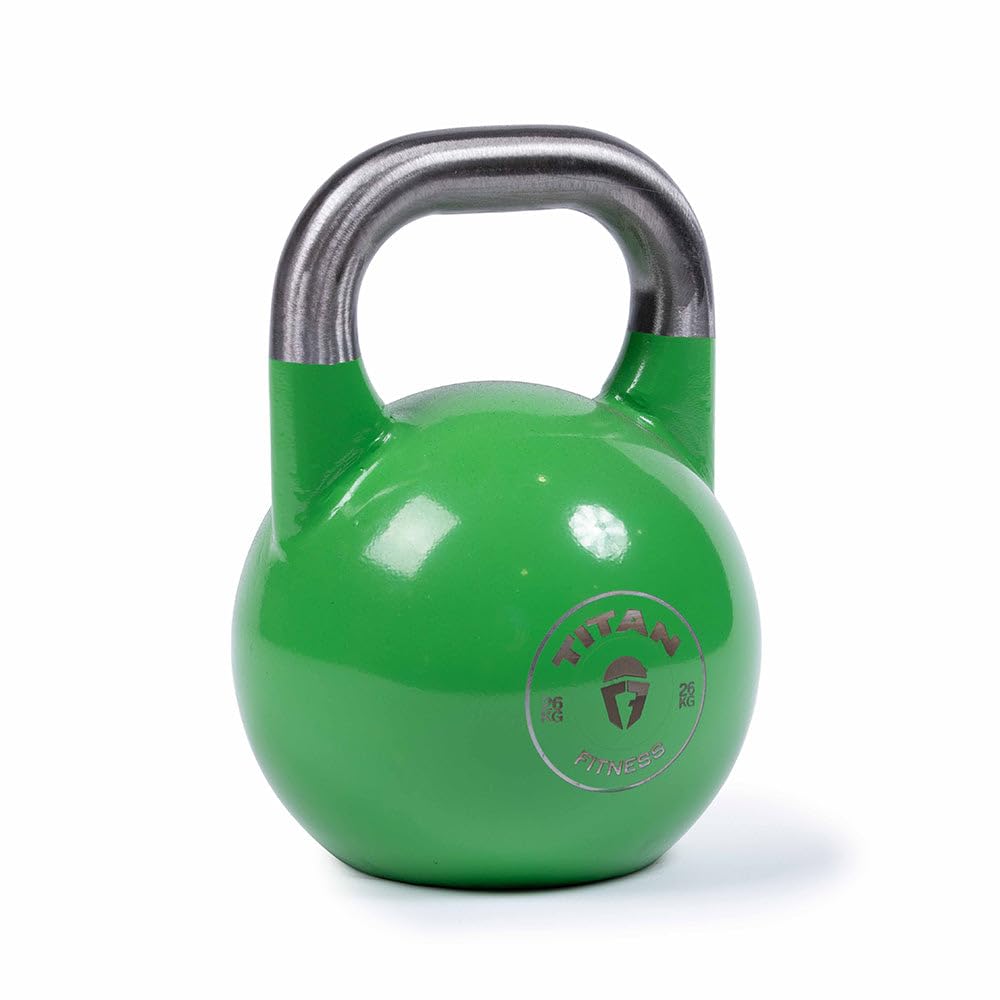

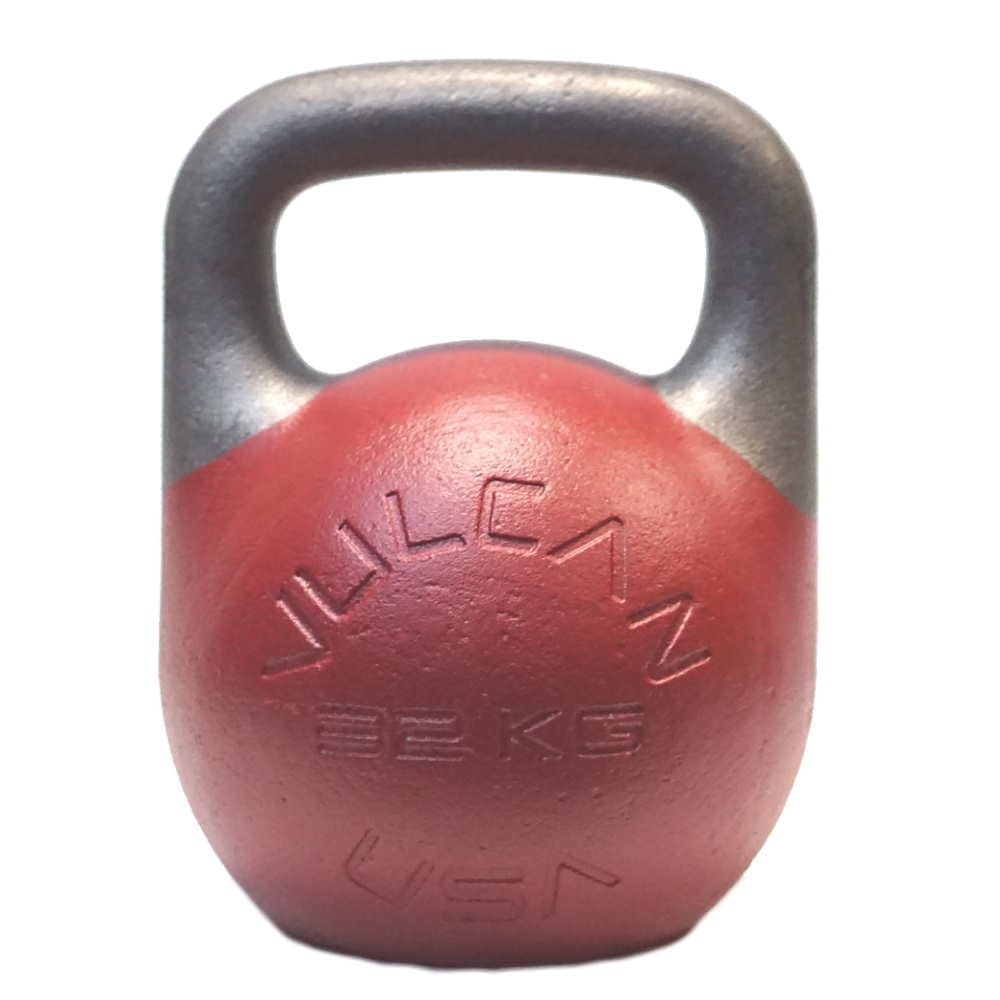
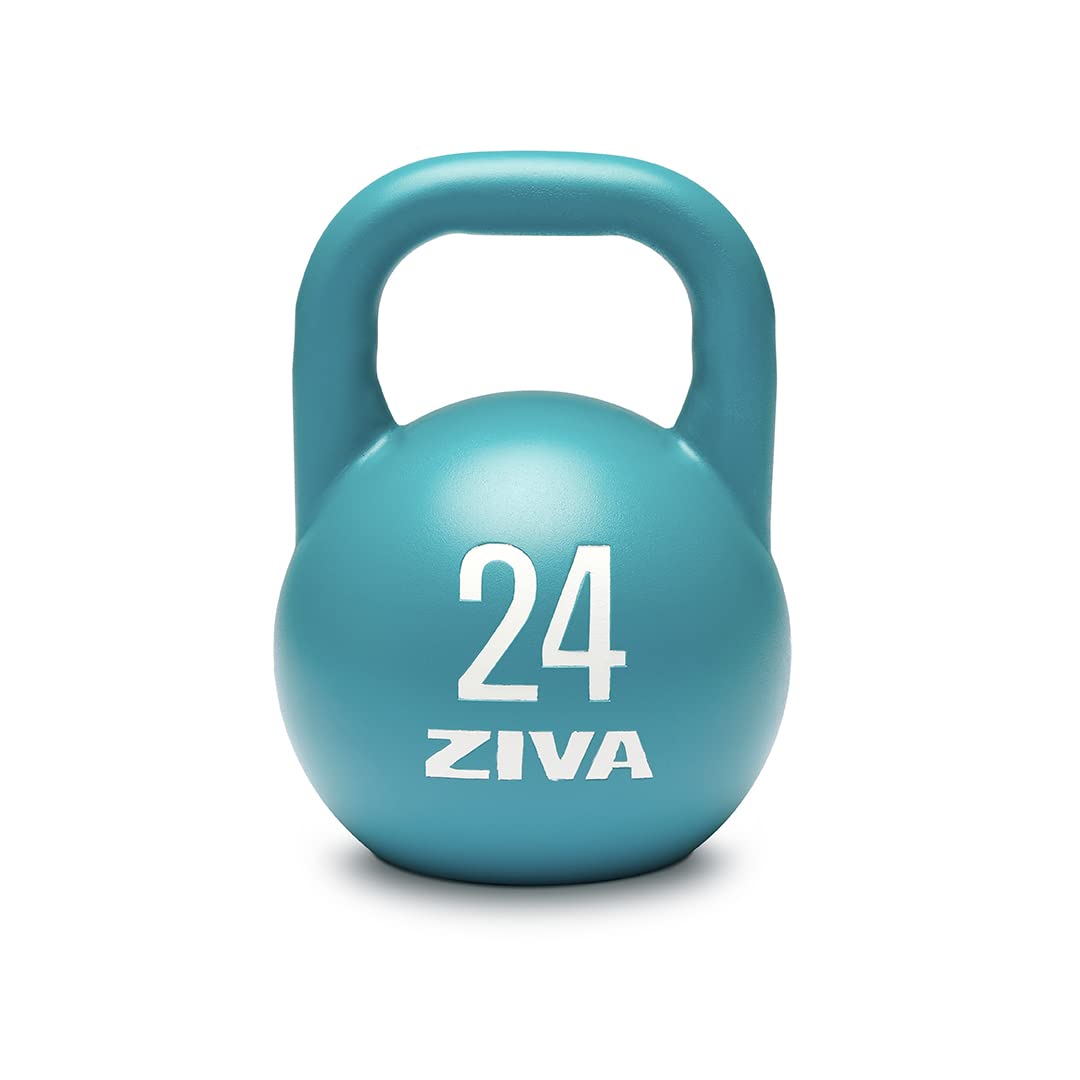


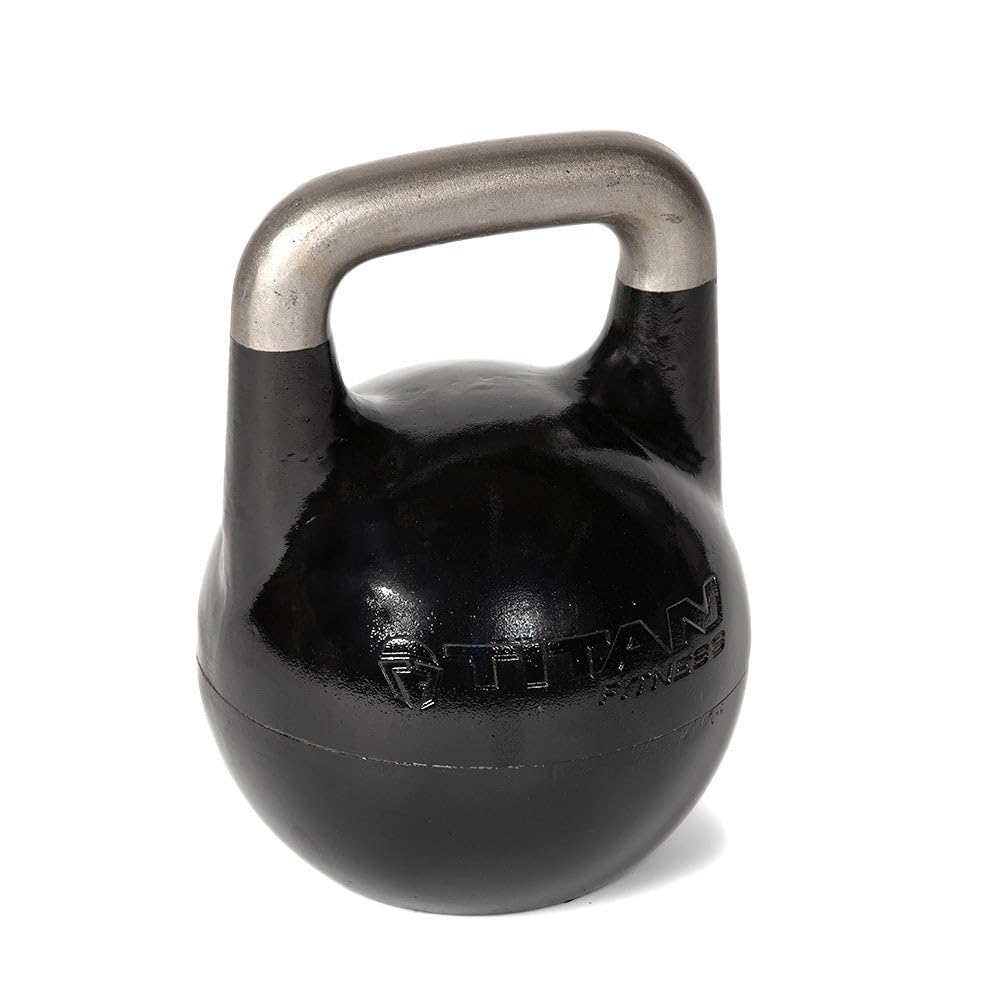


Types of Competition Style Kettlebells Compared
Every type below keeps the standard large shell, roughly 210 mm in diameter, with a window and handle sized for two hand and one hand work. What changes is how the weight is built, how you add load over time, and how much you pay for accuracy. As you compare the best competition style kettlebells across these types, remember that grip feel and weight accuracy matter more than paint color or branding.
Fixed Steel Single Weight Bells
The classic form is a single solid steel bell in one fixed weight, usually sold in steps of 2 kg or 4 kg from about 8 kg to 48 kg. Steel bells feel dense and balanced, the handle window stays open and consistent, and there are no moving parts to rattle during sets of snatches. The downside is cost and storage as your collection grows, because every new load is another full price bell on your floor. Choose this type when you know your working weights and want the purest training feel.
Adjustable Competition Bells
Adjustable models hide internal plates inside the standard shell, so one bell covers a wide range, often about 12 kg to 32 kg, by adding or removing plates with a simple tool. They save serious money and floor space for home lifters who need many loads for presses, squats, and swings. Tradeoffs include small shifts in internal balance, a little more time between weight changes, and handles that sometimes feel slightly different from a solid bell. For most home gyms, this is the value leader by a wide margin.
Commercial Grade Gym Bells
Commercial grade bells are fixed steel bells built for shared use in studios and clubs, with tougher finishes, tighter weight tolerance, and handles finished to survive chalk, sweat, and daily drops onto platforms. They cost more per bell than home grade steel, and that premium only makes sense when many lifters share the rack. If you coach or run a small studio, the durability pays for itself. Home lifters can borrow the lesson instead: buy the finish and tolerance level you will actually appreciate.
Compact Adjustable Bells for Small Spaces
A smaller group of adjustable bells targets apartment lifters with narrower weight ranges and finer steps, which suits technique work and gradual progression. They store in a closet corner and replace four to six fixed bells. The limits are the top load, which may cap out near weights stronger lifters press easily, and plate changes that can interrupt timed sets. Pair one with a plan to add a single heavy fixed bell later, and a tiny training space becomes a complete setup.
Fixed Bells vs Adjustable Bells: Which Should You Choose?
Choose fixed bells if you train long timed sets, compete, or already know your three or four core weights, because nothing beats a solid bell for feel and speed between exercises. Choose adjustable bells if you are building strength across many lifts, share the gym with a partner at a different level, or lack storage for a full rack. On price, one adjustable bell often costs less than three fixed bells. On longevity, both last decades when cared for. Our broader guide to the best kettlebells buy options covers the standard cast iron style too, if you want to compare shell shapes before deciding.
How to Choose the Right Competition Style Kettlebell
Shell Diameter and Window Size
The standard shell is about 210 mm across, and the window should let two hands overlap comfortably for swings while leaving forearm clearance in the rack position. Some bells shrink the shell at light weights, which defeats the purpose of the style, because your rack and overhead positions change as loads rise. Confirm true uniform sizing across the range you plan to own. If a listing hides shell dimensions, treat that silence as a reason to keep shopping.
Handle Diameter and Grip Finish
Most competition handles measure about 33 to 35 mm, a thickness that balances grip security with forearm comfort during high repetition sets. Bare steel holds chalk best and is the choice of serious kettlebell sport lifters. Powder coat and similar textured finishes resist rust and feel secure with sweaty hands, while glossy paint can chip and turn slick. A simple check: wrap your fingers and check that your fingertips do not dig hard into your palm, because an overly thick handle will fatigue your grip before your legs or lungs give out.
Weight Increments and Starting Range
Pick a starting weight by movement, not by ego. Many adults begin swings around 12 to 20 kg and presses several steps lower, and women often start swings around 8 to 16 kg, but coaching and training history matter more than charts. Smaller steps of 2 kg make progression smoother for presses and get ups. Guidance on choosing loads for each lift lives in our article on the best weights for kettlebells, and pairing it with a structured plan from our guide to the best kettlebells workout routines keeps new weight jumps sensible.
Weight Accuracy and Balance
Quality bells land within about one to two percent of the stated weight, and serious brands publish their tolerance. Accuracy matters when you train both sides evenly and when a program assumes a load you do not actually have. Adjustable bells deserve a quick check on a bathroom scale after setup at each setting you use often. A bell that is quietly 2 kg heavy at a key press weight can stall progress and strain a shoulder for no good reason.
Flooring, Storage, and Home Setup
These bells are dense steel, so plan where they land. A thick rubber mat over plywood protects floors and softens the thud that travels through apartment buildings. Store bells upright in a line or on a low rack, never stacked, and keep the training zone clear of anything a missed clean could strike. Measure your ceiling for overhead work if you train in a low basement, and keep at least a full step of clear space on every side for swings.
Care and Maintenance Tips
Use a mat to protect floors and reduce noise, and wipe the handle down after each workout to slow rust, especially with bare steel. A drop of light oil on a cloth keeps bare handles healthy in humid garages. Check adjustable bells monthly and snug the plate fasteners so nothing shifts mid set. Keep chalk buildup brushed out of the handle knurling, store bells dry and off cold concrete when you can, and inspect the base for chips that could scratch flooring.
FAQs
Which competition style kettlebells are better for beginners?
Beginners do best with an adjustable bell or a modest fixed pair, because early strength changes fast and one tool that grows with you avoids repeat purchases. Start lighter than you think for skill lifts like get ups and presses. A few sessions with a qualified coach will dial in safe starting loads faster than any chart, and good form now prevents the shoulder and wrist complaints that sideline new lifters.
What else do I need besides the kettlebell?
Very little. A mat to protect the floor, chalk if your hands sweat, and a proven program are enough to start. A competition bell is a simple steel tool with no electronics, so no app or subscription is needed. Spend on coaching or a written program before paying for extras, and explore free progressions built around the best exercises for kettlebells first.
How much space do I need for competition kettlebell training?
A clear area about two meters by two meters covers swings, cleans, and presses for most adults, plus ceiling height that clears a fully extended arm and the bell above it. Add a mat and a storage corner for the bells themselves. Apartment lifters should test the floor with lighter swings first and train when neighbors below are least likely to be disturbed by a set down thud.
How long does a competition style kettlebell last?
A solid steel bell can last a lifetime, because there is nothing inside to wear out. Finishes chip and bare steel can develop surface rust, but both are cosmetic and manageable with basic care. Adjustable bells also last for decades if you keep fasteners tight and avoid dropping them from overhead onto hard concrete. Treat the purchase as permanent equipment, which is another reason to choose your weight range carefully.
Is kettlebell training quiet enough for an apartment?
It can be, since the bells themselves make no mechanical noise. The sound comes from setting a bell down and from footwork on the floor, and a thick mat over plywood cuts both dramatically. Avoid dropping bells, train in soft shoes or bare feet, and keep heavy dead stop lifts for a ground floor or garage when possible. With those habits, most apartment lifters train without a single complaint.
Wrapping Up
Uniform shell size, a handle your hands love, and honest weight accuracy are the three things to get right. The best competition style kettlebells for you are the ones that match your space, your budget, and the loads your program actually calls for, in fixed or adjustable form. Compare your finalists in the product table at the top of the page, and talk with your clinician or coach about personal needs if you are returning from injury, managing a joint condition, or starting training during pregnancy, so your first weights are chosen safely.


