
Best Binoculars Under $100 for 2026: Everything to Know Before Your First Purchase
Disclosure: We may earn a commission when you buy through links on this page, at no extra cost to you. As an Amazon Associate I earn from qualifying purchases. Learn more

Plain English tips for choosing the best binoculars under $100, covering magnification, lens size, comfort, and common first time mistakes.
If you have never bought binoculars before, the numbers on the box can feel like a foreign language, but the choice itself is simpler than it looks. This guide explains best binoculars under $100 in plain English, starting with how binoculars work and ending with a short list of mistakes new buyers often make. The product table shows a range of picks side by side so you can compare them before you read the details.
You do not need to learn every technical term to pick well. You need to know which few specs change the view, how a pair should feel in your hands, and what a fair price buys at this level. Keep safety in mind from the start too: never look at the sun through binoculars, since the lenses focus sunlight and can damage your eyes in seconds. Follow the manufacturer's instructions for safe use.


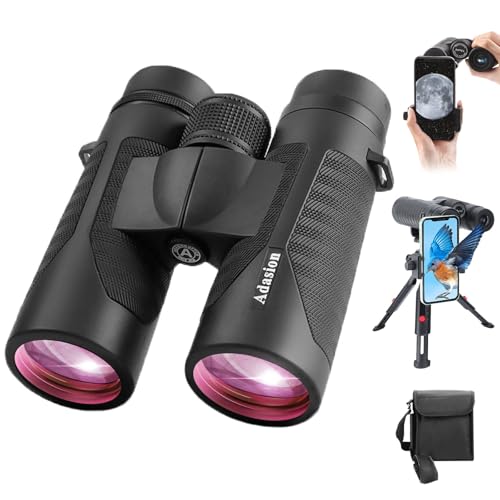


Best Binoculars Under $100: Basics for New Buyers
A pair of binoculars is two small telescopes joined so both eyes see the same scene, which gives depth and makes moving subjects easier to follow. Light enters the large front lenses, passes through prisms that fold the path and correct the image, and leaves through the eyepieces to your eyes. The whole design trades size, weight, brightness, and magnification against each other, so no pair is best at everything. Understanding that trade is the key to choosing well, because a pair built for travel will differ from a pair built for long evenings outdoors.
Most new buyers start by deciding where they will use the pair most: the garden, a stadium, a hiking trail, or a lakeshore. That answer shapes the size and magnification you want more than any single spec on the box. A compact pair suits travel and quick looks, while a full size pair suits longer sessions where brightness matters more than packing light. People who want a pocket friendly option can compare best compact binoculars under $100 when thinking about size, since compact pairs give up some light gathering to stay small.
Key Specs Explained in Plain English
The specs below sound technical, but each one answers a simple question: how close, how bright, how wide, and how comfortable. Read each short explanation, then use it to judge any pair you consider. You only need to remember the ranges that fit your own use.
What You Can Realistically Get Under $100
For this budget, expect a sharp daytime image, a workable focus wheel, and a body that handles normal outdoor use without fuss. You will not get the edge to edge sharpness or the low light brilliance of costly glass, and that is a fair trade at this price. Makers usually save money on coatings or sealing, so check those two points closely rather than paying for extra magnification. A spend around $70 is often enough for a pair that feels solid and looks clear in daylight.
Magnification and Objective Lens
A name such as 8x42 pairs two numbers: the first is magnification and the second is the front lens width in millimeters. Eight power brings subjects eight times closer in appearance and stays steady in most hands, while ten power reaches further but magnifies hand shake as well. A 42 millimeter front lens gathers a good amount of light for daylight and shade, while smaller lenses make the pair lighter but dimmer. New buyers usually enjoy 8x42 most, because it is forgiving while still showing plenty of detail.
Size, Weight, and Comfort in the Hand
Size decides whether you actually carry the pair, so be honest about your outings before you choose. Full size pairs feel balanced and steady but weigh more on a long walk, while compact pairs slip into a coat pocket but can feel cramped for larger hands. Hold the pair with both hands and check that your fingers reach the focus wheel without stretching. The neck strap should spread the weight comfortably, and a pair that digs into your neck after ten minutes will stay home more often than you plan.
Field of View and Close Focus
Field of view is how wide a scene you see at a given distance, and a wide view helps you find a moving bird or follow play across a field. Close focus is the nearest distance at which the pair still gives a sharp image, and a short close focus lets you enjoy butterflies and garden birds at close range. Both figures appear in honest listings, so compare them directly instead of guessing from the magnification alone. If you watch fast moving subjects, put field of view near the top of your list.
Brightness and Low Light Viewing
Brightness depends on lens size, glass quality, and coatings working together, not on any one number. Fully multi coated lenses pass more light and cut glare, which helps at dawn, dusk, and under trees. A larger front lens also helps, but it adds weight, so balance the two for your own outings.
At this price, accept that twilight views will be softer than midday views, and be wary of any listing that promises true night performance on a small budget. Hunters who need a tough field pair can look at best hunting binoculars under $100 for notes on sealing and grip in rough conditions.
Rookie Mistakes to Avoid
- Choosing the highest magnification you can find, which magnifies shake and narrows the view until finding subjects becomes hard.
- Ignoring eye relief, which leaves glasses wearers with a cut off image and sore pressure points after a short session.
- Trusting vague claims such as premium optics when the listing never names the coating or prism type.
- Buying a heavy pair for long hikes, then leaving it behind because it tires your neck and arms.
- Skipping the return policy, which matters because only a try outdoors shows whether a pair suits your eyes.
Getting Started: First Outing Checklist
When your pair arrives, start indoors by adjusting the eye cups to your face and setting the diopter for the difference between your eyes. Step outside and practice focusing on a near object, then a distant one, until the center wheel feels natural. Try tracking a moving subject, such as a bird across the garden, to learn how wide the view feels in real use.
Pack a soft lens cloth and keep the caps on in your bag, since dust and grit are the main enemies of coatings. Bird watchers can compare best bird watching binoculars under $100 for activity specific notes before a first birding trip, and ten power fans can weigh best 10x42 binoculars under $100 against the steadier 8 power standard. If evening viewing appeals to you, read best night vision binoculars under $100 to set fair expectations for low light designs.
Frequently Asked Questions
Can You Get a Good Pair of Binoculars Under $100?
Yes, a good pair for daylight viewing is well within reach if you pick by coatings, field of view, and comfort rather than by the biggest magnification number. A solid 8x42 pair at this price shows birds, players, and landscapes clearly, while a poorly coated pair with the same numbers can look washed out. Try the pair outdoors during the return window and trust your own eyes over the packaging. A clear, steady view is the real measure of value.
How Much Should You Spend on Your First Pair?
A first pair in the middle of this range, around $70, usually gives the best balance of glass, build, and comfort for a new buyer. Cheaper pairs can work for rare use, but weak focus action and dull coatings often push buyers to replace them quickly. Spending to the top of the budget makes sense only if you already know you will use the pair often and want better sealing or wider eye relief. Start in the middle, learn what you like, and upgrade later with experience behind you.
Which Pair Is Better for Low Light?
A pair with a wider front lens and fully multi coated glass performs better in low light than a pair with higher magnification, which dims and shakes the image. The 42 millimeter size is a good default for dawn and dusk, while smaller travel pairs will struggle sooner as light fades. No budget pair matches costly glass after dark, so set your expectations by the price and plan outings for the brighter parts of the day. And whatever you buy, never aim it at the sun.
What Does 8x42 or 10x42 Mean?
The first number tells you how many times closer a subject appears, and the second number tells you the front lens width in millimeters. So 8x42 shows a subject eight times closer through a 42 millimeter lens, while 10x42 reaches further through the same size lens. The wider lens gathers light, which helps in shade and at dusk, but it also adds bulk. Most beginners find 8x42 the easiest balance of reach, brightness, and steadiness.
Is a Smartphone Enough Instead of Binoculars?
A phone is great for photos and quick identification, but its zoom crops the picture and loses detail fast at distance. Binoculars show a live optical view with both eyes, which makes tracking moving subjects far easier and more enjoyable. Many watchers carry both, using binoculars to find and follow a subject and the phone to record it. If watching at distance is the point of the outing, binoculars remain the better tool.
What Specs Matter Most for Beginners?
Beginners should start with magnification, field of view, eye relief, and weight, since these four decide comfort and ease from the first day. Eight power keeps the image steady, a wide field helps you find subjects, and generous eye relief suits glasses wearers. Coatings come next for brightness and contrast, followed by sealing if you plan to use the pair in rain. Keep the list short and you will avoid paying for features that sound impressive but add little to your viewing.
Our Verdict
Pick a magnification you can hold steady, check the coatings by name, and make sure the weight and eye relief suit your face and your outings. The product table gives a side by side starting point, and the plain English explanations in this guide turn those specs into a confident choice. Do not chase the biggest number or the lowest price; chase the clearest, most comfortable view in your budget. That approach makes best binoculars under $100 a purchase you will enjoy every time you step outside.


