
Best 10x42 Binoculars Under $100 in 2026: Every Type Explained Side by Side
Disclosure: We may earn a commission when you buy through links on this page, at no extra cost to you. As an Amazon Associate I earn from qualifying purchases. Learn more

Compare the best 10x42 binoculars under $100 by type, prism glass, coatings, field of view and eye relief to choose the right pair.
Two pairs can both say 10x42 on the box and still feel very different. One may show a bright and wide view with easy focus, while another looks dim at dusk and strains your eyes within minutes. If you are sorting through the best 10x42 binoculars under $100, the product table will make more sense once you know which type and which specs actually matter.
This guide compares roof and porro types first, then walks through glass, coatings, field of view, eye relief and sealing. Match the type to birding, hunting, travel or stadium use first, and let smaller details follow from that choice.


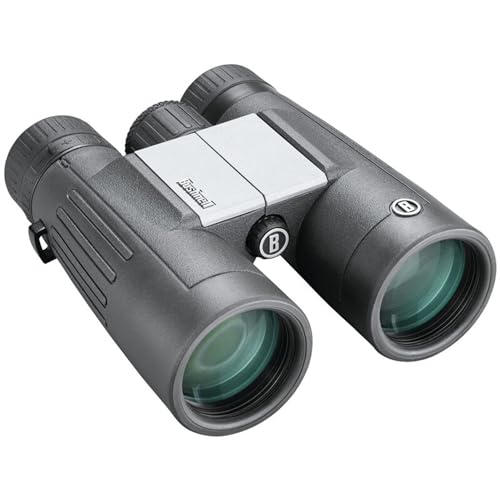


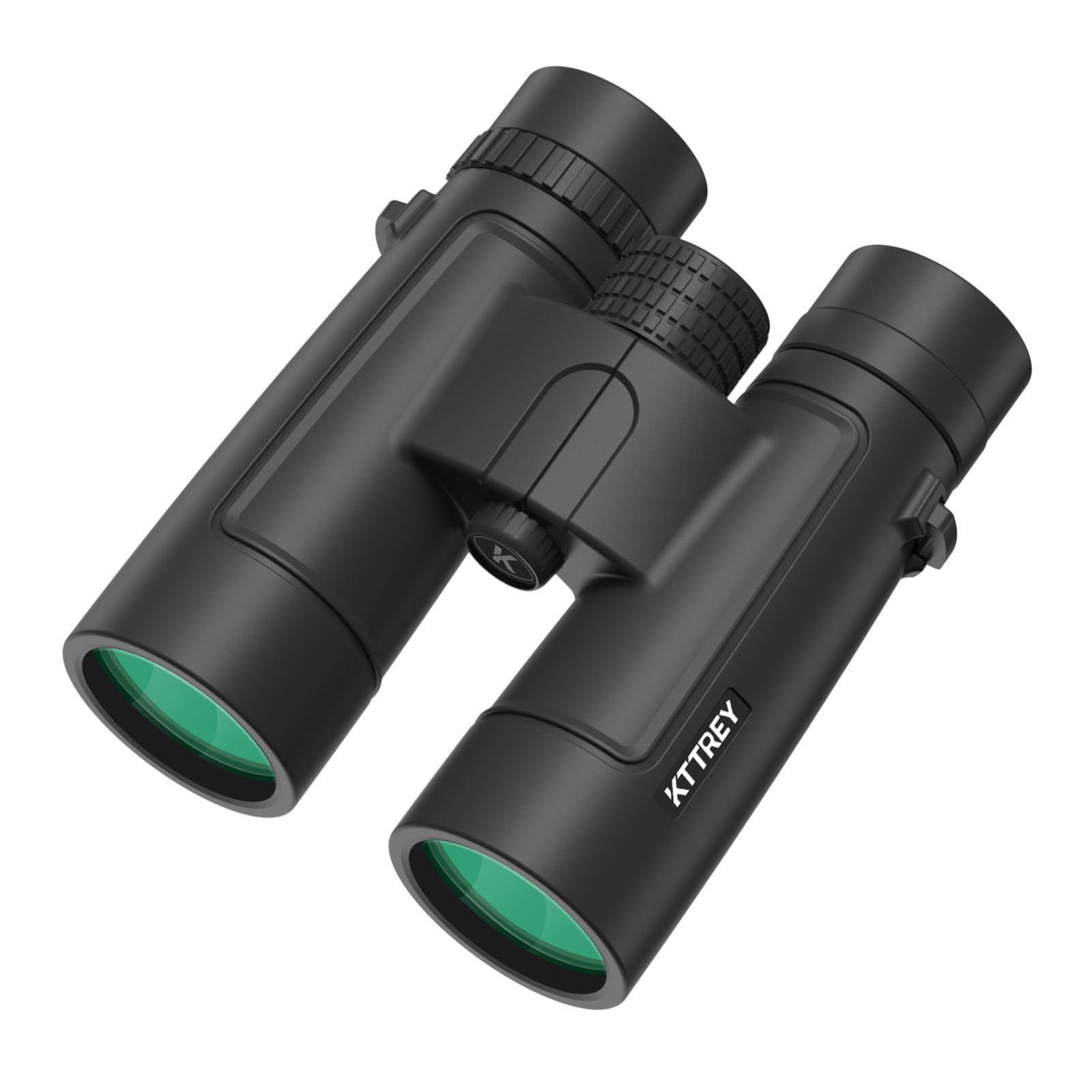


Types of 10x42 Binoculars Compared
Every 10x42 pair uses one of two prism layouts, and that layout shapes size, price and view. Start here, because a type that fights your main use will disappoint you.
Roof Prism Binoculars for Most Everyday Use
Roof prism models run the light path in a straight line, so the barrels stay slim and close together. That shape packs well and often seals well against rain. At this budget, roof models cost more to make well, so coatings and edge clarity can lag behind porro models at the same price. Choose roof for mixed use, travel and weather, when a tidy shape matters most.
Porro Prism Binoculars for Value and a Wide View
Porro prism models offset the barrels, giving a wider stance and a view with a strong sense of depth. The design is simpler to build, so your money often buys clearer glass and a wider field than a roof model. The cost is bulk, as wider bodies snag in a pack and feel clumsy with gloves. Choose porro if most viewing happens near home or at a feeder, and value matters more than a slim shape.
Compact Roof Prism Binoculars for Travel and Hiking
Some roof models trim barrel length and use lighter frames for hikers and travelers who carry a pair all day. A 10x42 will never vanish in a pocket, but a light roof pair rides in a daypack without regret. Expect to give up a little grip and sometimes a little field of view. If small size drives your search, see our guide to the best compact binoculars under $100 before you settle on a full size pair.
Roof Prism vs Porro Prism: Which 10x42 Style Should You Choose?
Choose roof when you carry the pair often, view in rain or share it with family. Choose porro when you mostly view from one place, want the brightest and widest view for the money, and can accept a larger body.
Try to hold both styles before you buy, even briefly in a store. Set the hinge to your eyes, roll the focus wheel and note which body lets you hold still without strain. If you are open to other sizes at this budget, see our guide to the best binoculars under $100 as well.
How to Choose the Right Pair of 10x42 Binoculars
Once the type fits your use, compare the parts that shape the view itself.
What You Can Realistically Get Under $100
At this price you can expect clear center views, decent coatings and a build that survives normal outdoor use. What usually gets cut is edge sharpness, costly prism coatings and glass that controls color fringing at bright edges. That balance is why the best 10x42 binoculars under $100 can still serve a new birder or hunter well, as long as you buy for a clear center rather than a long feature list.
If your budget can grow later, see our guide to the best 10x42 binoculars under $200 for the next step in coatings and build, or our guide to the best 10x42 binoculars under $500 for a view of the higher tier.
Prism Glass and Lens Coatings
Prism glass and coatings decide how much light reaches your eye. BaK 4 glass is the better choice at this price, since BK 7 glass can darken the edge of the view. Coating terms step up from coated to fully coated, then multi coated and fully multi coated, with each step cutting glare on more glass surfaces. A fully multi coated pair will usually look brighter and show better contrast at dawn.
Low Light Performance and Exit Pupil
A 10x42 pair has an exit pupil of about 4.2 mm, found by dividing the 42 mm lens by the 10 power magnification. That pupil size suits dawn, dusk and shaded woods fairly well, though it passes less light than an 8x42 pair with its larger pupil. If you view mostly at sunrise or in deep shade, favor better coatings over extra features.
Field of View and Close Focus
Field of view tells you how much of a scene you can scan without moving the binoculars. Most 10x42 models show about 300 to 340 feet at 1000 yards, and a wider field helps you find and follow birds or players. Close focus tells you the nearest distance that stays sharp, often about 6 to 8 feet at this price. A shorter close focus suits butterfly and feeder watching.
Eye Relief, Focus Wheel and Fit
Eye relief is the distance your eye can sit from the eyepiece and still see the whole view. Glasses wearers should look for about 15 mm or more, plus twist down eyecups that stay in place. The center focus wheel should turn smoothly without grit, and the diopter ring on one eyepiece lets you match focus to each eye. Set the hinge until the two circles merge into one, then adjust the diopter once.
Weight, Sealing and Build
Most 10x42 pairs weigh about 20 to 28 ounces, and a few ounces matter once a pair hangs from your neck for hours. Rubber armor adds grip, while sealed and nitrogen purged bodies resist internal fog in cold air. Waterproof claims vary, so treat a pair as rain safe rather than built for a soak. If wet field use is your main plan, see our guide to the best hunting binoculars under $100.
Common Mistakes to Avoid
Most returns at this price trace back to a short list of avoidable errors.
- Choosing 10 power only for reach ignores field of view, so fast subjects slip out of sight sooner.
- Assuming every 10x42 pair is equally bright overlooks coatings, so a dim pair disappoints at dusk.
- Skipping the eye relief check as a glasses wearer cuts off the edge of the view, so scanning feels cramped.
- Judging sharpness only at the center hides soft edges, so fine detail blurs across the scene.
- Expecting premium glass under $100 leads to chasing spec labels, so you may miss a sound basic pair.
- Picking the lightest body without trying its grip makes holds shaky, so the view moves more than it should.
Cleaning and Storing a Budget 10x42 Binocular
Clean the lenses only when dust or smears demand it. Blow loose grit away first, then use a clean lens cloth with light strokes, since a shirt sleeve can drag grit across the coating. Keep the lens caps on between uses and carry the pair in its case, not loose in a bag.
Store the pair in a dry and padded bag at home, away from car heat that can age seals and rubber. If the pair gets wet, let it air dry open before you close the case. Stop using a pair that shows a double image after a drop until a repair shop can look at it.
FAQ
Can you get a good pair of 10x42 binoculars under $100 for birding?
Yes, a good pair of 10x42 binoculars under $100 can handle birding well if the center view is sharp and focus is smooth. Before you keep a pair, check that both barrels line up, since a slight double image causes eye strain fast. A simple return option matters here, because sample quality varies more at this price.
Which type of 10x42 binoculars is better for low light viewing?
A porro prism pair often gives the brighter view at this price, since its simpler build leaves more of the budget for glass and coatings. Roof pairs can match it only when coatings are strong. Whichever type you choose, brace your elbows on your knees or a rail at dusk, because hand movement grows at 10 power and can hide fine detail.
Is a smartphone camera enough instead of 10x42 binoculars?
No, a smartphone camera is not a full stand in for 10x42 binoculars, because phone zoom crops the image and loses detail at distance. Binoculars give true optical magnification to both eyes, which helps you judge depth and follow movement. Use a phone when you need a photo, and use binoculars when the goal is to watch and identify a subject.
How much should you spend on your first pair of 10x42 binoculars?
Spending about $70 to $100 usually makes more sense for a first pair than buying the cheapest option at about $40. The higher part of this budget more often brings better coatings, steadier focus and sealed bodies. Keep a little money aside for a chest harness if you plan long walks, since carry comfort decides whether the pair comes along at all.
What does 10x42 mean on a pair of binoculars?
The first number means the view looks 10 times closer than with the unaided eye, and the second number is the front lens width of 42 mm. A wider front lens can gather more light, but it adds size and weight. For contrast, an 8x42 pair gives a wider and often brighter view with less visible hand movement, which is why some new users prefer it.
Our Verdict
Start with type, then judge glass and coatings, then check eye relief and weight. Roof suits carry and weather, porro suits value and a wide view, and light roof models suit travel. Use the product table above to compare field of view, weight and sealing before you order.
Chosen with those points in mind, the best 10x42 binoculars under $100 will not match premium glass, but they will show you far more than a phone screen or the unaided eye. Buy the pair that fits your main outing.


