
Best Compact Binoculars for African Safari: What Actually Matters Before You Buy for 2026
Disclosure: We may earn a commission when you buy through links on this page, at no extra cost to you. As an Amazon Associate I earn from qualifying purchases. Learn more

Learn how to choose compact binoculars for an African safari with clear guidance on magnification, lens size, weight, weather sealing, and sharp focus.
A safari rewards patience and quick reactions in equal measure, and your binoculars need to keep up with both. This guide uses a clear checklist to help you judge the best compact binoculars for african safari use by the things that actually decide what you see, from dawn light on the plains to dust on a rough track.
Compact models earn their place when luggage space is tight and days are long, but small size alone is not enough. Work through the criteria below, then use the comparison table below to match each claim against the pair you are considering.

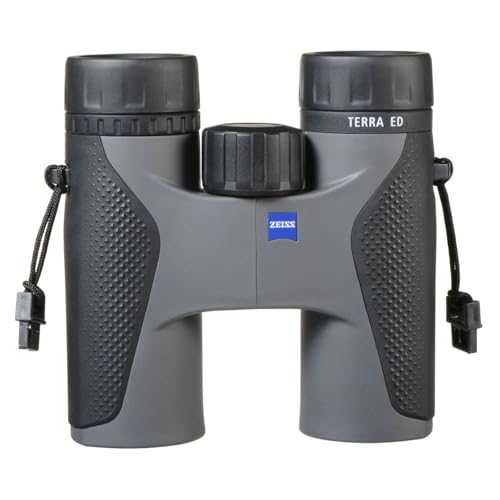

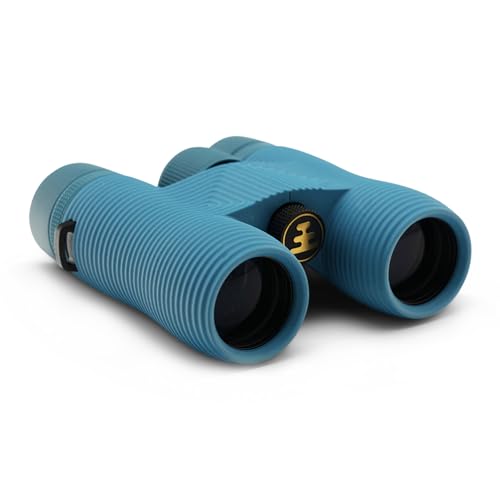


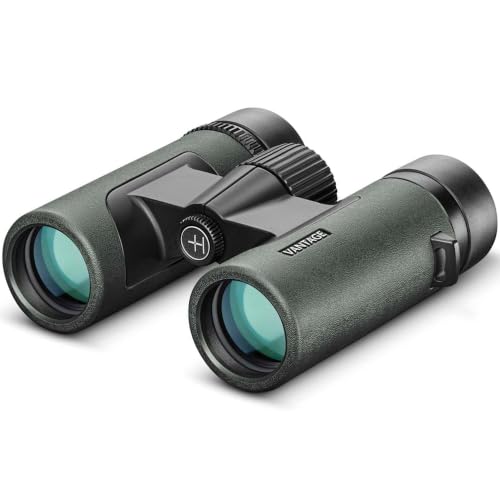
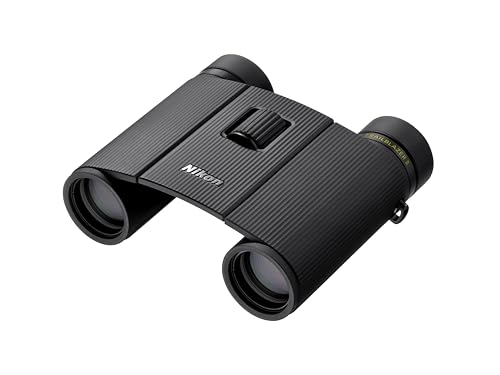

How We Evaluate Compact Binoculars for a Safari
Think of this section as a scoring checklist you can apply to any model in the product table above. Use this checklist when you compare the best compact binoculars for african safari travel against your route, your vehicle, and the animals you most hope to see. Each criterion below explains what to look for and where makers sometimes hide a weakness behind a bold claim.
Features That Matter for African Safari Use
Safari viewing is mostly distant, fast, and outdoors in changing light, so reach and clarity matter more than tiny size alone. You need enough magnification to judge stripes, horns, and bird markings across a clearing, plus a wide field of view so you can find a moving animal quickly once your guide points. Dust, glare, and sudden rain also make sealing and lens coatings practical needs, not extras. If you want the broader picture first, see our guide to the best binoculars for african safari and note how larger options trade pack space for brightness.
Measuring for Size and Portability
Start with your bag, not with the product page. Measure the padded pocket where the binoculars will ride, then compare folded size against that space with the strap and caps included. Weight matters just as much, because a pair around 10 to 16 ounces feels easy all day, while one near 24 ounces pulls on your neck during long stops. Models with 25 mm or 32 mm lenses pack far smaller than full size binoculars, and that saved space often decides whether the pair joins a walking segment or stays at camp.
Optical Quality and the Objective Lens
Binoculars have no sensor size, no megapixels, and no 4K video, so ignore camera language if a listing borrows it. What forms your image is glass, coatings, and the objective lens, which is the front lens that gathers light. Fully multicoated lenses and prisms with phase coating usually give better contrast and truer color in harsh midday glare. Extra low dispersion glass can reduce color fringing around bright edges, such as a white bird against dark water. For context on ratings, see our guide to the best rated compact binoculars after you finish this checklist.
Size, Weight, and Ergonomics in the Vehicle
A safari vehicle adds a handling test that pack size does not capture. You often lift the binoculars with one hand while holding a seat rail or camera with the other, so a secure grip and balanced body matter. Rubber armor helps when the pair knocks against a metal door frame, and a focus wheel you can turn with one finger lets you react while an animal is still in view. Eyecups that stay where you set them, plus enough eye relief for sunglasses, keep the view comfortable through bright afternoons.
Ease of Use for Your Skill Level
Binoculars do not offer autofocus, so ease of use means a smooth center focus wheel and a diopter dial that adjusts for the difference between your eyes. Set the diopter once at the start of the trip, then leave it alone and focus with the main wheel only. Beginners should favor a wheel with some resistance, because a loose wheel drifts when the body brushes your chest. A close focus of about 6 to 10 feet also helps when a lizard or butterfly sits right beside the vehicle.
Magnification and Lens Numbers Explained
The two numbers in a name such as 8x32 describe magnification first and the objective lens diameter in millimeters second. Eight power makes a subject look eight times closer, while ten power adds reach but also magnifies hand shake and narrows your field of view. Most compact safari pairs use 8x25, 8x32, or 10x32, and each step up in lens size adds brightness along with bulk. True zoom models exist, but most travelers do better with a fixed magnification that stays sharp and holds alignment on rough roads.
Low Light Performance at Dawn and Dusk
Many memorable sightings happen in the first and last hour of light, when predators move and the air is cool. Exit pupil, found by dividing the lens size by the magnification, tells you how much light reaches your eye, so an 8x32 gives a 4 mm exit pupil that suits dawn drives well. A 10x25 gives only 2.5 mm, which can look dim early in the day.
How to Choose Your Configuration Without Guesswork
With the checklist above in mind, the real decision is a balance among power, lens size, and budget, and the product table above can help you line up those factors. Work through the three choices below in order, and you will usually land on one sensible configuration.
Choosing Between 8 Power and 10 Power
Choose 8 power if most of your viewing happens from a vehicle, on foot with a guide, or across open ground where animals move and you must find them fast. The wider field of view and steadier image make tracking easier, especially for new users. Choose 10 power if your trip focuses on distant birds or shy animals that keep their distance, and brace your elbows on a door frame or bean bag to hold the view still. Image stabilization exists on a few larger models, but it adds weight, cost, and batteries, so most compact pairs leave it out.
Choosing Between 25 mm, 32 mm, and 42 mm Lenses
A 25 mm pair slips into a jacket pocket and suits travelers who value pack space above all, but it gives the dimmest dawn view of the three. A 32 mm pair is the sweet middle for most safaris, bright enough for early drives yet still compact beside a water bottle. A 42 mm pair gathers the most light but often overlaps with full size binoculars in bulk, so it suits vehicle based trips where the pair lives on the seat. If your itinerary mixes small charter flights with strict luggage limits, see our guide to the best compact binoculars for travel for packing ideas.
Balancing Budget Against Glass Quality
Spending more mostly buys better glass, better coatings, and stronger sealing, and those gains show up as contrast you can actually see at distance. A sensible first pair often costs around $250, while cheaper pairs can still work for casual use if the focus wheel is smooth and the view is aligned. Put money toward optics before accessories, because a fine strap cannot fix a dull or misaligned view.
Quick Buyer Checklist
Run through these questions before you order, and treat any no answer as a reason to look at another model.
- Does the magnification suit your main viewing distance, 8 power for tracking and 10 power for distant detail?
- Is the exit pupil at least about 3 mm for regular dawn and dusk drives?
- Does the folded size fit the padded space in your carry bag?
- Can you wear the weight around your neck for a full morning without strain?
- Is the body described as waterproof and fogproof by the maker?
- Is the field of view wide enough to find a moving animal quickly?
- Is the close focus short enough for insects and tracks beside the vehicle?
- Does the warranty cover defects, with service you can reach from home?
Red Flags to Watch For
Weak binoculars rarely announce themselves, so learn the warning signs that appear in listings and specifications.
- Vague claims with no clear lens size, field of view, or weight listed anywhere.
- 20 power claims on a tiny body, which usually means a dim and shaky view.
- No mention of waterproofing or fogproofing on a product sold for outdoor travel.
- Camera words such as sensor size or video resolution used to sell a product that only magnifies.
- A very short warranty with no clear maker name or service address.
Listings for proven safari gear tend to state plain numbers and stand behind them, a standard you can check when you see our guide to the best safari binoculars for trips where size matters less.
Care and Tips to Get the Most From Your Compact Binoculars
Savanna dust is fine, abrasive, and everywhere, so cleaning habits decide how long your lenses stay clear. Blow loose grit off the glass first, then wipe gently with a clean microfiber lens cloth in small circles. Never use your shirt, because fabric traps grit and can scratch coatings in one careless pass. Keep objective caps on while driving between stops, and let a cold pair warm up slowly inside its case in humid air to reduce fogging.
Store the binoculars in a dry padded bag at home, away from direct sun or a hot car trunk. Birders who share many of these habits may also enjoy our guide to the best compact binoculars for birding for ideas on spotting small subjects at waterholes. A strap you trust and a harness for long walks both protect the pair from a drop onto hard ground.
Frequently Asked Questions
What features matter most in compact binoculars for African safari trips?
The features that matter most are clear coated glass, a suitable magnification, and a sealed body that keeps dust and rain out. A smooth focus wheel and a wide field of view help you follow moving animals without losing them. One point many buyers miss is interpupillary distance, which is the range over which the two barrels fold to match the spacing of your eyes, so check that range if your eyes sit unusually close together or far apart.
Which compact binoculars are better for low light viewing on safari?
Compact binoculars with a larger objective lens for their magnification are better for low light viewing on safari. An 8x32 or 10x42 gathers more usable light than a 10x25, and quality coatings raise contrast as shadows deepen. Twilight factor is another figure some makers quote, but treat it as a rough guide only, because it rewards magnification even when the exit pupil is too small to look bright to your eye.
What specs matter most for beginners buying compact safari binoculars?
The specs that matter most for beginners are 8 power magnification, a 32 mm objective lens, and a field of view wide enough to find animals without a long search. Add a focus wheel that turns smoothly and eyecups that suit your face. Beginners also benefit from a generous sweet spot, meaning the central sharp area stays forgiving when focus is slightly off, which better glass tends to provide even before you learn fine focusing habits.
What does 8x42 or 10x42 mean on compact binoculars?
On binoculars, 8x42 means 8 power magnification with a 42 mm objective lens, and 10x42 means 10 power with the same lens size. The second number drives size and brightness, while the first drives reach and steadiness. Note that a 42 mm lens usually pushes a pair out of the truly compact class, so measure the body if pocket size matters, because some makers use the word compact loosely in product names.
How much should I spend on my first pair of compact safari binoculars?
You should spend enough to get coated glass, honest sealing, and a warranty you can use, which for many buyers means around $250. Below that level, check alignment and focus feel with extra care before a trip. If you borrow a pair first, note what you liked about its weight and view, because that trial often tells you more about fit than any specification sheet can.
Is a smartphone enough instead of compact binoculars on safari?
A smartphone is not enough instead of compact binoculars on safari, because phone zoom crops a small sensor image and loses detail at the distances wildlife keeps. Binoculars give both eyes a bright, steady view with real depth, which helps you judge distance and behavior. A phone still earns its place for quick photos through one eyepiece and for recording calls your guide identifies, so pack it as a companion rather than a replacement.
The Bottom Line
Start with the checklist, not with a brand name. Let magnification, objective lens size, and honest sealing narrow your shortlist, then let weight and handling make the final call. The comparison table above gathers those details in one place, so return to it once you know which configuration fits your route and your bag.
Chosen with care, the best compact binoculars for african safari travel will disappear into your routine until a guide whispers and points. Then they will bring a distant animal close enough to watch, understand, and remember long after you are home.


