
Best Binoculars for African Safari Made Simple: A Clear Buying Guide for 2026
Disclosure: We may earn a commission when you buy through links on this page, at no extra cost to you. As an Amazon Associate I earn from qualifying purchases. Learn more

Plain-English advice on magnification, lens size, and weight to help first-time travelers pick the best binoculars for african safari.
If you have never bought binoculars before, a safari can feel like a daunting first challenge. The animals are far away, the light changes fast, and the vehicle may be moving when the best sighting appears. The good news is that choosing the best binoculars for african safari trips does not require expert knowledge, only a clear grasp of a few plain terms and an honest look at how you will travel. The product table gives you options to compare once you know what to look for.
This guide starts with the basics, explains each spec in plain English, and flags the rookie mistakes that waste money. It keeps the focus on safari conditions, from dusty tracks and open plains to dawn drives when the light is thin. By the end, you should be able to read any listing with confidence and pick a pair that suits your trip, your bag, and your budget.
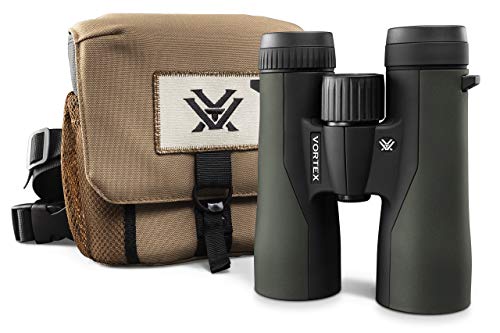


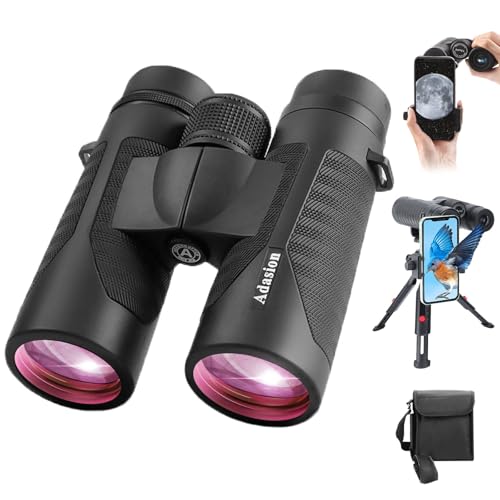

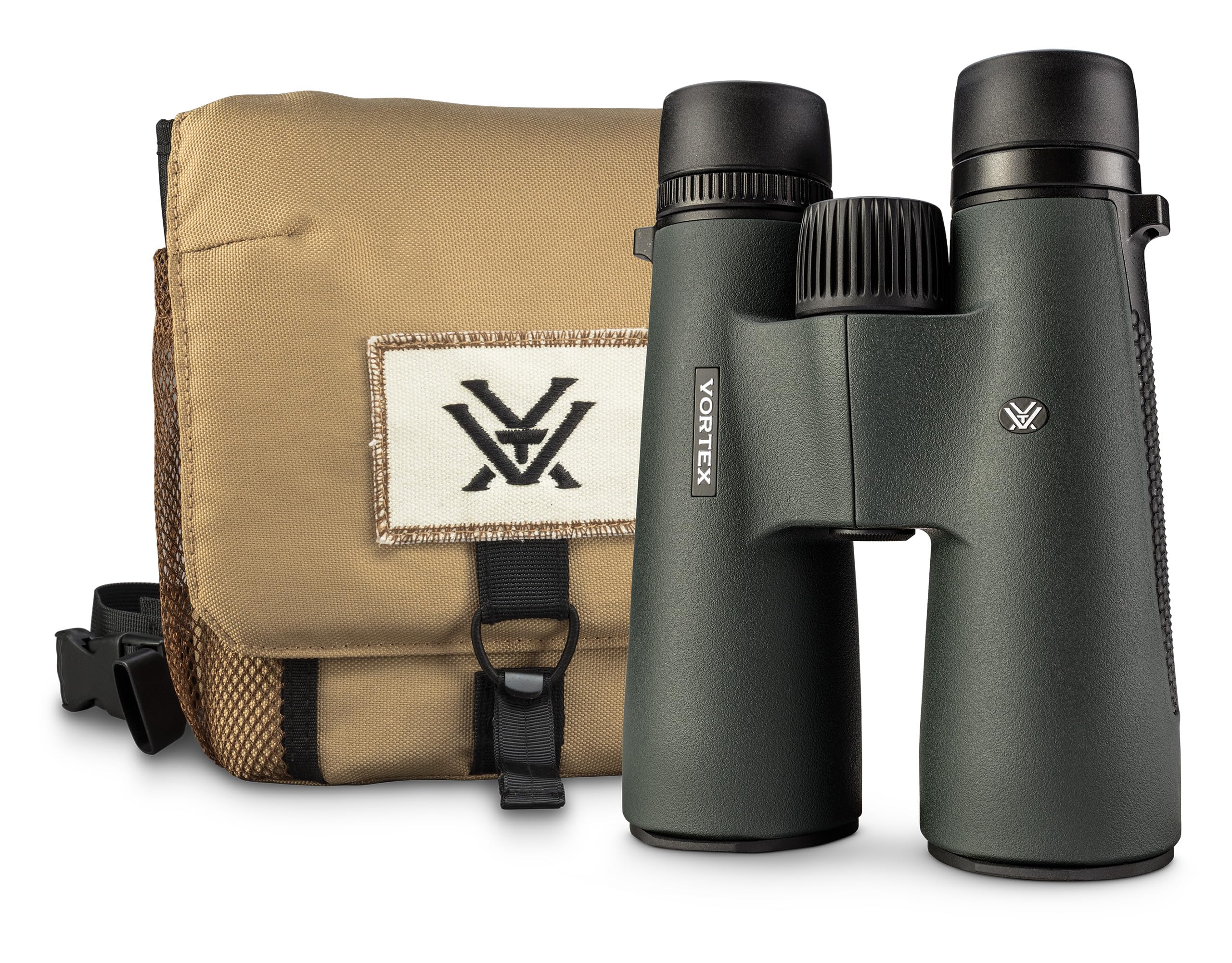

Best Binoculars for African Safari: The Basics
A pair of binoculars is two small telescopes joined side by side, one for each eye, so you see a single three dimensional image. Light enters through the large front lenses, called objective lenses, passes through prisms that fold the light path and correct the image, and reaches your eyes through the eyepieces. Roof prism designs keep the barrels slim and straight, which suits travel, while porro prism designs are wider at the front and often cost less for similar glass quality. Either design can serve a safari well, so judge the pair on its view and handling rather than on the prism label alone.
Most safari buyers start with a simple question, which is how close the animals will look, and that is where magnification comes in. Magnification is the first number in a figure like 8x42, and it tells you that a subject appears eight times closer than with the naked eye. The second number is the objective lens size in millimeters, and larger front lenses gather more light. A guide to the best safari binoculars can help you see how other travelers weigh these two numbers, but the plain explanations in this guide are enough to choose well.
Key Specs Explained in Plain English
Features That Matter for African Safari
Safari viewing is different from backyard birding because subjects move, distances vary, and dust is everywhere. A wide field of view helps you find an animal quickly and follow it as it walks, while a narrow field forces you to hunt around and often lose the subject. Good sealing matters because fine dust works into unsealed joints on dirt tracks, and a grippy body matters because you may hold the pair one handed while the vehicle bumps along. Weight matters too, since you may hold the pair up for long stretches during a sighting, and a heavy pair tires your arms fast.
Magnification and Objective Size
Think of magnification and objective size as a partnership. A pair marked 8x42 gives eight times magnification and 42 mm front lenses, while 10x42 gives ten times magnification with the same light gathering front lenses. The 8x option gives a steadier image, a wider view, and a brighter feel in dim light, which is why many first time safari travelers prefer it.
The 10x option brings distant animals closer, but it also magnifies hand shake and narrows the view, so it suits steadier hands and open plains better than thick bush. Never look at the sun through binoculars, since concentrated sunlight can seriously damage your eyes in an instant.
Low Light and Dawn Drives
Dawn and dusk drives are prime safari hours, and they demand more from a pair than midday viewing does. The exit pupil, which is the objective size divided by the magnification, gives a rough sense of brightness: 42 divided by 8 gives 5.25 mm, while 42 divided by 10 gives 4.2 mm. Larger exit pupils generally feel brighter in dim light, especially for younger eyes that can still use the full beam. Coatings on the glass also matter, because they cut reflections and let more light through, so a well coated 8x42 pair can outperform a poorly coated pair with larger lenses.
Ease of Use for Your Skill Level
A beginner friendly pair should focus smoothly, adjust easily for the gap between your eyes, and hold its diopter setting once you set it for your own eyes. The diopter is a small control, usually on one eyepiece, that compensates for differences between your left and right eyes, and setting it once makes everything sharper for you. Twist up eye cups should move in clear steps and stay put, and the focus wheel should turn without stiffness or slack. If you wear glasses, look for long eye relief so you can see the full view without pressing the eyepieces hard against your lenses.
Size, Weight, and Packing
Safari luggage limits and long vehicle days make size and weight practical concerns, not minor details. A full size pair can weigh around 700 to 900 grams, while a compact pair can weigh around 300 to 500 grams, and the lighter pair is far more likely to be in your hands when a sighting happens. Compact pairs trade some low light brightness for portability, so weigh your priorities honestly: open vehicle drives reward brightness, while walking safaris and tight packing reward lightness. For a lighter option, see our guide to the best compact binoculars for african safari, and for general travel friendly options see our guide to the best travel binoculars for safari.
Rookie Mistakes to Avoid
- Buying the highest magnification available, then finding the image too shaky and narrow to use in a moving vehicle.
- Ignoring weight, then leaving a heavy pair in the lodge because it tires your arms during long sightings.
- Skipping weather and dust sealing, then watching fine dust and moisture work into the body on dirt tracks.
- Forgetting eye relief, then struggling to see the full view while wearing glasses or sunglasses.
- Judging a pair by one number alone, such as magnification, instead of weighing the view, weight, and build together.
Each of these mistakes is easy to avoid once you know to look for it. Read listings for the full set of numbers, not just the headline magnification, and picture the pair in your hands during a real game drive. If a listing hides the field of view, eye relief, or weight, treat that gap as a warning and compare another option that states them plainly.
Getting Started: Setup and First Use
When the pair arrives, start by adjusting the barrels so the two circles merge into one round view. Next, set the diopter for your eyes by focusing on a distant sign or tree with the central wheel, then adjusting the diopter until the image is sharp for the eye on that side. Practice on birds in a park or on distant rooftops before your trip, so focusing feels automatic when a sighting is brief. Use a lens cloth, not your shirt, to clean the lenses, and blow dust off first so grit does not scratch the glass.
Pack the pair in its case inside your day bag, with the strap attached and the lens caps handy. On a game drive, keep the caps off only while watching, and put them back on during dusty stretches between sightings. Follow your guide's instructions on distance from wildlife and on when to stay quiet and still, and never approach animals on your own for a closer look. A small pair that is ready in seconds will serve you better than a large pair buried under luggage, so keep it accessible from the moment the vehicle leaves camp.
FAQs
What magnification suits open plains and thick bush?
Eight times magnification suits most safari conditions, from open plains to thicker bush. It gives a wide enough view to find animals quickly, a steady image in a moving vehicle, and good brightness at dawn and dusk. Ten times magnification helps on very open plains where animals stay far away, but it narrows the view and magnifies shake, which frustrates beginners in bush. If your trip mixes both habitats, start with 8x and let your guide's spotting scope handle the extreme distances.
Do I need large objective lenses for dawn drives?
Large objective lenses help at dawn, but they are not the only factor in low light viewing. A 42 mm lens with 8x magnification gathers a useful amount of light and keeps the pair at a manageable weight for long drives. Larger lenses add brightness but also add bulk, and a poorly coated large pair can still look dim beside a well coated 42 mm pair. For most first time buyers, 42 mm is a sensible balance, while compact 32 mm pairs suit travelers who prize lightness and mostly watch in good daylight.
How heavy is too heavy for a full game drive?
Most travelers find pairs above about 900 grams tiring during a full game drive, especially when sightings last a long time. Pairs around 600 to 800 grams feel manageable for many adults, while pairs under 500 grams are easy to hold up repeatedly and pack light. Your own strength, any neck or shoulder discomfort, and whether you use a harness instead of a neck strap all shift the answer. If possible, hold a similar weight for several minutes before ordering, and favor the lighter pair when you are torn.
What should first time safari buyers check before ordering?
First time buyers should check magnification, objective size, field of view, eye relief, weight, and sealing before ordering. Those six numbers tell you how close subjects appear, how bright the image feels, how easy subjects are to find, whether glasses wearers see the full view, how tiring the pair will be, and how it handles dust. Read the warranty and return terms as well, since a pair that feels wrong in your hands is hard to judge from a listing alone. Finally, confirm the case and strap are included so the pair is protected from the first day.
Can children use adult binoculars on a safari?
Children can use adult binoculars, but the fit often works against them. Adult pairs may be too wide for small faces, too heavy for small arms, and hard to adjust for narrow eye spacing, which leads to a partial view and quick frustration. A smaller, lighter pair with a narrower minimum eye spacing suits most children better, and a neck strap sized for them prevents drops. Let a child practice at home first, supervise use around vehicles and water, follow the manufacturer's instructions, and remind them never to point the pair toward the sun.
Wrapping Up
The product table above is a useful shortlist, but your decision should rest on the plain specs in this guide. Start with 8x magnification and 42 mm lenses unless you have a clear reason to differ, check the field of view and eye relief, and choose a weight you will happily carry all day. Make sure the body is sealed against dust, practice focusing before you travel, and follow your guide's rules around wildlife. With those basics covered, the best binoculars for african safari trips for you is simply the pair you will reach for every time the vehicle stops.

