
Best Commercial Treadmills for Home Use: Matching a Model to Your Routine in 2026
Disclosure: We may earn a commission when you buy through links on this page, at no extra cost to you. As an Amazon Associate I earn from qualifying purchases. Learn more

Compare the best commercial treadmills for home use by motor strength, belt size, frame build, and folding design to choose a durable fit for your routine.
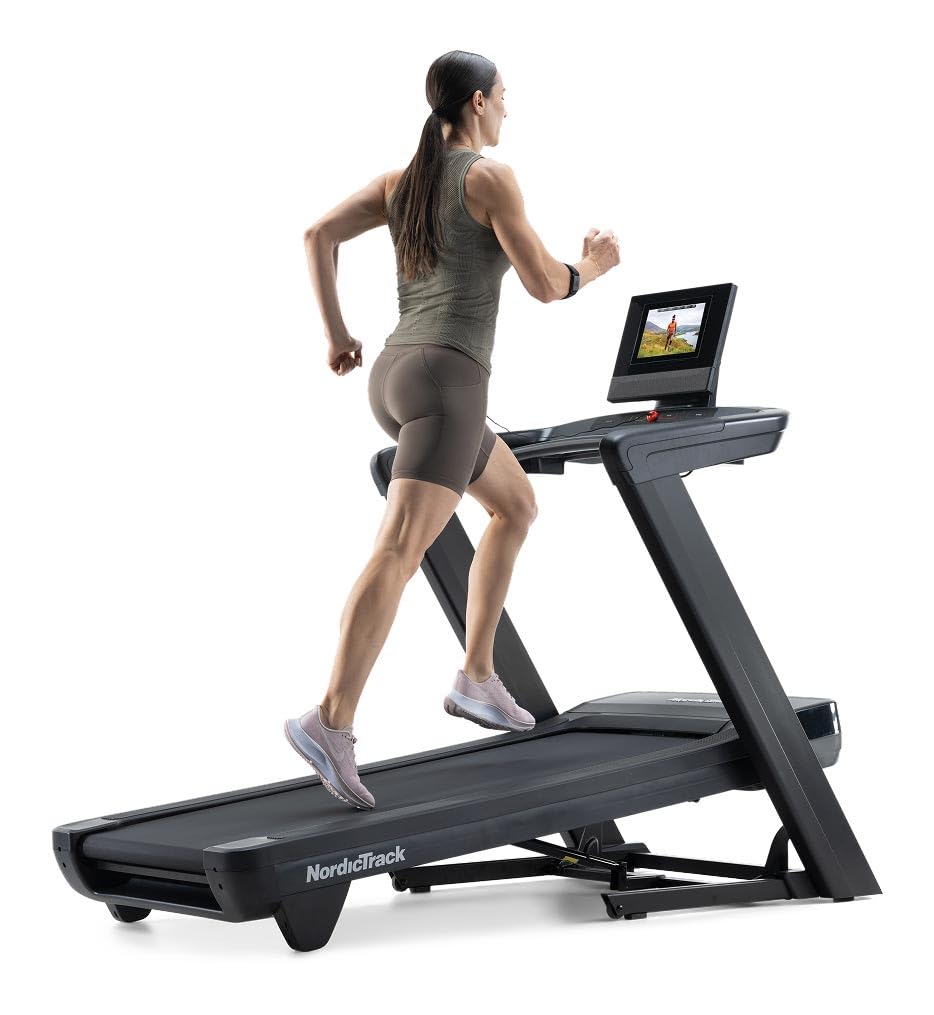
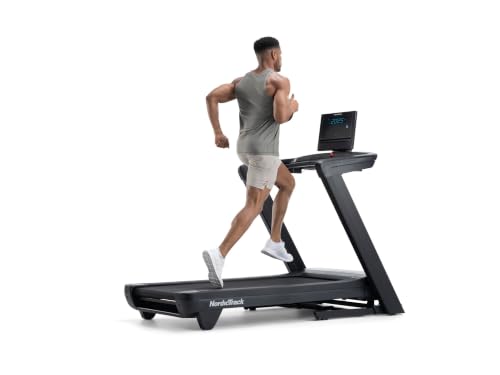
A commercial treadmill in a home gym is a very different purchase from a light residential model. These machines are built for many hours of daily use on gym floors, so at home they bring a heavier steel frame, a stronger motor, and parts made to survive years of steady training. Shopping for the best commercial treadmills for home use starts with your routine, your room, and the people who will share the machine.
This guide focuses on buying guidance rather than reviews of individual models. You will learn which build suits small rooms, daily runners, and casual weekend users, and which costs hide beyond the purchase price, such as delivery, placement, and app subscriptions. Match those factors to your own training first, and the right class of machine becomes much easier to spot.



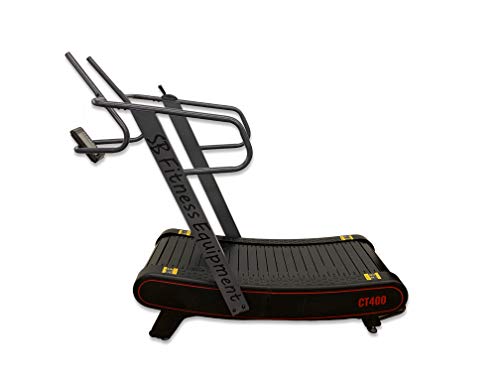
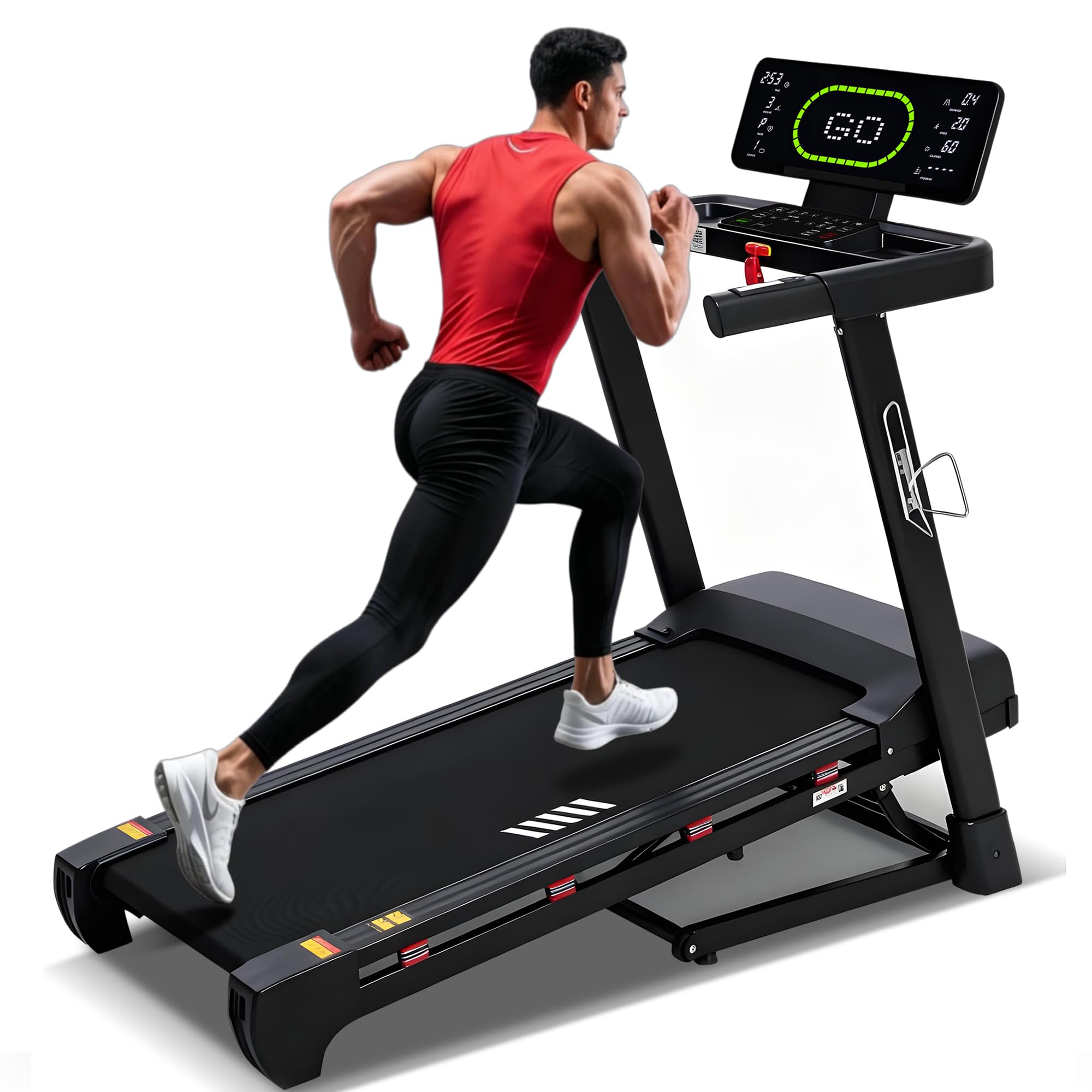
Who Should Buy Which Commercial Treadmill?
Commercial models vary far more than their shared label suggests. A machine built for a busy gym floor can be far more treadmill than a spare bedroom needs, while a lighter unit may disappoint a runner training six days a week. Start with the group below that sounds most like your household. And if joint impact pushes you toward a different machine entirely, see our guide to the best commercial elliptical for home use for a lower impact commercial option.
Small Spaces and Easy Storage
If your treadmill shares space with a guest room, an office, or a living area, footprint matters as much as power. Look for foldable commercial models with a deck that lifts and locks, transport wheels that let one person roll the machine aside, and a folded depth that leaves real walking room around it. Measure the folded footprint, not just the running footprint. For a deeper look at smaller footprints, see our guide to the best compact treadmills for home use before you commit to a full size frame.
Frequent and Serious Users
Daily runners and households where several people train put gym level hours on a machine, and that is where a true commercial build earns its price. Prioritize a motor rated for continuous use, a long and wide belt that never feels cramped at full stride, and a warranty that covers parts and labor for years rather than months. A heavier frame also stays planted during intervals and hill work. If most of your miles are runs rather than walks, see our guide to the best running treadmills home use for guidance aimed at run focused training.
Garage Gyms and Tough Conditions
A garage setup exposes a treadmill to dust, humidity swings, and cold or hot air that a climate controlled room never sees. Choose a model with a sealed motor cover, corrosion resistant hardware, and a console that tolerates temperature changes, and keep a fitted cover over the machine between sessions. If your garage floods or sits unheated through freezing winters, moving the treadmill into the house protects the electronics better than any accessory can.
Weekend Beginners
If you train two or three times a week and are building a walking or light jogging habit, you do not need the largest deck or the fastest motor in the commercial range. A midsize commercial model gives you the sturdy frame and simple controls you will actually use, with a price that leaves room in the budget for a mat and good shoes. Look for a console you can learn in one session and a deck size matched to walking and easy jogging rather than sprint work. To keep costs in check while you build the habit, see our guide to the best affordable treadmills for home use for budget minded options.
Key Features of the Best Commercial Treadmills for Home Use
The features below decide how a commercial treadmill feels under your feet, how it fits your room, and how long it keeps working. Read each one against your own body, your training plan, and your floor plan, because the product table above can only tell you part of the story.
Motor Power and Duty Rating
Motor listings pair a horsepower figure with a duty rating, and the duty rating is the number that separates commercial machines from residential ones. A commercial motor is built to run for hours each day without overheating, with better cooling and thicker windings that hold speed steady when a heavy runner lands on the belt. Walkers place less load on a motor than runners, so a household of walkers can choose a smaller motor safely. Runners who train at high speeds for long stretches should pick the strongest continuous rating they can afford, since a motor that strains runs hot and wears early.
Belt Size, Stride Length, and Ergonomics
Belt size has to fit your stride at your fastest pace. Most commercial belts run about 55 to 62 inches long and 20 to 22 inches wide, and taller runners or anyone doing fast intervals should stay near the top of that range so the heel never lands close to the back edge. Deck cushioning softens each landing and matters if your knees or hips complain after road runs. Check the handrail height and the console reach as well, because controls you can tap without leaning forward keep your form relaxed and safe.
Steel Frame and Weight Capacity
A welded steel frame is the backbone of every commercial treadmill, and it shows up in two numbers worth checking: the machine weight and the user weight capacity. Higher capacity models, often rated around 350 to 400 pounds, use thicker tubing and stronger deck supports that flex less under load. Choose a capacity with a comfortable margin above the heaviest user in your home, since running multiplies the force of each foot strike well beyond standing weight.
Console, Programs, and App Connectivity
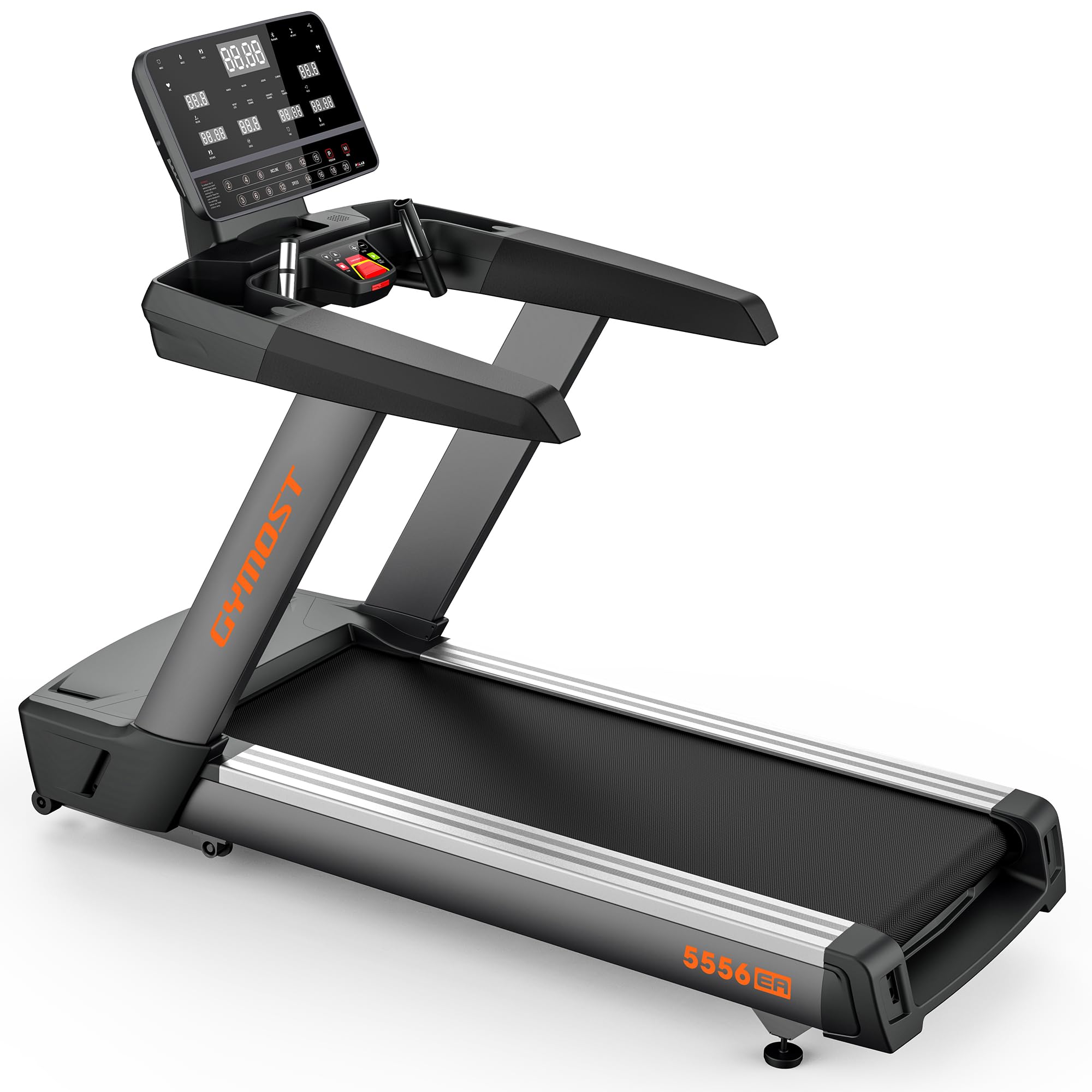
Consoles range from simple LED displays with manual controls to smart connected models with large touchscreens, Bluetooth pairing for headphones and heart rate straps, and libraries of coach led classes. Built in programs that adjust speed and incline automatically can carry a beginner through the first months. Before paying extra for a connected screen, check what the matching app costs each month and whether basic workouts still run if you cancel. A tablet holder and a basic screen cost far less over five years than a subscription you rarely open.
Space, Footprint, and Ceiling Height
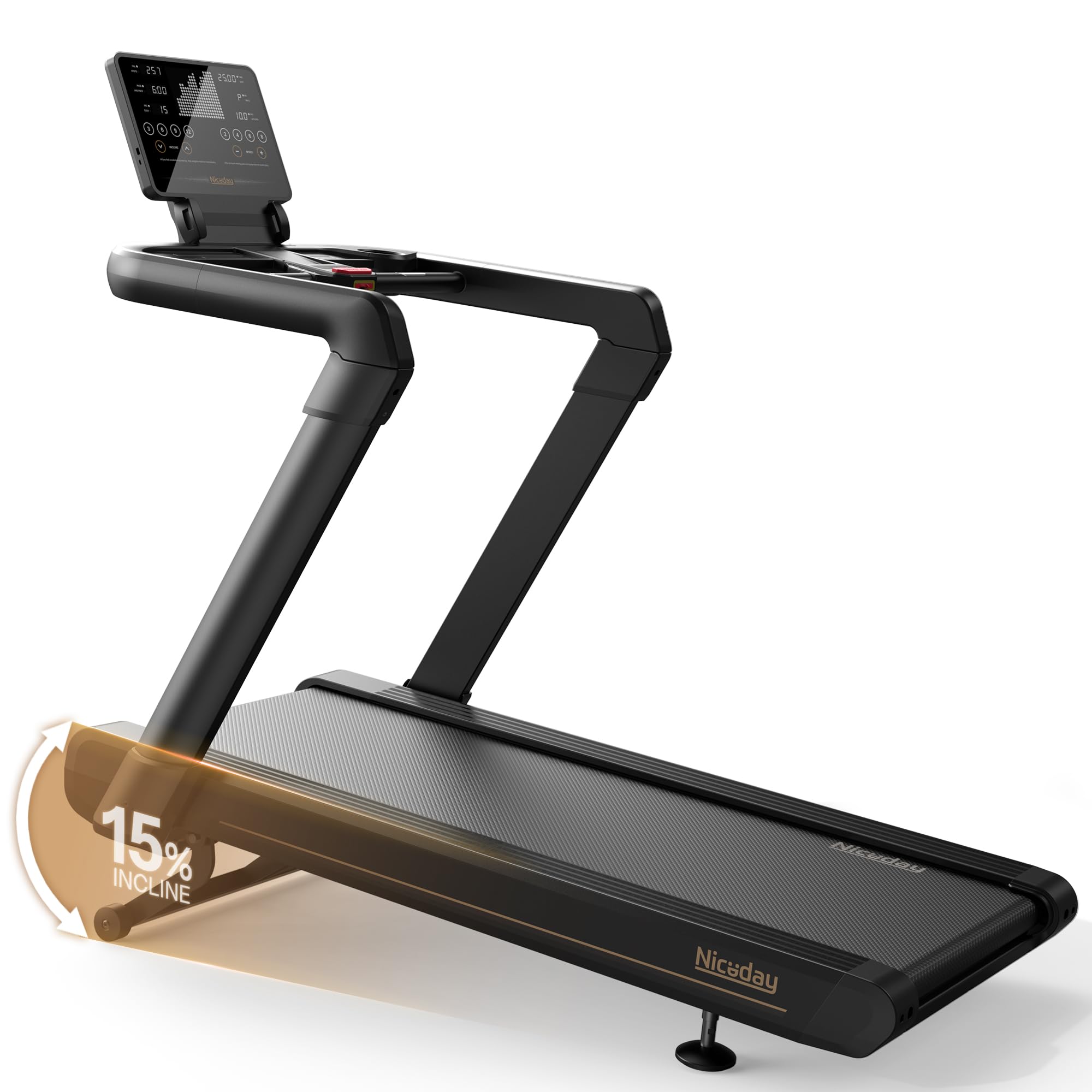
Measure the room in three directions before ordering. The deck of a commercial treadmill sits higher than a residential one, so add your height to the deck height and allow several inches of clearance above your head at the highest incline. Leave open floor behind the belt and on both sides. If the same renovation adds commercial equipment elsewhere in the house, see our guide to the best commercial ranges for home use for the kitchen side of that project.
Assembly and Portability
Many commercial treadmills arrive partly assembled, but the parts are heavy and awkward, and a full build can take two adults several hours. Measure every doorway, hallway turn, and stairwell on the delivery path, because a machine that fits the room is useless if it cannot reach it. Transport wheels help with short moves on one floor. Paid professional assembly and room of choice delivery often cost less than repairing a wall or a strained back.
Common Mistakes to Avoid When Buying Commercial Treadmills
- Choosing by top speed alone leaves you with a fast machine whose short belt and small motor still feel wrong for your actual training.
- Skipping the warranty fine print can leave you unprotected, because some commercial warranties assume gym use or require registration within a set window.
- Forgetting ceiling height leads to a head clearance problem that only shows up the first time you raise the incline.
- Buying a weight capacity with no margin above the heaviest user makes the deck flex and the motor work harder on every stride.
- Measuring only the room and not the delivery path means a treadmill can end up stuck in a hallway or returned at your expense.
- Paying for a large touchscreen and connected classes you never use adds hundreds of dollars over the life of the machine.
Setup and Care Tips for a Commercial Treadmill at Home
Place the treadmill on a level floor over a dense equipment mat, which protects the flooring and softens vibration. Plug it into a grounded outlet on its own circuit where possible, since commercial motors draw heavy current at startup, and always clip the safety key to your clothing so the belt stops fast if you stumble. Leave the power switch off between workouts if small children or pets share the home, and keep the rear of the deck clear at all times.
For care, wipe sweat from the console, handrails, and belt edges after each session, because dried sweat corrodes metal and slips underfoot. Lubricate the belt with the silicone product your manual specifies, check belt alignment and tension monthly, and vacuum dust from around the motor cover so cooling stays effective. Tighten accessible bolts monthly and inspect the walking belt for frayed edges or a worn center line. Stop a workout and seek medical care at once if you feel chest pain, severe dizziness, or unusual shortness of breath, and talk with your clinician about a safe training plan if you manage a heart condition, joint problems, or any health concern that exercise could affect.
Frequently Asked Questions
Are commercial treadmills quiet enough for apartment use at home?
Most commercial treadmills run quietly at walking speeds, and foot strike noise, not the motor, is what carries through floor joists to the unit below. A thick mat, daytime training hours, and walking rather than sprinting keep peace with neighbors. Placing the machine on an interior wall away from shared bedroom walls also helps more than any single accessory.
How long does a commercial treadmill last in a home gym?
A commercial treadmill used at home often lasts well beyond a decade, because home hours are a fraction of the duty the frame and motor were built for. Wear parts still age on schedule, so expect a belt and deck replacement long before the frame wears out. One point buyers miss is that console electronics and screens often age out before the mechanical parts, so a model with simple controls can stay useful the longest.
Do smart commercial treadmills for home use require a subscription?
No, a subscription is rarely required to run the belt, set a speed, or use manual mode on a smart commercial treadmill. Paid memberships unlock streamed classes, adaptive training plans, and detailed workout history. Before buying a connected model, test whether the workouts you care about sit behind the paywall, and ask whether a guest or offline mode keeps basic programs available if you let the membership lapse later.
Which commercial treadmill features matter most for beginners at home?
Beginners benefit most from a gentle starting speed, large speed and incline buttons, sturdy handrails, and a safety key that stops the belt quickly. Preset walking plans with gradual progression help more than race style programs, because they build time on your feet without sudden jumps. A clear display showing time, distance, and pace in large numbers also beats a crowded screen when you are learning to read your effort.
How much clear space does a commercial treadmill need at home?
Plan for the running footprint plus a clear zone of about six feet behind the deck, where a fallen runner lands if the belt throws them backward. Leave roughly two feet on each side for comfortable mounting, and keep the front accessible so a technician can remove the motor cover during service. Foldable models shrink the storage footprint, but the safety zones still apply every time the deck is down and in use.
Final Thoughts
Start with the motor duty rating and the steel frame, since those two decide how long the machine serves you, then confirm the belt fits your stride and the frame fits your room. The product table above pulls those numbers together so you can compare classes of machines at a glance. Chosen with your routine in mind, the best commercial treadmills for home use give a home gym the durability of a fitness club, sized and priced for the way you actually train.


