Best Affordable Treadmills for Home Use: A Buying Guide for 2026
Disclosure: We may earn a commission when you buy through links on this page, at no extra cost to you. As an Amazon Associate I earn from qualifying purchases. Learn more

Compare the best affordable treadmills for home use by belt size, motor duty, folding frame and warranty, with space planning, safety and care advice.
Buying a treadmill for the home is mostly an exercise in matching three things: the size of the belt, the strength of the motor, and the space you can honestly give up. Shoppers comparing the best affordable treadmills for home use often start with screen size or program counts, which are the least important parts of the machine. This guide works through the hardware first, in the order that decides whether a treadmill still suits you a year from now.
One caution before the specifications: this guide covers choosing a machine, not planning workouts. Anyone who is new to exercise, returning after an illness or injury, or living with a heart, joint, or balance condition should talk with a clinician before starting. Use the product table to check belt and motor figures as you read.

How to Choose: Start With the Belt
Belt Size Comes First
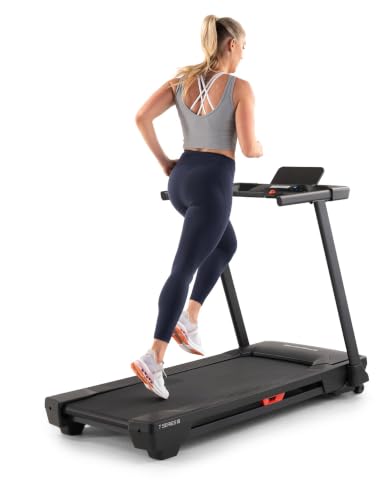
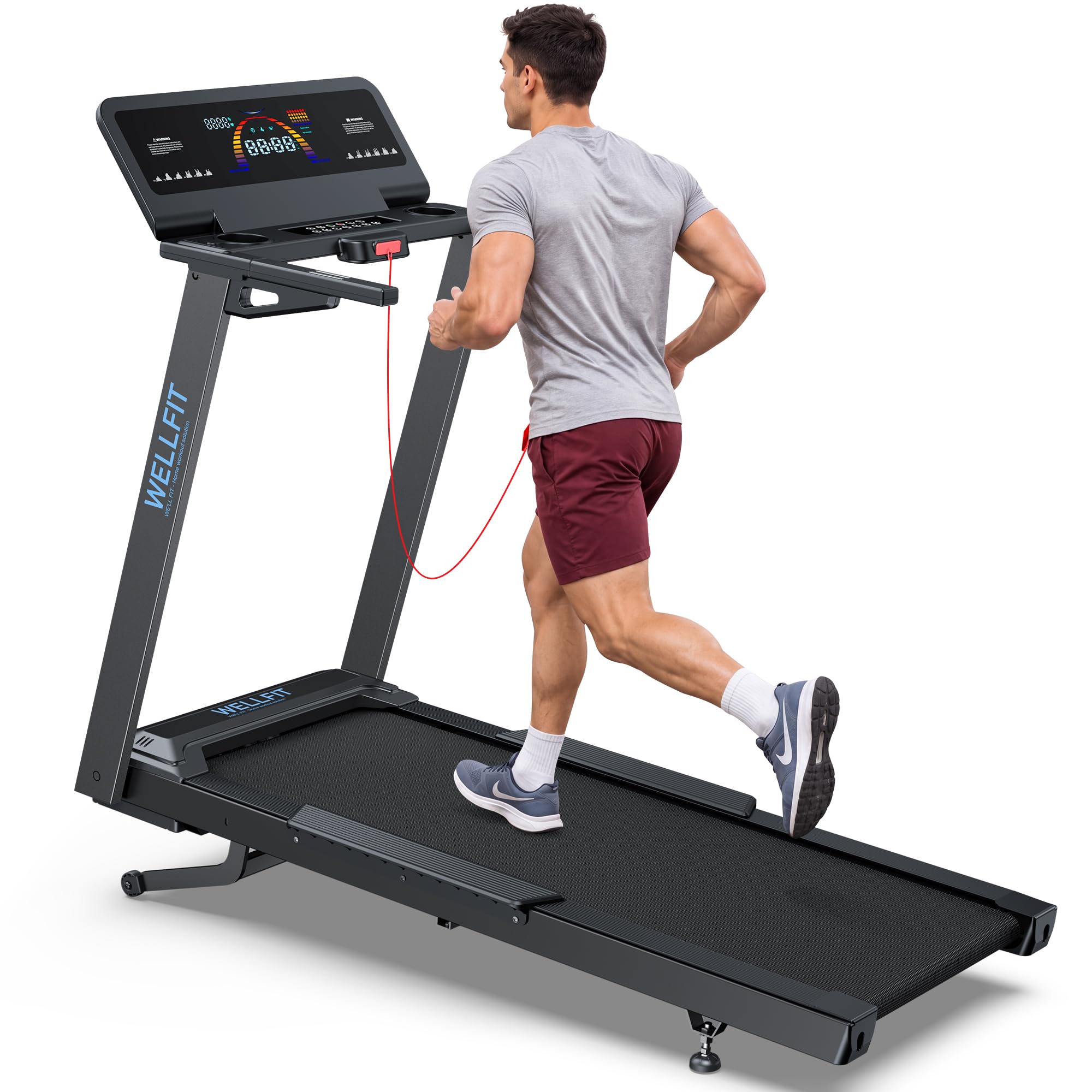
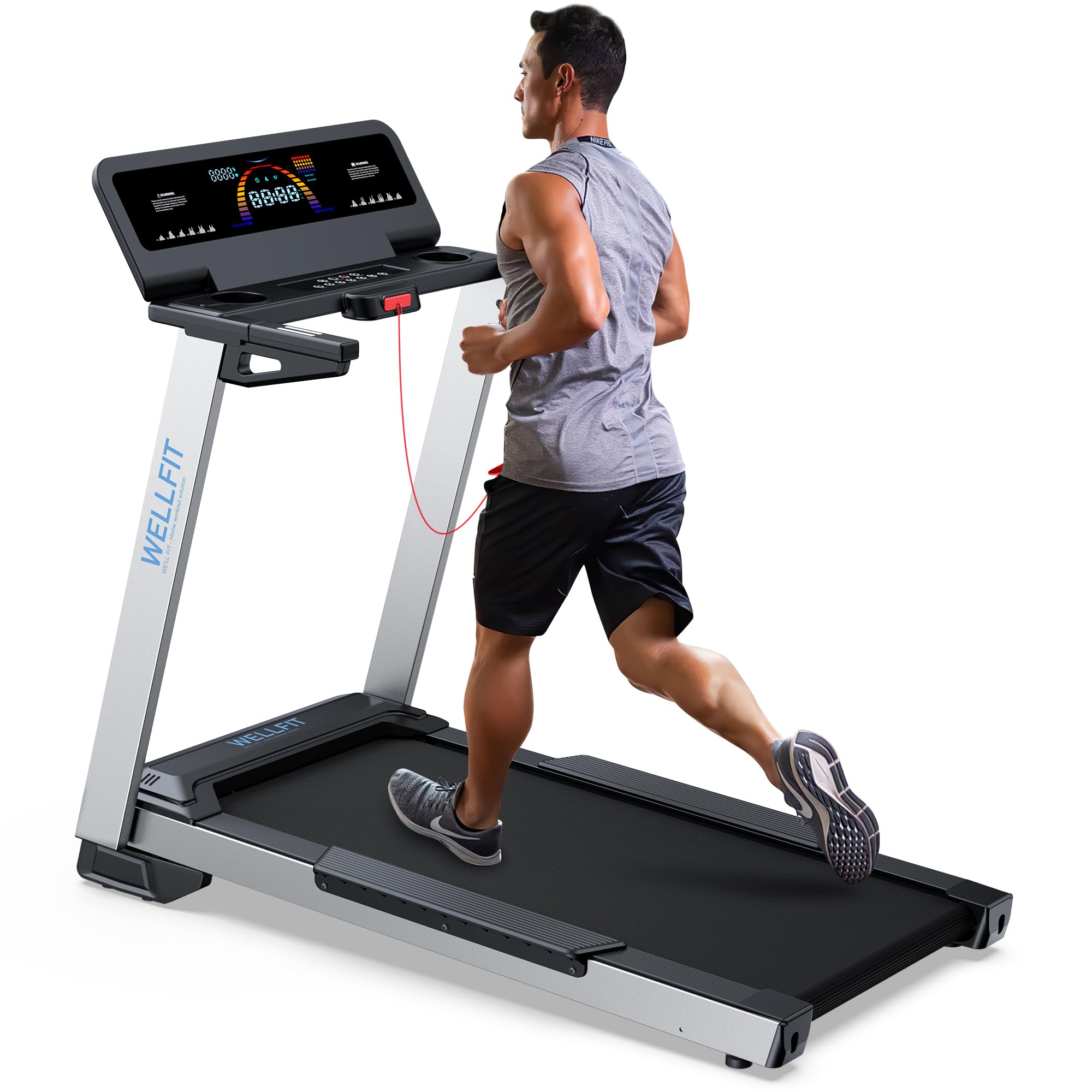
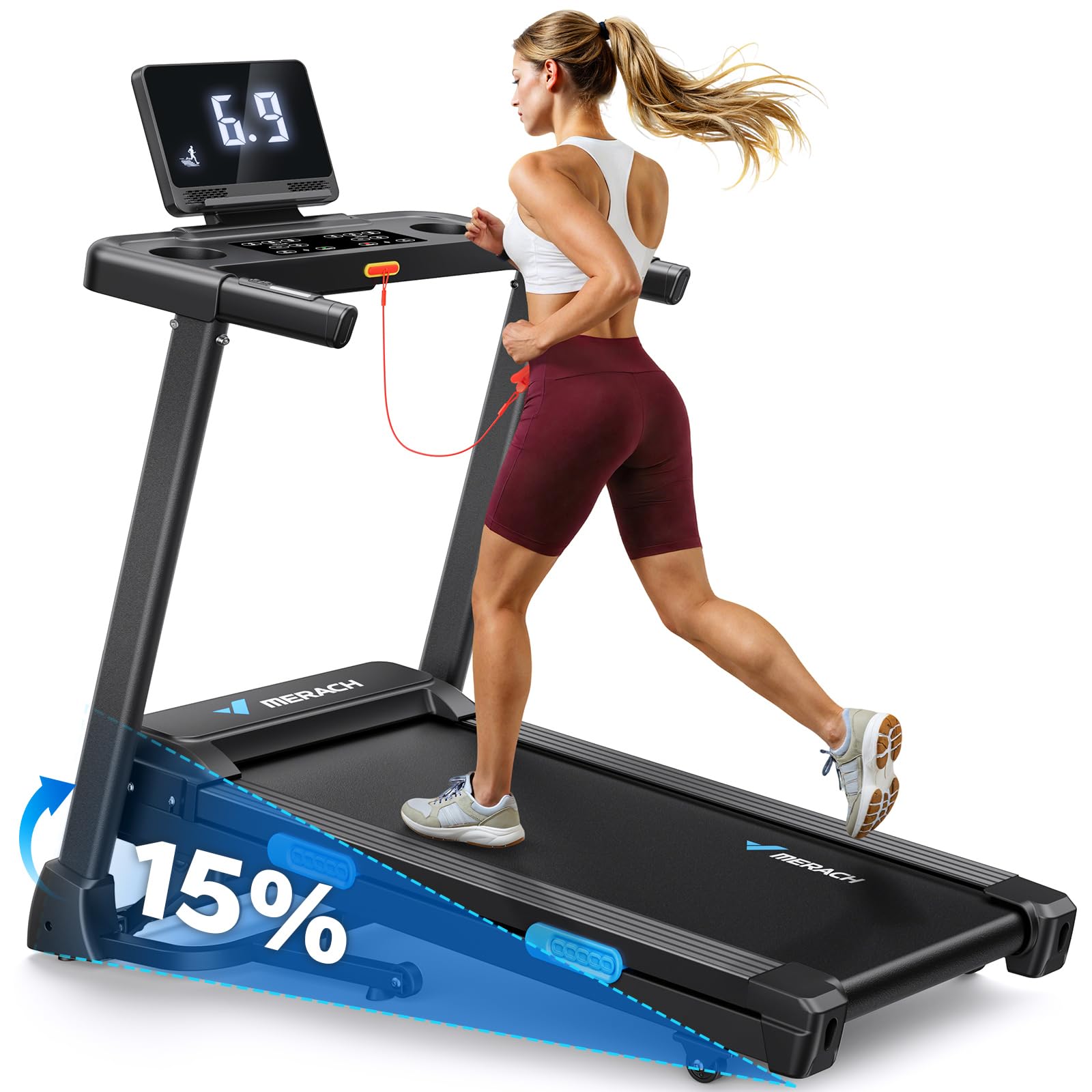
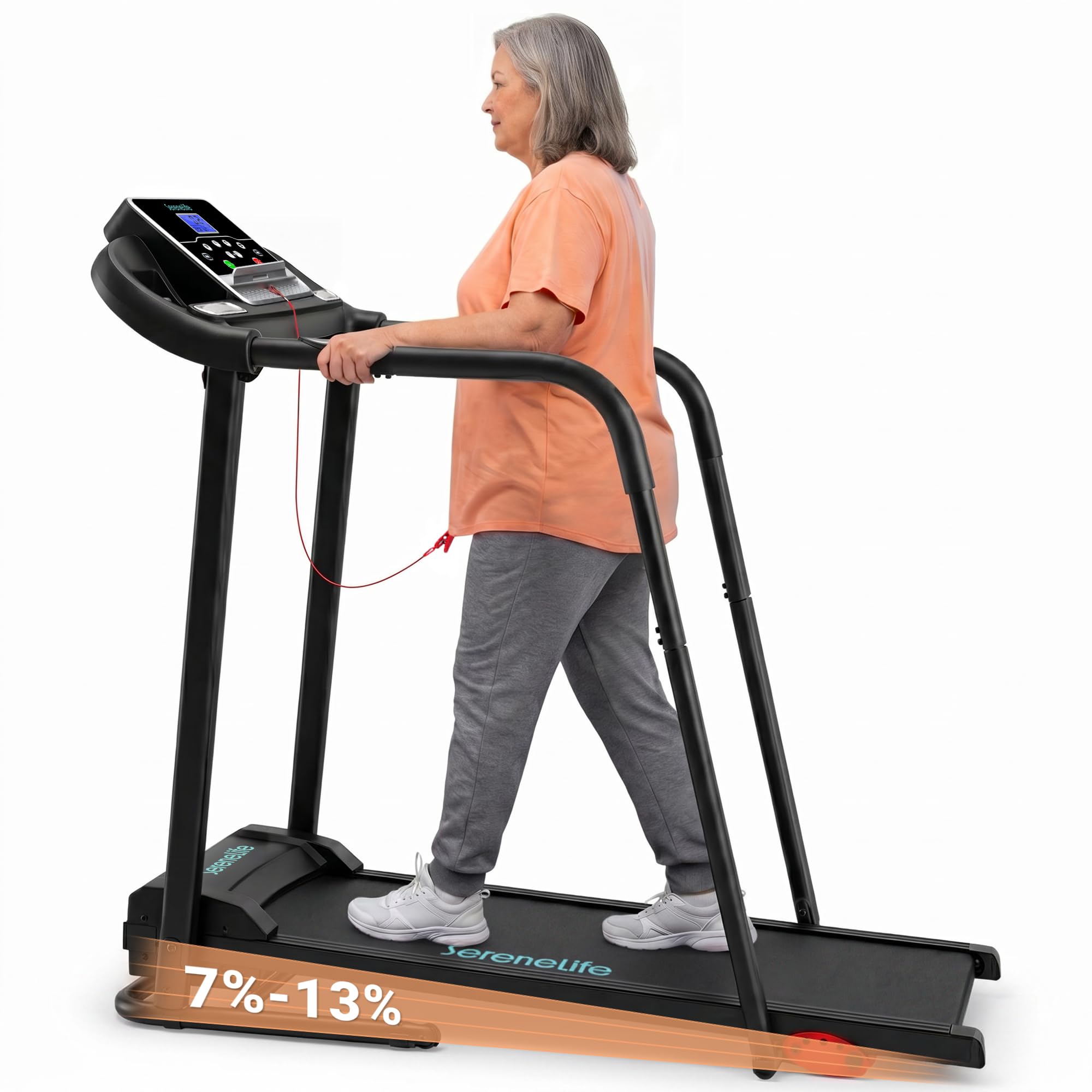
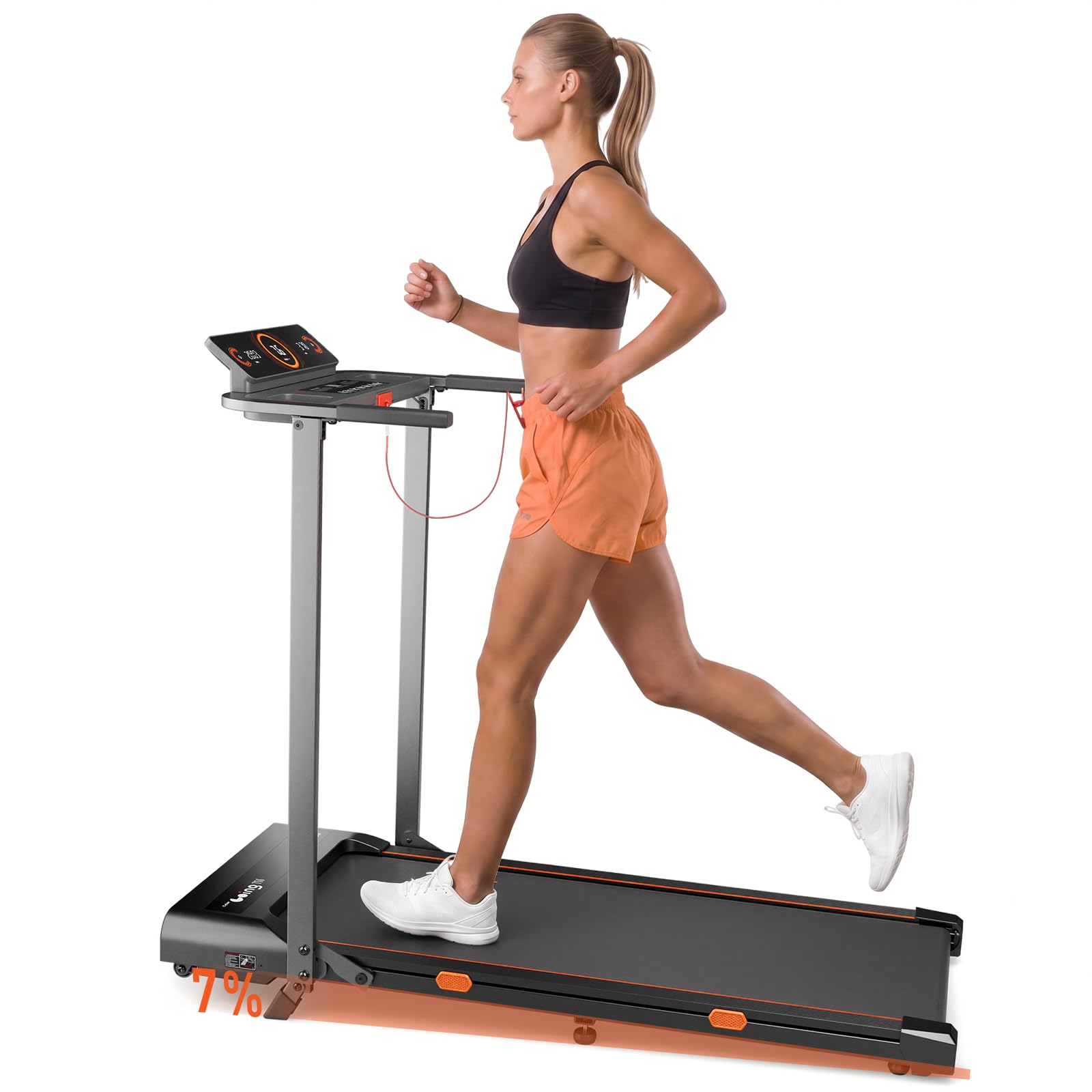
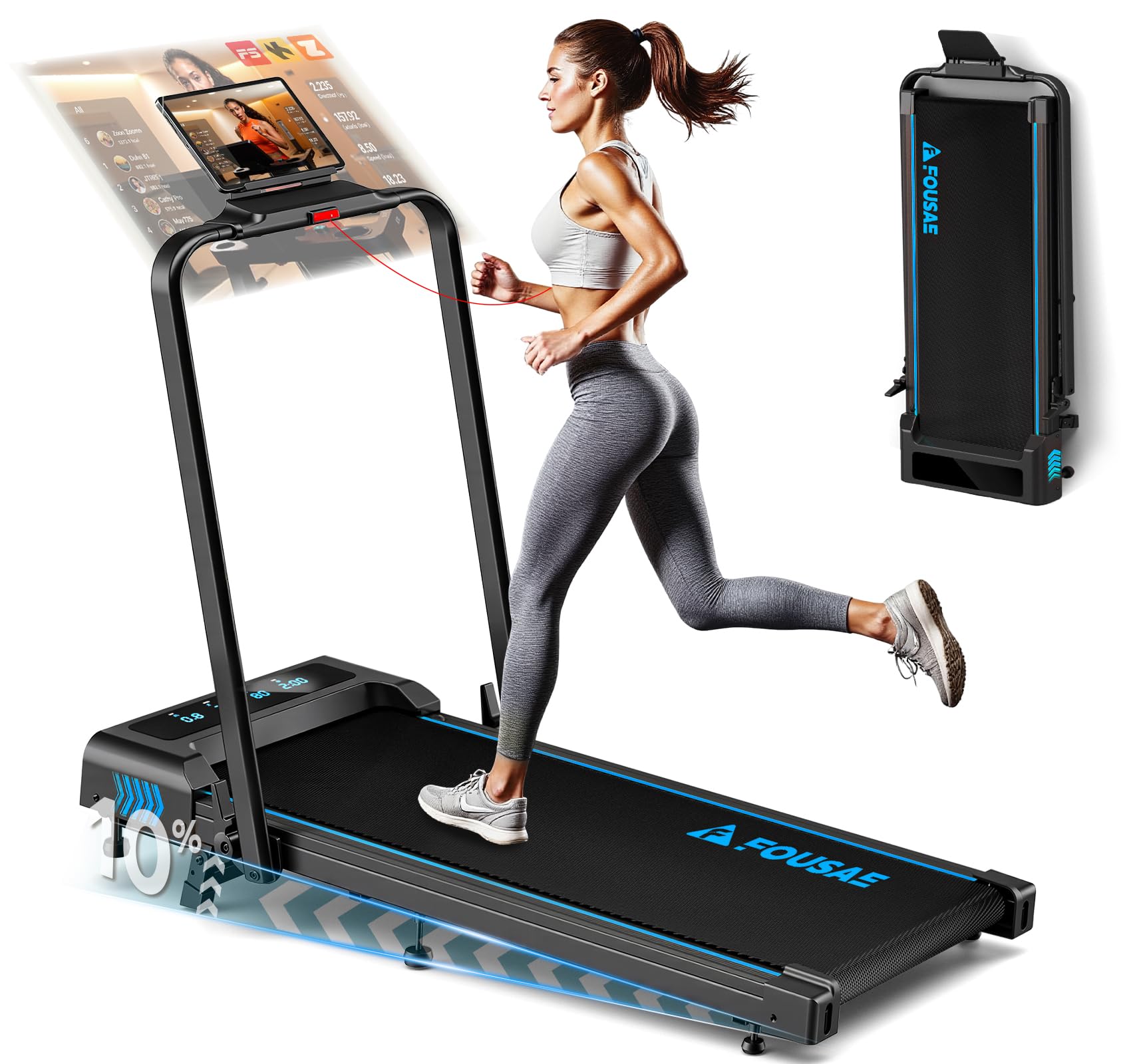
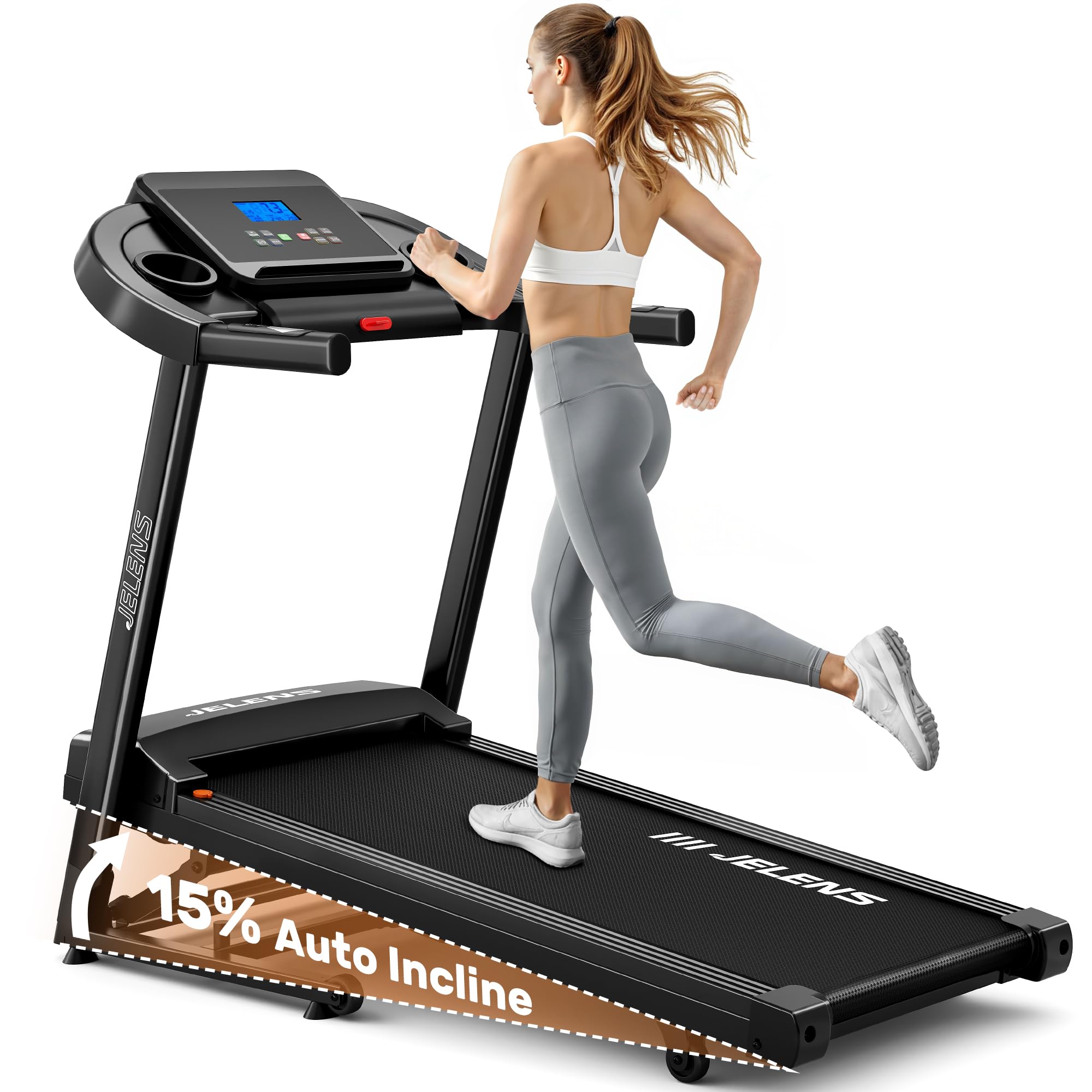
The belt governs who a home treadmill can serve, because it sets the room your feet have at every stride. A walking belt is about 16 to 18 inches wide, which is enough for a steady walking pace where your feet land close to the center line. Running needs a belt of about 20 inches wide by 55 to 60 inches long, since a longer stride and natural side drift demand the extra space. If a budget model lists a shorter belt, read it honestly as a walking machine, whatever the top speed on the box suggests, and compare belt figures carefully in the product table above.
Motor Rating and Duty Hours
Read the motor as a duty rating rather than a power headline. An affordable home motor is built for about 1 to 3 hours of use a day by one household, and most in this class are rated around 2.0 to 3.0 horsepower, which covers walking and moderate running for most adults. A commercial class motor is built for long hours across many users every day, and that heavier class is what our guide to best commercial treadmills for home use covers for households that want gym grade endurance. A motor run near its limit daily will wear its brushes and belt faster, so heavier or more frequent use argues for the stronger end of the budget range.
Space, Footprint, and Ceiling Height
Measure the room before ordering, including the ceiling. A safe ceiling height is your own height plus the deck height of about 6 inches plus several inches of bounce and headroom, and low basement ceilings fail this test more often than buyers expect. Folding decks lift to free floor space between sessions, and the smallest footprints in this class are compared in our guide to best compact treadmills for home use. Leave open floor behind the machine as well, never a wall or furniture edge.
What a Budget Price Realistically Buys
Starter treadmills sell for about $300 to $600, while stronger home models with longer belts run about $600 to $1,000, and the best affordable treadmills for home use sit in that second band for most households. At these prices, makers trim the console screen, the program library, and cosmetic trim first, which is the right order of cuts. What should never be trimmed is belt size or motor duty, so treat a large screen paired with a short belt as a warning sign rather than a deal.
Console, Programs, and App Connectivity
A good budget console shows speed, distance, time, and heart rate from grip sensors, with a handful of built in programs that vary speed and incline on a preset pattern. Bluetooth pairing lets the machine send session data to a phone app, which is useful for keeping a simple log without a subscription. A treadmill console is a simple exercise display, not a desk computer: our guide to best affordable laptops for home use covers desk computers for a home office, a different purchase entirely. Likewise, best affordable printers for home use are desk devices for documents and play no part in a treadmill setup.
Warranty and Assembly
Read the warranty in its three parts: frame, parts, and labor. A budget machine with a frame warranty of ten years or more and at least one year of parts cover is a reasonable baseline, while a ninety day parts limit is a red flag. Assembly usually means attaching the uprights and console to a deck that arrives mostly built, a two person job of about 30 to 60 minutes. Transport wheels matter more than buyers expect, because even a folding treadmill is heavy to drag across carpet.
Types of Treadmills at This Price
Three designs cover the affordable end of the market, and they suit different homes. One neighbouring machine deserves a clear boundary first: best affordable elliptical for home use describes a sibling machine class with pedals and an oval stride path, not a moving belt, so its sizing rules do not transfer to treadmills.
Smart Connected Models
Connected models pair the console with an app for session logs, guided programs, and progress history, usually without requiring a paid plan for basic tracking. They suit readers who stay motivated by records and streaks. The trade off is dependence on the app: check that the treadmill still runs fully from its own console if the app is discontinued or the phone is elsewhere.
Compact and Folding Models
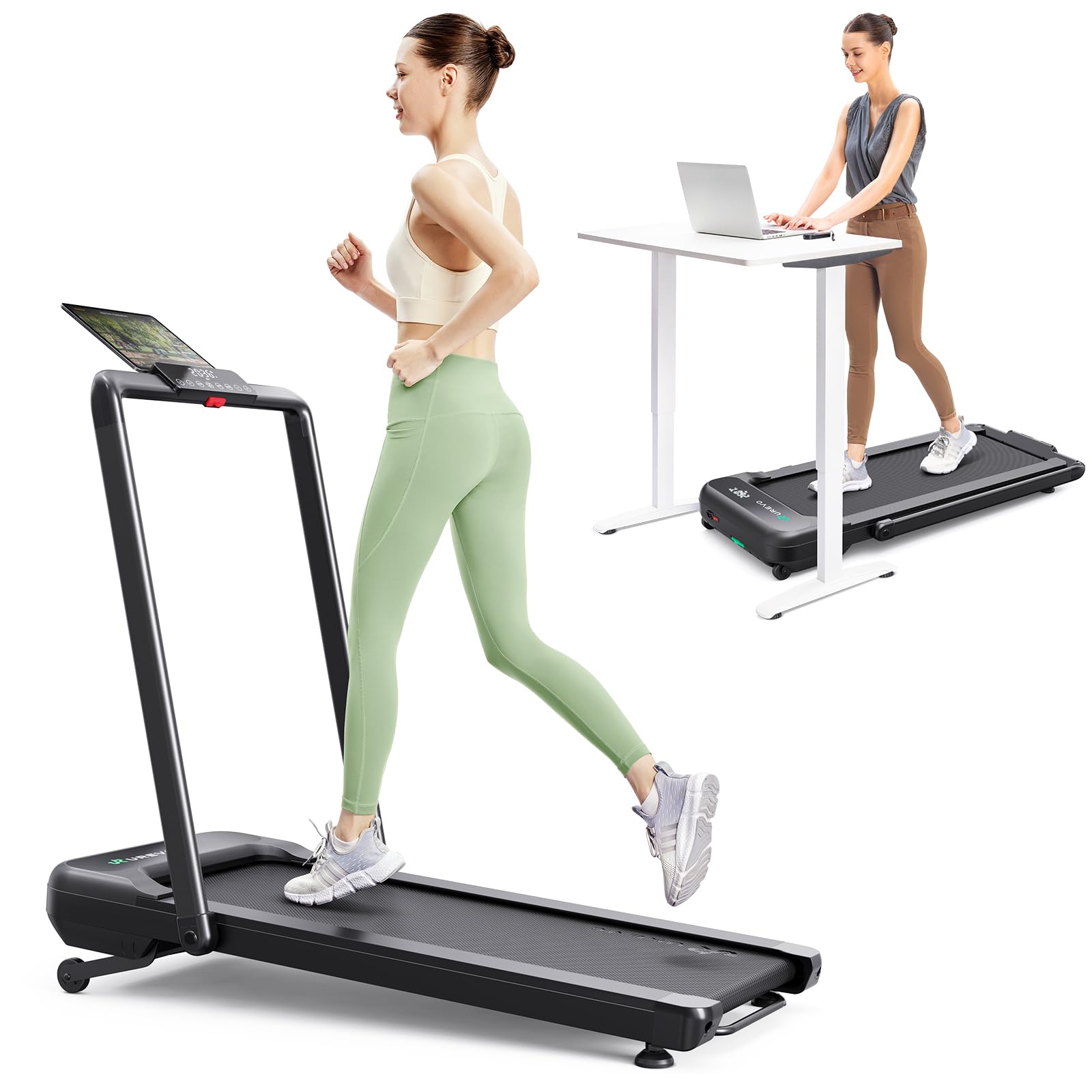
Folding models lift the deck to stand against a wall, and the slimmest designs slide under a bed, which makes them the default choice for apartments and shared rooms. Their belts run shorter and their motors lighter, so they are walking machines first and foremost. Wheels and a soft drop deck, which lowers slowly on its own, are worth more here than extra programs.
Budget Starter Models
Starter models strip the machine to essentials: a modest motor or, at the very lowest prices, a manual belt you move with your own steps. A manual model has no motor to fail and stays quiet and light, but it suits walking only and can feel uneven at first. For a first machine in a spare corner, this class keeps the cost of finding out whether home exercise suits you as low as possible.
Care and Maintenance Tips
- Place a dense mat under the machine to protect the floor, catch belt lubricant, and reduce the noise passed into the room below.
- Wipe the belt, side rails, and console after sessions, since sweat dripped onto the deck edge corrodes metal and gums up the belt surface.
- Check belt tracking and tension about once a month, adjusting in small turns so the belt runs centered without slipping under your steps.
- Apply belt lubricant under the belt as the manual directs, usually a few times a year, to cut friction and motor strain.
- Store the safety key away from children, keep about 6 feet of clear floor behind the belt, and unplug the machine before any adjustment.
Treadmills: Your Questions Answered
How long does an affordable home treadmill last?
A cared for home treadmill typically lasts about seven to ten years, with the belt and deck wearing first. Lifespan is really measured in hours of use, so a machine used daily reaches its limit sooner than one used twice a week. The earliest wear signs are a belt that slips even after tensioning and a deck that feels springy or rough underfoot, and replacing a belt is far cheaper than replacing the whole machine.
How much space does a treadmill need in a spare room?
Plan for the machine's full footprint plus working room: roughly its length and width, plus the clear safety zone behind the belt and enough side space to step off comfortably. A point buyers forget is the delivery path, since hallways, stairs, and door turns decide whether the boxed machine reaches the room at all. Measure those turns before ordering, especially in older homes with narrow staircases.
Is a subscription required to use a budget treadmill?
No, a subscription is not required on most budget models, and the machine should always work in a manual mode where you set speed and incline yourself. Paid plans, where offered, add guided sessions and extra program libraries on top of that basic function. Before buying, confirm in the product details that manual mode is fully available without an account, so a lapsed plan never leaves you with a machine that will not start.
Is a treadmill quiet enough for an apartment?
The motor itself is usually quiet; most of the noise neighbours hear is footfall transmitted through the floor, which is strongest at running pace. A dense mat, carpet underneath, and walking rather than running in the early morning keep the impact modest in most buildings. Downstairs neighbours are the real test, so if your building has thin floors, tell them your usual exercise times as a courtesy before a complaint does it for you.
Which treadmill type suits a complete beginner?
A budget starter model with a simple console, a clear stop button, and a safety key suits a complete beginner best, because there is little to configure and nothing to subscribe to. Choose the belt size for walking honestly, even if you hope to run later, and upgrade the machine when your habit is proven. A beginner who has any health concern should also follow the advice given earlier in this guide and check with a clinician first.
Final Thoughts
Choose the belt for the longest stride in your household, read the motor as a duty rating for your daily hours, and measure your room and ceiling before the box arrives. Screens and program counts can be modest without hurting the machine, but belt and motor cuts cannot be undone later. Compare your finalists in the product table above, and the best affordable treadmills for home use will be the machines whose hardware fits your body, your space, and your routine.