
Best Commercial Elliptical for Home Use: Buying Guide for 2026
Disclosure: We may earn a commission when you buy through links on this page, at no extra cost to you. As an Amazon Associate I earn from qualifying purchases. Learn more

Learn how to choose the best commercial elliptical for home use: stride, flywheel, frame, footprint, floor and ceiling checks, and what to skip.
A commercial elliptical looks like the machines in a hotel gym: heavier, steadier, and built for strangers to use every day. Bringing one into a house means more floor space, a delivery plan, and a bigger budget, but it also means a stride that does not rock and a frame that does not creak. This guide covers how to choose the best commercial elliptical for home use without paying for gym features you will never touch.
Use the comparison table below to see the main models side by side, then read on for the checks that decide whether a heavy machine will fit your room, your body, and your routine.


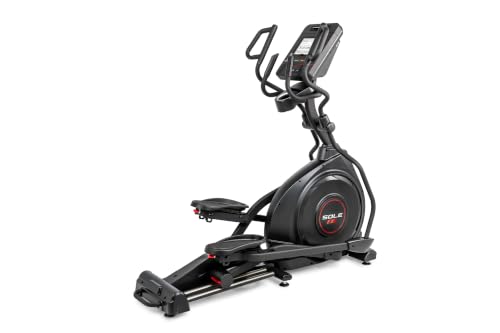

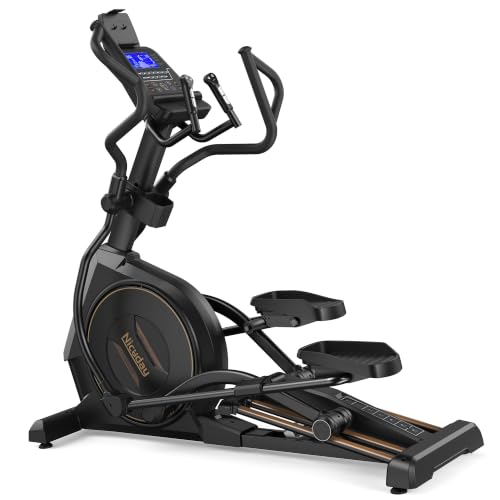

What Commercial Grade Means in a Home Gym
Makers use the word commercial to describe frames, drives, and warranties meant for gyms, studios, and hotels. In practice that means thicker steel, a heavier flywheel, sealed bearings, and parts that are replaced rather than thrown away. A commercial unit also carries a higher weight capacity than most home ellipticals, which matters for tall users and for households where several people share the machine.
The trade is size and price. Commercial machines weigh a lot, often arrive by freight, and cost several times as much as a basic home model. They suit people who exercise on it most days, who have a dedicated room or corner, and who want the machine to last through years of use.
Who Should Buy a Commercial Elliptical for Home Use
Daily Exercisers and Shared Households
If two or three people use the machine on most days, a heavier frame and a wider range of stride settings pay for themselves. Look for an adjustable stride, a clear console, and pedals that suit different foot sizes. Shared machines wear faster, so favor models with long parts warranties.
Taller and Heavier Users
A short stride feels cramped for tall people, and a light frame can flex under a heavier user. Commercial models tend to offer longer strides and higher weight ratings, so check both numbers on the listing and leave a margin above your own weight. A stable, wide base gives more confidence than extra programs do.
Home Gym Builders With a Dedicated Room
If you are fitting out a spare room or garage, a commercial machine anchors the space. You can place it once and leave it, which removes the usual tradeoff of folding and storing. Plan power for the console and check the floor, since these machines are heavy.
Key Features to Compare
Choosing the best commercial elliptical for home use comes down to five physical features and one practical one. Check each against the product table above before you decide.
Stride Length and Adjustability
Stride length is the distance your foot travels in one cycle, and it shapes how natural the motion feels. Smaller users are often comfortable with a shorter stride, while taller users usually want 20 inches or more. Some commercial models let you change the stride in steps, which helps if you share the machine with people of different heights.
Flywheel, Drive, and Smoothness
A heavier flywheel and a well built drive give a steadier, quieter feel because they smooth out the push and pull of your legs. Magnetic resistance is the common choice because it is quiet and needs little upkeep. Front drive and rear drive layouts feel slightly different, so try to confirm which one a model uses if you have a strong preference.
Frame Strength and Weight Capacity
The frame decides whether the machine stays solid at high effort. Look for a steel or heavy alloy frame, a stated weight capacity well above your needs, and sturdy pedal arms. Weight capacities in this class commonly run from about 300 to 400 pounds, and the listing for each model states its own figure.
Resistance Levels and Power Incline
More resistance levels give finer control, while a power incline shifts the work toward different leg muscles without stopping. Both are nice to have, but neither matters as much as a smooth, quiet feel at the levels you will actually use. If you are on a budget, spend on frame and flywheel first.
Console, Connectivity, and Warranty
A clear display with time, distance, and heart rate is enough for many people. Some models connect to fitness apps or hold a tablet, which helps if you like guided workouts. Read the warranty terms for frame, parts, and in home labor separately, and confirm whether home use or commercial use is covered under each.
Space, Delivery, and Floor Checks
Measure the floor area, then add clearance in front and behind for stepping on and off. Check the ceiling height as well, since your head rises as the pedals lift. A commercial elliptical can weigh well over 200 pounds, so measure the doorways, stairs, and turns on the delivery path before you order, and check whether delivery includes carrying the machine inside.
The floor matters too. A rubber mat spreads the load and reduces noise and vibration, and a level surface keeps the frame from rocking. If the machine will sit on an upper floor, check what the floor can safely carry and where the weight will concentrate.
Types of Commercial Ellipticals for Home Use
Compact Commercial Models
Compact commercial models keep a heavy frame and a long stride but shorten the footprint, which suits a bedroom or a small gym corner. They suit one or two regular users who care about space. Expect a smaller console and fewer extras than on a full gym unit.
Full Size Gym Models
Full size models carry the longest strides, the highest weight ratings, and the best parts warranties, along with the largest footprint. They suit a dedicated exercise room and households that treat the machine as long term equipment.
Incline Models for Variety
Incline models add a motor that changes the ramp angle during your workout, so you can shift the muscle emphasis and keep sessions interesting. They cost more and add a part that can wear, so they suit people who want variety and will use it. For a lighter comparison, see our guide to the best elliptical trainer for home use.
Common Buying Mistakes
- Choosing by console features and ignoring stride length, which is the part you feel every second of a workout.
- Skipping the delivery path check, which can leave a heavy machine in the driveway.
- Ordering without confirming ceiling clearance, so your head hits the ceiling at the top of the stride.
- Buying a commercial machine for occasional use, when a lighter home model would serve you just as well.
- Ignoring the warranty split between frame, parts, and labor, which decides who pays when something fails.
Care and Maintenance
Wipe the machine down after each workout so sweat does not reach the console or the moving parts. Check bolts and pedal arms every month, and keep the track and rollers clean according to the maker guide. A level mat helps the frame stay stable and protects the floor beneath. Stop using the machine and contact the maker if you hear grinding, feel wobble, or notice cracked parts.
Listen to your body as well. Stop and seek care if you feel chest pain, dizziness, or sharp joint pain, and talk with a clinician before starting a new exercise routine if you have a heart condition or joint problem.
Frequently Asked Questions
Is a commercial elliptical too big for a home?
Not always, but it needs real planning. Many commercial models take about as much floor space as a large exercise bike plus room to step on and off, and some compact versions are noticeably smaller. Measure the floor and the ceiling, and confirm the delivery path before you order. If space is tight, choose a compact commercial model over a full size gym machine.
What stride length should I choose?
Choose the stride that feels natural at your height. Taller users usually do better with 20 inches or more, while shorter users can be comfortable with less. An adjustable stride is a good option if different people use the machine. If you can, check how the stride is described on the listing and compare it with machines you have used before.
How much does a commercial elliptical cost?
The models in the table above are listed at roughly $1,800 to $3,000, which is well above basic home models. The price buys a heavier frame, a stronger drive, and longer parts warranties. Add delivery and a floor mat to the budget, since freight and assembly can add cost.
Do commercial ellipticals need special power?
Most plug into a standard household outlet for the console and any power incline, but check the manual for each model. Keep the cord clear of the moving parts and avoid long extension cords. If your console needs a battery or adapter, confirm that too.
Can I use a commercial elliptical every day?
That is what the heavier frame and drive are built for, but how often you exercise should match your fitness and your clinician advice. Build up gradually, vary the resistance, and keep up with cleaning and bolt checks. Heavy daily use is one reason to favor a long parts warranty.
Final Thoughts
Start with stride, frame strength, and the space you can give the machine, then weigh console extras and incline last. Check the delivery path and ceiling height before you order, and compare your shortlist in the product table above. The best commercial elliptical for home use is the one that fits your room, suits your height, and keeps feeling solid through years of regular workouts.


