
Best Compact Treadmills for Home Use at Every Price: What Your Money Really Gets You for 2026
Disclosure: We may earn a commission when you buy through links on this page, at no extra cost to you. As an Amazon Associate I earn from qualifying purchases. Learn more

Compare compact treadmills for home use by budget, belt size, motor power and folding design, and learn which upgrades are really worth paying for.
Prices for compact treadmills stretch from a few hundred dollars to well over a thousand, and listings rarely explain what the extra money changes. This guide to the best compact treadmills for home use breaks spending into clear tiers, so you can see which upgrades matter for your room, your pace and your routine.
You will learn how belt size, motor power, folding design and weight capacity should drive your choice. Start with the comparison table below, then match a tier to the way you plan to walk or jog at home.



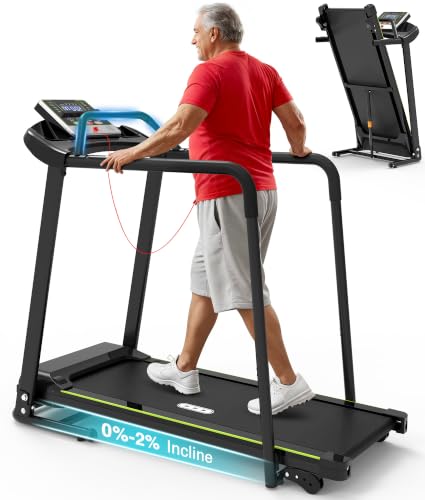
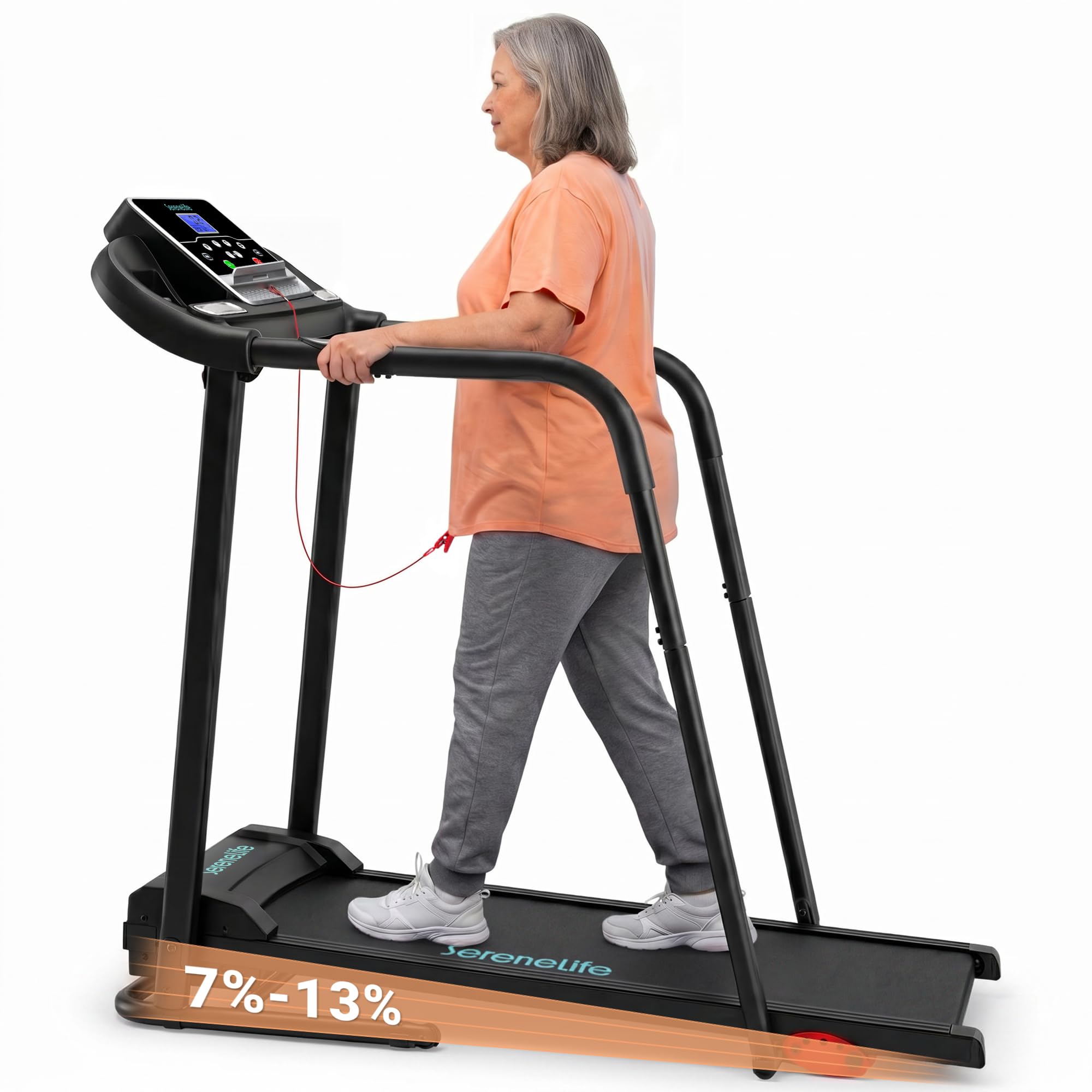
Who Should Buy a Compact Treadmill for Home Use?
Apartment Walkers Who Need Quiet, Small Footprint Exercise
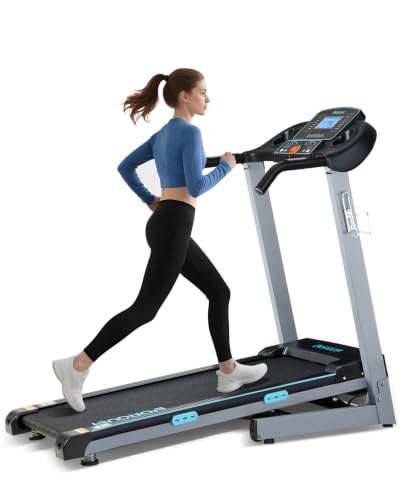
If your workout space is a living room corner in an apartment, your priorities are a short deck, a frame that folds up out of the way, and a motor that hums rather than thuds. Walking speeds place modest demand on the motor, so an entry tier model can suit you well. Plan on a thick mat under the deck to soften footfall for the neighbors below you.
Home Workers Who Want to Walk Slowly While They Work
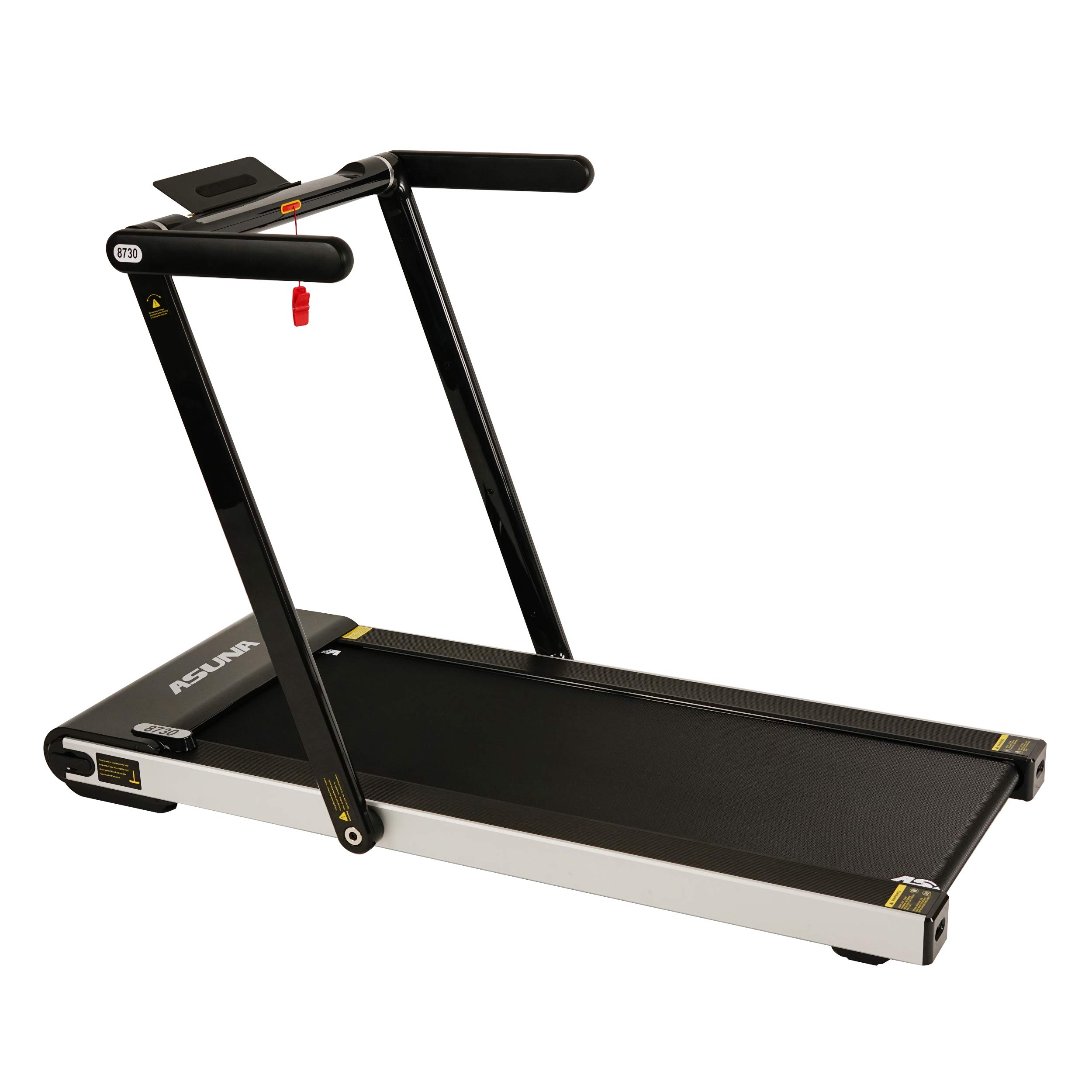
If you plan to walk at a desk, look for a flat deck with no tall console in front of you, a low starting speed, and a remote control you can reach without breaking stride. These walking pads trade top speed and incline for a slim profile that slides under a sofa or bed. Your desk height matters too, since the deck adds about 4 to 6 inches under your feet.
Small Space Joggers Who Still Want Room to Run
If you jog several times a week in a spare room or garage, a compact label alone is not enough. You need a longer belt, a stronger motor and a frame that stays steady at speed, which usually means the middle or upper tier. Folding still helps you reclaim the room, but expect a heavier unit. If running is your main goal, see our guide to the best running treadmills home use for decks built around higher mileage.
Key Features to Compare on Compact Treadmills
Belt Size and Stride Length for Your Height
The belt is where compact models compromise most, so check its width and length before anything else. Walking belts are often about 16 to 17 inches wide and 40 to 45 inches long, which suits most walkers. Jogging feels safer on belts closer to 20 inches wide and 50 to 55 inches long, because your stride lengthens as you speed up. Taller users over about 6 feet should favor length, since a short belt forces a choppy stride.
Motor Power for Walking, Jogging and Running
Motor power, listed in horsepower, decides how hard the belt works to hold your speed under your weight. Around 2.0 to 2.5 horsepower handles steady walking for most adults. Regular jogging is happier around 2.5 to 3.0 horsepower, and frequent running or heavier users should look toward 3.0 horsepower and above. A motor that strains at your normal pace runs hot and can make the belt hesitate with each foot strike.
Folding Design, Stored Size and Moving the Treadmill
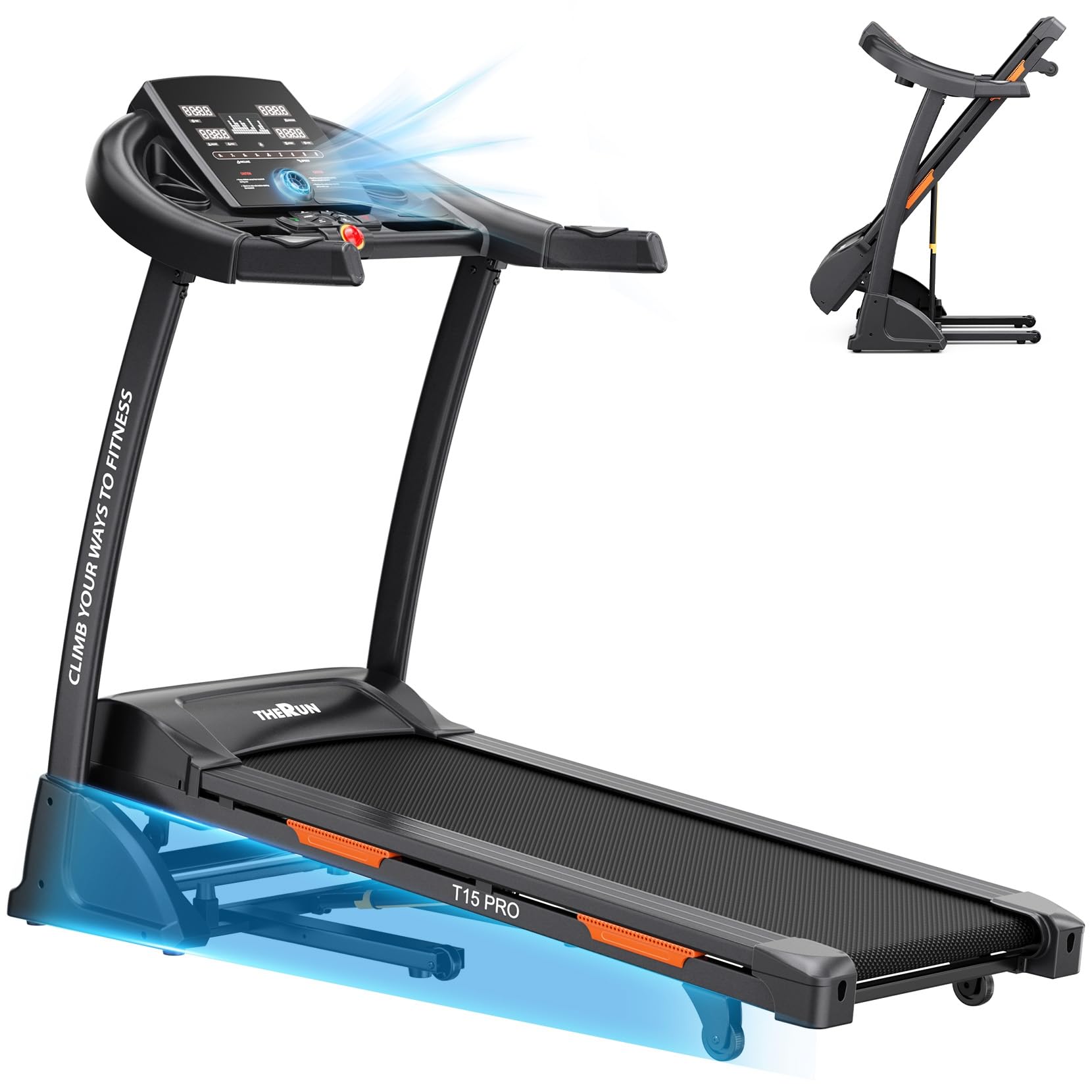
A folding deck only saves space if you will actually fold it, so look at the stored size and the lifting effort, not just the open footprint. Gas assisted decks lift with one hand and lower slowly, while basic decks can feel heavy. Transport wheels help you roll the unit into a corner. Check the folded height against your storage spot, since some decks stand about 50 to 60 inches tall once raised.
Weight Capacity and Steel Frame Build Quality
The stated weight capacity tells you how much load the frame, deck and motor are built to carry, and a steel frame with a wider margin feels steadier. Choose a capacity at least 30 to 50 pounds above your body weight, because impact forces at jogging speeds exceed your standing weight. Thin decks flex and creak, and that flex shortens belt life. Shoppers who need extra margin may prefer the sturdier builds covered in our guide to the best commercial treadmills for home use.
Incline, Cushioning and Joint Comfort at Home
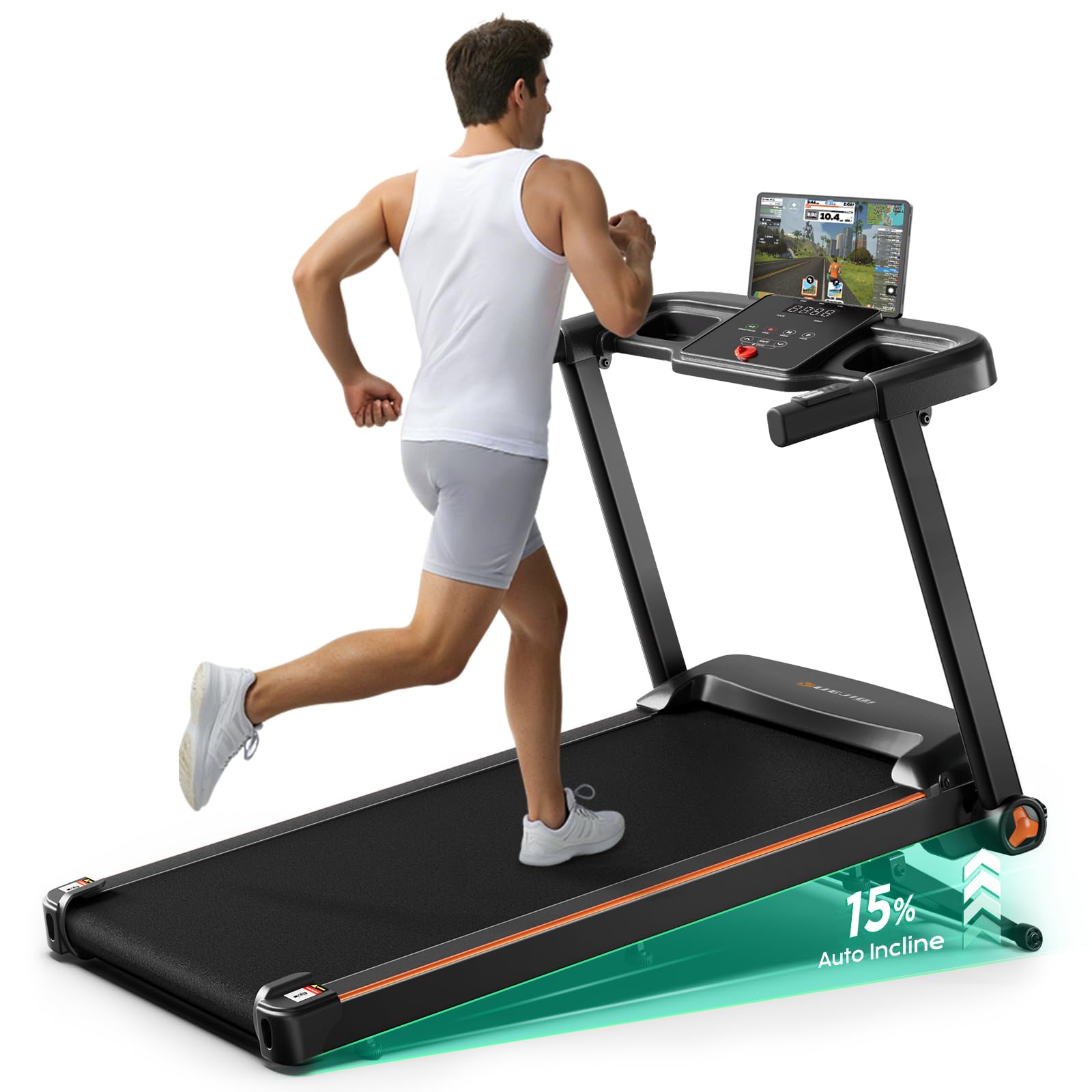
Incline lets you raise effort without raising speed, which is valuable when a short belt limits how fast you can safely move. Manual incline offers two or three fixed angles, while motorized incline adjusts mid workout and appears more often in higher tiers. Cushioning softens impact compared with outdoor pavement. Stop exercising and seek medical help for chest pain, severe breathlessness or faintness, and talk with your clinician about personal needs before starting a new routine if you have a heart, joint or balance condition.
Treadmill Price Tiers: Motor Strength, Belt Length and Folding Ease
Spending more on the best compact treadmills for home use mainly buys a stronger motor, a longer belt and easier folding, not a longer list of screen features. If your budget is the hard limit, see our guide to the best affordable treadmills for home use after you read the trade offs below.
Entry Tier: Walking First, About $300 to $600
At this level you get a walking focused machine with a shorter belt, a motor near 2.0 to 2.5 horsepower, manual or no incline, and a basic display. Frames are lighter, which makes storage easy but limits jogging. This tier suits daily walkers and desk walking.
Middle Tier: Room to Jog, About $600 to $1,000
The middle tier adds the upgrades most home users feel every session: a belt long enough for easy jogging, a motor around 2.5 to 3.0 horsepower, motorized incline, and a sturdier frame. Consoles often add Bluetooth here. For households sharing one machine between walking and jogging, this is where money starts buying comfort.
Upper Tier: Runner Grade Parts, About $1,000 to $1,800
Upper tier compact models keep the folding footprint but use stronger motors, wider belts, better cushioning and longer frame and parts warranties. They hold speed more evenly during intervals and feel planted at a run. This tier pays off if you run several days a week or weigh near the limit of cheaper frames.
Common Mistakes to Avoid When Buying a Compact Treadmill
- Measuring only the open footprint and forgetting the folded size, so the raised deck blocks a door or closet you use daily.
- Choosing a belt that is too short for your stride, which forces choppy steps and makes jogging feel unsafe.
- Buying a walking pad for running, so the small motor overheats and the belt hesitates under faster foot strikes.
- Ignoring ceiling height, so your head nearly touches the ceiling once the deck and incline raise you several inches.
- Maxing out the weight capacity with no margin, which makes the frame flex and wears the deck and rollers early.
- Paying for a large screen and app bundle you will never open, while skimping on the motor and belt.
Care and Maintenance for a Compact Treadmill at Home
Most compact treadmill care takes a few minutes a month. Keep the belt centered and tensioned as the manual describes, since a belt that drifts to one side frays at the edge. Apply silicone belt lubricant at the interval the maker specifies, often every 3 to 6 months of regular use, because a dry deck raises friction and strains the motor. Unplug the machine before any adjustment.
Vacuum around the motor cover area to limit dust build up, wipe sweat off the console and rails after sessions, and keep the deck on a mat so grit stays out of the belt path. Check the power cord and safety key for wear. If floor space or impact rules out a treadmill entirely, our guide to the best compact elliptical for home use covers a lower impact alternative for small rooms.
Frequently Asked Questions About Compact Treadmills for Home Use
Which compact treadmill setup is better for beginners walking at home?
A simple walking model with a safety key, clear speed buttons and a handrail is better for beginners than a bare walking pad. Start at a slow pace for short sessions and add a few minutes at a time. Keep the safety key clipped to your clothing so the belt stops fast if you stumble, and leave clear floor on both sides for stepping off.
How long does a compact treadmill for home use usually last?
A compact treadmill used for daily walking often lasts about 5 to 8 years, while frequent running shortens that span. Lifespan depends more on total hours and user weight than on age alone. Warning signs include a belt that slips after correct tensioning, grinding sounds from the rollers, and a motor that smells hot.
Is a compact treadmill quiet enough for an apartment?
Yes, most compact treadmills are quiet enough for an apartment at walking speeds, since the motor is only part of the noise. Your footfall carries through the floor more than the machine hum does. Walk at reasonable hours, keep the deck on a dense mat, and avoid placing the machine against a shared wall.
Is a subscription required to use a compact treadmill at home?
No, a subscription is not required to walk or jog on most compact treadmills, since speed and incline controls work without one. Paid apps add guided classes and virtual routes. Before buying a screen focused model, confirm the basic console still shows speed and distance if you let the membership lapse, because a few designs lock most of the display behind the paid plan.
How much space does a compact treadmill need in a home?
Plan for the open footprint plus about 2 feet of clear space behind the deck and a foot on each side. That rear gap is your safety zone if you lose your footing at speed. Also measure your doorway and any tight hallway turn before ordering, because the boxed unit must reach the room first.
Final Thoughts
Choose by belt size, motor power and folded storage first, and let screens and apps come last. Walkers can save at the entry tier, joggers belong in the middle, and regular runners get real value from upper tier parts. The best compact treadmills for home use are the ones you will use daily, so compare your shortlist against the product table above before you order.


