
Best Commercial Ranges for Home Use: Install Rules, Fuel and Price Bands for 2026
Disclosure: We may earn a commission when you buy through links on this page, at no extra cost to you. As an Amazon Associate I earn from qualifying purchases. Learn more
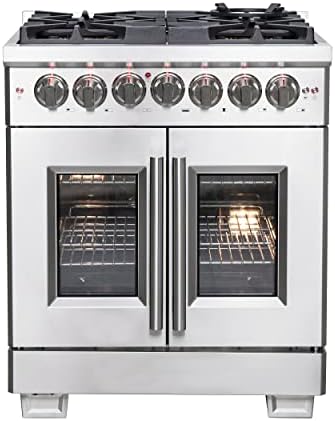
The best commercial ranges for home use are certified for houses, not restaurants. Compare install rules, fuel, width, burner power and price bands.
A commercial range promises restaurant level heat in a home kitchen, but this purchase starts with rules, not burners. True commercial units are built for commercial kitchens, with gas, venting and clearance demands that many houses cannot meet as they stand. For most homes, the best commercial ranges for home use are the commercial style class built and certified for residential kitchens, and this guide explains how to tell the two classes apart.
You will work through the install checks first, then fuel, widths, oven capacity and burner power, and finally the price bands. The comparison table below sets the main classes side by side.


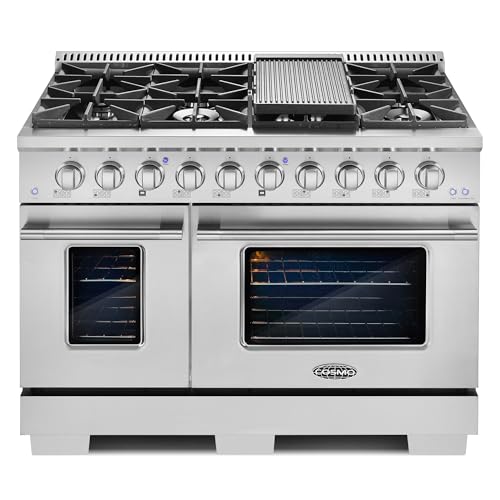
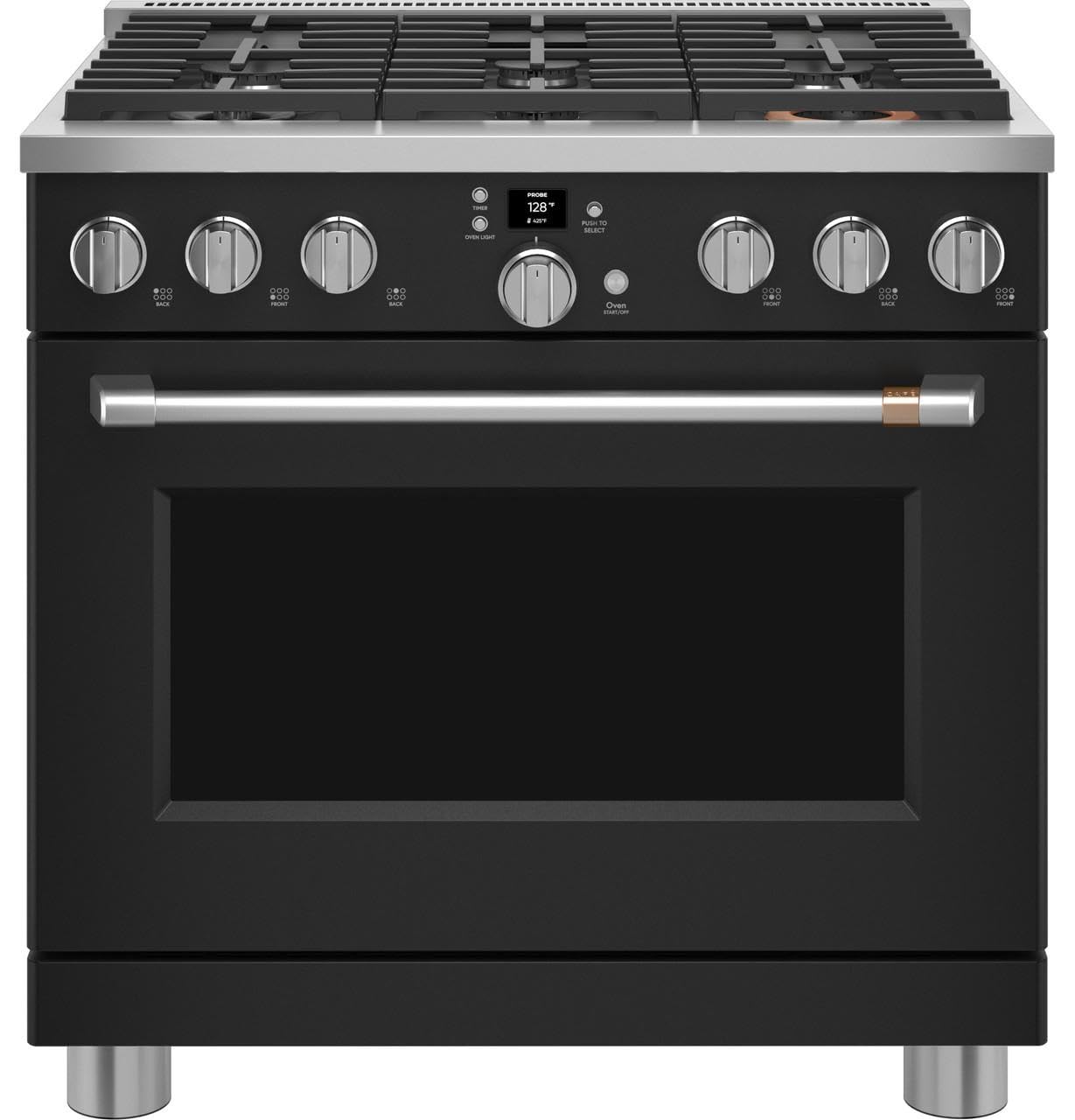

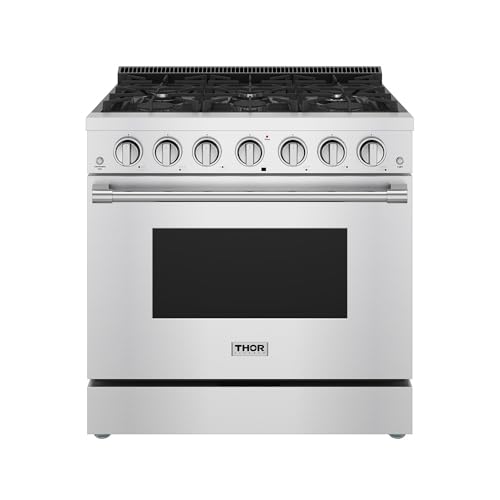
What Your Money Buys: Three Spending Bands
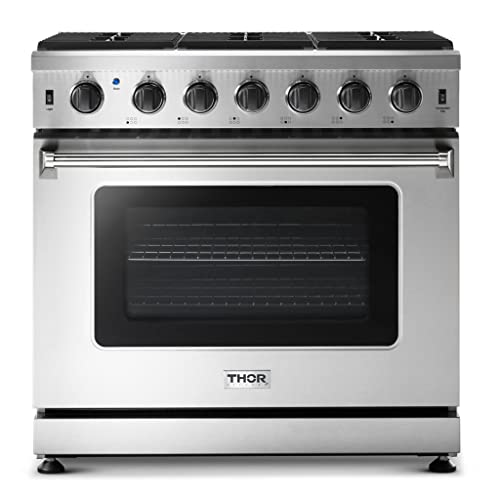
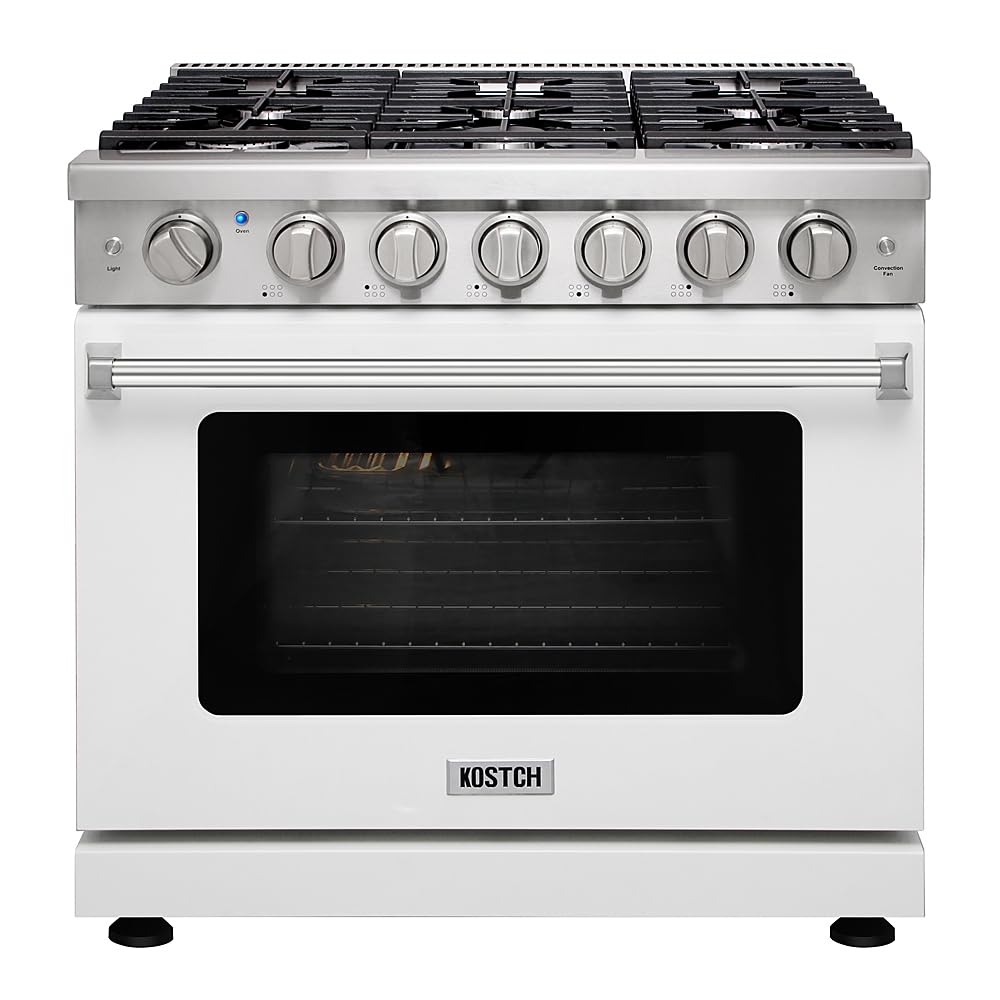
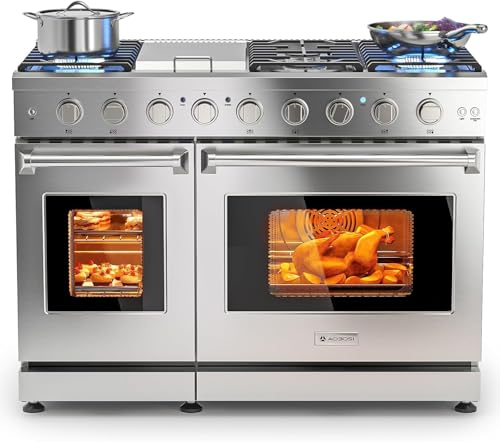
Prices run from near standard range money to small car money, and the bands below describe what each level generally includes. Compare them against the product table above as you read.
About $1,200 to $2,500: The Entry Step
Most 30 inch commercial style ranges live in this band. Expect four or five sealed burners, one convection oven of about 5 cubic feet, and manual knobs rather than touch controls. The gain over a standard range is build: heavier grates, sturdier racks and a more rigid door. You give up width, a second oven and the highest burner output, a fair trade for a smaller kitchen.
About $2,500 to $5,000: The Serious Cook Band
This band buys 36 inch widths, five or six burners, and the first dual fuel models, which pair a gas cooktop with an electric oven. Griddles appear as options, oven capacity grows to about 6 cubic feet, and finishes improve in ways you feel daily, such as smoother glide racks. For a busy family kitchen, this is where added money still buys clear function.
About $5,000 and Up: Width, Doubles, and Finish
Above this line the money buys 48 inch widths, double ovens, and the strongest burner sets in the class. You also pay for finish and quieter doors rather than for cooking ability alone. Buyers here cook for crowds or build a kitchen around the range, and should budget for stronger venting.
How to Choose Commercial Ranges for Home Use
Work through these checks in order when you compare the best commercial ranges for home use, because the early ones can rule a range out completely.
Installation Comes First: Gas Line, Venting, and Clearances
A commercial range in a home is a rules purchase before it is a cooking purchase. Read the gas line size, the venting path and the clearances to cabinets and walls before you compare a single burner, because those checks decide whether the range may be installed at all. The maker installation wording governs: many true commercial units are labeled for commercial kitchens only, carry little wall insulation, and need wider clearances than a home kitchen allows. A licensed installer and your local code office settle borderline cases.
Fuel Type: Gas, Electric, Induction, or Dual Fuel
Gas gives instant flame control and works with every pan, and readers who have settled on gas can narrow the field with our guide to the best commercial gas ranges for home use. Electric and induction ovens heat evenly and wipe clean, and induction answers fastest while keeping the kitchen cooler. Dual fuel pairs a gas cooktop with an electric oven and costs the most to buy and install. Your existing supply often decides, since a new gas line or circuit can cost as much as the step between price bands.
Size and Cutout Dimensions
Width is a kitchen question before it is a cooking question. Measure the cutout, then the path through doors, halls and turns, because a 48 inch range that cannot enter the house is a return, not a purchase. Thirty inch models slide into standard openings; 36 inch models usually need a cabinet removed or resized. Freestanding models forgive rough openings better than slide in models, which overlap counters for a built in look.
Oven Capacity and Convection
Capacity runs from about 4 cubic feet in a 30 inch range to about 6 cubic feet in a 36 inch model, and double ovens split that space into two smaller cavities. True convection, a fan with its own heating element, evens out multi rack baking and shortens roasting time, so look for the third element rather than a fan alone. If you bake on two racks at once, convection matters more than an extra burner.
Burner Power and the Simmer End
The honest gain of this class is burner power: top burners run about 18,000 to 23,000 BTU, against about 12,000 to 15,000 BTU on a standard range, and that gap is real when you sear or boil a large pot. Home cooking rarely uses the top of that range, though, so judge the low end as hard: a simmer burner holding about 500 to 1,000 BTU keeps sauces and rice from scorching. Sealed burners lift off for cleaning; open burners heat slightly faster and ask more work to wipe.
Self Cleaning and Steam Clean
Many commercial style ranges skip the pyrolytic self cleaning cycle found on standard ranges, because the high heat is hard on the heavy insulation and seals this class uses. Steam cleaning loosens light soil with water and moderate heat and suits weekly wiping habits. If a spotless oven matters to you, ask about the cleaning method before you buy, since hand cleaned porcelain is the norm at the top of this class.
Controls and Smart Features
Knobs are the commercial tradition, and they earn it: wet hands and a quick glance both suit a knob better than a touch panel. Touch controls and app links add timers, remote preheat and guided cooking on residential models. None of it changes the food, so settle fuel, size and install questions first.
Types of Commercial Ranges
In kitchens, the word commercial names a build class: heavier frames, bigger burners and sturdier doors than a standard range. Makers also sell this home class under a professional label, covered in our guide to the best professional ranges for home use.
Induction Ranges and Cooktops
Induction heats the pan itself, so it boils fastest, stays cool around the pot and wipes clean in seconds. It needs magnetic cookware and gives no flame feedback, which some cooks miss. It suits small kitchens that cannot vent gas heat well.
Dual Fuel Ranges
Dual fuel pairs gas burners with an electric oven, taking quick flame control on top and even, dry oven heat below. It is the choice of bakers who also sear daily, and it needs both a gas line and a 240 volt circuit, which is why install cost climbs. If you want gas in the oven too, see the simpler shelf in our guide to the best gas ranges for home use.
Portable Induction Cookers
A portable induction cooker is a single or double burner plate that plugs into a standard outlet. It is not a range, but it adds burner space during holidays and lets you try induction cooking before committing to a full range.
Care and Maintenance Tips
Small habits keep a heavy range cooking evenly and looking right.
- Match cookware to the cooktop: flat, heavy pans sit steady on grates and spread heat evenly.
- Wipe glass cooktops only after they cool, since a cold wet cloth on hot glass can mark the surface.
- Clean grates and burner caps monthly so ports stay open and flames burn blue and even.
- Check oven temperature with an oven thermometer once or twice a year and adjust the calibration if it drifts.
- Keep vent hood filters degreased, because a loaded filter cannot clear the smoke a strong burner makes.
Commercial Ranges: Your Questions Answered
What size commercial range do I need for my kitchen?
Start from the opening you have: most home kitchens are built for a 30 inch range, and that size covers daily cooking. Move to 36 inches only if you regularly use five burners or a griddle, and confirm the wider unit fits the delivery path before ordering. Bigger is not better if the range crowds the work triangle or leaves no landing space for hot pans.
Is convection worth paying extra for?
Yes, if you bake or roast on two racks at once, because the fan evens heat that otherwise runs hotter at the top. Set the oven about 25 degrees lower than a standard recipe and expect dishes to finish a little sooner. If you mostly cook single tray meals, plain radiant heat serves you just as well and costs less.
How long does a commercial range last?
A well kept commercial style range commonly serves about 15 to 20 years, since frames, grates and burners are built for harder use than standard models. The parts that fail first are igniters, door seals and electronic controls, so models with simple knobs often outlast feature heavy ones. Ask about parts availability before buying, because a range you cannot repair is a range on a timer.
Do I need a special outlet for an electric range?
Yes. Electric and dual fuel ranges need a dedicated 240 volt circuit, most often about 40 to 50 amps, wired by an electrician. A gas only range usually needs just a standard outlet to power its igniters and clock. If your panel is full or far from the kitchen, get the wiring quote before you order, because that work can rival the gap between models.
Is induction better than gas?
Neither wins outright. Induction boils faster, answers control changes at once and keeps the room cooler, while gas gives visible flame feedback and works with every pan, including round bottom woks. Test your pans with a magnet: if it sticks to the base, the pan works on induction. Choose by the pans you own and the heat you like to watch.
Wrapping Up
Start with the rules: gas line, venting and clearances decide which ranges may enter your kitchen at all. Then choose fuel and width, and only then compare burner power, remembering that the simmer end serves you daily and the top end serves you rarely. Chosen that way, the best commercial ranges for home use stop being a label and become the right tool for your cooking. Use the product table above to line up your finalists before you order.


