
Best Commercial Mowers for Hills: Which Type Is Right for You in 2026?
Disclosure: We may earn a commission when you buy through links on this page, at no extra cost to you. As an Amazon Associate I earn from qualifying purchases. Learn more

Compare push, riding and zero turn types to choose the best commercial mowers for hills, with traction, slope rating and drive explained.
Choosing between mower types is confusing when your properties include slopes, because a machine that feels steady on flat ground can slide, scalp, or tire your crew on a grade. This guide compares the main types of best commercial mowers for hills side by side, so you can match the machine to your slopes and lot sizes. Use the comparison table below first.
A hill changes almost everything about mowing. Traction matters more than raw speed, and wheel placement matters more than deck width. The sections below explain how each type handles slopes.


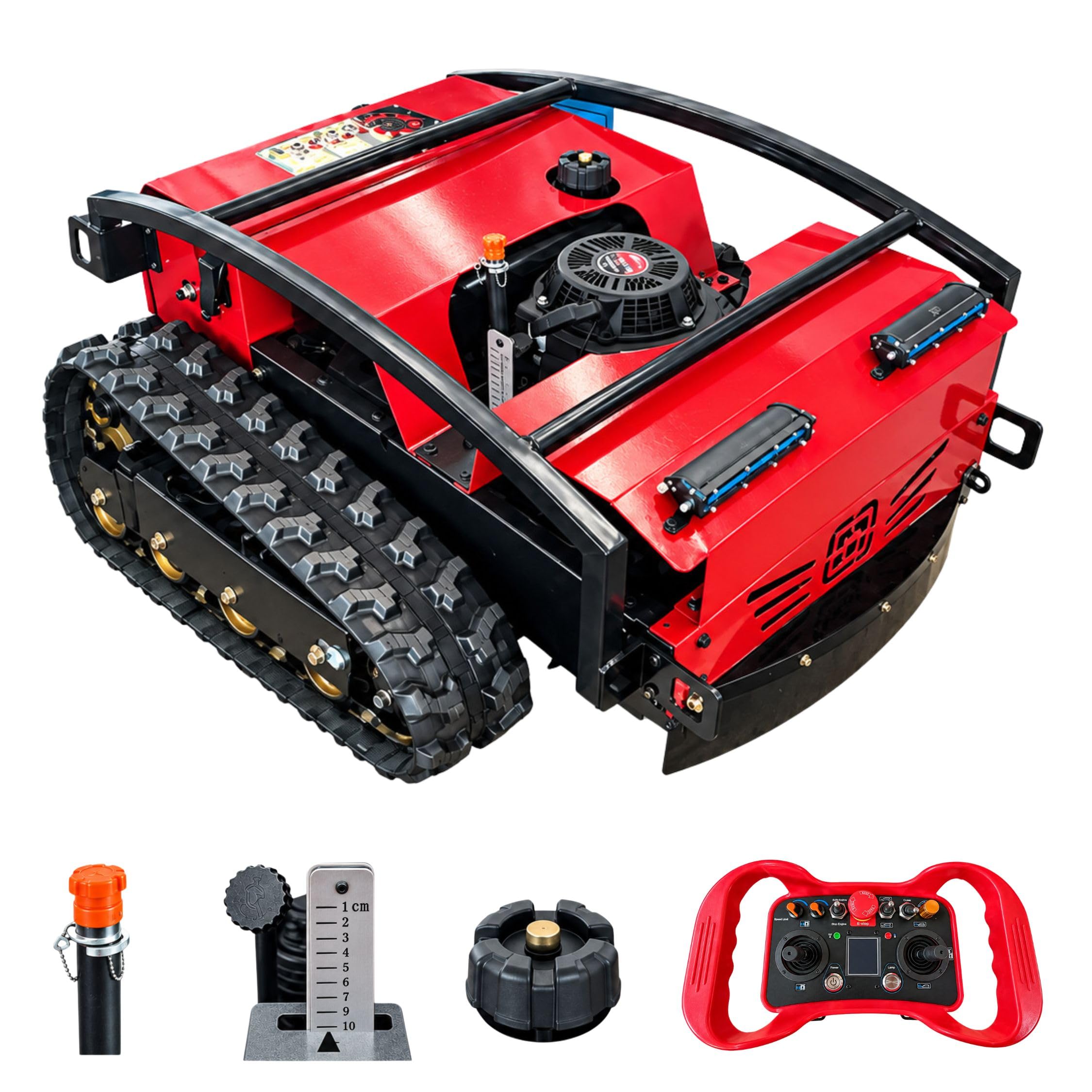
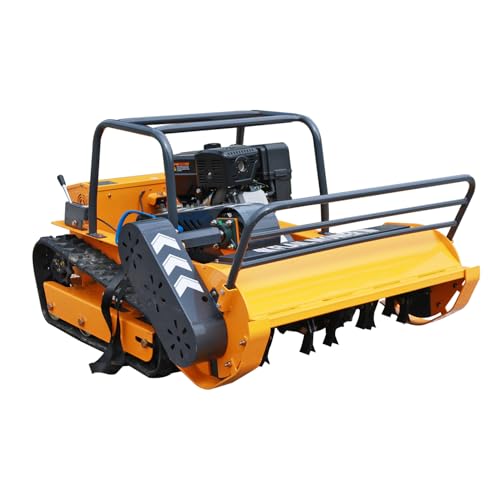

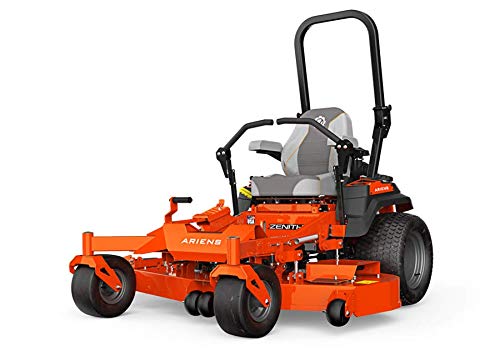
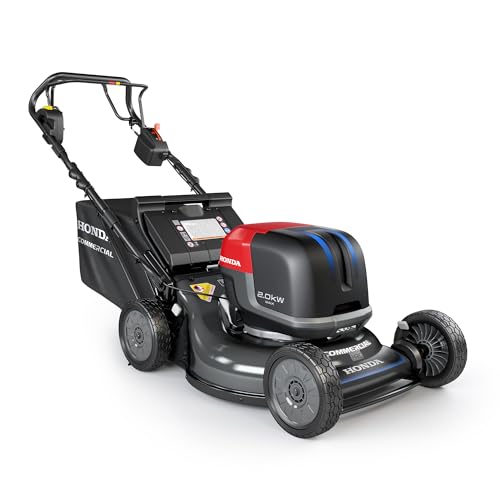

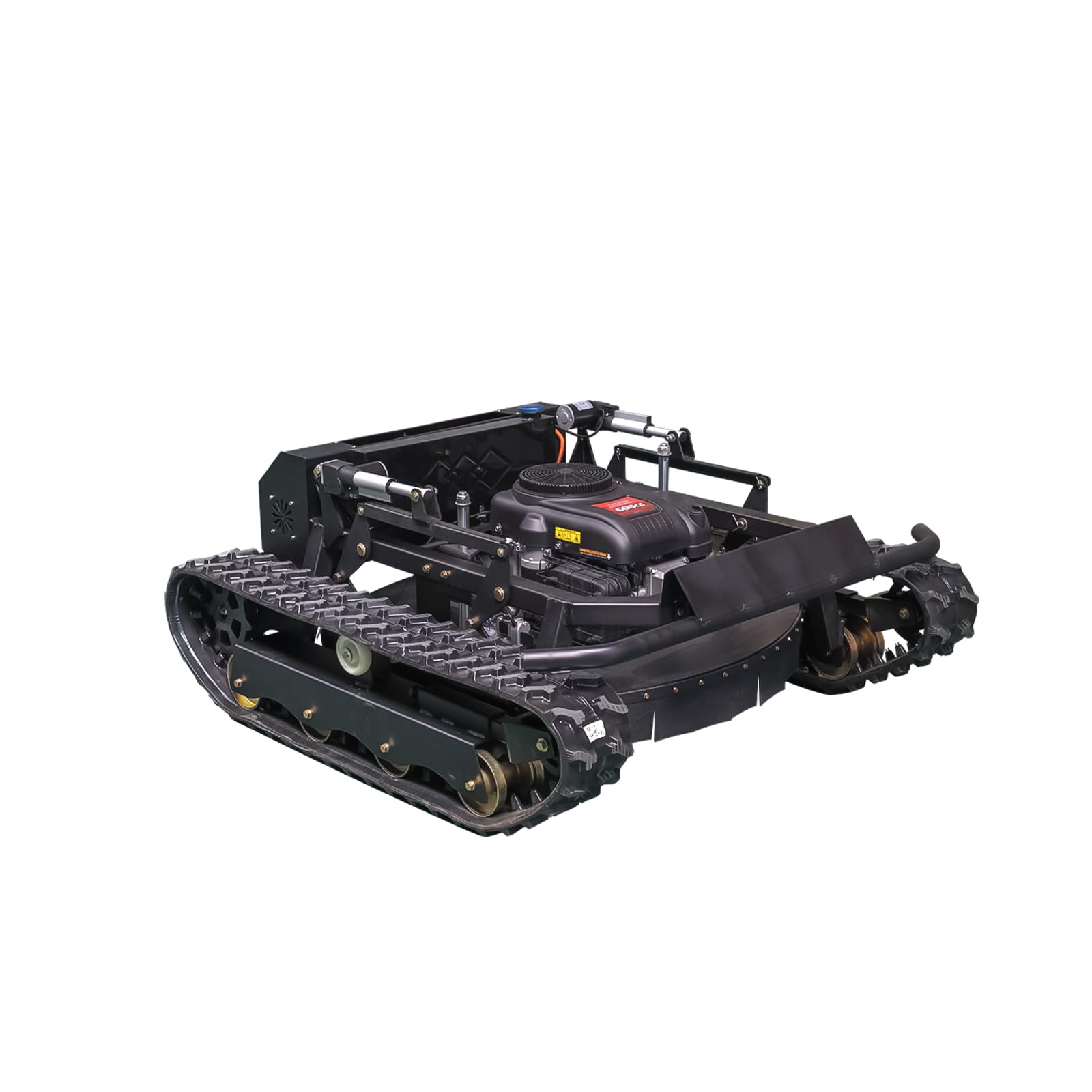
Types of Commercial Mowers Compared
The three main types divide your work by size and slope. Push models cover small or steep patches, riding machines cover steady midsize ground, and zero turn models cover large open areas quickly. Prices start around $900 for push models and rise to about $12000 for large zero turn machines. On flat ground you could simply see our guide to the best commercial mowers.
Push Mowers
A push mower is a walk behind machine with a deck of about 21 to 30 inches. You guide it by hand, and many commercial versions add a self propelled drive that turns the rear wheels so the mower climbs with less effort from you. Because your feet set the pace, this type gives you the most direct control on steep or uneven banks.
The trade off is coverage. A narrow deck and walking speed make push models slow on a full acre, and slope work is hard on legs and shoulders. They suit small lots, gated yards, drainage ditches, and steep edges that larger machines cannot handle safely. For daily work models, see our guide to the best commercial push mowers.
Riding Lawn Mowers and Tractors
Riding lawn mowers and tractors carry you on a seat above a deck of about 42 to 54 inches. A steering wheel and a low seat position make them feel stable and familiar. They cover midsize properties at a steady pace, tow small carts, and spare your crew the fatigue of walking every slope.
Their weakness is turning and traction. A tractor turns in a wide arc, so it wastes time around trees and beds, and its weight can break traction on wet grass when a driven wheel spins. Models with a locking differential and deep tread tires handle grades far better. If a seated machine fits your routes, see our guide to the best commercial riding mowers.
Zero Turn Mowers
A zero turn mower uses two lap bars, each driving one rear wheel through its own hydrostatic drive. Push one bar forward and pull the other back and the machine pivots in place, removing wasted turning at each pass end. Decks run from about 48 to 72 inches, and ground speed on flat ground is the highest of the three types.
That speed comes with a slope warning. Steering and drive both run through the rear wheels, so on a steep grade the front caster wheels can drift downhill and the machine can slide if the rear tires lose grip. Most makers rate zero turn models for gentler slopes than tractors, often around 10 to 15 degrees. Reserve them for large open properties where the banks are mild.
Push Mowers vs Riding Lawn Mowers and Tractors: Which Should You Choose?
Control is the first difference. On foot you feel a slip the moment it starts and you can stop or change direction at once. On a seat you rely on tire grip and brakes, and a sliding machine is harder to correct. For steep or wet ground, the walk behind type is the safer choice, while a rider wins on long even grades.
Coverage and cost point the other way. A rider covers roughly two to three times the ground per hour, but costs more to buy and maintain and needs trailer space to match. A push model costs less and doubles as a trim machine beside a larger mower. Many crews own both, and if your banks go beyond the moderate range, see our guide to the best mowers for steep hills.
How to Choose Commercial Mowers for Hills
The best commercial mowers for hills share one trait: they keep all driven wheels gripping while you stay in control of direction and speed. Work through the five factors below in order, because drive type and hill features narrow your list first.
Drive Type
Drive type decides how climbing force reaches the ground. A plain push model relies on your legs, which is fine for short banks but exhausting across a full route. Self propelled models drive the wheels for you, and rear wheel drive is the pick for hills because mower weight shifts back onto the driven wheels as you climb, adding grip when you need it.
Front wheel drive pulls the mower forward on flat ground but can lift and spin on a grade, while all wheel drive sends power to every wheel and holds best on damp slopes at a higher price. Riding and zero turn machines drive the rear wheels only, so their hill ability depends on tire tread and weight over the axle.
Features That Matter for Hills
Start with the slope rating. Every commercial mower lists a maximum grade, and you should measure your steepest bank with a phone level app and stay inside that rating with room to spare. Large rear wheels roll over ruts and roots without losing momentum, and deep open tread clears grass and mud so the tire keeps biting instead of polishing the surface smooth.
Weight placement matters just as much. A low center of gravity and weight carried over the driven axle resist tipping and sliding, while a heavy bag mounted high at the rear can upset that balance. Look also for strong brakes, a parking brake on riding models, and smooth controls, because jerky starts break traction on wet turf.
Cutting Height Adjustment
Cutting height ranges on commercial mowers usually run from about 1 inch to about 4.5 inches, and hills reward the upper half of that range. Longer grass protects roots on thin slope soil and reduces scalping, which is the pale gouged patch left when a deck edge digs into a crest or a dip. A single lever that lifts the whole deck at once keeps all four corners level.
Per wheel adjusters cost less but invite error, since one corner set lower than the rest tilts the cutting deck and leaves an uneven finish. Check that settings click firmly into place and cannot vibrate loose on rough ground. Raising the deck for the first pass over an overgrown bank also reduces engine strain and clogging.
Power Source: Gas, Battery, or Corded Electric
Gas remains the default for commercial hill work because torque stays strong through thick grass, refueling takes minutes, and runtime has no limit beyond your fuel can. The costs are noise, fumes, oil changes, and pull starting on a slope, which is awkward and sometimes unsafe. Battery models start with a button, run quietly, and need almost no engine service.
Battery runtime is the limit, since a large slope property can drain a pack before the route ends, and crews often carry spares. Corded electric models suit almost no commercial hill work, because the cord restricts your path, snags on obstacles, and cannot safely cross wet slopes. Corded power stays a small yard option only.
Mulch, Bag, and Side Discharge Options
Most commercial mowers offer a 3 in 1 deck that can mulch, bag, or discharge from the side. Mulching chops clippings finely and drops them back into the turf, which returns moisture and nutrients. That matters on slopes, because long wet clippings under your tires or boots can act like a slick mat and reduce grip.
Bagging keeps banks spotless and removes seed heads, but a full bag adds weight at the rear and changes balance as it fills, so empty it before steep sections. Side discharge handles tall or wet grass without clogging, though it can throw debris toward beds and paths. Choose the mode per section, not once for the whole day.
How to Make Your Commercial Mower Last Longer
Blades do the hardest work on a hill, where grit and scalped soil dull an edge fast. Sharpen blades each season at minimum, and more often if the cut looks torn rather than clean, since a dull blade strains the engine and shreds grass tips. When you shop for replacements, see our guide to the best blades for commercial mowers.
These habits protect the rest of the machine. Never cut more than one third of the grass blade at once, because a deep cut overloads the deck on a climb. Clean packed grass from under the deck after slope work, check tire pressure weekly since soft tires slide on grades, and store batteries indoors in winter.
Frequently Asked Questions
What features matter most in a commercial mower for hills?
Rear wheel drive or all wheel drive, deep tread tires, and a published slope rating matter most in a commercial mower for hills. One feature buyers often overlook is a differential that lets the driven wheels turn at different speeds, preventing torn turf in turns. Also confirm the rating is given in degrees, since a percent grade means something quite different.
What size commercial mower do I need for my yard?
Match deck width to your narrowest gate and your tightest slope turn first, then to total area. A 21 inch walk behind deck covers roughly half an acre per hour, while a 52 inch riding deck can cover about two acres per hour on open ground. Slopes and obstacles always cut those figures, so size up only when access allows it.
How long does a commercial mower for hills last?
A commercial mower for hills lasts as long as its engine hours and service record allow, rather than a fixed number of seasons. Use the hour meter if your model has one, and log oil, filter, and belt changes against it. Hill work loads engines harder than flat work, so skipped service shortens life fast.
Are battery powered commercial mowers for hills as good as gas models?
Battery powered commercial mowers for hills match gas models on light to moderate slopes with short grass, and they start instantly on a grade. The gap shows in sustained climbing with thick growth, where high torque drains packs quickly. If your total slope minutes per route exceed the pack runtime with a spare included, gas still fits better.
How often should I sharpen commercial mower blades?
Sharpen commercial mower blades whenever the cut tips look white, frayed, or torn instead of cleanly sliced. After sharpening, always check blade balance on a nail or a cone balancer, because an unbalanced blade vibrates and wears spindle bearings. Replace a blade that is bent, cracked, or worn thin near the lift wing rather than sharpening it again.
Is a zero turn commercial mower worth it for one acre of hills?
A zero turn commercial mower is worth it for one acre only when most of that acre is flat or gently sloped and planted with obstacles that reward tight turning. On a single open acre, the time saved over a tractor is modest, often just a few minutes per cut. If much of the land is steep bank, a tractor or walk behind model serves you better.
Final Thoughts
Match the type to your steepest ground first, then check drive, traction, and cutting height in that order. Push models control the worst banks, tractors cover steady midsize slopes in comfort, and zero turn machines earn their cost on large open ground with mild grades. Compare your notes against the product table above before you order.
The right best commercial mowers for hills choice is the one your crew can run safely at full route pace, week after week, without fighting for grip. Start with the slope rating, spend on traction before deck width, and keep the blades sharp. A mower that holds its line on your hardest bank will handle everything else with ease.


