Best Commercial Mowers for 2026: Everything to Know Before Your First Purchase
Disclosure: We may earn a commission when you buy through links on this page, at no extra cost to you. As an Amazon Associate I earn from qualifying purchases. Learn more

A first purchase guide to the best commercial mowers: duty classes, deck sizes, power sources and running costs explained in plain English before you buy.
Buying your first commercial mower feels different from buying a mower for your own yard, because the machine has to earn money, not just finish a lawn. The terms are unfamiliar, the prices jump fast, and a wrong choice costs you workdays instead of weekends. This guide walks through the best commercial mowers in plain language, from what the word commercial really means to the deck size your route needs.
You do not need years of landscaping behind you to choose well. You need a clear view of how many hours a week the mower will run, how large the properties are, and who will fix the machine when something breaks. The comparison table below lines up the best commercial mowers on offer, and the sections after it explain each buying factor one at a time.

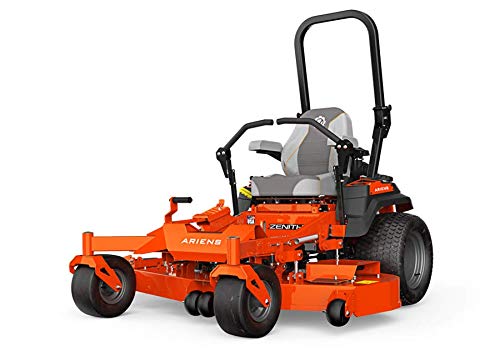
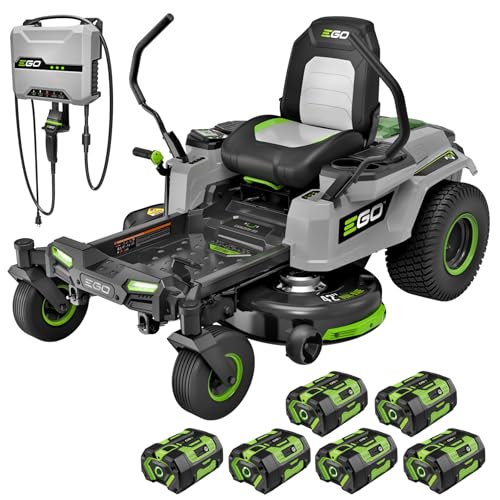

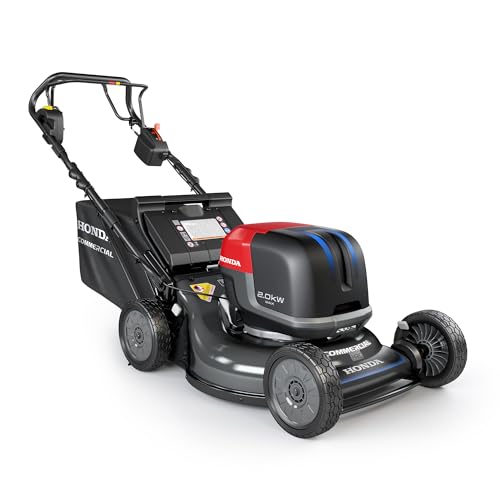


Commercial Mowers 101: The Basics
The duty class is the first thing to understand, because it decides everything else. A commercial class mower is built for daily hours: a heavier deck, a stronger drive, an engine rated for long service, and parts a dealer can actually get. A home class machine used commercially wears out fast, sometimes within a single season, because its deck, spindles and transmission were never built for that workload.
The families are simple. Walk behind models, covered in our guide to the best commercial push mowers, handle small and gated properties. Stand on machines split the difference between walking and riding, while riding and zero turn models cover open ground.
Whatever the family, three safety rules come before any spec. Slopes are the rollover risk, and the limit printed in the maker handbook governs where the machine may work. Children are never passengers and never in the mowing area. The engine is off and the key is out before any work near the deck, every time.
Key Specs Explained in Plain English
Spec sheets mix numbers that matter with numbers that mostly decorate. The five factors below decide how a mower works on a real route. Read them against your own properties, not against an ideal lawn.
Power Source: Gas, Battery, or Corded Electric
Gas remains the default for full day commercial work because refueling takes minutes and the power suits thick growth. The costs are noise, exhaust, and upkeep like oil, filters and spark plugs. Battery models run quietly and start instantly, which matters for early work near homes and for properties with noise rules.
The battery trade is runtime and refills. A crew needs spare packs and a charging plan, or the day ends when the packs do. Buyers curious about that route can read our guide to the best commercial electric mowers for the battery class in detail. Corded electric exists only in small walk behind sizes and rarely suits paid work, since the cord limits every pass.
Noise, Storage, and Maintenance
Noise shapes your schedule more than you expect. Quieter machines let you start earlier in residential areas without complaints, and hearing protection is still part of the job with any engine. Storage is the second quiet factor: a mower that folds or stands compact saves trailer and shed space, and a wide riding deck that cannot fit through your storage door is a daily frustration.
Maintenance splits by power source. Gas machines ask for oil changes, air filters and winter fuel care. Battery machines ask for clean contacts and packs stored out of extreme cold. Both need the deck scraped, bolts checked and the underside washed, because packed wet grass rots a deck from below.
Mulch, Bag, and Side Discharge Options
Most commercial decks offer three ways to handle clippings. Mulching cuts the grass finely and drops it back into the lawn, which is fast and leaves nothing to haul, but it struggles when growth is long or wet. Bagging leaves the cleanest finish and suits formal properties, at the cost of constant emptying. Side discharge throws clippings out fast and handles tall growth best, though it can leave visible rows.
Many decks convert between the three with a mulch plug, a bagger kit and a discharge chute, sometimes sold as three in one setups. Ask what the conversion costs and how long the swap takes, because a kit that needs tools and twenty minutes will not be swapped on a busy route. Match the default setup to the work you do most weeks.
Yard Size and Cutting Width
Deck width is the number that sets your speed. Walk behind decks run about 21 to 30 inches and suit small lawns, tight gates and trim work. Mid size decks around 32 to 48 inches cover most suburban routes. Riding decks of about 52 to 60 inches and beyond belong on open acreage, where turning room exists.
As a rough guide, under about a quarter acre a walk behind is enough, half an acre to one acre suits a stand on or a smaller rider, and anything larger argues for a full riding machine. Our guide to the best commercial riding mowers covers the seated families, and the best commercial ztr mowers guide explains the fast zero turn class. Remember the gate rule: a deck wider than your narrowest gate is a mower you cannot use on that property.
Cutting Height Adjustment
Cutting height decides how the lawn looks and how the grass copes with heat. Commercial decks usually offer a range from about 1.5 to 4.5 inches, changed by levers or pins at each wheel or by one central lever. A single lever system is faster when a route mixes lawn types several times a day.
What matters is honesty about your routine. Cutting too short stresses grass and scalps uneven ground, and no pass should remove more than one third of the blade at once. If a property has grown long between visits, take it down in two passes at higher settings instead of forcing one low cut, which clogs the deck and stalls the engine.
Deck and Drive: Where Working Life Is Decided
Two parts decide how long a commercial mower stays profitable: the deck and the drive. A fabricated deck, welded from thick steel, survives curbs, stones and trailer loading that crack a thin stamped deck. The drive matters just as much, because a transmission rated for daily towing and turning is what separates a working machine from a homeowner machine with a bigger engine.
Parts and service access are the running facts behind both. A deck you cannot get spindles for, or a drive no local shop will touch, turns a small failure into a week of lost work. Before you buy, name the dealer or shop that will service the machine and confirm that common wear parts sit on their shelf.
Rookie Mistakes to Avoid
- Buying a home class machine for paid work. It feels cheaper for one season, then the deck, drive and spindles wear out together and the savings vanish.
- Choosing deck width by the biggest lawn only. A wide deck that cannot pass a standard gate or fit the trailer costs more time than it saves on open ground.
- Ignoring who services the machine. A mower with no local parts support can sit idle for weeks over a small part.
- Skipping the safety basics to save minutes. Working a slope past the handbook limit, carrying a child passenger or reaching under a running deck are the mistakes that end careers.
- Forgetting the running costs. Fuel, oil, blades, belts and battery packs add up every week, and a cheap machine with pricey parts can cost more per season than a dearer one.
Getting Started: Setup and First Use
When the mower arrives, read the handbook before the first start, especially the slope limit, the deck controls and the service schedule. Set the cutting height on flat ground, check the tire pressure so the deck sits level, and walk your first property looking for stones, wire and hidden stumps before the blades ever spin.
Start a simple parts shelf from day one: a spare belt, spare air filters, and sharp blades ready to swap. Our guide to the best blades for commercial mowers explains blade types and when each suits the grass. Sharpen blades each season at minimum, and more often on sandy or rough routes, because a dull blade tears grass instead of cutting it. Any blade work starts the same way: engine off, key out, and the spark plug lead removed on gas models.
Frequently Asked Questions
How long does a commercial mower last?
A commercial mower in regular paid service commonly lasts about 2,000 to 3,000 engine hours before major parts wear out. That figure depends on the deck and drive far more than on the engine badge, which is why buyers hunting the best quality commercial mowers read the deck steel and transmission specs first. Daily cleaning, sharp blades and on time oil changes push a machine toward the top of that range, while skipped service pulls it down fast.
Is a zero turn worth it for one acre?
For one open acre, a zero turn usually earns its price in saved time, because it turns in its own length and trims around trees without extra passes. The gain shrinks on broken ground, tight gates or slopes, where a stand on or walk behind can be the safer tool. Remember the handbook slope limit governs any rider. If your acre is flat and open, the class fits; if it is steep or fenced into small sections, spend less.
How often should I sharpen mower blades?
Sharpen mower blades each season at the very least, and check the edge every few weeks during heavy growth. Sandy soil, sticks and stones dull an edge much faster than clean lawns do. A torn, pale grass tip is the field sign that the blade is ripping instead of cutting.
Many crews keep a sharp spare set on the trailer so a swap takes minutes. Balance the blade after sharpening, because an unbalanced blade vibrates and wears the spindle.
What size mower do I need for my yard?
Match the deck to the largest area you cut often, not the largest you might ever cut. Lawns under about a quarter acre suit a walk behind of about 21 to 30 inches. Half an acre to an acre suits a stand on or a rider around 42 to 52 inches, and several open acres justify 60 inches or more. Then check the narrowest gate and your trailer or shed door; the deck has to pass through both, every single week.
Are battery mowers as good as gas?
Battery mowers match gas for cut quality on maintained lawns and win on noise, starting and upkeep. Gas still wins on runtime, because a fuel can refills in minutes while packs need charging hours and spares cost real money. For small routes and noise sensitive properties, battery is a sound first purchase. For long days of heavy growth, gas remains the safer plan, and many crews run both, using each where it fits.
Final Thoughts
A first commercial purchase goes right when three things line up: the duty class matches your weekly hours, the deck fits your properties and your gates, and a local shop can keep the machine running. Power source and clipping style come after those, and both can change as your route grows. Look back at the product table above, weigh the deck and drive before the engine badge, and the best commercial mowers for your work will be the ones still cutting, season after season, without drama.