Best Affordable Riding Lawn Mowers in 2026: Budget, Midrange, and Premium Bands
Disclosure: We may earn a commission when you buy through links on this page, at no extra cost to you. As an Amazon Associate I earn from qualifying purchases. Learn more
See what the best affordable riding lawn mowers offer at each price band, from deck size and engine class to running costs, safety checks, and upkeep.
Riding mowers span a wide price field, from under about $2,000 for a compact lawn tractor to well past $5,000 for a wide deck garden tractor. Sorting the best affordable riding lawn mowers starts with your yard rather than the sticker, because deck width, ground shape, and gate access decide which band even applies to you. The product table lays out current options, and the bands below help you find your price band first and compare details second.
Each band below explains what the money buys, where makers cut corners, and which upgrades repay their cost over years of Saturday mowing. This class also appears under the shorter name covered in our guide to the best affordable riding mowers, and the machines and price bands there match the ones here, so the figures stay consistent whichever listing you open.


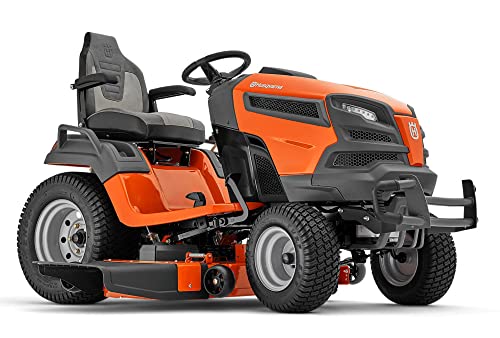
Start With the Yard: Deck Size and Gate Width
Deck width should follow yard size and shape. Decks from 30 to 42 inches suit flat yards up to about one acre, decks of 42 to 46 inches cover one to two acres comfortably, and decks of 50 inches and up earn their width only on open ground past two acres. A wide deck on a yard full of trees, beds, and tight corners mows slower than a narrow one, because every pass becomes a careful turn. Slopes change the answer again, and the safety section below covers that before any talk of features.
Then measure the narrowest gate or shed door the mower must pass through, discharge chute included. The gate decides whether a mower can enter the yard at all, and a deck that misses clearance by an inch leaves you lifting, tilting, or storing the machine somewhere awkward. Most suburban lots land in the class covered by our guide to the best residential riding lawn mowers, where mid size decks and modest engines match typical lot shapes.
Walk the yard once with fresh eyes before choosing a width. Half buried stones, sprinkler heads, and low stumps all argue for a tougher deck and a slower pace, while a clean open lawn rewards width and speed. That short walk tells you more about the right band than any showroom visit.
What the Best Affordable Riding Lawn Mowers Offer at Each Price Tier
The bands below reflect typical US listings for new machines. Use them as a map of what changes as you spend, then check the product table for the current spread.
Budget Tier: What to Expect
Between about $1,800 and $2,400, expect a single cylinder engine, a stamped steel deck of 38 to 42 inches, and a gear drive or a simple variable speed drive worked by a lever. Seats are basic, blade engagement may be manual, and the wheels are small. None of that stops the mower cutting a flat yard of half an acre to one acre well for years, as long as the deck size matches the ground and the blades stay sharp.
Midrange Tier: Where Most Yards Land
Between about $2,400 and $3,400, the upgrades turn practical: a hydrostatic drive worked by a pedal instead of gear changes, decks of 42 to 46 inches, twin cylinder engines on many listings, and seats with real padding. For most households, the best affordable riding lawn mowers sit in this band, because the pedal drive alone removes the tiring part of mowing around obstacles.
Ratings need careful reading at this level. The owner scores gathered in our guide to the best reviewed riding lawn mowers describe satisfaction with individual machines, and a happy owner on flat ground tells you little about a sloped or rutted yard like yours. Dealer support matters more here than a small difference in horsepower, because a local shop that stocks belts and blades keeps a mid priced mower cutting for a decade.
Premium Tier: Bigger Yards and Longer Service
Between about $3,400 and $5,000, money buys structure: fabricated decks welded from thick steel plate, larger twin cylinder engines, decks of 48 to 54 inches, and longer deck shell warranties. These machines suit two acres and up, rough ground, and owners who tow a small cart. On a small flat lot the same money buys width you cannot use and weight your lawn may not forgive after rain.
Features Worth Paying For (and Ones to Skip)
Not every line on a spec sheet deserves your money. The five features below are ordered by how much they change weekly mowing, and each one names the point where paying more stops helping.
Engines and Transmissions
A single cylinder engine is enough for flat yards up to about an acre, while a twin cylinder runs smoother and pulls better with a wide deck or a cart in tow. The transmission matters more day to day: a gear drive is cheap and sturdy, and a hydrostatic pedal drive costs more yet makes trimming around beds far easier. Skip paying for headline horsepower beyond your deck size, because an oversized engine on a narrow deck only burns extra fuel.
Power Source: Gas or Battery
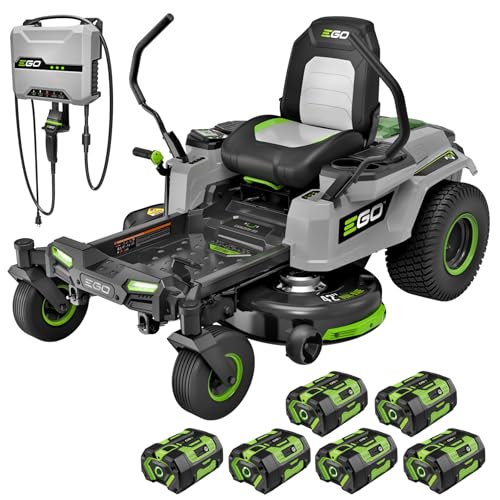
Gas riders refuel in minutes and hold the price advantage at every deck size, at the cost of oil changes, spark plugs, and engine noise. Battery riders start quietly, skip engine servicing entirely, and mow about an acre or more per charge in the common classes, then need hours plugged in. The trade to weigh is the battery itself: a replacement pack years from now is the largest single running cost a battery rider can present.
Cutting Height Adjustment
Grass wants different heights across the season, taller in summer heat and shorter for the last cut of autumn. A single lever that lifts the whole deck through five or more positions changes height in seconds from the seat. Cheaper systems adjust each wheel or link separately, which works but discourages changing anything at all. Pay for the single lever if your lawn mixes sunny and shaded patches that grow at different speeds.
Deck Material and Build
Most budget decks are stamped from a single sheet of steel: light, smooth inside for good grass flow, and prone to dents from hidden rocks. Fabricated decks are welded from separate thick plates, heavier and tougher, and common on premium and zero turn machines. On a clean flat lawn a stamped deck lasts for years with washing and touch up paint, so the fabricated upgrade pays only where the ground hides stones, roots, or stumps.
Noise, Storage, and Maintenance
Every rider needs a dry footprint of roughly its deck width by seven feet, plus walking room, so measure the shed before the showroom. Gas machines ask for oil, filters, and fuel care each season, while battery machines ask mainly for clean decks and indoor charging. Features safe to skip include decorative lighting, oversized cup holders, and racing style seats, none of which cut grass any better.
Safety Comes Before Price
Ground shape overrides every band above. A riding mower with a steering wheel and a low seat is more stable on gentle slopes than a zero turn, yet it still rolls if the bank is steep enough, and the slope limit printed in the maker handbook governs, not habit or confidence. The class comparison in our guide to the best zero turn riding lawn mowers shows the other side of that trade: lap bar machines are faster on flat ground and less forgiving on banks. Never mow a wet slope, and slow down well before any bank rather than pushing the limit.
Two rules protect everyone else. Children are never passengers on a riding mower, not even for a short ride to the shed, and children and pets stay out of the mowing area entirely until the machine is parked. Before clearing a clogged chute or working anywhere near the deck, switch the engine off, take the key out, and wait for the blades to stop fully, because a spinning blade keeps its energy after the sound fades. Always follow the manufacturer's instructions.
Long Term Costs to Factor In
The sticker is only part of ownership. Budget each season for blades or sharpening, a drive belt every few years, oil and filters on gas machines, and eventual tire and battery wear on every machine. Owners stepping up from the walk behind models in our guide to the best affordable lawn mowers are often surprised that the rider itself is only about two thirds of the five year cost of owning it. A longer deck warranty and a dealer nearby are worth real money inside that math.
Storage habits belong in the same calculation. A mower kept under cover keeps its deck, belts, and seat far longer than one parked in the rain, and a battery rider stored with a sensible charge level keeps its pack healthier. None of these habits costs much, yet together they decide whether an affordable machine stays affordable.
Riding Mower Questions Answered
How often should I sharpen riding mower blades?
Sharpen riding mower blades about every 20 to 25 hours of mowing, which for most home yards means two or three times a season. Dull blades tear grass instead of cutting it, leaving brown tips that invite disease, so the lawn itself tells you when you have waited too long. Balance the blade after sharpening, because an unbalanced blade vibrates, and that vibration wears spindle bearings that cost far more than a sharpening.
How long does a riding lawn mower last?
A riding lawn mower lasts about 8 to 15 years in home use, or roughly 1,000 to 1,500 engine hours, with steady basic care. Hours matter more than birthdays, since a machine mowing two acres weekly ages far faster than one trimming a small lot. Storing the mower under cover, keeping the deck clean, and changing oil on schedule are the three habits that separate the long lived machines from the short lived ones.
Are battery riding mowers as good as gas riding mowers?
For flat yards up to about an acre, yes: battery riders cut as cleanly as gas models and start without fuel, oil, or pulling a cord. Gas still wins on large or rough ground, where runtime and quick refueling matter more than quiet running. The planning point owners miss is charging time, so count on leaving a battery rider plugged in overnight after every mow rather than expecting a quick top up before guests arrive.
What size mower deck do I need for my yard?
Match the deck to your obstacle count as much as to your acreage. A yard of half an acre with many trees and beds is often mowed faster with a nimble 38 or 42 inch deck than with a wide deck that forces constant three point turns. Measure your tightest gap between trees or fence posts as well, and choose a deck that passes through it with the discharge chute counted.
Is a zero turn mower worth it for one acre?
A zero turn mower is worth it on one flat acre with many obstacles, where its tight turning can trim real minutes from every mowing session. On sloped or uneven ground the same money buys more safety and comfort in a conventional rider, as the safety section above explains. Also budget for the learning curve: lap bar steering feels strange for the first few mows, and scalped corners are common while it becomes habit.
Wrapping Up
Three checks decide this purchase: the deck must fit your yard and your gate, the drive must suit your ground, and the band must leave room in the budget for blades, belts, and servicing. Set those beside the product table, and the right band usually names itself. Chosen that way, the best affordable riding lawn mowers stop being a compromise and become the machine your yard actually needed, at a price that leaves the shed door closing easily behind it.